


 русский
 Español
-
How JINYI Water Meter Bracket Ensures Reliable Plumbing System Performance

Oct 17, 2025
When installing or upgrading plumbing systems, a Water Meter Bracket plays a crucial role in maintaining stability and precise positioning of water meters. This seemingly simple component is essential for both residential and commercial applications, as it ensures accurate measurement of water usage while providing long-term structural support. Proper installation not only secures the water meter but also prevents unnecessary strain on the connected pipes and fittings.
Why Bracket Selection Matters
Choosing the right bracket can have significant effects on performance and durability. Materials used in manufacturing, load-bearing capacity, and resistance to environmental factors such as moisture or corrosion all contribute to the reliability of the installation. A sturdy bracket reduces the risk of misalignment, which can interfere with water readings and lead to maintenance issues down the line.
In addition to functional stability, brackets also contribute to organized plumbing setups. They help maintain a neat alignment of pipes and meters, making inspections, repairs, or replacements more straightforward. For large buildings with multiple meters, consistent bracket usage ensures uniformity across installations, simplifying management for maintenance personnel.
Installation Considerations
Correctly positioning a water meter bracket involves assessing the surrounding area and securing the support at a level that prevents tilting or sagging. Over time, vibrations from water flow or accidental contact can loosen poorly installed brackets, potentially causing damage to meters or connected pipes. Ensuring that the bracket is fastened firmly with appropriate screws or bolts is crucial for maintaining system integrity.
Additionally, installers must consider accessibility. A well-placed bracket allows easy access to the meter for reading or servicing, reducing the need for disruptive disassembly. This is particularly important in commercial or industrial environments where frequent monitoring is required.
Enhancing Longevity Through Quality Materials
Advancements in bracket materials have focused on corrosion resistance, mechanical strength, and ease of installation. For example, coated metals or high-grade alloys provide protection against rust, while lightweight yet durable composites can simplify handling without compromising strength. Choosing the right material is essential for installations exposed to outdoor elements or high-humidity environments.
Regular inspections are also recommended to ensure that brackets remain secure and free from damage. Detecting early signs of wear or loosening allows timely adjustments before significant issues arise, thereby extending the lifespan of the water meter and its support system.
The Broader Impact on Plumbing Systems
A water meter bracket is not just a passive accessory; it directly affects the performance of the plumbing system. Properly supported meters maintain accurate readings, which in turn helps in monitoring water consumption, identifying leaks, and managing utility costs efficiently. Moreover, stable brackets reduce stress on pipelines, preventing premature wear and enhancing overall system durability.
Homeowners and facility managers should consider bracket quality as an investment in the longevity and reliability of their plumbing infrastructure. Proper installation, combined with routine maintenance, ensures that water meters remain functional and secure for years to come.
Selecting and installing a reliable Water Meter Bracket is a small but vital step in maintaining effective water management systems. By ensuring stability, easy access, and long-term durability, these components support accurate readings and reduce maintenance challenges. For anyone considering an upgrade or new installation, prioritizing bracket quality can make a meaningful difference in the overall performance of their plumbing infrastructure.
-
Quiet Strength Beneath Every Bath Sound-Insulation Adjustable Bath Leg Sets for Acrylic Bathtubs up to 180×80 cm
Oct 15, 2025
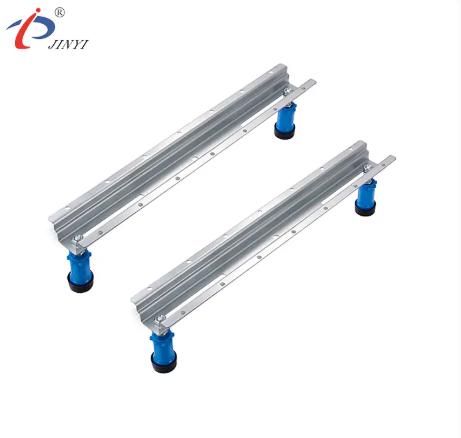
Behind every great bathtub is a foundation you can trust — one that holds firm, levels easily, and works quietly in the background. Our adjustable bath leg set is exactly that: a smart, durable, and noise-reducing support system for acrylic bathtubs up to 180×80 cm.
Designed for fast installation and long-term reliability, this leg set helps installers save time while delivering rock-solid stability and a more peaceful bathing experience for end users.
Built to Support. Engineered for Comfort.
Made from galvanized steel and high-grade plastic, the legs are height-adjustable and come with sound-insulation pads that reduce vibration and noise transfer to the floor — a major plus in multi-story housing or hotel installations.
Whether you're a contractor, retailer, or OEM partner, this kit ensures your bathtubs are installed safely, quietly, and professionally.
Key Benefits
Fits Bathtubs up to 180×80 cm
Perfect for most standard acrylic bathtubs — ensuring wide compatibility.
Noise-Reducing Pads
Built-in insulation pads help minimize vibration and structure-borne sound, improving user comfort.
Height Adjustable Legs
Level your bathtub easily on uneven floors — no additional tools or base framing needed.
Sturdy Galvanized Steel Support Bars
Provides long-lasting strength and corrosion resistance in damp environments.
Quick, Easy Installation
Delivered with all necessary hardware and pre-mounted connections for faster workflow.
Ideal For:
Residential bathroom installations
Hotel and apartment projects
OEM acrylic bathtub packaging
Sanitary ware wholesalers and importers
What Makes It Different?
Unlike traditional wooden framing or DIY leveling hacks, this adjustable leg system gives you a clean, modern solution that reduces labor costs and enhances the end-user experience. It’s what today’s professional installers are looking for.
Flexible Supply & OEM Options Available
Whether you need bulk orders for your warehouse, private-label kits for your own brand, or custom packaging to match your acrylic tubs, we’ve got you covered. Our products are CE-compliant and ready for global export.
Better support. Less noise. Happier customers.
Upgrade your bathtub installations with the leg set that delivers behind-the-scenes reliability — every single time. For more information, please visit: https://www.yh-jinyi.com/
-
Are Shower Tray Leg Frames Redefining the Future of Bathroom Installations
Oct 13, 2025
In the evolving world of interior construction, bathroom design has become one of the most dynamic areas for innovation. Homeowners, architects, and installers are continually searching for practical solutions that combine function, adaptability, and ease of installation. Among the most notable developments in recent years are riser kits and adjustable shower tray leg frames, two systems that have significantly influenced how modern bathrooms are built and maintained.
Both serve a crucial purpose — supporting shower trays and managing drainage systems — yet they differ in structure, flexibility, and long-term performance. Understanding their roles and comparing their functions reveals how these installation systems are reshaping the standards of bathroom construction.
The Rise of Adaptable Installation Systems
Modern renovation projects prioritize flexibility. Homes today are built with a mix of materials — concrete, timber, and composites — each presenting different challenges during bathroom installation. Uneven floors, limited access to plumbing, and changing design preferences require adaptable support systems.
Adjustable shower tray leg frames emerged as a solution to these evolving needs. Unlike traditional fixed bases, these frames allow precise height adjustments for each leg, creating a level surface even on irregular flooring. For installers, this innovation simplifies alignment and reduces preparation time, eliminating the need for extensive subfloor modifications.
Meanwhile, riser kits have maintained their relevance by offering a simple way to elevate a shower tray, particularly in buildings where the subfloor cannot be altered. They raise the tray just enough to allow pipework and drainage to fit comfortably below, making them practical for solid or concrete flooring situations.
Comparing Function and Application
While both systems aim to provide stability and support, their differences influence how and where they are used.
Riser kits provide a fixed, enclosed base that lifts the tray above the floor. Once installed, the structure remains stable but lacks flexibility for later adjustments. They are often chosen for their clean finish and straightforward setup, especially in uniform environments such as hotels or apartment buildings where maintenance access is limited.
Adjustable shower tray leg frames, on the other hand, bring customization to the installation process. Each leg can be individually altered to achieve perfect leveling, an advantage when working with uneven or sloped floors. The design also allows easy access underneath the tray, making future maintenance or pipe adjustments far simpler.
This difference — fixed simplicity versus adjustable flexibility — defines the choice for many installers and homeowners.
Addressing Installation Challenges
Uneven flooring is one of the most frequent issues in both new constructions and renovations. Without proper support, even a small imbalance can cause stress points, leading to cracks or water leakage over time. Adjustable leg frames solve this problem by distributing the weight evenly and maintaining a stable platform underfoot.
Moisture management is another critical consideration. Bathrooms are naturally humid environments where small imperfections in installation can lead to long-term damage. Both riser kits and adjustable frames help keep the tray elevated, ensuring that water does not accumulate underneath and that ventilation remains possible.
However, leg frames often stand out for accessibility. When plumbing issues arise, their open design allows for direct maintenance without removing the entire shower tray — an advantage that riser kits cannot always offer.
Evolution of Design and Material Quality
As the popularity of these systems has grown, so has the innovation behind their materials and construction. Manufacturers now design frames with corrosion-resistant metals, reinforced brackets, and lightweight components that enhance both durability and ease of handling.
Adjustable leg frames, in particular, have evolved with smoother height control mechanisms and anti-vibration bases that reduce movement during use. These developments reflect a shift toward ergonomic installation and long-term stability rather than one-time setup convenience.
Riser kits, meanwhile, have seen improvements in design aesthetics. Modern versions integrate neatly with the tray, offering a uniform appearance that conceals plumbing while maintaining a compact footprint. This makes them appealing in minimalist bathrooms where visible structural elements are reduced.
Benefits for Homeowners and Professionals
From a homeowner's perspective, both systems contribute to greater comfort and longevity. A stable, well-supported shower base enhances the sense of safety and durability, ensuring that daily use remains reliable. Adjustable leg frames are especially appealing to those who value long-term maintenance access — a key advantage when remodeling in stages or making future upgrades.
For installers and contractors, the benefits are just as clear. Adjustable systems save time during setup, particularly when dealing with irregular subfloors. They allow fine-tuning and on-site corrections that reduce installation errors. Riser kits, on the other hand, are appreciated for their predictability — an important factor in large-scale developments where consistency is key.
Both systems also reduce strain during installation, as they eliminate the need for heavy lifting or complex adjustments once the tray is positioned.
Aesthetic and Functional Harmony
Today's bathroom spaces blend functionality with visual harmony. Riser kits appeal to those who prefer enclosed designs that hide the functional components beneath a clean platform. In contrast, adjustable leg frames provide a discreet yet accessible structure that supports modern design flexibility.
For architects and designers, the choice between these systems often depends on project goals. In luxury or custom builds, adjustable frames allow creative freedom and precise alignment with other fixtures. In standardized or prefabricated bathrooms, riser kits maintain design uniformity and ease of replication.
This balance between aesthetic continuity and functional performance demonstrates how installation systems have become integral to the design conversation — not just a technical afterthought.
Industry Trends and the Road Ahead
Market observations suggest that adjustable shower tray leg frames are gradually gaining popularity, particularly in residential renovations. Their adaptability suits diverse flooring conditions and evolving plumbing layouts. At the same time, riser kits remain strong in commercial projects, where uniform installations and minimal maintenance are prioritized.
The growing interest in sustainable construction has also influenced these choices. Adjustable frames, which can be reused or re-leveled without replacing the entire base, align with the principles of waste reduction and longevity. As more builders adopt eco-conscious practices, such versatility adds long-term value to bathroom design.
In addition, the shift toward do-it-yourself home improvement has fueled consumer demand for straightforward, modular solutions. Both riser kits and adjustable frames cater to this trend, offering reliable systems that don't require advanced technical skills to install.
Choosing Between Riser Kits and Adjustable Leg Frames
Ultimately, the decision between the two systems comes down to priorities.
If the project requires a quick, enclosed setup with minimal adjustments, a riser kit may be the right fit. It provides stability and a seamless look suitable for fixed-height installations.
If flexibility, access, and adaptability are key concerns, an adjustable shower tray leg frame becomes the preferred option. It allows installers to accommodate uneven floors, adjust drainage alignment, and modify height when needed — all without compromising structure or safety.
Regardless of the choice, correct installation practices remain essential. Proper sealing, weight distribution, and leveling ensure that both systems perform effectively and last for years.
A Shared Role in the Future of Bathroom Design
The relationship between riser kits and adjustable leg frames is not about competition but coexistence. Each system fills a different need within modern construction. Together, they represent a broader shift toward more intelligent, adaptable, and maintenance-friendly bathroom solutions.
As renovation techniques continue to evolve, these innovations will play a vital role in defining how bathrooms are constructed — emphasizing precision, accessibility, and sustainability. Whether in new builds or remodeling projects, the right support system beneath a shower tray contributes to a safer, more efficient, and more comfortable living environment.
The growing popularity of riser kits and adjustable shower tray leg frames illustrates a significant movement in bathroom construction — one that values flexibility, ease of maintenance, and long-term reliability. Homeowners and professionals alike now recognize that what lies beneath the surface of a shower installation is just as important as what meets the eye.
As the industry moves forward, the integration of these systems will continue to refine how bathrooms are built. The adjustable frame's adaptability complements the riser kit's simplicity, offering solutions for a wide range of architectural needs. This evolution highlights a simple truth: thoughtful engineering at the foundation of every shower installation leads to improved function, extended lifespan, and lasting comfort in modern living spaces.
-
One Frame, Endless Possibilities-The Universal Adjustable Shower Tray Riser Frame Trusted by Installers Worldwide
Oct 11, 2025
Every bathroom project is different — but your foundation doesn't have to be. The Universal Steel 12-Feet Shower Tray Riser Frame is the go-to solution for professionals who need flexibility, stability, and speed in one easy-to-install support system.
Designed to fit a wide range of tray sizes from 70×70 cm up to 100×180 cm, this universal frame adapts to your needs — whether you're fitting a compact apartment shower or a large walk-in tray.
Smarter Support, Faster Installation
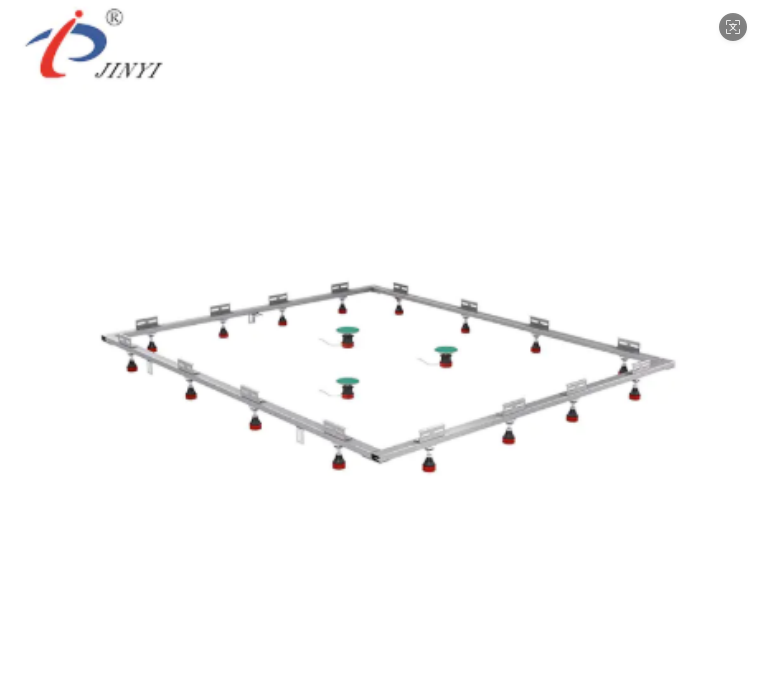
This riser frame features 12 adjustable steel legs for superior weight distribution and precision height leveling. Whether you’re dealing with uneven subfloors or tight renovation timelines, this system simplifies your work and delivers rock-solid results.
Its galvanized steel construction resists corrosion, making it ideal for humid bathroom environments and long-term durability.
Why This Frame Stands Out
Universal Fit
Adjustable to multiple tray sizes – from 70×70 cm to 100×180 cm – for maximum versatility.
12 Adjustable Feet
Provides full perimeter and center support for even the heaviest shower trays.
Fast, Tool-Friendly Assembly
Pre-drilled steel bars and easy leg positioning make installation efficient and precise.
Heavy-Duty Steel Construction
Built to last, even under daily use in residential, hotel, or commercial settings.
Ideal for Riser Systems
Elevates the tray for easy pipe access, maintenance, and improved drainage flow.
Where It Shines
Bathroom renovation and new construction projects
Real estate developments and hotel installations
Shower tray manufacturers (OEM packaging available)
Sanitary ware importers and hardware distributors
What Professionals Say:
“This is the one riser system we keep going back to. It’s strong, easy to adjust, and fits 90% of our trays. No more guessing or custom cuts.”
— Installer in the Germany
Available Now -With OEM & Custom Sizing Options
Whether you're a local distributor, a national retailer, or an OEM looking to enhance your shower tray kits, this riser frame is ready to deliver. We offer flexible bulk supply, private label options, and fast export support for your markets.
Looking to simplify your next shower tray install?
Choose the universal frame that saves time, fits more trays, and gets the job done right — every time.For more information, please visit: https://www.yh-jinyi.com/
-
Is a Shower Tray Leg Frame Necessary for a Stable Installation
Oct 10, 2025
In recent years, the bathroom industry has witnessed a growing focus on the details of installation practices, especially when it comes to shower areas. Among the most discussed topics is the role of shower tray support. As homeowners invest more in bathroom upgrades and as professionals refine their methods, two questions remain at the center of conversations: Do shower trays need support underneath, and what exactly should be placed there?
This debate has become more than a matter of practicality. It ties directly to long-term performance, safety, comfort, and even the visual quality of finished bathroom spaces. A closer look reveals why this issue has attracted increasing attention and how industry experts are responding.
Why Support Matters More Than Ever
A shower tray might appear to be a straightforward product: a flat base designed to collect water and direct it toward the waste outlet. Yet, the role it plays within a bathroom is far more significant. It serves as the foundation of the entire shower enclosure, and any instability beneath it can affect the performance of surrounding walls, tiles, and plumbing fixtures.
Without adequate reinforcement, trays can move slightly when stepped on. This might seem harmless at first, but over time these movements place pressure on joints, seals, and adhesives. Even small shifts may create hairline gaps where water can escape. In environments as moisture-sensitive as bathrooms, that kind of weakness can lead to long-term issues such as damp patches, weakened flooring, or cosmetic damage.
Support underneath therefore becomes not only a technical requirement but also a safeguard for the wider bathroom environment.
Stability and Everyday Comfort
Industry professionals also point to user experience as a major factor. A tray that feels firm underfoot provides reassurance. Without proper support, trays may produce a hollow or springy sensation, which many users find unsettling.
This highlights an important aspect of bathroom design: practicality and comfort go hand in hand. A well-supported tray does more than protect against structural problems—it also creates a more enjoyable daily routine. As bathrooms increasingly evolve into wellness spaces, the demand for comfort-driven details continues to rise.
Different Floors, Different Needs
The choice of support methods depends heavily on the type of floor. No two bathroom projects are the same, and installers must adapt to the specific conditions of each site.
Timber Floors: Timber can flex under pressure, which increases the risk of tray movement. Reinforcement boards or moisture-resistant plywood are commonly added to strengthen the surface before the tray is fitted.
Concrete Floors: Concrete is inherently stable but rarely perfectly level. Levelling compounds or bedding materials are often applied to create a flat foundation.
Composite or Modern Subfloors: Newer materials may require tailored solutions, balancing both strength and moisture resistance.
This variation underscores why blanket advice is rarely sufficient. Assessing the floor type is the first step toward choosing the correct installation method.
What Goes Underneath: Exploring the Options
Once the need for support is established, the next logical step is determining what materials or structures should actually be placed beneath a shower tray. Several solutions are recognized across the industry, each offering unique benefits.
Bedding Compounds
Bedding layers act as a cushion, filling tiny gaps and bonding the tray firmly to the floor. They prevent rocking, distribute weight evenly, and enhance stability. Properly applied, they also align the tray with surrounding walls and tiles.
Support Frames and Adjustable Legs
Certain tray models are designed to be installed on frames or adjustable legs. These components allow fine-tuning of height and alignment, particularly valuable when dealing with uneven floors or complex waste pipe connections.
Reinforcement Boards
On timber flooring, additional support layers are often recommended. Moisture-resistant boards reduce flexing and create a platform strong enough to carry the weight of both the tray and daily use.
Adhesives and Sealants
Although not the main structural element, adhesives and sealants secure the tray in place and maintain watertight joints. They complement the chosen support system by protecting against leaks.
The Role of Drainage
Support underneath is closely connected to plumbing efficiency. Drainage systems must align correctly with the waste outlet of the tray, and misalignment can cause strain or slow water flow. In some installations, raising the tray slightly above the floor creates room for pipework, but this requires additional attention to stability.
Experts emphasize that drainage and support should be planned together. Installing the tray first without considering waste connections can lead to complications that are costly to correct later.
Long-Term Benefits of Proper Support
By preparing a solid foundation, installers reduce the likelihood of future adjustments or repairs. A stable tray remains in place for years, reducing maintenance costs and preventing disruption in the household.
Furthermore, effective support contributes to the overall durability of the bathroom. With waterproof seals protected, tiles and panels remain intact, and the visual appearance of the shower area is preserved.
Expert Opinions from the Field
Industry specialists agree that overlooking tray support is one of the most common installation errors. According to installers with decades of experience, many of the bathroom repairs they encounter stem from insufficient support during the initial setup.
Manufacturers have also responded to this issue by offering trays with built-in reinforcement or by recommending specific installation kits. This trend reflects a growing recognition that the foundation is just as important as the visible surface.
The Evolution of Bathroom Standards
The conversation around shower tray support fits into a broader shift in bathroom design. As consumers expect longer-lasting, more sustainable, and more comfortable interiors, installers are adopting methods that balance practicality with performance.
Building regulations in some regions already emphasize waterproofing and structural integrity in wet areas, and it is likely that support requirements will become more standardized in the future. This trend points to a future where installation practices are more uniform, reducing the margin for error.
Looking Ahead: Future Developments
Technological innovation is beginning to influence how trays are installed. Lightweight but strong materials, pre-fabricated support systems, and improved adhesives are making the process easier and more reliable.
In addition, sustainability is shaping choices. Reinforcement boards made from recycled or eco-friendly materials are being introduced, appealing to homeowners who want environmentally responsible solutions.
Industry observers predict that as smart homes become more common, even shower installations may evolve, with sensors detecting leaks or movement under trays. If that becomes mainstream, ensuring the right support underneath will be even more critical.
The twin questions—Do shower trays need support, and what should be placed underneath?—are now firmly part of professional conversations in the bathroom industry. The answer is clear: support plays a crucial role in stability, safety, comfort, and drainage efficiency.
Options such as bedding compounds, adjustable frames, reinforcement boards, and adhesives each bring specific benefits, but the correct choice depends on the type of floor and the layout of the bathroom. Consulting professionals can help identify the most suitable approach for each project.
As the industry moves forward, it is evident that attention to the base of a shower tray is just as important as the design of the enclosure itself. By focusing on both structure and materials, homeowners and professionals can achieve bathrooms that perform reliably and maintain their quality for years to come.
-
How to Choose the Right Shower Bases Support Frame for Tile Floorings
Oct 06, 2025
Selecting a shower bases support frame for tile floorings involves more than simply picking a piece of hardware. This component plays a role in maintaining balance, protecting the integrity of the surface, and ensuring comfort for daily use. With tile flooring, specific considerations come into play because tiles are rigid and can shift or crack without proper distribution of weight. Understanding these factors makes it easier to select a frame that suits the structure of the bathroom environment.
The Role of Support Frames in Tiled Bathrooms
A support frame provides a foundation beneath the shower base, keeping it level and preventing pressure points from forming underfoot. Tiles, while durable, are not forgiving if a load is uneven. By spreading the weight evenly across the subfloor, a frame helps maintain the integrity of the tile installation. This balance not only protects the flooring but also enhances the stability of the shower base during daily use.
Considering the Subfloor and Tile Setup
The type of subfloor beneath the tiles influences frame selection. Wood subfloors may require a frame that adds rigidity, while concrete surfaces might call for anchoring techniques to prevent shifting. It is important to assess whether the tile has been installed with adequate underlayment, as this will affect how much support is needed. Taking these details into account helps ensure the system remains stable.
Alignment and Leveling
One of the challenges in bathrooms with tile flooring is ensuring a level surface. Even slight irregularities in the floor can affect drainage or create gaps between the base and tiles. Many frames are designed with adjustable points to correct uneven areas. This adaptability makes it easier to align the shower base correctly, helping water flow toward the drain as intended and reducing stress on the tiled surface.
Material Choices for Frames
Support frames are made from various materials, such as coated steel, aluminum, or reinforced plastic. Each option has strengths related to durability, resistance to moisture, and ease of installation. For tiled floors, choosing a frame that resists corrosion is important, as bathrooms often experience high humidity. A frame with protective finishes can prolong its life and reduce long-term issues.
Space and Design Considerations
Bathrooms vary in layout, and the choice of frame may depend on available space. Compact bathrooms benefit from frames that do not require extra clearance, while larger rooms may allow for systems with additional reinforcement features. Tile finishes, grout lines, and the overall design of the bathroom can also influence how the frame integrates into the setting.
Maintenance and Long-Term Performance
After installation, regular checks ensure the frame continues to perform as intended. Inspecting anchor points, verifying that the base remains level, and addressing any early signs of wear are practical steps. In tiled bathrooms, preventing water from seeping beneath the base is crucial, so maintaining seals and ensuring no gaps form around the perimeter contributes to longevity.
Practical Tips for Selection
Evaluate the type of tile and subfloor before choosing a frame.
Look for corrosion resistance to handle bathroom moisture.
Ensure the frame allows for leveling adjustments if the floor is uneven.
Confirm that the frame design matches the size and shape of the shower base.
Consider ease of maintenance, especially around sealed edges and anchor points.
Choosing a support frame for shower bases on tile floorings is about finding balance between function, durability, and compatibility with the existing bathroom setup. By considering the flooring type, structural conditions, and environmental factors, property owners can make decisions that support long-term stability and reduce maintenance needs. A thoughtful approach not only preserves the integrity of the tiles but also ensures the shower space remains functional and comfortable for everyday use.
-
How Does Shock Absorption Improve Water Meter Bracket Performance
Oct 03, 2025
Water meter brackets are small yet crucial components within plumbing and water distribution systems. Their design plays a vital role in maintaining system stability, protecting meters from damage, and ensuring accurate readings. Among the essential aspects of these brackets are shock absorption and vibration control, which help mitigate mechanical stress and extend the service life of both the bracket and connected meters.
Understanding the Impact of Vibrations
Vibrations in water systems can arise from pumps, sudden changes in water flow, or pressure fluctuations. Even minor vibrations, if left unchecked, can lead to misalignment, loosening of fasteners, or wear on sensitive meter components. Over time, this can reduce the accuracy of readings and increase maintenance requirements. Brackets that include vibration-dampening features provide a buffer, reducing the direct transfer of motion to the meter itself.
Design Considerations for Shock Absorption
Effective bracket design incorporates materials and structural elements that absorb shocks. This may involve flexible mounting points, resilient pads, or specialized elastomer inserts that cushion the meter against sudden impacts. By distributing force more evenly, these design features protect both the meter housing and the pipes it connects to, minimizing potential damage caused by operational disturbances or accidental contact during maintenance.
Material Selection and Its Role
The choice of materials in water meter brackets is critical for vibration control. Metals such as stainless steel or reinforced aluminum provide durability, while polymers or rubberized elements add elasticity and damping properties. Combining rigid and flexible components allows designers to achieve a balance between structural support and effective shock absorption, ensuring that the meter remains stable without excessive rigidity.
Installation Practices to Enhance Performance
Even well-designed brackets can underperform if installation is not carefully executed. Proper alignment, secure fastenings, and correct spacing from surrounding structures contribute significantly to vibration reduction. Additionally, avoiding over-tightening fasteners helps maintain the elasticity of cushioning elements, allowing them to absorb shocks effectively. Regular inspection and adjustment further enhance long-term performance.
Integrating with Modern Water Systems
As water metering technology evolves, brackets must accommodate additional sensors, wireless communication modules, or smart monitoring devices. Effective shock-absorbing and vibration-control designs ensure that these attachments do not compromise meter stability. This adaptability is especially valuable in smart water systems, where precise readings and minimal maintenance interruptions are critical.
Maintenance and Longevity
Routine checks of brackets, cushioning components, and fasteners help maintain optimal performance. Cleaning debris, inspecting for material fatigue, and replacing worn damping elements prevent gradual degradation that can compromise both vibration control and shock absorption. Such proactive maintenance supports accurate metering and extends the functional life of the entire system.
In conclusion, shock absorption and vibration control are fundamental to the design and operation of water meter brackets. By carefully selecting materials, incorporating damping features, following proper installation techniques, and conducting regular maintenance, operators can protect meters, ensure accurate readings, and enhance system reliability over time.
-
How Can Proper Water Meter Bracket Installation Improve System Reliability
Sep 29, 2025
Installing a water meter bracket correctly is essential for ensuring stability, accuracy, and durability of the entire water metering system. While brackets are often small components within plumbing infrastructure, they provide critical support that helps maintain proper alignment and minimizes unnecessary strain on pipes and meters. Understanding the right installation practices can make a significant difference in performance and long-term reliability.
Preparing the Site for Installation
Before placing the bracket, it is important to review the pipe layout and confirm that there is enough space for both the meter and the supporting hardware. The area should be cleared of debris, and the surface must be solid enough to handle the weight of the components. Proper site preparation reduces the risk of vibration, misalignment, or unexpected shifting after installation.
Positioning and Alignment
Accurate positioning plays a vital role in bracket performance. The water meter should sit firmly within the bracket without tilting or unnecessary pressure on the pipe connections. Alignment helps avoid leaks, improves ease of maintenance, and reduces wear over time. When brackets are installed in parallel or series systems, consistent spacing ensures each meter operates efficiently and can be serviced without difficulty.
Securing the Bracket
Fastening methods vary depending on the material and type of bracket used. Steel, brass, or reinforced plastic brackets may require different anchor points or mounting techniques. The key consideration is to make sure the bracket is firmly fixed to a stable base, whether on a wall, floor, or dedicated support frame. Secure attachment prevents stress on joints and protects the meter from unwanted movement during water flow fluctuations.
Considering Environmental Conditions
Water meter brackets are often exposed to varying environments, including moisture, soil contact, or direct sunlight. Choosing suitable mounting locations helps reduce the effects of corrosion or thermal expansion. For outdoor installations, protective covers or enclosures may be used to extend the lifespan of the system. For indoor sites, ensuring adequate ventilation helps maintain consistent performance.
Maintenance and Inspection Practices
Routine checks after installation are an essential part of bracket management. Inspecting the fasteners, verifying alignment, and checking for early signs of corrosion or wear allows for timely adjustments. Lubrication of moving parts, if applicable, and replacement of worn anchors ensure that the bracket continues to support the meter effectively. Preventive attention minimizes the need for unexpected repairs.
Integration with Modern Systems
As water management moves toward smart metering and connected infrastructure, brackets may need to accommodate additional devices such as sensors or wireless communication units. Ensuring that brackets provide both mechanical support and space for accessories allows for smoother integration in modern applications.
Water meter bracket installation is more than just attaching hardware; it is about ensuring long-term stability and reliability in water distribution systems. By preparing the site, aligning the components carefully, securing the structure firmly, and maintaining the system regularly, operators and property owners can support consistent operation. Incorporating awareness of environmental conditions and potential system upgrades ensures that the bracket continues to serve effectively throughout its service life.
-
How Can a Shower Tray Support Frame Prevent Instability in Rectangular Layouts?
Sep 25, 2025
Installing rectangular shower trays often presents challenges that can affect long-term stability and overall bathroom functionality. Using a Shower Tray Leg Frame from Yuhuan JINYI Hardware Co.,Ltd., alongside their Shower Tray Support Frame, provides a structured foundation that addresses these challenges, ensuring the tray remains securely positioned and evenly supported throughout its use.
Ensuring Stability on Uneven Floors
One common issue in bathroom installations is the unevenness of the subfloor. Rectangular trays, especially ultra-flat designs, are particularly sensitive to slight variations in floor level, which can cause wobbling or misalignment. A Shower Tray Support Frame offers a grid-like structure that distributes weight evenly across the tray’s surface. When paired with adjustable leg frames, it allows installers to modify the height of each support point, ensuring a perfectly horizontal tray regardless of minor floor imperfections.
This approach prevents small gaps under the tray, which could otherwise compromise the tray’s stability or cause water to pool in unintended areas. By maintaining consistent support, the combination of leg and support frames helps preserve the integrity of the tray over time.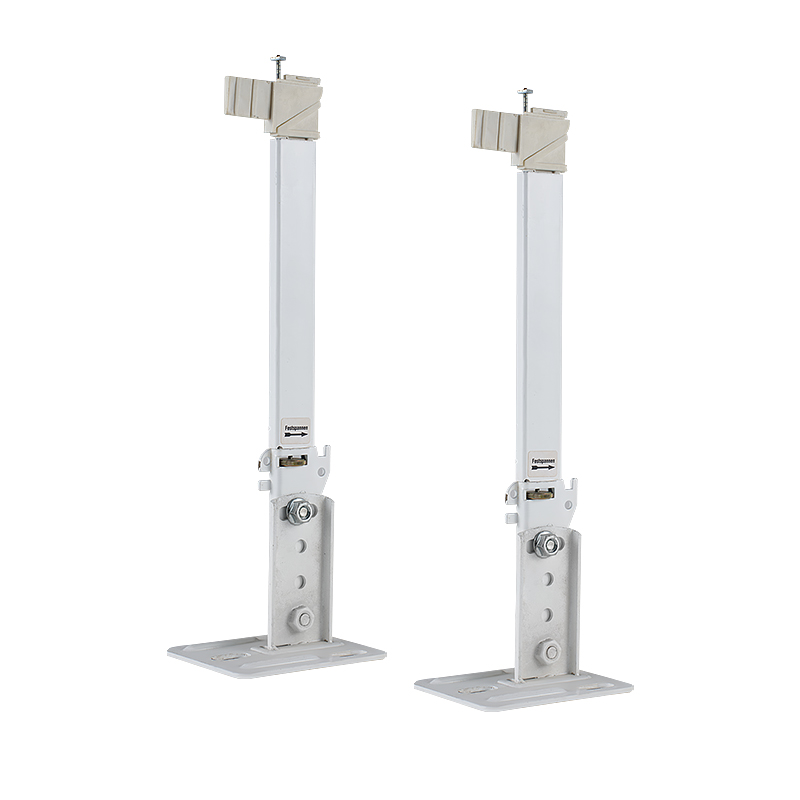
Adapting to Rectangular Layouts
The edges and corners of rectangular shower trays require special attention, as these areas are prone to instability. The support frame is designed to match the tray dimensions and provides targeted reinforcement around the perimeter and underneath the center. This ensures even support in the corners and center of the tray, reducing stress points and the risk of deformation during everyday use.
The leg frame allows installers to adjust individual points of contact to match the tray’s specific design. This flexibility is particularly useful in rectangular layouts, where the longer sides of the tray may otherwise be prone to sagging if not adequately supported.Adjustable Features for Precise Installation
Modern Shower Tray Support Frames include adjustment sliders or mounts that enable precise fine-tuning after initial placement. Installers can shift the tray slightly, level each leg, and accommodate existing plumbing or tile layouts without having to remove the tray entirely. These features save time during installation and reduce the likelihood of errors, especially in renovations where floor conditions or previous constructions may be irregular.
Additionally, the adjustability allows the frame to accommodate different tray materials, from steel to acrylic, without compromising stability. Each type of material responds differently to weight distribution, and the ability to customize support ensures that trays remain flat and properly aligned.Benefits for Installers and Homeowners
For professional installers, using Shower Tray Leg Frame and Shower Tray Support Frame systems reduces on-site challenges and creates a more predictable workflow. It eliminates the need for temporary shims or improvised supports and provides a structured installation guide that ensures consistent results across multiple projects.
Homeowners also benefit from enhanced safety and practicality. The well-supported rectangular tray reduces movement underfoot, reducing the risk of damage or leaks. Over time, this stability contributes to the longevity of the shower tray and maintains its alignment with surrounding tiles or bathroom fixtures.
The combination of leg and support frames provides a practical and adaptable solution for rectangular shower tray installations. By addressing common sources of instability and enabling precise adjustments, these systems make the installation process more efficient while safeguarding the tray’s performance and durability.
For more information, please contact +86-576-87425996. -
Universal Floor-Standing Radiator Brackets: Built to Support, Designed to Last
Sep 24, 2025
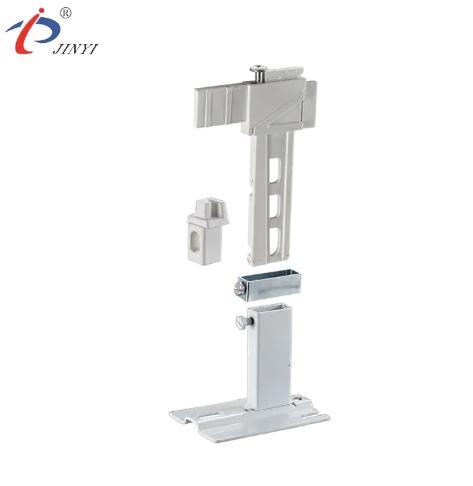
Looking for a flexible and sturdy solution to support radiators without relying on wall mounts? JINYI’s Universal 200mm–900mm Steel Radiator Floor-Standing Brackets are the answer trusted by professionals across the heating industry.
Engineered for strength and designed for convenience, these adjustable-height brackets offer excellent floor support for panel radiators, column radiators, or installations where wall-mounting isn’t ideal—such as glass walls, lightweight partitions, or heritage buildings.
Why Choose JINYI Radiator Floor Brackets?
Adjustable Height (200mm–900mm) – Perfect fit for various radiator models and installation environments
Heavy-Duty Steel Construction – Provides unmatched strength and long-term durability
Universal Fit – Works with a wide range of radiator types
Stable & Safe – Offers maximum stability, even on uneven floors
Quick Installation – Saves labor time and improves installation efficiency
Whether you're fitting a modern underfloor heating system or retrofitting a traditional one, JINYI’s floor brackets offer the flexibility and security you need.
As a leading manufacturer with 20+ years in OEM hardware solutions, Yuhuan Jinyi Hardware Co., Ltd. delivers quality you can depend on—and innovation you can trust. For more information, please visit: https://www.yh-jinyi.com/
-
Shower Tray Support Frame: Where To Use It In Renovations?
Sep 19, 2025
Renovating a bathroom often involves careful planning and attention to detail, especially when installing ultra-flat or super-flat shower trays. Proper support is crucial to ensure long-term stability and functionality. This is where solutions from Yuhuan JINYI Hardware Co.,Ltd., such as their Shower Tray Leg Frame and Shower Tray Support Frame, play a central role—offering a structured foundation that simplifies installation and prevents common issues associated with uneven floors or improper tray positioning.
Supporting Different Shower Tray Designs
One of the main advantages of using a Shower Tray Support Frame is its compatibility with various tray designs, including square and rectangular shapes. Bathroom renovations often introduce new layouts or materials, and the support frame adapts to these changes, providing a consistent base for the tray. By distributing weight evenly and maintaining a level surface, the frame reduces the risk of wobbling or uneven wear over time, which can otherwise cause maintenance challenges or discomfort during use.
Shower Tray Leg Frames contribute further by allowing individual height adjustments for each support leg. This feature is particularly valuable when floors are not perfectly level, a common situation in older homes or during structural modifications. The combination of a support frame with adjustable legs ensures that the tray remains stable and aligned, preventing water pooling and promoting proper drainage.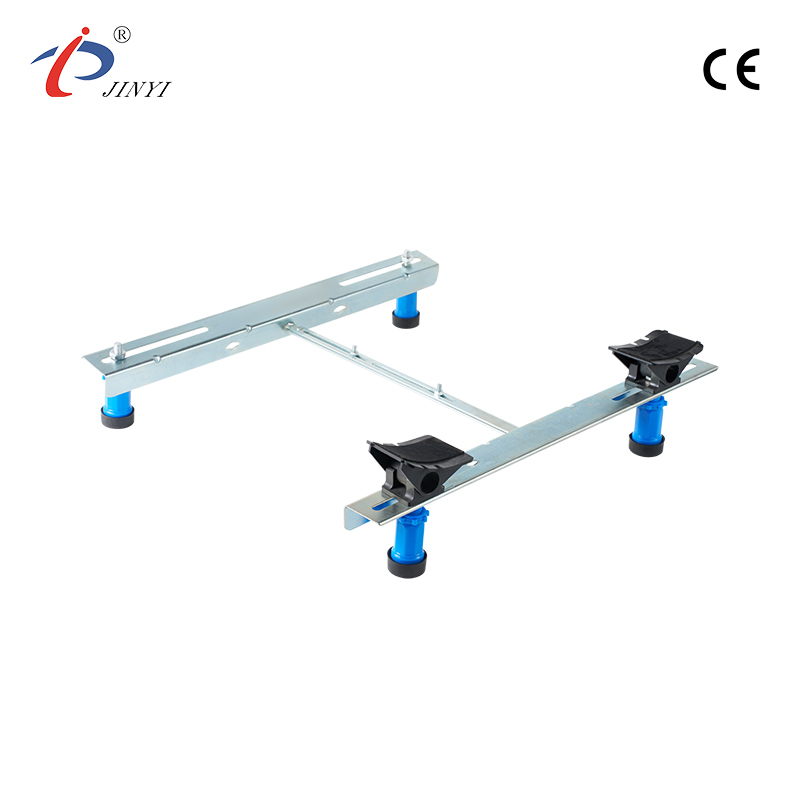
Ideal Placement in Renovation Projects
Identifying the placement for a Shower Tray Support Frame can significantly improve installation efficiency and tray performance. Typically, the frame should be positioned directly beneath the tray footprint, with legs arranged according to the manufacturer’s guidelines. Careful positioning ensures that the tray’s edges and center are adequately supported, which is crucial for ultra-flat designs where even minor unevenness can affect the tray’s appearance and function.
Using the frame in conjunction with standard plumbing layouts can also simplify installation. The design allows installers to accommodate drain positions, pipe connections, and surrounding cabinetry without compromising stability. This adaptability is especially beneficial in renovations where existing infrastructure may not perfectly align with the new tray.Adjustable Features for Custom Installations
Modern Shower Tray Support Frames often include sliders or adjustable mounts that allow precise modification of tray height and orientation after initial placement. This feature is useful when working with uneven subfloors, as it enables fine-tuning without dismantling the entire setup. Adjustable legs also make it easier to align the tray with surrounding surfaces, such as tiles or shower panels, enhancing both functionality and aesthetics.
The adjustability of these frames also supports multiple tray materials, including steel and acrylic, ensuring that different tray types can be installed securely. By reducing the need for temporary shims or improvised supports, these frames simplify the installation process and create a more predictable workflow for both professional installers and DIY enthusiasts.Practical Benefits During Renovations
For homeowners, a properly installed tray with support brackets ensures a safe and comfortable shower experience. The tray's stability reduces wobbling underfoot and prevents potential damage from uneven weight distribution. For contractors, using support brackets simplifies the installation process, reduces adjustment time, and reduces errors that could cause rework or repairs.
Incorporating Shower Tray Leg Frame and Shower Tray Support Frame systems into renovation projects also promotes consistency across different bathrooms or multiple installations within the same property. The structured support ensures that each tray sits correctly and maintains alignment with surrounding elements, contributing to a cleaner, more professional finish.
Shower Tray Support Frames offer a practical solution for positioning and stabilizing shower trays during renovations. Their adjustable features, compatibility with various tray designs, and ability to accommodate uneven floors make them a valuable component for creating secure and functional bathroom installations.
For further inquiries, please contact +86-576-87425996. -
The Smart Way to Install Acrylic Bathtubs - ADS System Self-Adhesive Adjustable Leg Sets
Sep 17, 2025
Speed matters on the job site. And so does reliability. That’s why more installers are switching to our ADS System (Anti-rotation and soundproofing system) Self-Adhesive Adjustable Bath Leg Sets - the smarter, faster way to mount acrylic bathtubs.
With a strong self-adhesive base and adjustable leg height up to 180 mm, this innovative support system combines easy installation with firm, lasting support- no drilling, no complex framing, no wasted time.
Designed for Fast Installs. Built for Stability.
Forget messy sealants or improvised mounting hacks. The ADS leg set comes ready with industrial-grade adhesive backing, allowing for secure placement directly onto the bathtub base. The adjustable legs provide the necessary height flexibility to level your tub effortlessly, even on uneven subfloors.
Whether you’re installing in a home renovation or a multi-unit housing project, this system helps you deliver consistent results — faster.
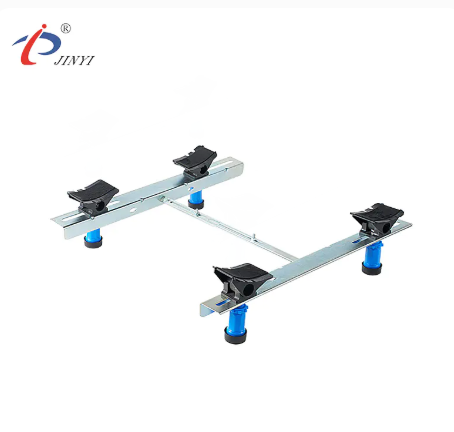
Key Features & Benefits
Self-Adhesive Mounting
Simply peel and stick — no need for extra fasteners or brackets.
Height Adjustable (up to 180 mm)
Get the perfect level every time, even on irregular flooring.
Quick Installation
Reduces labor time and complexity — ideal for high-volume projects.
Sturdy, Lightweight Design
Engineered for acrylic bathtubs, offering solid support without added bulk.
Clean Finish, Less Noise
Supports the tub evenly to reduce creaking or shifting during use.
Perfect for:
Acrylic bathtub manufacturers & OEM kits
Bathroom renovation professionals
Real estate and apartment installations
Sanitary ware importers and distributors
Why Installers Love It
“The adhesive backing is a game-changer. It sticks firmly and saves at least 15-20 minutes per install. Great for multi-unit jobs where time is everything.”
— Installer feedback from a UK housing project
Flexible Supply Options Available
We offer fast shipping for bulk orders, OEM packaging, and custom specifications to match your brand or project needs. Whether you’re serving the local market or exporting globally, we’re ready to support your supply chain.
Fast to install. Strong to support. Smart to choose.
Upgrade your acrylic bathtub installations with the ADS Self-Adhesive Adjustable Leg Set — the future of bathroom fitting starts here.
For more information, please visit: https://www.yh-jinyi.com/


- 210 Jinhai Avenue, Lupu Economic Development Zone, Yuhuan City, Taizhou City, Zhejiang Province.
- +86-576-87423248 / +86-576-87499120
- +86-17769979117 / +86-13750801289
- +86-576-87425996
- [email protected] / [email protected]

