


 русский
 Español
-
When Can a Better Manifold Bracket Make Installation More Efficient?

Sep 11, 2026
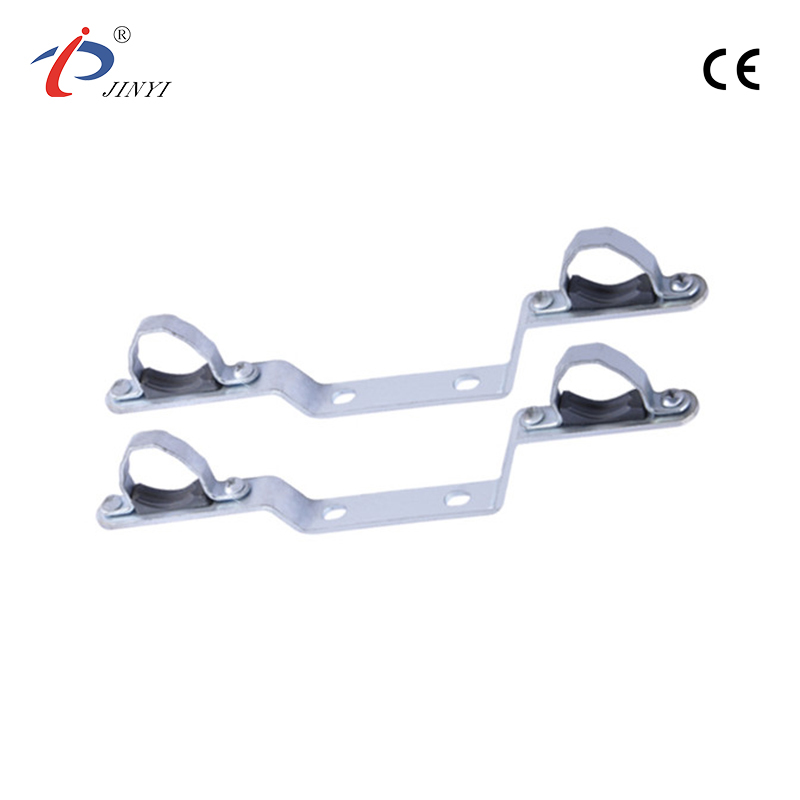
Hydronic manifold installation often involves more than connecting supply and return pipes. Installers also need to position the manifold correctly, secure it against the mounting surface, maintain access to valves and flow controls, and leave enough room for pipe connections. A well-designed Manifold Bracket can simplify these steps by creating a stable mounting point and making the manifold easier to position during installation.
The Installation Sequence Starts With Positioning
Before connecting multiple circuits, installers need to determine where the manifold will sit. The selected location affects pipe routing, cabinet space, accessibility, and the final appearance of the installation.
A dedicated bracket gives the installer a defined mounting position instead of requiring the manifold to be supported through surrounding pipework. This can make the initial layout easier to control, particularly when several circuits need to be connected in a compact area.
Stable Mounting Reduces Unnecessary Adjustment
A manifold carries several connections and control components, so its mounting arrangement needs to provide adequate support for the intended installation. If the assembly shifts during connection work, installers may need to repeatedly adjust pipe alignment or mounting positions.
A properly matched bracket helps keep the manifold stable while the individual circuits are connected. Current radiant manifold systems commonly include or use dedicated mounting brackets as part of the installation arrangement, reflecting the importance of secure positioning in practical hydronic work.
Clearance Should Be Designed Into the Bracket
A bracket does more than hold a manifold against a wall. Its shape and offset can influence the space available around the assembly.
For installers, useful clearance can make it easier to connect tubing, operate valves, read flow meters, and carry out future adjustments. When developing a manifold mounting solution, manufacturers should therefore consider the complete installation rather than focusing only on the fixing points.
Important considerations may include:
- Distance between the manifold and mounting surface
- Clearance around valves and flow meters
- Space required for pipe connections
- Access for tightening mounting hardware
- Position of adjacent pipework
- Available cabinet or wall space
Different Manifolds May Need Different Brackets
Manifolds vary in length, loop quantity, connection arrangement, and overall construction. A bracket designed around one configuration may not provide the same installation flexibility for another.
This is particularly relevant for distributors handling several manifold models. Instead of treating the bracket as a generic accessory, buyers can evaluate whether its dimensions and mounting points correspond with the actual manifold range they intend to supply.
For OEM projects, manufacturers can also review drawings and develop bracket configurations around specific manifold dimensions.
Preassembled Solutions Can Simplify Site Work
Some suppliers now offer manifolds that are already mounted on brackets, reducing the number of separate installation steps required on site. This approach can be useful where contractors want a more predictable installation sequence and fewer loose components to organize.
However, preassembly still needs to match the project. The manifold configuration, bracket position, connection direction, and available installation space should be reviewed before purchasing. A preassembled product is most useful when its configuration corresponds closely with the intended application.
Customization Helps With Difficult Installation Spaces
Standard brackets work well for common applications, but project conditions are not always standard. A manifold may need to fit inside a narrow cabinet, align with a specific wall structure, or accommodate a particular pipe-routing arrangement.
This is where custom manifold bracket manufacturing can provide additional flexibility. Depending on the production capability of the supplier, dimensions, mounting holes, offsets, material, or surface treatment can be adapted to meet project requirements.
For procurement teams, discussing these requirements before mass production can reduce the need for on-site modifications.
Manufacturing Accuracy Matters During Installation
Installation efficiency ultimately depends on whether the bracket produced in the factory matches the approved design. Mounting holes, bends, dimensions, and connection clearances need to remain consistent across production batches.
As a manufacturer, we understand that a bracket is part of a larger hydronic assembly rather than an isolated metal component. Consistent production allows installers to work with predictable mounting positions, while OEM buyers can maintain the same specifications across repeat orders.
A Small Component With a Practical Installation Role
A manifold mounting system should support the complete installation process, from initial positioning to final pipe connection and future maintenance. When stability, clearance, compatibility, and manufacturing consistency are considered together, a Manifold Bracket can help contractors create cleaner and more manageable hydronic installations. For overseas distributors and project buyers, working with a manufacturer capable of supplying both standard and application-specific Manifold Bracket solutions can make product selection easier while supporting more efficient installation across different project environments.
-
OEM Decoupling Tank Manufacturing: A Guide for Private-Label and Custom-Spec Buyers
Sep 11, 2026
Why Brands Move Decoupling Tanks to a Custom-Spec OEM Order
Once a brand's decoupling tank volumes reach a certain point, sourcing a catalogue-standard model stops being the most efficient option. Buyers move to a custom OEM order to control connection sizing for their own installation ecosystem, match body material to a specific market's plumbing code, or simply put their own branding and documentation on a product their customers already trust the rest of the catalogue for.
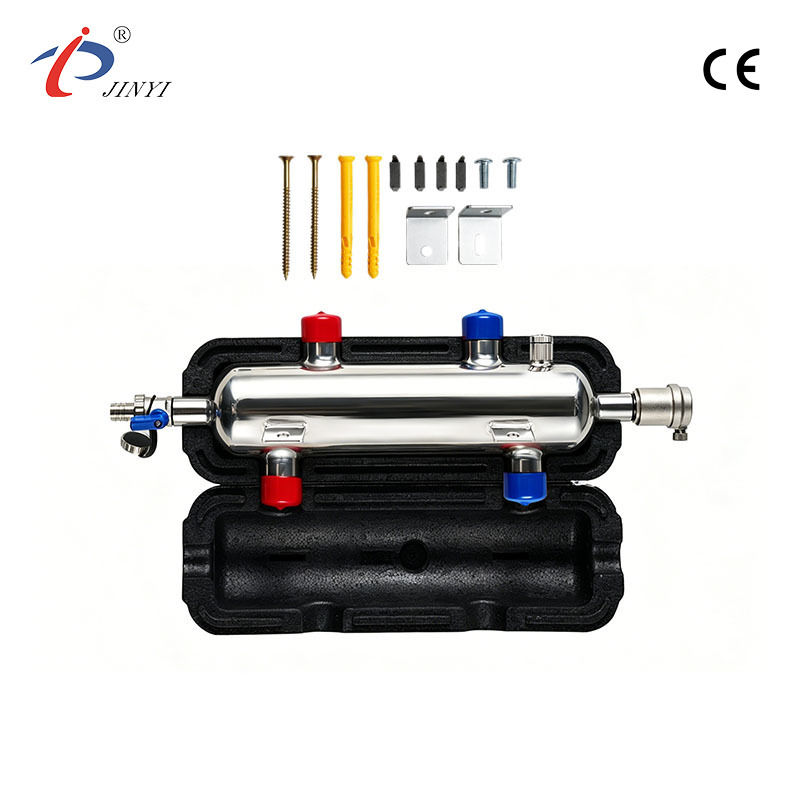
Because a decoupling tank is a relatively simple pressure vessel geometry compared to, say, a pump or valve actuator, tooling and mold costs for custom connection sizes or mounting brackets are typically lower than for more complex hydronic components — making it a practical first product to bring in-house under a private label.
What to Confirm With a Factory Before Committing to Custom Tooling
- In-house manufacturing scope: whether the tank body, connections, and any integrated air/dirt separation are produced in-house or subcontracted, which affects both cost and quality consistency at scale.
- Sample and tooling lead time: how long from approved drawing to first production sample, and whether tooling costs are amortized into unit pricing at volume.
- Branding and packaging: capability to apply your logo to the tank body or nameplate, plus custom retail or bulk packaging and documentation (manuals, certificates) in your brand language.
- Material and pressure-rating flexibility: confirm the factory can adjust wetted materials and pressure ratings to match your target market's codes without a full new tooling cycle.
- Existing production range: a factory already producing related hardware — clamps, manifold brackets, valves — under OEM terms suggests established private-label processes rather than a one-off accommodation.
How Jinyi Supports Custom and OEM Programs
Yuhuan JINYI Hardware Co., Ltd. has operated as a manufacturer — not a trading intermediary — since 1995, producing its own line of clamps, radiator brackets, floor drains, manifolds, valves, and decoupling tanks, with some designs under patent. That in-house scope is what allows the factory to offer customized design and production services for OEM and private-label buyers, rather than being limited to reselling a fixed catalogue.
Frequently Asked Questions
Does Jinyi manufacture decoupling tanks in-house or import components?
Jinyi manufactures its hardware lines, including decoupling tanks, in-house at its Zhejiang Province facility.
Can connection sizes be changed for our OEM specification?
Yes — custom connection sizes, body materials, and mounting configurations can be developed for OEM and private-label orders.
Is private-label branding available on the tank body and packaging?
Yes — branding, nameplates, and custom documentation can be arranged for qualifying OEM order volumes.
Submit your OEM drawing or specification for a custom quotation via the Decoupling Tank product page.
-
Specifying Hydraulic Separators in HVAC Design: A Consultant's Reference
Sep 04, 2026
Where the Hydraulic Separator Sits in the Design Sequence
For MEP consultants, the hydraulic separator (decoupling tank) is typically one of the last major plant-room components locked into the schedule, because its size depends on decisions made earlier — primary loop flow rate, number of secondary pumping zones, and whether variable-primary-flow or constant-primary-flow strategy is used. Specifying it too early, before zone loads are finalized, is a common cause of later plant-room layout changes.
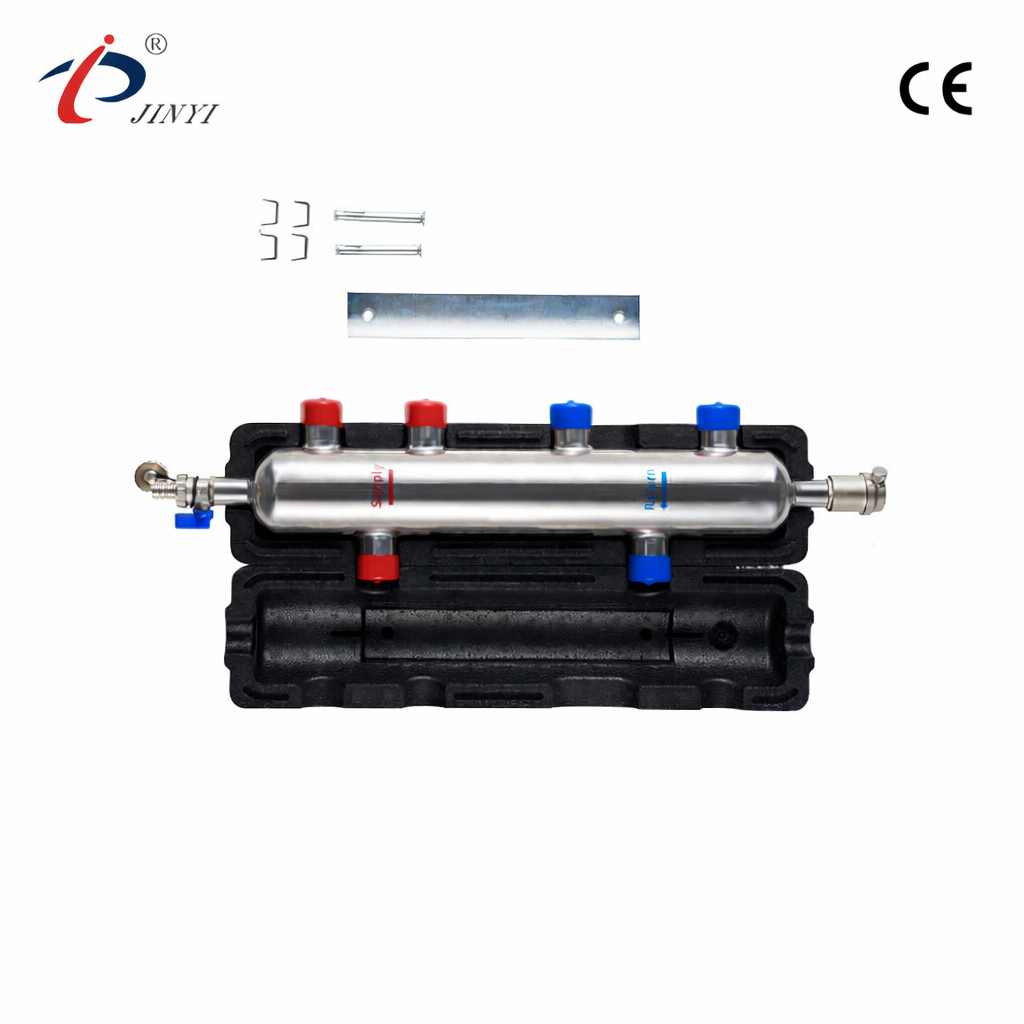
Once primary flow is confirmed, the separator's function in the design is straightforward to document: it decouples primary and secondary circuits so that each can be designed, controlled, and balanced independently, which in turn simplifies the control sequence written into the BMS specification.
Items Typically Included in the Schedule
- Design flow rate and connection size, sized to the primary circuit's peak demand.
- Body material and pressure rating, matched to the primary plant's operating conditions.
- Connection type (flanged/threaded) consistent with adjoining pipework specified elsewhere in the document.
- Integrated features required, such as air venting or dirt separation, if a combined-function unit is intended to replace separate air/dirt separators.
- Insulation requirement, where the separator is located in a conditioned or unconditioned plant space.
Coordination Notes for the Plant Room Layout
Because the tank must sit between the primary and secondary pump sets, its physical footprint and connection orientation should be coordinated with the plant room layout drawing before pump schedules are finalized — moving a separator after pump curves are selected often forces a re-check of NPSH and pipe routing. Consultants working with a manufacturer that also produces manifold brackets, valves, and clamps for the same plant room can sometimes reduce coordination overhead by specifying compatible connection hardware from one source.
Frequently Asked Questions
At what stage of design should the hydraulic separator be sized?
After primary loop flow rate and secondary zone pump configuration are finalized, to avoid resizing later in the plant-room layout.
Does specifying a hydraulic separator remove the need for separate air and dirt separators?
Not always — this depends on whether the selected unit includes integrated air-venting and dirt-separation features; check the manufacturer's model specification.
Can connection sizes and materials be customized to match an existing pipework specification?
Yes — manufacturers such as Jinyi can produce tanks to custom connection sizes and body materials for project-specific specifications.
Request technical drawings and a specification data sheet for the JY series via the Decoupling Tank product page.
-
Could Better Manifold Mounting Make Hydronic Installation Easier?
Sep 04, 2026
Yuhuan JINYI Hardware Co.,Ltd.
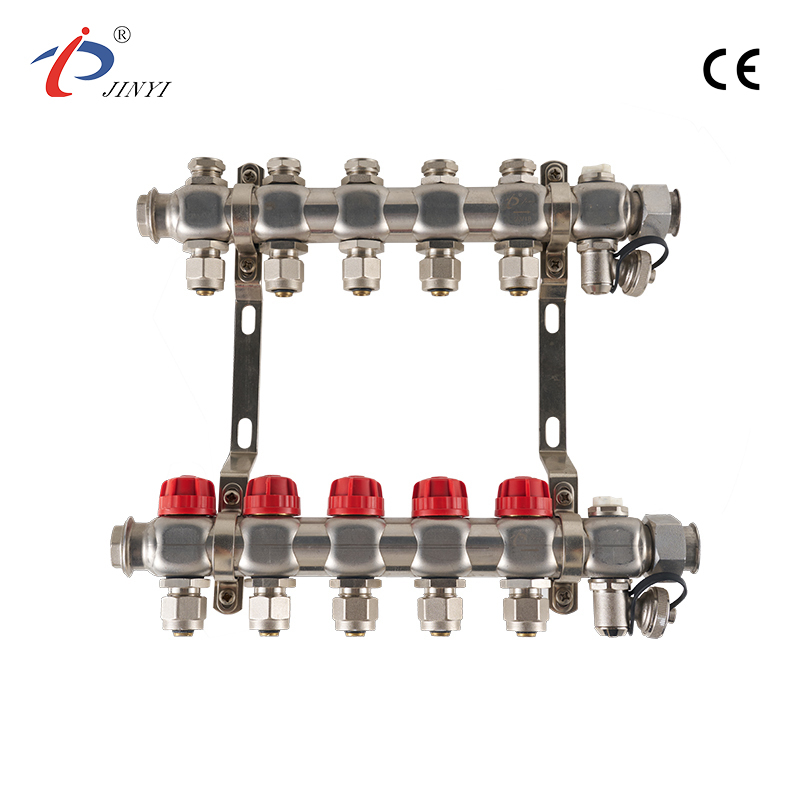
In a hydronic heating project, the manifold is responsible for distributing water between multiple circuits, but its installation environment can be just as important as the manifold itself. Limited cabinet space, complicated pipe routing, and difficult access can create unnecessary work for installers. A properly designed Manifold Bracket provides a practical way to secure the manifold, maintain alignment, and organize the installation without turning the mounting stage into a separate engineering problem.
Installation Space Should Be Planned Before the Manifold Arrives
Manifolds are often installed inside cabinets, plant rooms, service areas, or wall-mounted enclosures where available space is limited. If the bracket position is considered only after the pipework has been planned, installers may have to adjust the surrounding layout to accommodate the manifold.
A better approach is to consider the manifold, bracket, pipe connections, and service clearance as one installation area. The mounting position should leave enough room for connection work and future inspection while avoiding unnecessary interference with nearby pipes or building structures.
Stable Support Helps Keep the Assembly Organized
A manifold carries multiple pipe connections, valves, and fittings, so stable support is important during installation and operation. The bracket provides a defined mounting point that helps keep the manifold in its intended position rather than relying on the connected pipework to support the assembly.
For installers, this can make connection work more manageable. A properly positioned support also helps maintain a cleaner pipe layout, particularly where several circuits leave the manifold in different directions.
Alignment Matters More Than It Appears
A manifold that is mounted unevenly can make the surrounding pipework more difficult to organize. Connection points may no longer align naturally with the planned routing, increasing the need for adjustments during installation.
For this reason, bracket design should take the manifold's geometry into account. Offset structures, mounting holes, bracket spacing, and connection clearance can all influence how easily the finished assembly fits into the available space. Current manifold mounting products on the market also use offset bracket configurations specifically to improve installation flexibility.
Bracket Selection Should Follow the Manifold Design
Not every bracket is suitable for every manifold. The mounting interface, dimensions, weight, material, and connection arrangement should be considered before procurement.
For engineering and purchasing teams, useful questions include:
- Is the bracket designed for the specific manifold configuration?
- Are the mounting points compatible with the manifold?
- Is there sufficient clearance for pipe connections?
- Can the bracket be installed on the intended wall or support structure?
- Does the design allow convenient access after installation?
- Are the bracket dimensions consistent across repeat orders?
Confirming these details before shipment can help reduce installation changes at the job site.
Accessibility Is Part of the Installation Strategy
A manifold may require adjustment, inspection, or replacement during the service life of a heating system. If it is installed in an extremely confined position, even routine work can become inconvenient.
Recent installation guidance for hydronic manifolds also emphasizes selecting suitable locations, maintaining access, and securing the manifold properly. A bracket therefore should not be viewed only as a fixing accessory. Its dimensions and mounting arrangement can influence how accessible the complete manifold assembly remains after installation.
Custom Brackets Can Solve Project-Specific Problems
Standard brackets are suitable for many applications, but commercial projects and private-label product ranges may require different mounting dimensions or configurations. Cabinet depth, manifold size, connection direction, and available wall space can vary between projects.
From a manufacturer's perspective, custom development becomes useful when the standard bracket creates unnecessary compromises. By reviewing drawings and application requirements, manufacturers can adjust dimensions, mounting positions, material choices, or surface treatments according to the project specification.
This approach can also help distributors develop a bracket range that corresponds more closely with the manifolds they already supply.
Manufacturing Quality Supports Repeatable Installation
A bracket may be a relatively small component, but dimensional consistency matters when it is supplied as part of a larger installation system. Inaccurate mounting holes, inconsistent bends, or variations between production batches can create fitting problems for contractors.
As a manufacturer, we focus on maintaining consistent dimensions and controlled production so that approved bracket designs can be reproduced for repeat orders. For OEM buyers, this consistency is particularly useful when the same manifold and mounting system are supplied across multiple projects.
A Better Mounting Detail Can Improve the Whole Installation
Manifold installation involves more than connecting pipes. The position, support, alignment, and accessibility of the assembly can affect how efficiently the surrounding hydronic system is installed and maintained. Choosing a suitable Manifold Bracket early in the project allows engineers, contractors, and procurement teams to coordinate these details before they become site problems. For manufacturers serving international HVAC markets, combining accurate production with application-specific bracket development can give buyers a more practical solution for organized, repeatable manifold installation.
-
Decoupling Tanks in Industrial Process Systems: A Procurement Engineer's Specification Guide
Aug 28, 2026
Why Process Engineers Specify a Decoupling Tank Instead of Relying on Pipe Sizing Alone
In process plants, pressure variation is rarely a one-off event — it is a recurring operating condition driven by thermal expansion, pump staging, and demand swings between primary and secondary circuits. Relying on pipe sizing or relief valves alone shifts the burden onto components that were not designed to absorb repeated pressure cycling. A decoupling tank is instead purpose-built as a buffer zone, hydraulically isolating the primary circuit — typically the heat source, chiller, or feed line — from the secondary circuit that serves distribution, dosing, or filtration equipment.
This isolation lets each circuit be controlled to its own setpoint without one side's flow changes propagating instability into the other, which matters most in plants where pumps, valves, and heat exchangers are already running close to their design limits.
Where the Buffering Function Matters Most
- HVAC plant rooms: isolates chiller/boiler primary flow from variable secondary zone demand, protecting compressors and burners from short-cycling.
- Chemical processing: shields reactors and heat exchangers from pressure transients caused by batch-process flow changes.
- Oil & gas piping: dampens pressure spikes from valve actuation and flow-rate shifts, reducing stress on downstream fittings.
- Water treatment: balances pressure between filtration and pumping stages, protecting membranes and pump seals from spikes.
Specification and Installation Checklist for Procurement
Before issuing a purchase order, procurement teams typically confirm: correct sizing against the primary circuit's peak flow rate (not the average), wetted-material compatibility with the process fluid, connection standard (flanged, threaded, or welded) matching existing plant piping, and placement between primary and secondary circuits as specified by the mechanical engineer of record. Undersized tanks fail to buffer pressure effectively; oversized units add unnecessary footprint and cost without improving performance.
Frequently Asked Questions
Where exactly should a decoupling tank be installed in a plant?
Between the primary circuit (heat source, chiller, or feed line) and the secondary distribution circuit, so each can be controlled independently.
Does tank size scale with the number of secondary zones?
No — sizing is driven primarily by the primary circuit's peak flow rate and required buffer volume, not the zone count on the secondary side.
Can decoupling tanks be built in materials other than standard steel for corrosive process fluids?
Yes — wetted-part material (including stainless steel) can be specified to match process fluid compatibility requirements.
Send your flow rate, pressure rating, and fluid compatibility requirements for a technical sizing response via the Decoupling Tank product page.
-
Why Are Automotive Manufacturers Paying More Attention to High-Quality Radiator Brackets?
Aug 28, 2026
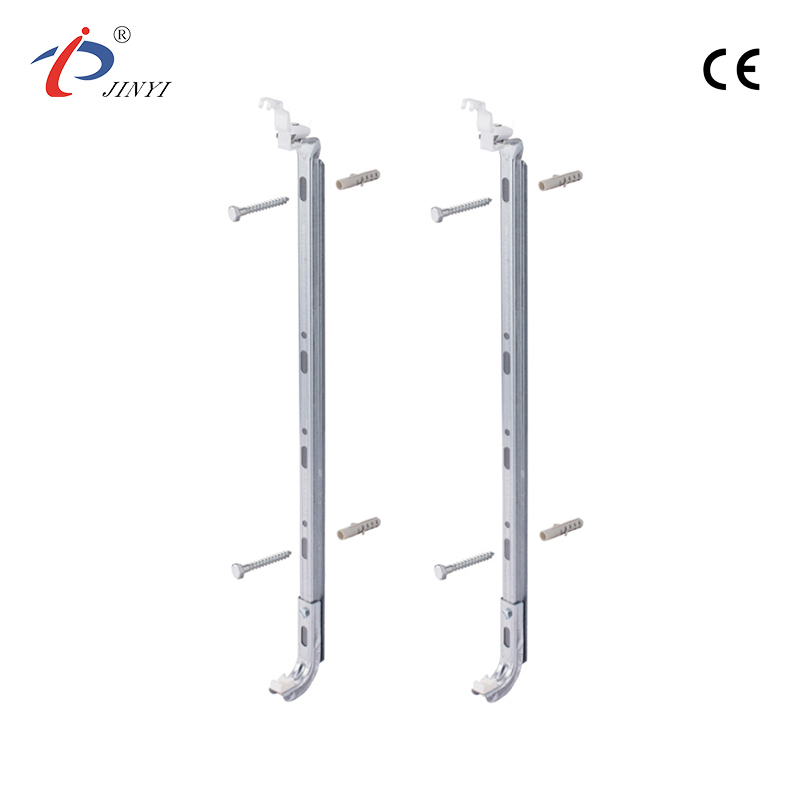
The automotive industry is continuously improving vehicle efficiency, durability, and thermal management performance. As vehicle structures become more compact and advanced, every supporting component plays an important role in maintaining system reliability. For automotive manufacturers, engineering companies, and parts distributors, choosing suitable mounting components has become an important consideration during vehicle development and maintenance. A properly designed Radiator Bracket provides stable support for radiator systems while helping reduce vibration, improve installation accuracy, and maintain long-term performance. As a professional automotive component manufacturer, we focus on developing reliable bracket solutions with precise manufacturing processes, quality materials, and customization capabilities to support global automotive customers.
The Growing Importance of Reliable Radiator Support Components
The radiator is a key part of vehicle cooling systems, and its stable installation directly affects overall thermal management performance. Although radiator brackets are relatively small components, they are responsible for maintaining proper positioning and supporting the radiator assembly under different driving conditions.
Automotive buyers and engineers are increasingly considering:
- Structural stability
- Material strength
- Vibration resistance
- Accurate installation compatibility
For vehicle manufacturers and aftermarket suppliers, selecting dependable mounting components helps improve system reliability and reduce potential installation concerns.
Solving Common Challenges in Radiator Installation
During vehicle assembly and maintenance, radiator mounting systems may face different challenges caused by vibration, space limitations, and changing operating environments.
Common concerns include:
- Incorrect positioning during installation
- Insufficient support strength
- Material fatigue after long-term use
- Compatibility issues with different vehicle designs
Professional manufacturers address these challenges through engineering optimization, accurate production processes, and application-focused design.
Material Selection Influences Bracket Performance
The material used for a radiator bracket directly affects its strength, weight, and durability. Automotive applications require components that can maintain stable performance while meeting vehicle design requirements.
Manufacturers usually evaluate:
- Material mechanical properties
- Corrosion resistance
- Weight considerations
- Processing suitability
By selecting appropriate materials and applying controlled manufacturing methods, suppliers can create brackets suitable for different automotive applications.
Precision Manufacturing Supports Better Vehicle Assembly
For global automotive buyers, production accuracy is an important factor when choosing a component supplier. A bracket with precise dimensions helps improve assembly efficiency and ensures better compatibility with related vehicle parts.
A professional manufacturing process includes:
- Raw material inspection
- Precision forming and machining
- Dimensional inspection
- Surface quality evaluation
These procedures help maintain consistent product quality and support stable supply for automotive projects.
Custom Development for Different Automotive Requirements
Different vehicle models and cooling system designs may require customized bracket solutions. Flexible manufacturing capability allows suppliers to support customers with specific engineering requirements.
Customization services may include:
- Customized dimensions based on vehicle design
- Different material options
- Surface treatment solutions
- OEM production support
This flexibility allows automotive companies and distributors to develop products that better match their target applications.
Supporting Modern Vehicle Engineering Needs
As automotive technology continues to evolve, component suppliers need to understand changing requirements from vehicle manufacturers and engineers. Modern brackets must provide reliable support while fitting into increasingly complex vehicle structures.
A well-designed radiator bracket can contribute to:
- Improved installation efficiency
- Better component positioning
- Reduced assembly difficulties
- More reliable vehicle operation
For engineering teams, working with experienced suppliers can simplify development processes and improve project coordination.
Choosing an Experienced Automotive Component Partner
For international buyers, supplier selection involves evaluating manufacturing experience, quality control systems, and technical support capabilities. A reliable partner should provide consistent products and professional cooperation throughout the project.
A trusted manufacturer should offer:
- Automotive component production experience
- Stable quality management
- Flexible OEM and customization services
- Professional technical communication
With strong manufacturing expertise and customer-focused solutions, a reliable Radiator Bracket supplier helps automotive brands, distributors, and engineering companies develop dependable cooling system support components. By combining precise production, suitable materials, and customized manufacturing services, we support global partners in meeting the evolving requirements of modern automotive applications.
-
Sourcing Decoupling Tanks Wholesale: A Buyer's Checklist for Distributors and Importers
Aug 21, 2026
Why Decoupling Tanks Are Becoming a Regular Wholesale Line Item
Distributors stocking HVAC and plumbing hardware are seeing steadier repeat orders for decoupling tanks as multi-zone heating and hydronic cooling installations become standard in both new-build and renovation projects. Unlike seasonal items, demand for hydraulic separators tracks commercial construction and boiler-replacement cycles, which makes it a comparatively stable SKU to add to a plumbing or HVAC hardware catalogue.
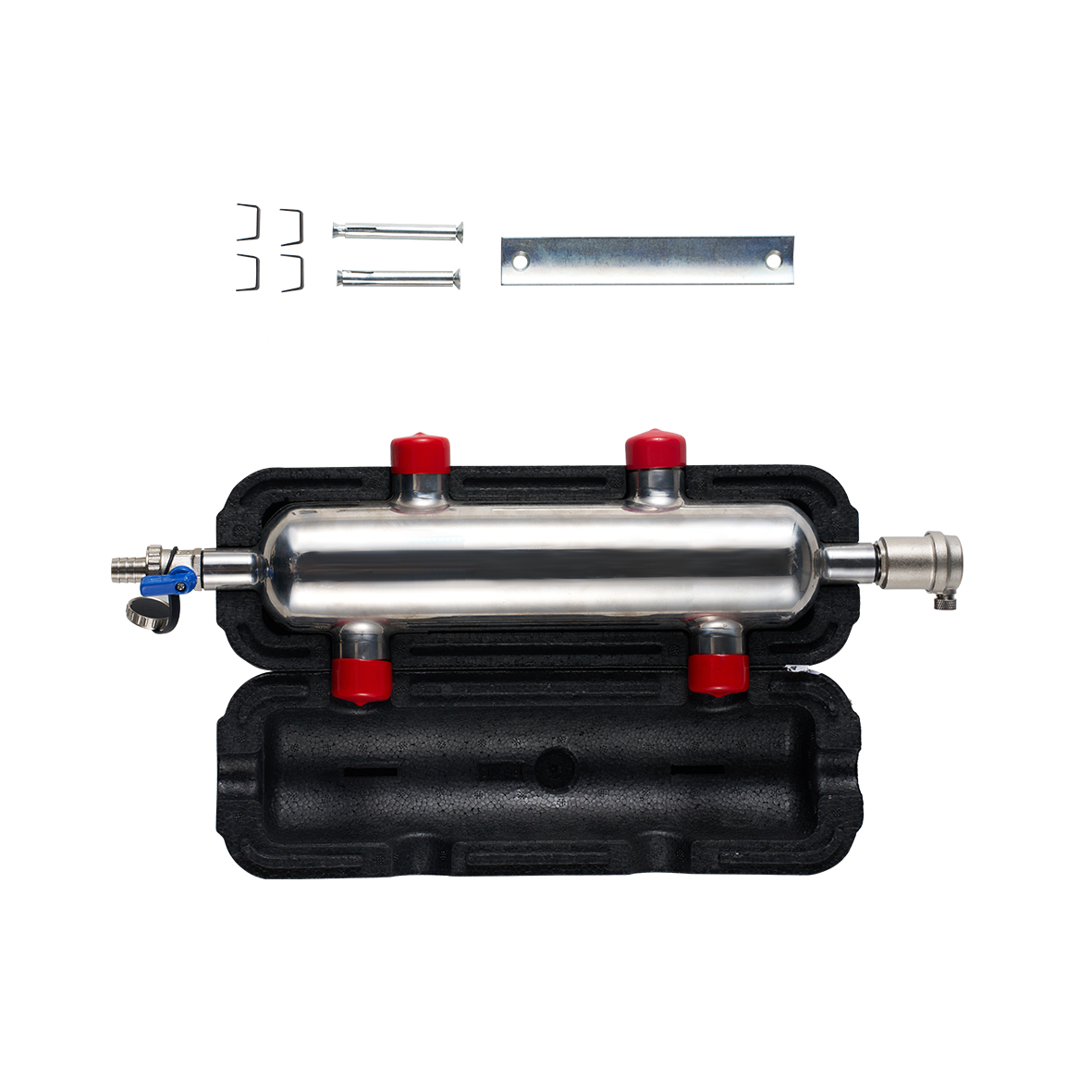
Because the product sits alongside clamps, manifold brackets, floor drains, and valves in a typical plant-room bill of materials, wholesalers already carrying those lines can often add decoupling tanks with minimal new supplier onboarding — provided the factory can produce the full range under one roof.
What to Check Before Placing a Bulk Order
- Manufacturing scope: confirm the factory actually produces the tank body, not just assembles imported components — this affects lead time consistency at volume.
- Material traceability: steel, brass, or stainless-steel wetted parts should be documented, especially for buyers re-exporting to markets with plumbing-material regulations.
- MOQ and tiered pricing: ask for pricing breaks at container-load quantities versus mixed-pallet trial orders.
- Private-label readiness: check whether the supplier can apply your brand markings, packaging, and documentation without a large tooling fee.
- Certifications and test reports: pressure rating and quality certificates should be available per batch, not only per product line.
Why Jinyi Fits a Multi-Line Wholesale Order
Yuhuan JINYI Hardware Co., Ltd. has manufactured plumbing and heating hardware since 1995 from its facility in Zhejiang Province, producing pipe clamps, radiator brackets, floor drains, stainless steel manifolds and manifold brackets, valves, and decoupling tanks under the same roof. For a distributor building or expanding an HVAC/plumbing hardware line, that range means decoupling tanks can be combined with other frequently co-ordered items — brackets, clamps, valves — into a single container shipment, reducing per-unit freight cost.
Frequently Asked Questions
What is a typical MOQ for wholesale decoupling tank orders?
MOQs vary by tank size and body material; Jinyi can quote both trial-order and container-load pricing tiers on request.
Can the factory produce under our own brand?
Yes — private-label body markings, packaging, and documentation can be arranged for qualifying order volumes.
Can decoupling tanks be shipped in the same container as other hardware lines?
Yes — since Jinyi manufactures clamps, brackets, valves, and manifolds alongside decoupling tanks, mixed-product container consolidation is routinely available.
Request a wholesale price list and MOQ breakdown for the JY-6001–JY-6005 series via the Decoupling Tank product page.
-
How Does a Reliable Hardware Manufacturer Create Better Radiator Bracket Solutions for Global Customers?
Aug 21, 2026
The demand for reliable metal components is increasing across automotive, construction, and industrial sectors as companies seek suppliers with stronger manufacturing capabilities and flexible production support. For international buyers, selecting a hardware partner is not only about purchasing a single component but also about ensuring stable quality, efficient communication, and long-term supply reliability. Small structural parts often require careful engineering because their performance can directly influence installation accuracy and overall system stability. As a comprehensive hardware manufacturer, Yuhuan JINYI Hardware Co., Ltd. specializes in designing and producing high-quality Radiator Bracket solutions by combining material expertise, production experience, and customized manufacturing services for customers worldwide.

Small Components Require Professional Manufacturing Attention
In many mechanical and industrial applications, brackets serve as important connecting and supporting elements. A radiator bracket needs to maintain proper positioning while handling vibration, environmental changes, and repeated use conditions.
For purchasing teams and engineers, important product factors include:
- Accurate manufacturing dimensions
- Reliable structural design
- Suitable material selection
- Stable performance across production batches
A professional manufacturer understands that even small differences in component quality can influence assembly efficiency and customer satisfaction.
Combining Material Knowledge With Practical Applications
Different industries have different expectations for hardware components. The right material choice helps ensure that products achieve a balance between strength, durability, and processing efficiency.
Yuhuan JINYI Hardware Co., Ltd. has experience working with various materials, including:
- Steel for applications requiring strong mechanical support
- Stainless steel for environments with higher corrosion resistance requirements
- Aluminum for lightweight component designs
- Brass for specialized hardware applications
This diverse material capability enables us to develop solutions according to specific customer needs rather than relying on one standard approach.
Engineering Support Improves Product Development Efficiency
For overseas customers, product development often involves communication between designers, engineers, and manufacturers. A supplier with technical understanding can help improve project efficiency.
During development, manufacturers need to consider:
- Product structure and installation requirements
- Manufacturing feasibility
- Material characteristics
- Final application environment
With experience in hardware design and production, Yuhuan JINYI Hardware Co., Ltd. supports customers from initial concepts to finished products.
Production Control Ensures Consistent Hardware Quality
Stable quality is one of the most important concerns for global buyers. Whether customers need small batches or continuous supply, consistent manufacturing processes are essential.
A professional production system includes:
- Raw material inspection
- Manufacturing process management
- Product appearance checking
- Dimensional accuracy evaluation
Through systematic quality control, manufacturers can provide products that meet customer expectations and support reliable supply chains.
Customized Manufacturing Meets Different Market Requirements
Global customers often face different application requirements depending on regional markets, product designs, and industry standards. Flexible customization capability allows manufacturers to provide more suitable solutions.
Customized services may include:
- Adjusted product dimensions based on customer drawings
- Different material and finishing choices
- Structural modifications for specific applications
- OEM production and packaging assistance
This approach helps distributors, engineering companies, and brands develop products that fit their market positioning.
A Comprehensive Hardware Partner Offers More Value
Many international buyers prefer working with manufacturers that can provide multiple hardware categories and integrated production capabilities. This reduces sourcing complexity and creates better cooperation efficiency.
Yuhuan JINYI Hardware Co., Ltd. is a comprehensive manufacturer specializing in hardware product design, development, production, and sales. Our product range includes building pipe clamps, radiator brackets, floor drains, stainless steel manifold brackets, decoupling tanks, valves, shower tray feet, and water meter brackets.
With manufacturing experience across steel, brass, stainless steel, and aluminum products, we provide diversified solutions for different industries. Some products have obtained patents, reflecting our commitment to continuous improvement and innovation.
Building Long-Term Cooperation Through Manufacturing Strength
Choosing the right supplier is an important decision for overseas buyers who require dependable products and professional support. A capable manufacturer should provide not only production capacity but also engineering cooperation, customization flexibility, and quality assurance.
With comprehensive manufacturing expertise, Yuhuan JINYI Hardware Co., Ltd. delivers reliable Radiator Bracket solutions for customers in automotive and industrial fields. By combining advanced production experience, diverse material capabilities, and customer-focused service, we continue helping global partners develop durable hardware products that meet modern application requirements.
-
Wholesale Radiator Bracket Manufacturer: Why Distributors Choose Jinyi
Aug 14, 2026
For heating equipment distributors and importers, finding a wholesale radiator bracket manufacturer that can guarantee consistent quality across large order volumes is one of the biggest sourcing challenges. Small dimensional variations between batches can cause installation problems on-site, which is why buyers increasingly look for factories with strict incoming-material inspection and stable production control.
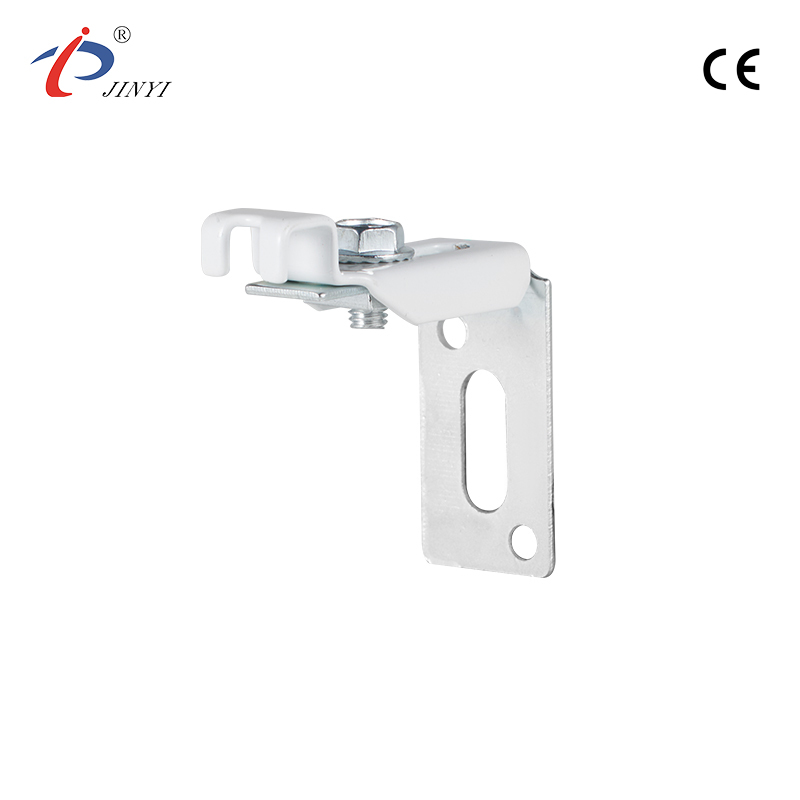
Yuhuan JINYI Hardware Co., Ltd., founded in 1995 in Zhejiang Province, China, has built its radiator bracket factory around exactly this need. Every batch goes through supplier auditing, material testing, and process control, so dimensions and load performance stay consistent order after order — a critical requirement for wholesalers reselling across multiple markets.
As a radiator bracket supplier, Jinyi produces brackets in steel, stainless steel, brass, and aluminum, giving distributors flexibility depending on target price point and corrosion requirements. Because the factory also manufactures related plumbing and heating hardware — pipe clamps, manifold brackets, water meter brackets — buyers can consolidate multiple product lines into a single container shipment and reduce freight cost per unit.
Ensuring Consistent Quality for Large-Scale Radiator Bracket Orders
For international buyers, product consistency is one of the most important factors when selecting a long-term manufacturing partner. In radiator heating projects, even small differences in bracket dimensions or material performance may affect installation efficiency and customer satisfaction.
A professional radiator bracket manufacturer needs to establish reliable quality management throughout the production process, from raw material selection and supplier evaluation to manufacturing control and final inspection. These procedures help ensure that every batch meets expected standards and supports stable distribution in different markets.
Flexible Material Options Support Different Market Requirements
Different regions and applications may have different expectations for radiator bracket performance. Factors such as installation environment, corrosion resistance, product positioning, and cost control all influence material selection.
By offering radiator brackets manufactured from steel, stainless steel, brass, and aluminum, Yuhuan JINYI Hardware Co., Ltd. provides flexible solutions for distributors and importers who need products suitable for various market segments.
This material flexibility allows buyers to select products that better match their customers’ requirements while maintaining reliable performance in heating system applications.
Supporting Efficient Procurement Through Product Integration
For wholesalers and importers, supply chain efficiency is becoming increasingly important. Working with a manufacturer that provides multiple related products can simplify purchasing procedures and improve logistics management.
In addition to radiator brackets, Jinyi also manufactures related plumbing and heating hardware, including pipe clamps, manifold brackets, and water meter brackets. This product range allows customers to combine different product categories into one shipment, helping reduce procurement complexity and improve overall purchasing efficiency.
OEM Support Helps Build Stronger Distribution Partnerships
When developing long-term cooperation with overseas buyers, manufacturing capability is only one part of supplier evaluation. Export experience, packaging support, and customization services are also important considerations.
For distributors evaluating a new radiator bracket wholesale partner, key questions often include whether the supplier can support required MOQ levels, provide OEM packaging and branding services, and maintain reliable production schedules.
With flexible order support, customized packaging solutions, and export-oriented production management, Jinyi helps international customers develop stable supply partnerships for radiator hardware products.
Choosing the Right Radiator Bracket Wholesale Partner
Selecting a suitable supplier requires more than comparing product prices. Buyers need to evaluate manufacturing experience, quality control systems, production flexibility, and communication efficiency.
A reliable radiator bracket manufacturer can help distributors reduce sourcing risks, maintain consistent product quality, and improve customer satisfaction across different markets.
If you are sourcing radiator brackets for resale, requesting product samples and factory information before placing bulk orders remains an effective way to verify manufacturing quality and ensure the products meet your installation standards.
contact us : https://www.yh-jinyi.com/product/radiator-bracket/
-
What Should Global Buyers Know Before Choosing a Radiator Bracket Manufacturer?
Aug 14, 2026
The global hardware market is becoming more competitive as customers increasingly focus on product reliability, customization ability, and supplier manufacturing strength. For automotive, construction, and industrial applications, hardware components must not only meet basic installation requirements but also provide stable performance throughout their service life. When selecting a supplier, overseas buyers are paying more attention to whether a manufacturer can provide consistent quality, flexible production, and technical support. As a comprehensive hardware manufacturer, Yuhuan JINYI Hardware Co., Ltd. develops and produces high-quality Radiator Bracket solutions by combining professional design capabilities, diverse material processing experience, and strict production management to support customers from different industries.
Understanding the Role of Radiator Brackets in Hardware Applications
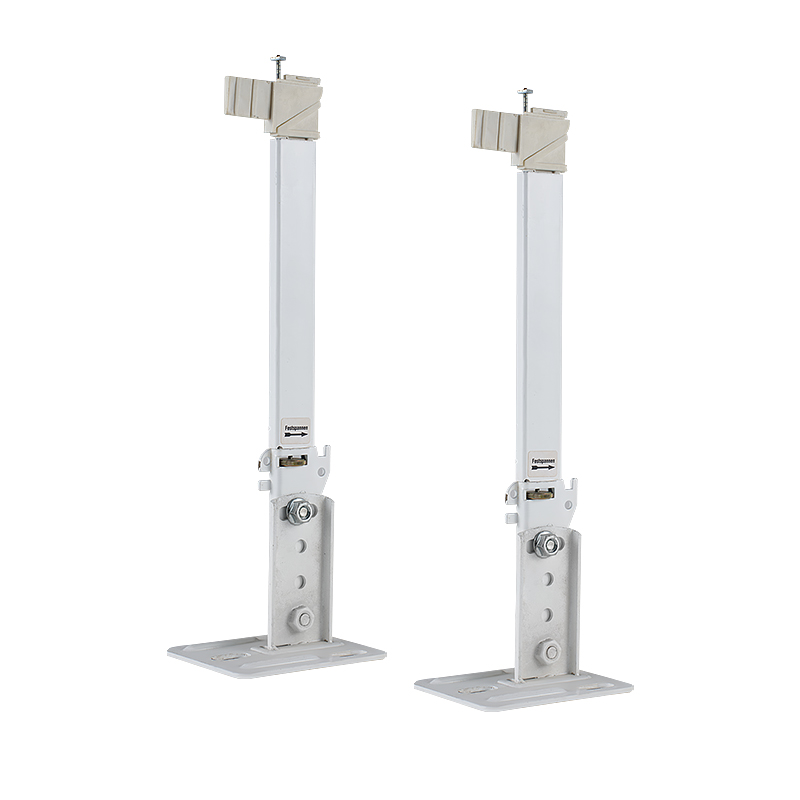
Radiator brackets are important supporting components designed to maintain stable positioning and secure installation of radiator systems. Although they are relatively small compared with complete mechanical systems, their manufacturing quality can influence assembly efficiency and product reliability.
For engineers and purchasing teams, a suitable radiator bracket should provide:
- Accurate dimensions for proper installation
- Stable structural support
- Suitable material performance
- Consistent quality during mass production
A professional manufacturer understands that every detail matters, from raw material selection to final inspection.
Why Material Capability Matters in Metal Component Manufacturing
Material selection is one of the key factors affecting hardware product performance. Different application environments require different combinations of strength, weight, corrosion resistance, and processing characteristics.
At Yuhuan JINYI Hardware Co., Ltd., our manufacturing experience covers multiple materials, including:
- Steel components for high-strength applications
- Stainless steel products requiring corrosion resistance
- Aluminum parts for lightweight requirements
- Brass components for specialized applications
This diversified material capability allows us to provide more suitable solutions according to customer project requirements.
Manufacturing Precision Helps Improve Product Reliability
For global distributors and engineering companies, product consistency is essential for maintaining supply chain stability. A reliable hardware supplier needs to control every stage of production to ensure that products meet customer expectations.
Our manufacturing process focuses on:
- Detailed product design evaluation
- Accurate processing procedures
- Production quality monitoring
- Finished product inspection
By maintaining strict production standards, we help customers reduce potential issues during assembly and application.
Custom Development Creates More Flexible Solutions
Different industries often require different product structures and specifications. A radiator bracket used in one application may need adjustments when applied to another project.
Professional customization services can include:
- Customized drawings and product dimensions
- Structural optimization according to application needs
- Material and surface treatment selection
- OEM production and packaging support
With flexible development capabilities, manufacturers can provide solutions that better match customer requirements instead of offering only standard products.
Comprehensive Hardware Production Supports Diverse Customer Needs
Today’s international buyers often prefer suppliers who can provide multiple product categories and integrated manufacturing services. A comprehensive hardware manufacturer can help customers simplify sourcing and improve cooperation efficiency.
Yuhuan JINYI Hardware Co., Ltd. specializes in the design, development, production, and sales of various hardware products, including building pipe clamps, radiator brackets, floor drains, stainless steel manifold brackets, decoupling tanks, valves, shower tray feet, and water meter brackets.
Our products cover steel, brass, stainless steel, and aluminum materials, allowing us to serve customers across different application fields.
Quality Management Builds Long-Term Supplier Relationships
For overseas buyers, choosing a supplier is not only about comparing product specifications but also evaluating manufacturing reliability and cooperation capability.
A dependable hardware partner should provide:
- Stable production capacity
- Clear communication during development
- Consistent product quality
- Support for customized projects
Since its establishment in 1995, Yuhuan JINYI Hardware Co., Ltd. has continued improving its manufacturing systems and product development capabilities to meet changing market requirements.
Partnering With an Experienced Hardware Manufacturer
As global industries continue to demand more reliable and customized components, manufacturers with comprehensive capabilities are becoming valuable partners for international buyers. From material selection and product design to production and quality control, every stage influences the final product performance.
With professional manufacturing experience and customer-oriented solutions, Yuhuan JINYI Hardware Co., Ltd. provides dependable Radiator Bracket products for global customers. By combining advanced production management, diversified material capabilities, and customized manufacturing services, we support partners in developing durable hardware solutions for automotive, construction, and industrial applications.
-
Hydraulic Separators for HVAC Contractors: Fewer Callbacks, Better System Balance
Aug 07, 2026
Why Contractors Are Adding a Hydraulic Separator to Every Multi-Zone Job
For HVAC contractors, most warranty callbacks on multi-boiler or multi-zone jobs trace back to the same root cause: the primary loop and the secondary loops are fighting each other for flow. A hydraulic separator (also sold as a decoupling tank or low-loss header) breaks that fight by giving each loop its own pump and its own flow path, connected through a common, low-resistance chamber instead of a shared pipe run.
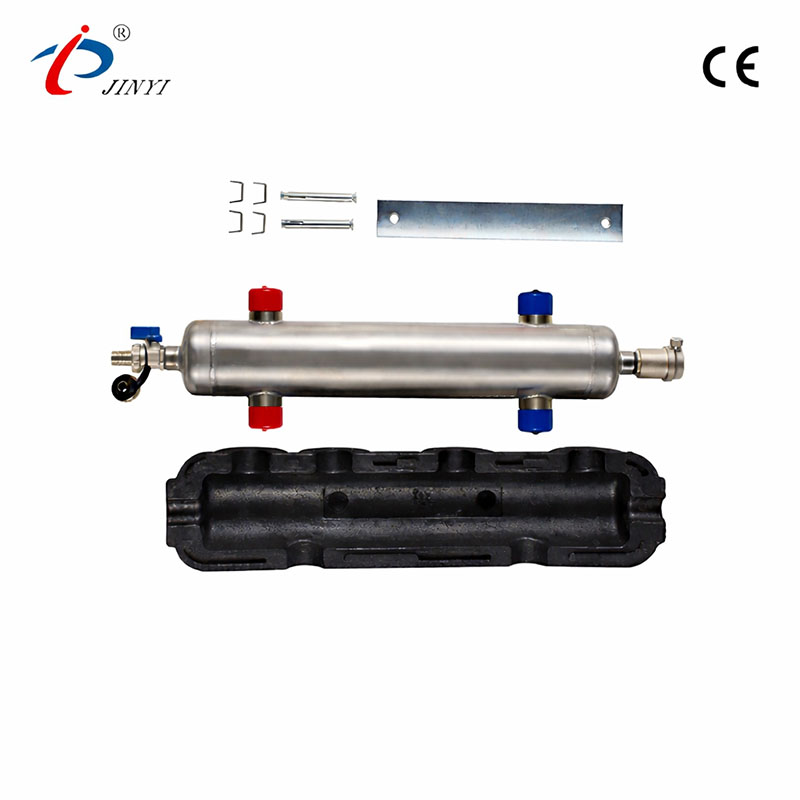
Installed between the boiler or chiller plant and the distribution zones, the tank hydraulically decouples the two sides. The primary circuit keeps a steady flow across the heat source. The secondary circuits — radiators, fan coils, underfloor loops — pull only what they need, whenever they need it, without starving or over-pumping the plant.
What This Solves on the Job Site
Three complaints show up again and again on service tickets: uneven heat between zones, noisy or short-cycling pumps, and sludge or air pockets that keep coming back after a flush. A properly sized hydraulic separator addresses all three at once, because most units combine a low-velocity settling chamber with an air vent and a dirt/magnetic separation point.
- Zone balancing: each secondary pump sees only its own loop resistance, so mixing valves and TRVs behave predictably.
- Air removal: the low-velocity zone lets microbubbles rise and vent instead of collecting in radiators.
- Dirt and magnetite capture: sediment drops out of suspension before it reaches pump seals and heat exchanger plates.
- Simplified commissioning: primary and secondary flow rates can be set independently, cutting balancing time.
Sizing and Installation Notes Contractors Ask About
Selection is driven by the primary flow rate and the connection size of the boiler or chiller plant, not by the total number of zones. Jinyi's JY-6001 through JY-6005 series covers small commercial plant rooms up to larger multi-boiler cascades, in the connection sizes and body materials contractors already spec for clamps, manifolds, and radiator brackets on the same job.
Because Jinyi manufactures decoupling tanks alongside its clamp, manifold bracket, and valve lines, contractors sourcing through Jinyi can often consolidate several plant-room line items — separator, brackets, and manifold hardware — into a single purchase order and shipment.
Frequently Asked Questions
Do I need a hydraulic separator on every boiler installation?
It becomes worthwhile whenever there is more than one circulator on the system, or a variable-flow secondary loop paired with a fixed-flow primary loop — typical of multi-zone residential and light commercial jobs.
Can a hydraulic separator replace a low-loss header?
In most piping arrangements, yes — the two terms describe overlapping designs, and Jinyi's tanks are built to perform the same low-loss header function while adding dirt and air separation.
What sizes does Jinyi offer for contractor and distributor stock orders?
The JY-6001–JY-6005 range covers common plant-room flow rates; custom connection sizes and body materials are available for bulk or project-specific orders.
Ask Jinyi's engineering team for a sizing recommendation based on your project's boiler/chiller flow rate — see the full Decoupling Tank product page.
-
How Can a Well-Designed Water Meter Bracket Improve Reliability in Modern Water Management Systems?
Aug 07, 2026
As global water infrastructure continues to move toward smarter management and more efficient resource utilization, the demand for reliable supporting components is increasing. Water utilities, engineering contractors, and equipment suppliers are paying closer attention to the stability, installation efficiency, and durability of water meter systems. Although the bracket is a small component within the overall system, it plays an important role in maintaining proper positioning and protecting the meter during long-term operation. For companies involved in water equipment procurement, selecting a suitable Water Meter bracket is an essential step in improving installation quality and system reliability. Professional manufacturers are now focusing on precision design, material performance, and customized solutions to meet the changing needs of international markets.
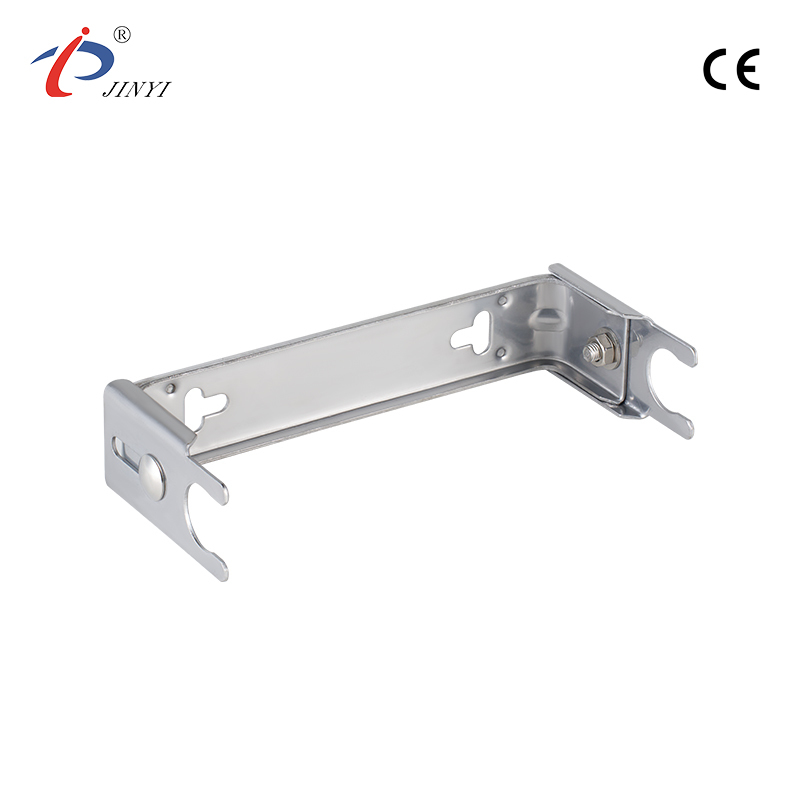
The Growing Importance of Reliable Water Meter Installation
Water meters are widely used in residential buildings, commercial facilities, and industrial projects to monitor water consumption and support efficient resource management.
However, the performance of a water meter system depends not only on the meter itself but also on the quality of surrounding installation components.
A reliable bracket helps to:
- Maintain stable meter positioning
- Reduce installation difficulties
- Improve system organization
- Support long-term equipment protection
- Simplify maintenance operations
For engineers and project managers, choosing suitable mounting components during the early design stage can help avoid unnecessary installation problems in the future.
Why Structural Design Matters for Water Meter Brackets
Different installation environments create different requirements for bracket design.
A water meter bracket needs to provide sufficient support while adapting to various application conditions.
Important design considerations include:
- Load-bearing capability
- Installation compatibility
- Dimensional accuracy
- Corrosion resistance
- Ease of assembly
A professionally designed bracket helps ensure that water meters remain securely installed, reducing movement or misalignment caused by external factors.
This is especially important for projects where multiple meters are installed in organized systems.
Material Selection Influences Product Performance
For water infrastructure components, material selection is closely related to service performance.
Manufacturers need to consider environmental conditions, installation locations, and customer requirements when selecting materials.
Common considerations include:
- Resistance to moisture exposure
- Structural durability
- Surface protection
- Long-term stability
- Manufacturing consistency
Using suitable materials allows brackets to maintain reliable performance while supporting different project applications.
Custom Manufacturing Supports Diverse Project Requirements
Water management projects often involve different layouts, equipment specifications, and installation methods.
Standard products may not always match every customer's requirements.
Professional suppliers provide customized solutions based on:
- Engineering drawings
- Installation environments
- Product dimensions
- Customer application needs
- Project specifications
Through close communication with customers, manufacturers can develop more practical solutions that improve installation efficiency and reduce adjustment work.
Precision Manufacturing Improves Installation Efficiency
For overseas buyers, production accuracy is an important factor when evaluating suppliers.
A bracket with inconsistent dimensions may create challenges during installation and increase project time.
Professional manufacturing processes focus on:
- Accurate forming and processing
- Quality inspection during production
- Stable manufacturing procedures
- Finished product evaluation
These practices help ensure that each component meets customer expectations and supports smoother installation processes.
Supporting Global Water Infrastructure Development
As cities continue improving water management systems, demand for dependable components continues to grow.
Engineering companies and distributors are looking for suppliers that can provide:
- Stable product quality
- Flexible customization
- Reliable production capacity
- Professional technical communication
A manufacturing partner with strong experience can help customers develop solutions suitable for different markets and applications.
Choosing the Right Partner for Long-Term Water System Projects
The success of a water management project depends on the reliability of every component, including supporting hardware used during installation. Working with an experienced supplier of Water Meter bracket solutions allows engineering companies, distributors, and contractors to achieve better installation stability and product consistency. With professional manufacturing capabilities, customized service options, and attention to quality control, a dependable Water Meter bracket manufacturer can provide valuable support for global water infrastructure projects and help customers build more efficient and reliable water management systems.


- 210 Jinhai Avenue, Lupu Economic Development Zone, Yuhuan City, Taizhou City, Zhejiang Province.
- +86-576-87423248 / +86-576-87499120
- +86-17769979117 / +86-13750801289
- +86-576-87425996
- [email protected] / [email protected]

