


 русский
 Español
If you need any help, please feel free to contact us
Many heating equipment brands and private-label distributors don't want a generic bracket — they need a custom radiator bracket engineered to match a ...
READ MORE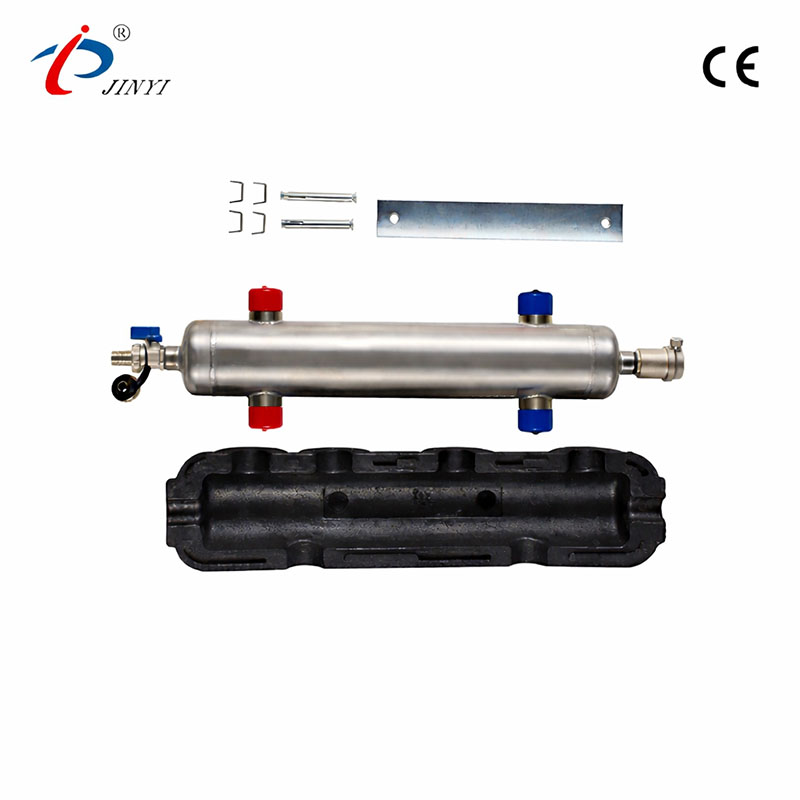
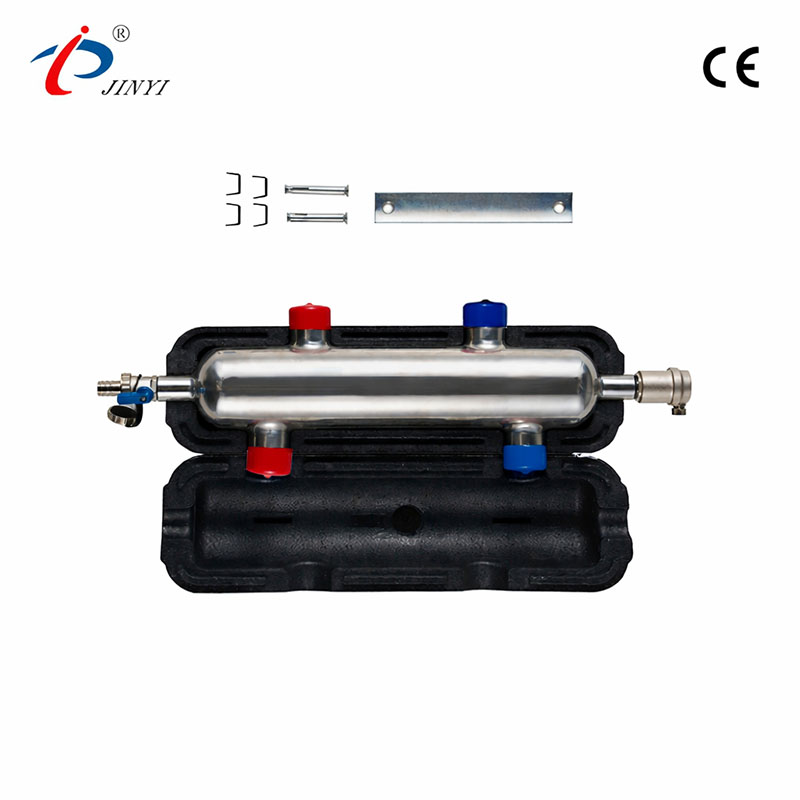
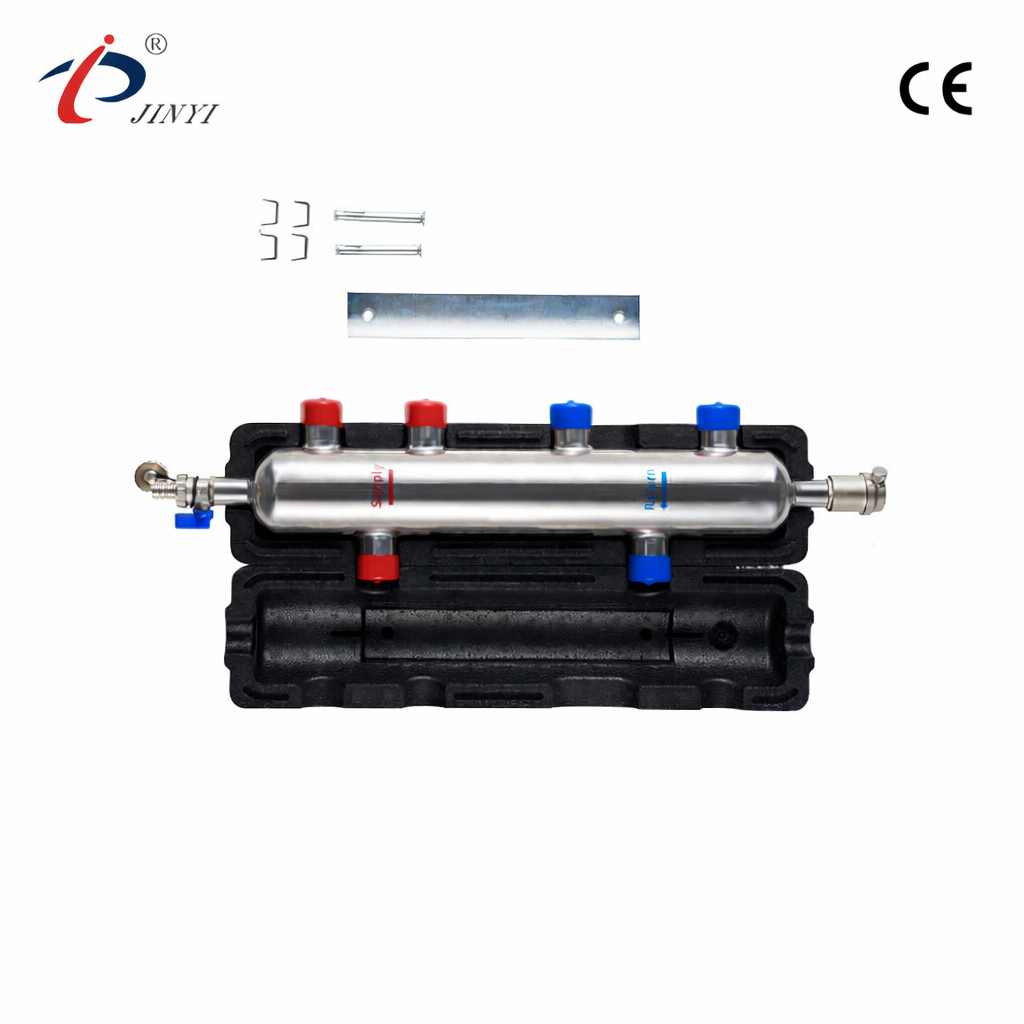
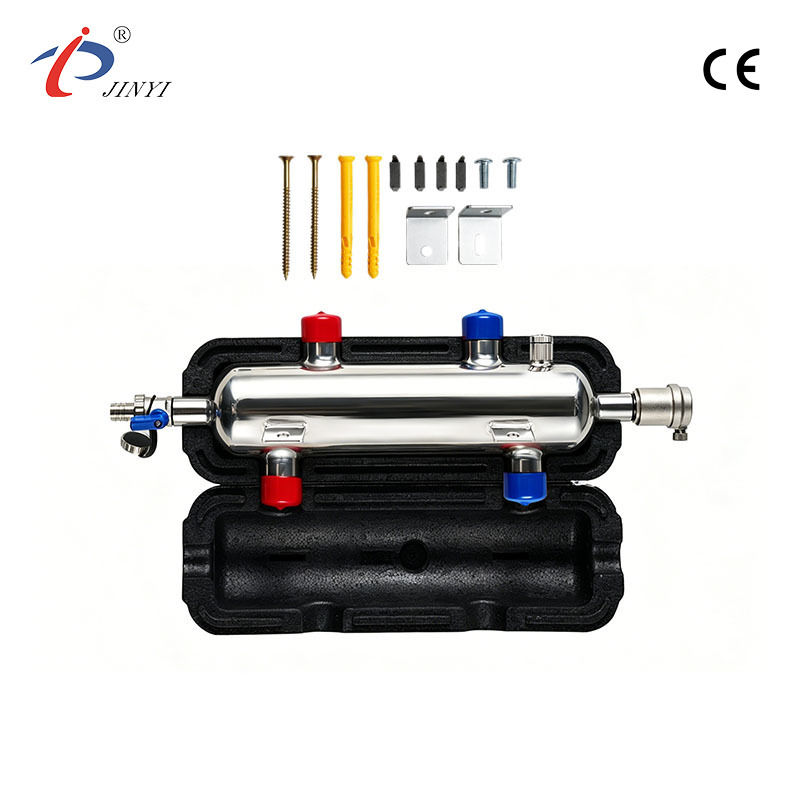
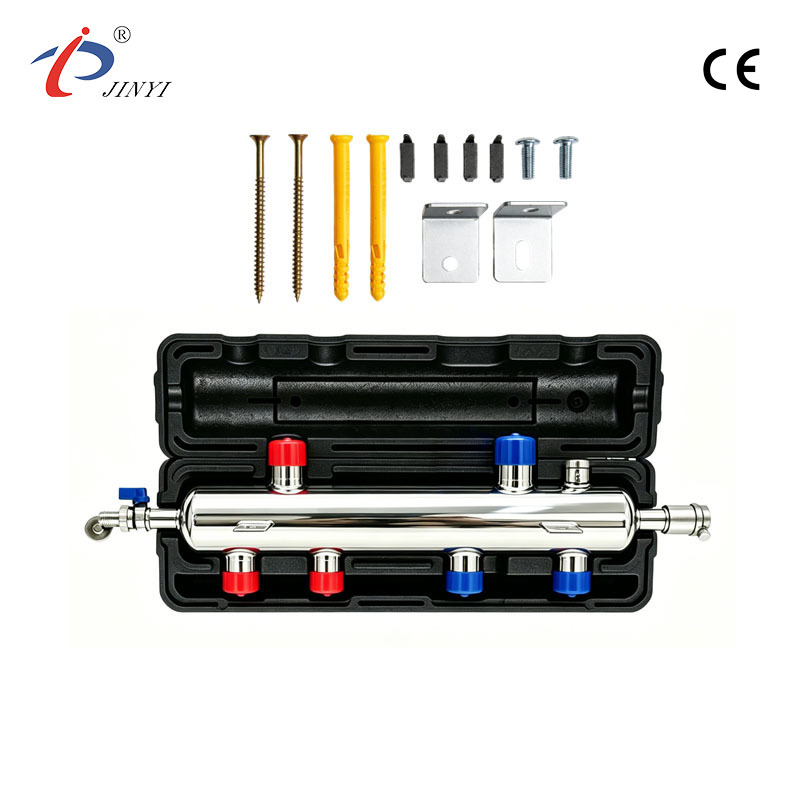
A decoupling tank, also known as a hydraulic separator in many hydronic heating applications, is designed to provide hydraulic separation between primary and secondary circuits. It allows different circulation pumps and heating zones to operate independently by balancing flow rates and reducing hydraulic interference.
Jinyi supplies stainless steel decoupling tanks and hydraulic separators for underfloor heating systems, heat pumps, boilers and commercial HVAC applications. With OEM manufacturing capabilities, we provide customized solutions including different capacities, connection sizes, materials and configurations according to project requirements.



A hydraulic separator is a component used in hydronic heating systems to separate the primary circuit from secondary circuits. By creating a low-resistance connection between different circuits, it allows each pump to operate according to its own flow requirements without affecting other parts of the system.
In many European heating applications, decoupling tanks are commonly used as hydraulic separators to improve system balance, especially in systems with multiple heating zones, heat pumps, boilers or underfloor heating manifolds.
In industrial systems, pressure variations can cause substantial damage to equipment and disrupt system performance. Decoupling tanks effectively manage these fluctuations by absorbing and regulating excess pressure. This is crucial in systems where varying flow rates, temperature changes, and demand fluctuations are common, such as HVAC systems, chemical processing, and water treatment plants.
By acting as a pressure buffer, decoupling tanks help maintain stable flow rates, ensuring that the system components—whether pumps, valves, or heat exchangers—operate efficiently without undue stress. They ensure that the primary and secondary circuits are isolated, allowing each to function independently without influencing the other. This isolation prevents any sudden pressure surges in the primary circuit from affecting the secondary circuit, which could cause equipment malfunction, overheating, or system breakdown.
The decoupling tank functions as a separation point between the two circuits in a system. In heating and cooling systems, for example, the primary circuit often operates under higher pressures than the secondary circuit, which might be used for radiators, underfloor heating, or air handling units. By isolating these circuits, decoupling tanks ensure that fluctuations in the primary circuit's flow or temperature do not affect the secondary circuit's performance.
This separation also enhances energy efficiency, as each circuit can be designed and controlled independently to meet specific requirements without causing strain on the overall system. This allows operators to fine-tune each system to its optimal performance without the risk of one circuit negatively affecting the other.
Examples of Industrial Applications: HVAC, Chemical Processing, Oil and Gas, and Water Treatment
HVAC Systems: Decoupling tanks are commonly used in commercial HVAC systems, where large cooling or heating units need to be isolated from the air distribution systems. By managing pressure surges and ensuring consistent flow, decoupling tanks prevent wear and tear on equipment and provide more efficient operation.
Chemical Processing: In chemical plants, where temperature and pressure variations are frequent, decoupling tanks are essential for protecting sensitive equipment, such as reactors and heat exchangers, from the stresses of fluctuating pressures.
Oil and Gas: In oil and gas applications, where high pressure and fluid variability are prevalent, decoupling tanks are used to stabilize pressure and ensure smooth flow in piping systems, avoiding sudden shocks that could damage pipelines or other critical infrastructure.
Water Treatment: In water treatment plants, decoupling tanks help balance the pressure across the filtration and pumping systems, preventing damage to pumps or filtration units caused by pressure spikes or imbalances.
A decoupling tank works as a hydraulic separator by connecting the primary heating circuit and secondary heating circuits through a common chamber.
When the flow rates from the heat source and heating zones are different, the hydraulic separator prevents pump interaction and maintains stable circulation. This design helps boilers, heat pumps and circulation pumps operate more efficiently while improving temperature control across the system.
The main functions include:
• Separating primary and secondary circuits
• Balancing different flow rates
• Reducing pump interference
• Improving heating system stability
• Supporting multi-zone heating applications
Jinyi hydraulic separators and decoupling tanks are widely used in various hydronic heating systems, including:
Hydraulic separators help balance flow between heat sources and underfloor heating manifolds, ensuring stable water circulation across multiple heating loops.
In heat pump applications, hydraulic separation helps manage different flow requirements between the heat pump unit and secondary heating circuits.
Hydraulic separators allow boilers and heating zones to operate independently, improving system reliability and reducing circulation issues.
For larger HVAC projects, hydraulic separation supports multiple pumps, heating zones and complex piping layouts.
What is the difference between a decoupling tank and a hydraulic separator?
A decoupling tank and hydraulic separator are closely related terms used in hydronic heating systems. A decoupling tank can provide hydraulic separation by separating primary and secondary circuits, while hydraulic separator describes the function of balancing flow between different circuits.
Where is a hydraulic separator used?
Hydraulic separators are commonly used in underfloor heating systems, heat pump installations, boiler systems and commercial HVAC projects where multiple circuits require independent flow control.
Why use a hydraulic separator in a heating system?
A hydraulic separator helps prevent pump interference, balances water flow and improves the stability of hydronic heating systems.
Many heating equipment brands and private-label distributors don't want a generic bracket — they need a custom radiator bracket engineered to match a ...
READ MOREFor distributors, system integrators, and hydronic equipment brands, managing several manifold configurations can make component sourcing more complic...
READ MOREA Manifold Bracket may be a relatively small component in a hydronic system, but choosing the wrong specification can create compatibility and assembl...
READ MOREWhat Specifications Actually Matter When Sourcing Wall Radiator Brackets? A wall radiator bracket looks like a simple part, but the wrong specificatio...
READ MOREHydronic manifold installation often involves more than connecting supply and return pipes. Installers also need to position the manifold correctly, s...
READ MOREWhy Brands Move Decoupling Tanks to a Custom-Spec OEM Order Once a brand's decoupling tank volumes reach a certain point, sourcing a catalogue-standar...
READ MORE