


 русский
 Español
Could Better Manifold Mounting Make Hydronic Installation Easier?
2026-09-04
Yuhuan JINYI Hardware Co.,Ltd.
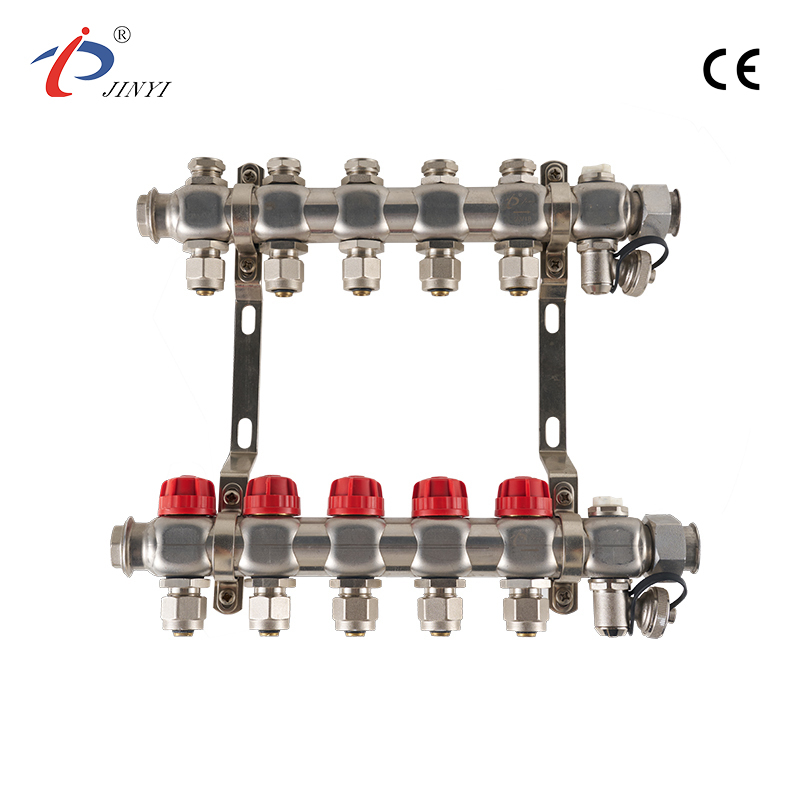
In a hydronic heating project, the manifold is responsible for distributing water between multiple circuits, but its installation environment can be just as important as the manifold itself. Limited cabinet space, complicated pipe routing, and difficult access can create unnecessary work for installers. A properly designed Manifold Bracket provides a practical way to secure the manifold, maintain alignment, and organize the installation without turning the mounting stage into a separate engineering problem.
Installation Space Should Be Planned Before the Manifold Arrives
Manifolds are often installed inside cabinets, plant rooms, service areas, or wall-mounted enclosures where available space is limited. If the bracket position is considered only after the pipework has been planned, installers may have to adjust the surrounding layout to accommodate the manifold.
A better approach is to consider the manifold, bracket, pipe connections, and service clearance as one installation area. The mounting position should leave enough room for connection work and future inspection while avoiding unnecessary interference with nearby pipes or building structures.
Stable Support Helps Keep the Assembly Organized
A manifold carries multiple pipe connections, valves, and fittings, so stable support is important during installation and operation. The bracket provides a defined mounting point that helps keep the manifold in its intended position rather than relying on the connected pipework to support the assembly.
For installers, this can make connection work more manageable. A properly positioned support also helps maintain a cleaner pipe layout, particularly where several circuits leave the manifold in different directions.
Alignment Matters More Than It Appears
A manifold that is mounted unevenly can make the surrounding pipework more difficult to organize. Connection points may no longer align naturally with the planned routing, increasing the need for adjustments during installation.
For this reason, bracket design should take the manifold's geometry into account. Offset structures, mounting holes, bracket spacing, and connection clearance can all influence how easily the finished assembly fits into the available space. Current manifold mounting products on the market also use offset bracket configurations specifically to improve installation flexibility.
Bracket Selection Should Follow the Manifold Design
Not every bracket is suitable for every manifold. The mounting interface, dimensions, weight, material, and connection arrangement should be considered before procurement.
For engineering and purchasing teams, useful questions include:
- Is the bracket designed for the specific manifold configuration?
- Are the mounting points compatible with the manifold?
- Is there sufficient clearance for pipe connections?
- Can the bracket be installed on the intended wall or support structure?
- Does the design allow convenient access after installation?
- Are the bracket dimensions consistent across repeat orders?
Confirming these details before shipment can help reduce installation changes at the job site.
Accessibility Is Part of the Installation Strategy
A manifold may require adjustment, inspection, or replacement during the service life of a heating system. If it is installed in an extremely confined position, even routine work can become inconvenient.
Recent installation guidance for hydronic manifolds also emphasizes selecting suitable locations, maintaining access, and securing the manifold properly. A bracket therefore should not be viewed only as a fixing accessory. Its dimensions and mounting arrangement can influence how accessible the complete manifold assembly remains after installation.
Custom Brackets Can Solve Project-Specific Problems
Standard brackets are suitable for many applications, but commercial projects and private-label product ranges may require different mounting dimensions or configurations. Cabinet depth, manifold size, connection direction, and available wall space can vary between projects.
From a manufacturer's perspective, custom development becomes useful when the standard bracket creates unnecessary compromises. By reviewing drawings and application requirements, manufacturers can adjust dimensions, mounting positions, material choices, or surface treatments according to the project specification.
This approach can also help distributors develop a bracket range that corresponds more closely with the manifolds they already supply.
Manufacturing Quality Supports Repeatable Installation
A bracket may be a relatively small component, but dimensional consistency matters when it is supplied as part of a larger installation system. Inaccurate mounting holes, inconsistent bends, or variations between production batches can create fitting problems for contractors.
As a manufacturer, we focus on maintaining consistent dimensions and controlled production so that approved bracket designs can be reproduced for repeat orders. For OEM buyers, this consistency is particularly useful when the same manifold and mounting system are supplied across multiple projects.
A Better Mounting Detail Can Improve the Whole Installation
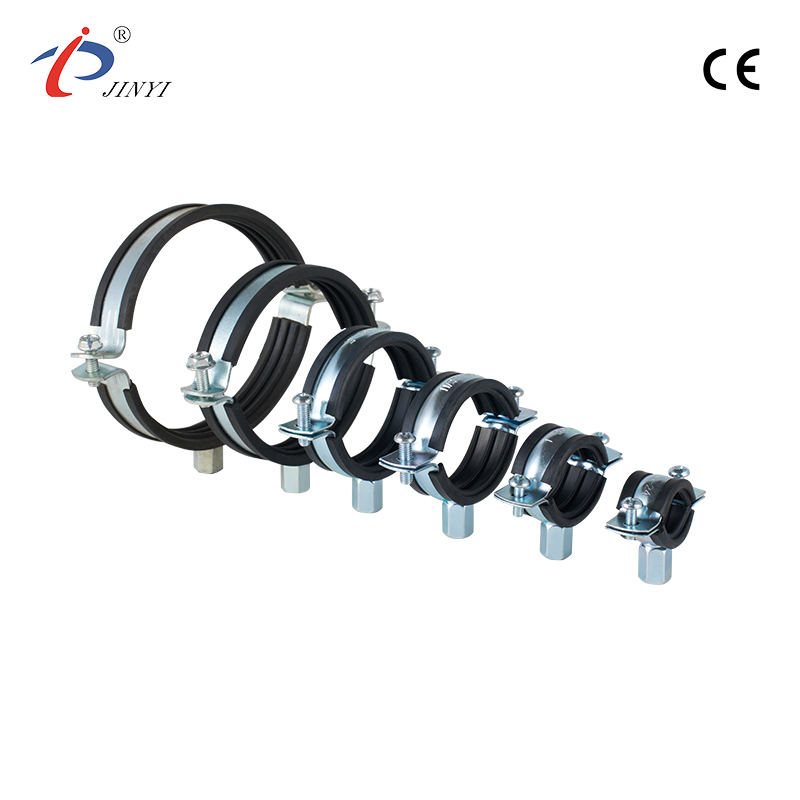
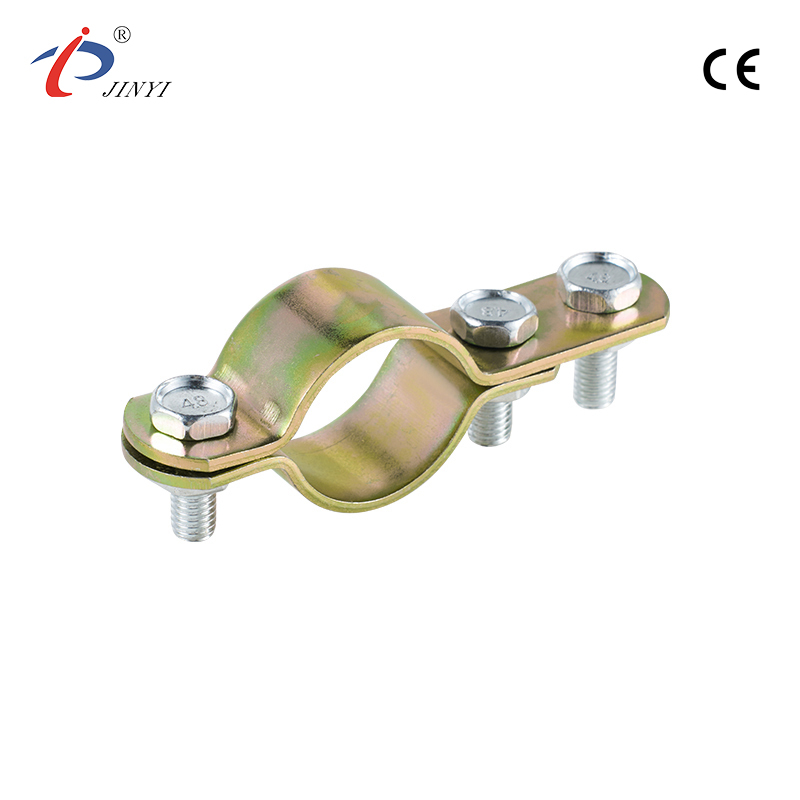
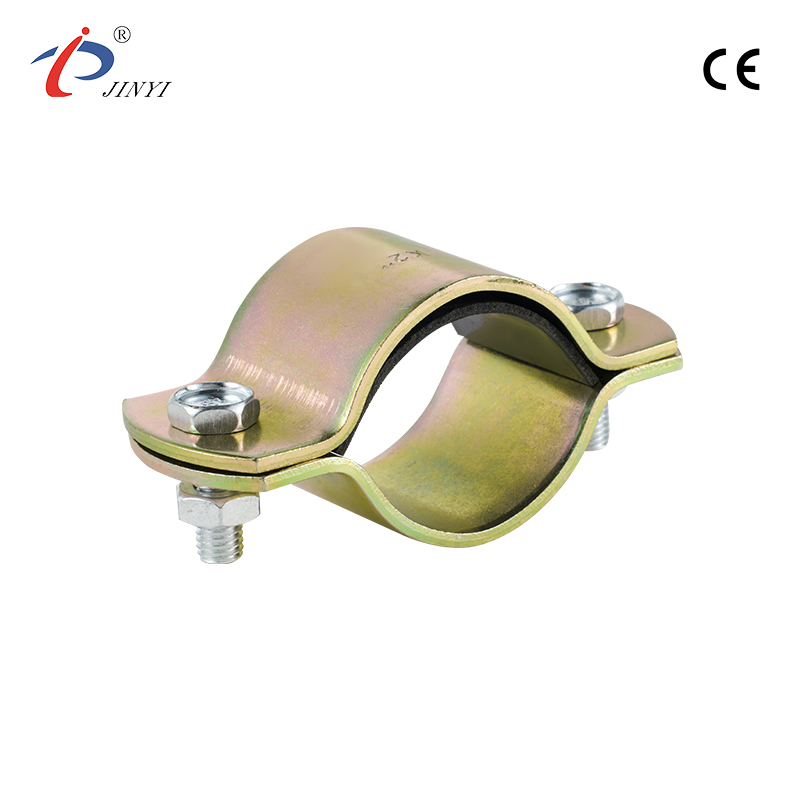
Manifold installation involves more than connecting pipes. The position, support, alignment, and accessibility of the assembly can affect how efficiently the surrounding hydronic system is installed and maintained. Choosing a suitable Manifold Bracket early in the project allows engineers, contractors, and procurement teams to coordinate these details before they become site problems. For manufacturers serving international HVAC markets, combining accurate production with application-specific bracket development can give buyers a more practical solution for organized, repeatable manifold installation.


- 210 Jinhai Avenue, Lupu Economic Development Zone, Yuhuan City, Taizhou City, Zhejiang Province.
- +86-576-87423248 / +86-576-87499120
- +86-17769979117 / +86-13750801289
- +86-576-87425996
- [email protected] / [email protected]

