


 русский
 Español
How Can the Right Pipe Clamp Design Reduce Installation Problems?
2026-10-09
In plumbing, HVAC, industrial piping, and mechanical installations, pipe clamps do more than hold pipes in position. Their design influences installation efficiency, pipe alignment, vibration management, and long-term support performance. For contractors, equipment manufacturers, and overseas procurement teams, selecting a suitable Pipe Clamp Manufacturer means evaluating how the clamp fits the pipe, mounting structure, operating environment, and expected load. Understanding these factors early can help reduce installation adjustments and improve consistency across projects.
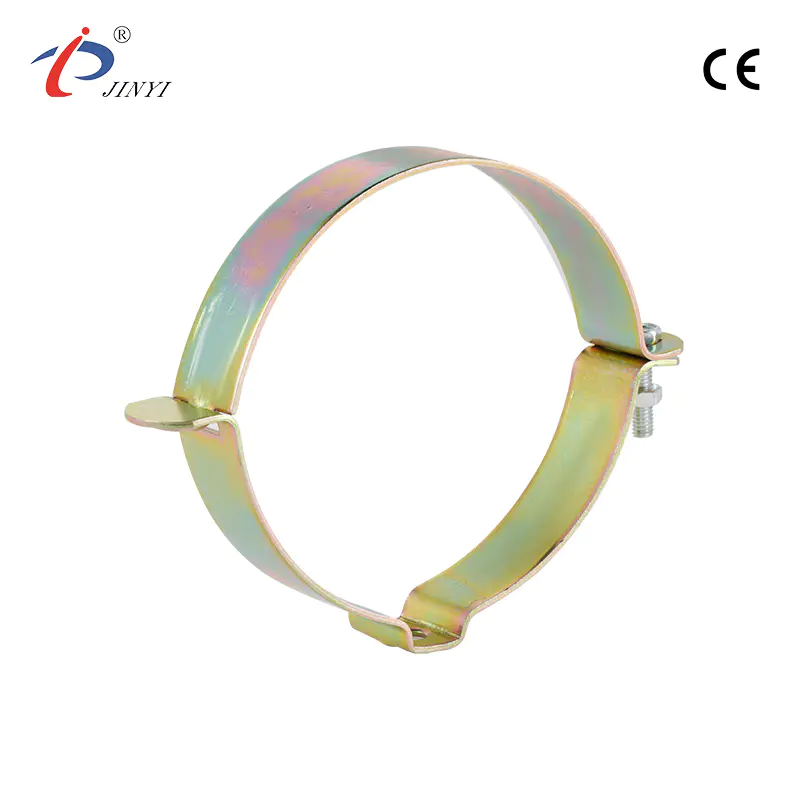
Pipe Dimensions Are Only the Starting Point
Choosing a clamp based solely on nominal pipe size can lead to compatibility problems. Actual outside diameter, insulation thickness, pipe material, and the presence of protective coatings may affect the required clamp dimensions. A clamp that is too tight can interfere with installation or place unwanted pressure on the pipe, while an oversized design may not provide adequate restraint.
Manufacturers should establish clear sizing information for each product range. Buyers can improve ordering accuracy by confirming the pipe's outside diameter, whether insulation is included, and the required mounting arrangement. For projects involving several pipe sizes, a documented size schedule also helps purchasing and installation teams avoid confusion.
Material Selection Must Match the Operating Environment
Pipe clamps may be installed in dry indoor spaces, humid service areas, outdoor equipment zones, or industrial environments where exposure conditions vary. The clamp material and surface finish should therefore be selected according to the application rather than appearance alone.
Metal clamps may require different corrosion-protection considerations depending on the surrounding conditions. Polymer components may be useful where electrical isolation, surface contact, or specific environmental properties are important. However, suitability depends on the actual material grade, temperature range, load, and installation requirements.
For procurement teams, the key is to specify the working environment and expected service conditions before comparing material options. Clear requirements allow manufacturers to recommend a configuration that fits the intended use.
Pipe Movement Requires the Right Support Strategy
Pipes can expand, contract, or experience movement as operating temperatures and system conditions change. A support arrangement that prevents all movement may not be suitable for every piping layout. Conversely, allowing uncontrolled movement can create alignment issues or place additional stress on connected components.
Clamp selection should consider whether the installation requires fixed positioning, guided movement, or a support arrangement that accommodates thermal expansion. The appropriate choice depends on the system design, pipe material, operating temperature, and support spacing.
A Pipe Clamp Manufacturer should help buyers distinguish between products intended primarily for securing a pipe and those designed for particular movement or support functions. Confirming this purpose before ordering can prevent the wrong clamp type from being used in the field.
Which Details Should Buyers Confirm Before Ordering?
A product drawing or sample is often more useful when reviewed against the actual installation requirements. Before finalizing a purchase, buyers should check:
- Pipe outside diameter and required clamp range
- Clamp material and surface treatment
- Insulation requirements and contact-surface design
- Mounting hole dimensions and fastener compatibility
- Expected loads and operating temperature
- Whether the application requires fixed or guided support
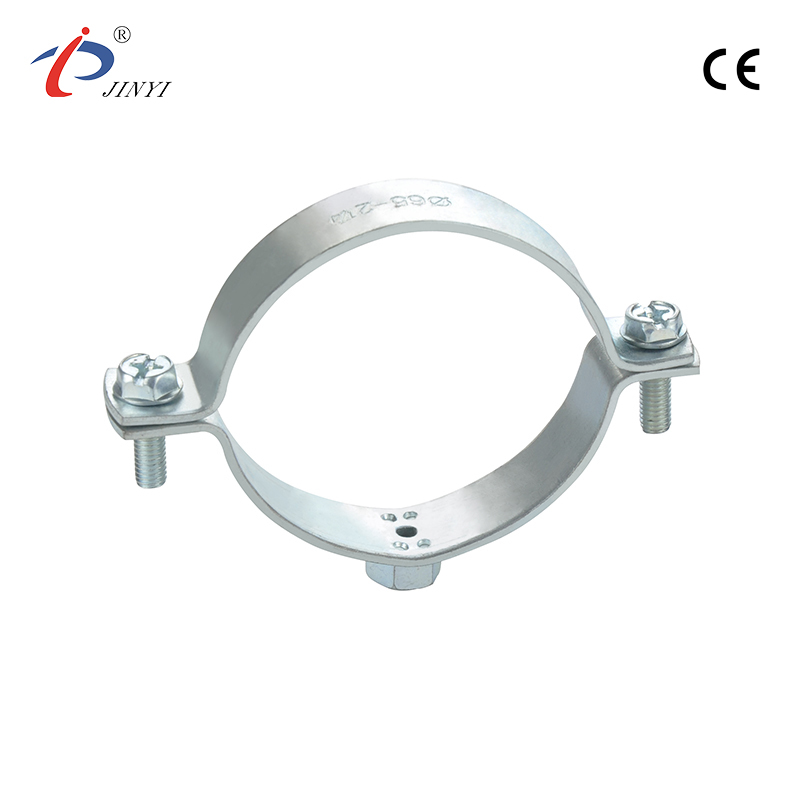
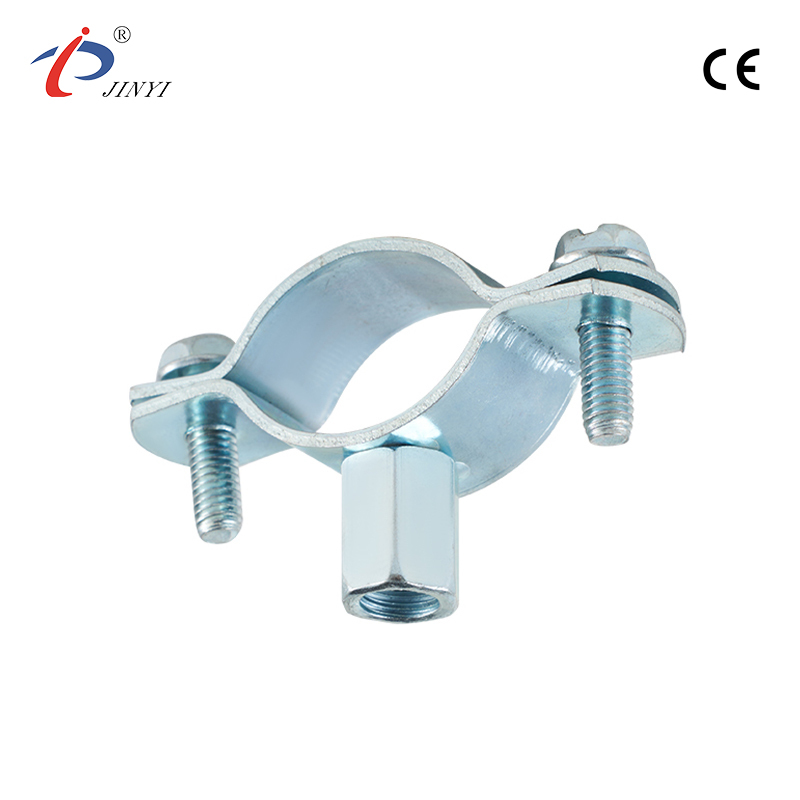
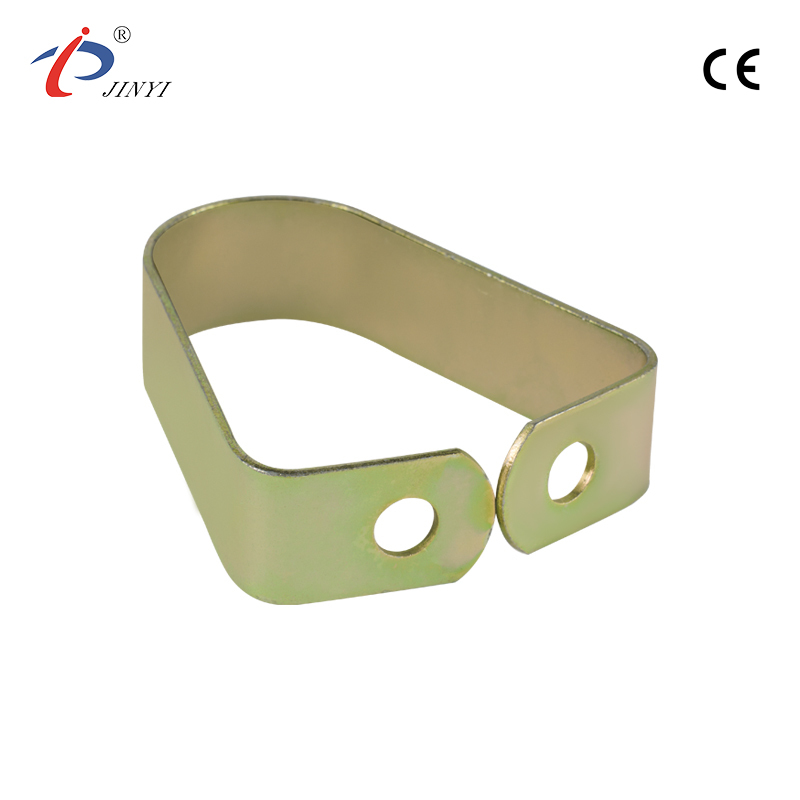
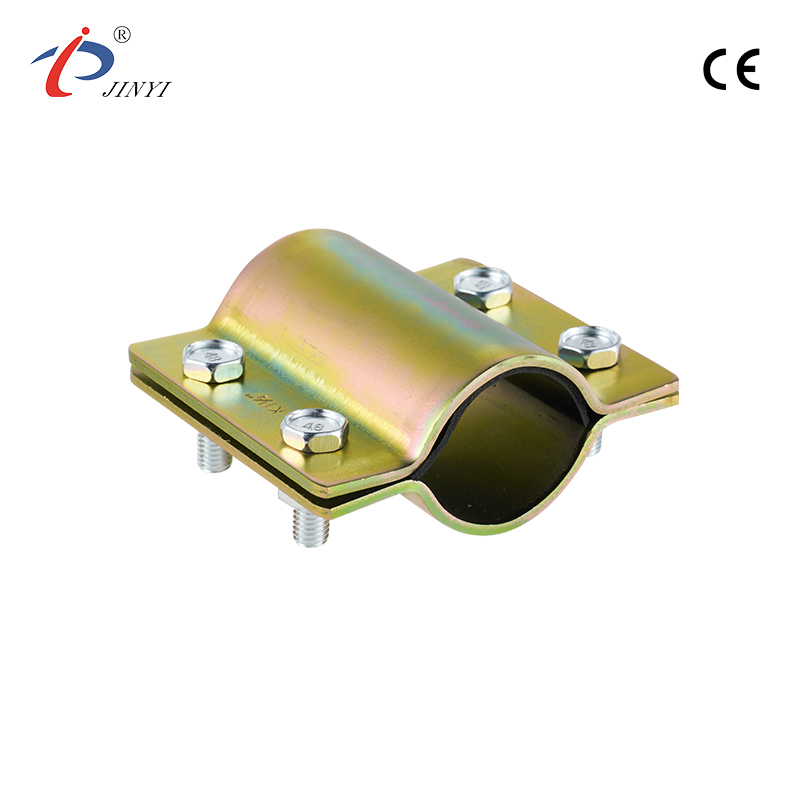
These details help engineers, purchasing teams, and installers work from the same product specification. They also make it easier to compare alternative configurations without relying on product photographs alone.
Vibration Control Depends on the Complete Assembly
Pumps, fans, compressors, and other equipment can transmit vibration through connected piping. In these applications, a clamp's performance depends not only on the clamp body but also on the contact material, mounting hardware, support structure, and installation method.
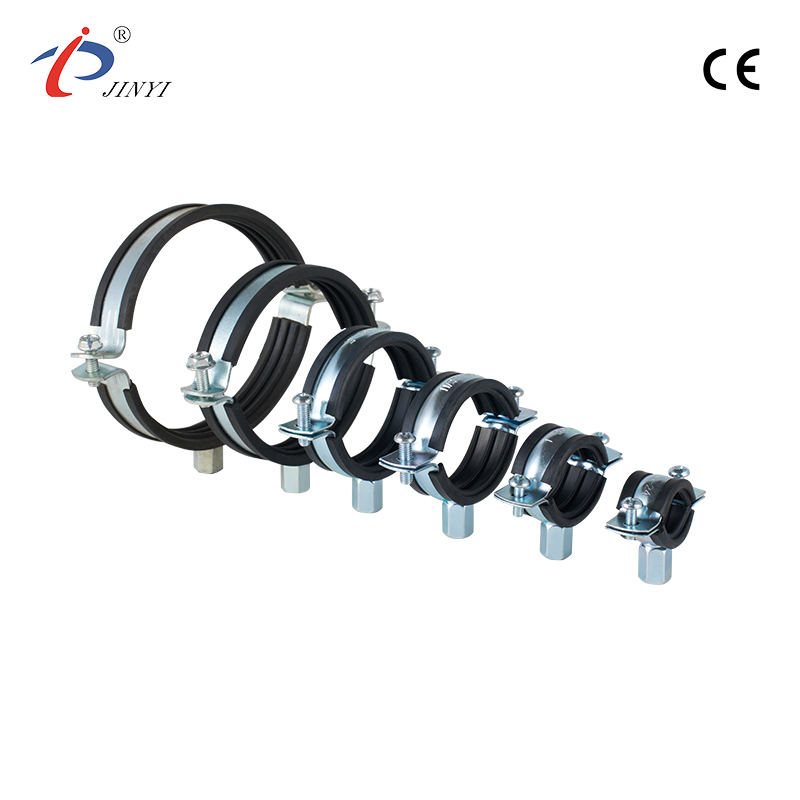
Where vibration isolation is required, buyers should examine whether the clamp includes a suitable liner or other isolation element. The component must be appropriate for the operating environment and the expected load. A lined clamp should not automatically be treated as a complete solution for every vibration problem; the overall piping and equipment arrangement still matters.
Manufacturers can support product selection by clearly describing the intended function of each configuration and the conditions under which it is designed to operate.
Manufacturing Consistency Supports Reliable Installation
Small dimensional differences can create difficulties when clamps are installed repeatedly across a large project. Variations in formed shape, hole position, liner placement, or surface finish may affect assembly and fit.
A manufacturing quality process should therefore include checks on critical dimensions, material identification, forming accuracy, coating condition, and component assembly. Where applicable, load-related or other performance tests should follow the product specification and intended application.
For wholesale buyers, consistent inspection records and clearly defined product variants help reduce uncertainty when reordering the same clamp for ongoing projects.
Specify the Application Before Choosing the Product
The most suitable pipe clamp is not necessarily the most complex or expensive option. It is the one that matches the pipe dimensions, support function, environment, and installation requirements. Providing these details at the quotation stage gives manufacturers a clearer basis for product selection and customization.
For overseas distributors, contractors, and industrial equipment buyers, working with an experienced Pipe Clamp Manufacturer can simplify the process of matching product design with practical installation needs. Clear specifications, appropriate material selection, and repeatable manufacturing checks help create a more dependable supply process for piping projects.


- 210 Jinhai Avenue, Lupu Economic Development Zone, Yuhuan City, Taizhou City, Zhejiang Province.
- +86-576-87423248 / +86-576-87499120
- +86-17769979117 / +86-13750801289
- +86-576-87425996
- [email protected] / [email protected]

