


 русский
 Español
How Do Wall Radiator Brackets Affect Heating and Stability
2026-03-23
Wall Radiator Bracket Guide: Practical Insights on Installation, Selection, Positioning and Everyday Care
When the temperature drops and everyone starts thinking about staying warm, wall-mounted radiators still turn up in a lot of homes. They're compact, they push out steady heat, and they don't eat up floor space like some other options. Yet the part that actually keeps the radiator hanging there — the Wall Radiator Bracket — often gets overlooked until something feels off. These brackets do more than just hold weight. They affect how air moves around the unit, how stable the whole setup stays over time, and how much hassle you end up dealing with later.
This guide pulls together the questions that come up again and again when people are planning a new install or checking an older system. We'll walk through fitting brackets on different walls, picking the right style for your radiator, matching them to your heating arrangement, getting the position right for comfortable warmth, and keeping everything in decent shape without turning it into a weekend project. The details come from ordinary homes and small renovation work, so you can picture how it fits your own place without any over-the-top claims.
How to Install Wall Radiator Brackets on Different Wall Surfaces
The first thing that matters is the wall itself. Brick, concrete, plasterboard, or timber — each one needs its own approach if you want the brackets to stay put for years instead of loosening up after a couple of seasons.
Start by clearing the space and figuring out where the pipes will come in. Grab a spirit level, pencil, drill, and the right fixings for your wall. On solid brick or concrete, mark the holes carefully so the brackets sit dead level. Use a masonry bit, tap in proper wall plugs, and drive the screws home. Give each one a gentle tug after you finish to make sure nothing shifts.
Plasterboard walls are trickier because the board alone doesn't like heavy loads. If you can find the studs behind it with a stud finder, line up at least one fixing point on each stud. No studs in the right spot? Switch to cavity anchors that open up behind the board like little umbrellas. Some people screw a short wooden batten across a couple of studs first, then bolt the brackets to the batten — it spreads the weight and feels much more solid. Just don't crank the screws too tight or you'll pull the board out.
When the wall has that bumpy dot-and-dab plaster finish, longer fixings reach through to the solid layer behind. On timber-frame walls you can screw straight into the studs once you've located them, but always check the wood isn't soft or damaged first.
Once the brackets are up, hang the radiator loosely to test. It should sit flat without rocking. Leave room at the bottom for valves if your pipes come in there. A lot of people skip the level check and end up with a slight tilt that shows up once the paint dries. Taking an extra minute to double-check alignment saves having to redo the whole job later. In older houses where walls aren't perfectly straight, this step becomes even more useful.
What Types of Wall Radiator Brackets Fit Various Radiator Styles
Not every bracket works with every radiator, and picking the wrong one can leave you with gaps, wobbles, or extra drilling.
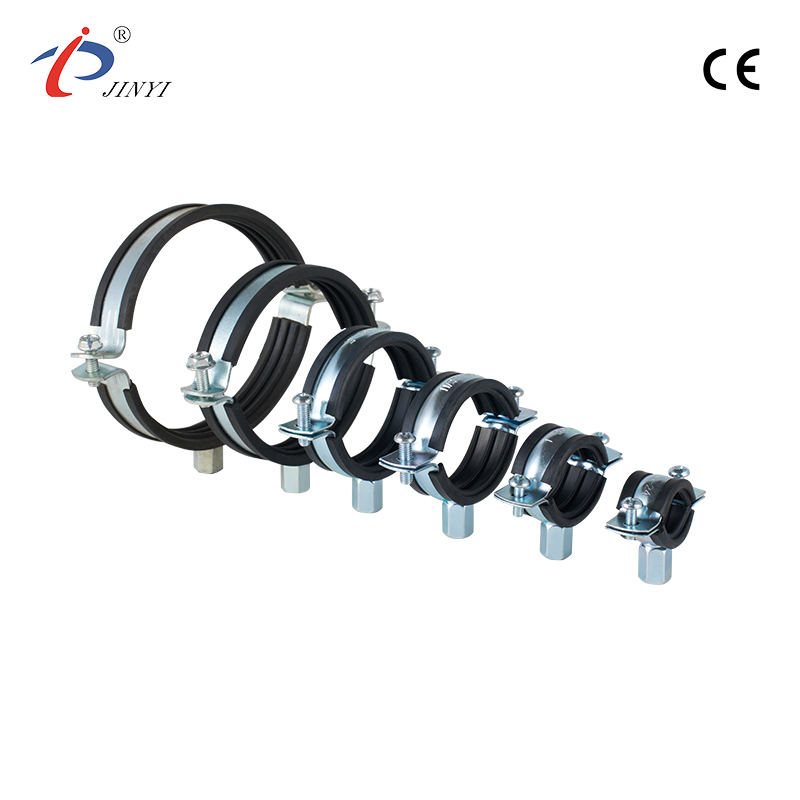
Basic fixed brackets are straightforward for standard panel radiators that sit at a set distance from the wall. They're simple to fit and keep the unit tight against the surface when everything lines up.
Adjustable brackets give you a bit of wiggle room after mounting. You can slide them up or down slightly or change how far they stick out. That comes in handy when pipes sit a little higher or lower than expected, or when you move furniture around later and need to nudge the radiator a couple of centimetres.
For taller column or sectional radiators, multi-point brackets spread the support across several fixing holes. They usually include extra lower arms so the weight doesn't pull just from the top. Slim vertical radiators often need a different central-support style with fewer but stronger attachment points.
Think about how your radiator connects to the pipes. Bottom-fed models need clearance underneath, while side-entry ones want space on the sides. Many households start with the brackets that came in the box and later swap them if the distance from the wall feels wrong. Adjustable versions make that swap easier without filling new holes.
In everyday homes you see fixed brackets on flat modern walls and adjustable ones in older properties where floors and walls have settled over time. Matching the bracket type to the radiator early on keeps the finished job looking neat and avoids extra work down the line.
Tips for Choosing a Wall Radiator Bracket That Matches Your Heating Setup
Your heating system sets the tone for what bracket you need. Boiler-fed central heating often runs with heavier radiators that stay on for hours, so the brackets have to hold steady without any give. Lighter electric or gas panel radiators can manage with simpler styles.
Room use matters too. In living rooms where the radiator runs most of the day, a bit of space behind the unit helps air move freely. Kitchens and bathrooms see more moisture, so brackets with a clean, corrosion-resistant finish tend to hold up longer without extra fuss.
Steel brackets show up in plenty of homes because they stay rigid under normal loads. Lighter alloy versions suit tighter spaces or situations where you want to keep overall weight down. Always line up the fixing method with the wall type you already checked — that single step prevents most headaches later.
A practical way forward is to measure your radiator height, width, and pipe positions first, then look for brackets that match those numbers. If your system has thermostatic valves, keep enough clearance so the air can flow around them properly. In homes that mix wall radiators with underfloor heating, the brackets simply add extra warmth where you need it most.
Many people bring the brackets home together with the radiator so they can hold them up against the wall and see the fit in real life. Small differences in hole spacing or depth show up right away and save a return trip to the shop. Taking measurements twice and comparing them against your actual pipe layout makes the whole choice feel straightforward rather than guesswork.
Why Proper Placement of Wall Radiator Brackets Improves Heat Flow in a Room
Heat moves by convection — warm air rises, cooler air gets pulled in from below. The brackets control how much room that cycle has to work.
Set the radiator too high and the warmth heads straight for the ceiling before it has a chance to spread downward. Too low and it sits against the floor or gets blocked by skirting boards. A middle height lets the radiator pull in room air at the bottom and push warmed air out across the space at a comfortable level.
The gap behind the radiator counts as well. Brackets that hold the unit a few centimetres off the wall stop heat from getting trapped against the surface and direct it into the room instead. On outside walls this small gap also cuts down on warmth lost straight through the brickwork.
Even when the brackets sit in the right spot, a sofa pushed right up against the radiator or long curtains hanging in front can kill the airflow. Leaving breathing space around the unit helps the room warm evenly from floor to ceiling without hot spots near the radiator and cold corners farther away.
In open-plan homes, lining up several radiators at similar heights keeps the air moving across the whole area instead of stopping at each wall. You notice the difference on colder days — the temperature feels steadier without having to turn the thermostat up and down all the time.
Where to Position Wall Radiator Brackets for Even Heating Across the Space
Most people place radiators on outside walls, especially under windows where cold air leaks in. The rising warmth meets the draft right at the glass and mixes before it spreads, so you don't feel that chilly zone near the window.
In living rooms a central spot along the longest wall usually reaches seating areas nicely. Bedrooms work better when the radiator sits away from the bed head so you're not sleeping in direct heat. Bathrooms need clearance from water spray but still benefit from an outside wall position.
Avoid corners where two walls meet — air gets stuck there. Keep the radiator clear of door swings and away from furniture that blocks the front. In hallways or stairwells a slightly lower position helps warmth rise through the vertical space.
Before you drill anything, sketch the room on paper and mark possible spots. Check pipe runs, electrical sockets, and furniture layout. A small adjustment at the marking stage often improves circulation without touching the plumbing. Measuring from the floor in each room keeps the heights consistent and the whole house feels more balanced.
How to Maintain Wall Radiator Brackets for Everyday Home Use
Looking after the brackets doesn't take much time but stops small issues from turning into bigger ones.
Each season, give them a quick once-over. Push gently on the sides of the radiator to check for movement. If anything shifts, tighten the screws carefully — just enough to feel firm. Wipe dust from around the base with a dry cloth or soft brush. In damp rooms, glance at the surface for any changes that might affect the grip later.
Once a year, while the heating system is off for servicing or draining, take a closer look at the fixing points. Make sure the anchors still sit tight in the wall and no cracks have opened in the plaster. On adjustable brackets, a drop of suitable lubricant keeps the sliding parts moving smoothly.
Avoid using the radiator as a shelf or drying rack — extra weight stresses the brackets over time. In houses with kids or pets, a simple reminder not to lean or climb on the unit helps keep everything stable.
Many households keep a short note near the heating controls: seasonal visual check, dust wipe, annual fixing review. Following the same steps every year becomes habit and means fewer surprise problems when the cold weather arrives.
Wall Radiator Brackets sit quietly behind the scenes, yet they influence how well the whole heating setup performs day after day. Getting the installation right for your wall, choosing a style that suits the radiator, placing the brackets where air can move freely, and giving them occasional attention all connect together.
The points covered here come from real homes and everyday use. They offer a clear path whether you're fitting new radiators or checking an older system. Reviewing these steps can help you make practical choices that match your rooms and your heating arrangement.
Suppliers who work with these components can usually talk through common configurations and point out options that fit typical setups. A short conversation about your walls and radiator sizes often clarifies the next move without any pressure.
Frequently Asked Questions
How can I tell if my current Wall Radiator Brackets need attention? Any visible movement when you push the radiator, rust around the screws, or an uneven hang usually signals it's time to check the fixings or consider replacements.
Will Wall Radiator Brackets work on plasterboard walls? Yes, with the right cavity anchors or a supporting batten. Solid walls use standard plugs, while lighter boards need the expanding type.
What if the pipes don't line up perfectly with the brackets? Adjustable brackets let you shift position slightly. Careful marking before drilling usually prevents having to move pipes later.
Can I fit Wall Radiator Brackets myself? Plenty of homeowners handle the job with basic tools and a level. Unusual wall construction or very heavy radiators are the times when calling in a qualified installer makes sense.
How often should I check the brackets? A quick look each season plus a more detailed review once a year fits most households and keeps everything working smoothly.
Does bracket position really change how the room heats? Yes — when air flows freely around the radiator, warmth spreads more evenly and the heating system responds to the room without extra effort.


- 210 Jinhai Avenue, Lupu Economic Development Zone, Yuhuan City, Taizhou City, Zhejiang Province.
- +86-576-87423248 / +86-576-87499120
- +86-17769979117 / +86-13750801289
- +86-576-87425996
- [email protected] / [email protected]

