


 русский
 Español
How Do You Choose the Right Manifold Bracket for Your Industrial Needs
2025-12-22
Manifold brackets often go unnoticed, tucked away in the shadows of complex systems, typically appearing as nothing more than a minor entry on an engineering drawing or a simple part number in a bill of materials. In reality, though, they play a far greater role than their humble status suggests, directly impacting whether an industrial setup installs without hassle, maintains proper alignment, and delivers consistent reliability throughout its service life. Select one carelessly, and issues may not surface right away—but they inevitably will, manifesting as subtle leaks, persistent vibrations, or recurring maintenance headaches that defy easy explanation.
Choosing the right manifold bracket goes beyond merely finding one that "fits." It involves picking a critical structural and positioning element that integrates seamlessly with the system's loads, operating environment, and day-to-day human interaction. With countless options on the market, how do you make the choice that truly ensures lasting performance?
Why Manifold Brackets Matter
Manifold brackets deliver the vital structural support needed for manifolds, which efficiently distribute fluids or gases from a single source to several outlets. In demanding environments like hydraulic circuits, pneumatic installations, and pipeline distribution systems, manifolds endure continuous stresses from weight, vibrations, and operating pressures. A properly designed bracket anchors the manifold securely, eliminating unwanted movement that could weaken joints or introduce failure risks.
Inadequate support for a manifold can result in:
- Connection misalignment, leading to reduced system efficiency
- Leakage at seals and fittings due to repeated stress
- Accelerated fatigue in components, significantly shortening the service life of valves, piping, and the manifold
Selecting the correct bracket is far more than a basic mounting decision—it plays a key role in safeguarding the performance, safety, and durability of your complete system.
Determining the Right Bracket for Your Application
Choosing the ideal manifold bracket requires careful evaluation of your system's unique operational demands. The main aspects to review are:
a. Load Capacity Manifolds differ greatly in weight and dimensions, meaning the bracket needs to securely manage:
- Static weight: the combined mass of the manifold and any connected parts
- Dynamic forces: stresses arising from vibrations, pressure changes, or mechanical motion
Failing to account for these loads properly is a leading cause of premature bracket issues.
b. Operating Environment No two installation sites are identical, so consider these influences:
- Temperature ranges: Both high heat and extreme cold can impact material integrity.
- Exposure to corrosion: In harsh settings like chemical processing or exterior locations, select brackets made from stainless steel or with specialized coatings.
- Particulates and debris: Opt for configurations that resist accumulation and ensure uninterrupted function.
c. Vibration Control For applications with significant vibration, the bracket should either absorb impacts or offer unyielding stability to shield the manifold. Incorporating elements like shock-absorbing pads or resilient mounts can greatly enhance the longevity of the bracket and the overall assembly.
d. Installation Space and Serviceability Physical constraints are essential to address. Your bracket must:
- Integrate seamlessly into the available area
- Facilitate straightforward access for servicing and checks
- Maintain adequate room around pipes, valves, and gauges
- Support possible upcoming upgrades or alterations
Even a bracket that seems perfect in theory can cause complications if it hinders access or conflicts with surrounding elements.
Choosing the Right Material
The material used for your manifold bracket directly impacts its strength, longevity, and ability to withstand operating conditions. Popular choices in industrial applications include:
- Steel: Offers excellent strength and affordability, making it a solid option for demanding loads in controlled, dry settings—though it requires protection against corrosion.
- Stainless steel: Provides robust strength along with superior resistance to rust and chemicals, ideal for harsh environments such as chemical processing, marine installations, or food-grade systems.
- Aluminum: Delivers lightweight construction with good corrosion resistance, perfect for applications where reducing overall weight is important, despite lower load-bearing capacity.
- Composite or coated options: Engineered for extreme chemical exposure or specialized conditions, these materials prioritize resistance but may have reduced strength limits.
When selecting a material, carefully weigh factors like required strength, budget, environmental challenges, and weight considerations to achieve the best performance.
Verifying System Compatibility
A bracket's effectiveness depends on how well it integrates with your manifold and overall setup—even the most durable design can underperform if compatibility is overlooked. Essential checks include:
- Mounting hole patterns: Ensure perfect alignment with the manifold's bolt holes for secure attachment.
- Overall dimensions: Confirm the bracket won't interfere with surrounding pipes, valves, or instrumentation.
- Even load distribution: The design should support the manifold uniformly to avoid concentrated stress and potential damage.
In cases of unique or retrofit installations, custom-fabricated brackets often provide the optimal solution. Tailored designs ensure exact fit, precise alignment, and maximum support for non-standard configurations.
Focusing on Installation and Ongoing Maintenance
Your choice of manifold bracket should emphasize simplicity during installation and ease of maintenance over its lifespan. Important aspects to review are:
- Accessibility: The design should enable quick and straightforward mounting without needing to disassemble or remove nearby system elements.
- Adjustability: Modular or flexible brackets make it easier to adapt to future changes, expansions, or upgrades in your setup.
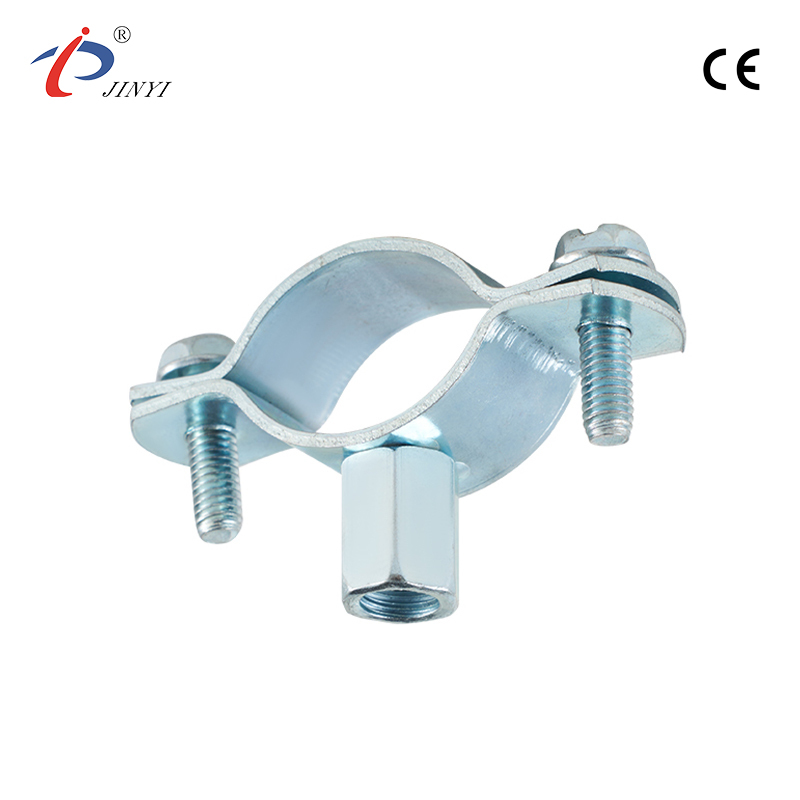
- Securing methods: Options like bolting, welding, or clamping each influence the installation process and how accessible the bracket remains for future servicing.
A bracket that facilitates efficient installation not only cuts down on labor time and costs but also helps avoid setup errors that might impact safety or system dependability.
Considering Cost in Relation to Long-Term Value
Opting for the cheapest bracket available can seem appealing at first, but the hidden costs of potential problems often prove far greater. Failures from an inadequate bracket may cause:
- Leaks and resulting production interruptions
- Frequent repairs and early replacements
- Increased safety concerns for your team
By selecting a high-quality bracket from the start, you gain dependable performance, improved safety, and substantially reduced overall ownership expenses in the long run.
Incorporating Customization and Specialized Enhancements
Industrial systems across various sectors can achieve optimal performance through brackets featuring targeted customizations and advanced elements, including:
- Adjustable extensions or multi-position mounting for enhanced versatility
- Inbuilt vibration mitigation technology for superior steadiness
- Custom protective finishes suited to demanding or corrosive settings
- Minimalist, efficient layouts ideal for installations with space constraints
In high-precision fields such as aerospace engineering, pharmaceutical production, petrochemical facilities, and robust machinery applications, purpose-built custom brackets typically offer the exacting standards of fit, durability, and efficiency demanded.
Ensuring Rigorous Testing and Full Compliance
Brackets for industrial environments are expected to satisfy key industry standards and maintain valid certifications. Essential checks involve:
- Detailed load evaluations to prove resilience against both constant and variable forces
- Confirmed material credentials demonstrating effective corrosion protection and enduring mechanical reliability
- Complete alignment with mandatory guidelines, especially in regulated areas like food manufacturing, pharmaceuticals, or chemical operations
Adhering to these standards provides strong operational safeguards while effectively managing potential risks and compliance obligations.
Drawing on Professional Knowledge and Support
For complex or bespoke setups, partnering with seasoned experts frequently delivers outstanding outcomes. Established manufacturers and qualified engineers are equipped to provide:
- High-precision CAD representations and models for meticulous design and fitting
- Informed suggestions precisely matched to your particular operational needs
- End-to-end guidance covering tailored development, manufacturing, and deployment
Engaging specialist advice right from the planning phase prevents avoidable issues and secures a bracket that comprehensively fulfills the distinct demands of your setup.
Choosing the right manifold bracket goes far beyond merely holding a component in place. It requires careful consideration of operational requirements, environmental factors, material characteristics, system compatibility, installation practicalities, and long-term economic benefits.
With a well-chosen bracket from JINYI, you gain enhanced system stability, minimized component wear, effective leak prevention, and improved overall operational performance. In any industrial setup, each part plays a vital role. A quality JINYI manifold bracket works discreetly in the background, reliably supporting the safety and efficiency of your complete operation.


- 210 Jinhai Avenue, Lupu Economic Development Zone, Yuhuan City, Taizhou City, Zhejiang Province.
- +86-576-87423248 / +86-576-87499120
- +86-17769979117 / +86-13750801289
- +86-576-87425996
- [email protected] / [email protected]

