


 русский
 Español
How Does a Wall Radiator Bracket Impact Heat Distribution
2026-03-30
Wall Radiator Bracket in Home Heating Installations: Real Talk from the Field
You walk into any renovation job or utility room and it's the same picture every single time. Pipes running along the walls, radiators waiting to be hung, and the crew trying to get everything mounted straight without extra trips back to the van. The wall radiator bracket has turned into part of the daily grind for plumbers, heating installers, and property maintenance teams, but a lot of guys still end up wasting time figuring out which bracket actually fits the job, how to get it on the wall right, and how to stop it from loosening up after a few seasons.
That's exactly why these six questions keep coming up on every job. This piece puts together the answers we hear the most. No theory, just the stuff that actually works when you're trying to keep the install moving and the heat flowing without constant fiddling. We'll walk through how to install the bracket on different walls, which types match different radiators, tips for choosing one that fits your heating setup, why placement matters for even heat, the right spot for easy access later, and the simple care that keeps everything running steady day after day.
How to Install a Wall Radiator Bracket on Different Wall Types
Putting a wall radiator bracket on different wall types isn't hard once you stick to the same order every time. You start by marking the exact spot where the radiator is going to hang. Measure it twice so the bracket lines up clean with the pipe connections and the radiator sits level when it goes up.
Then you fix the bracket itself. Use the holes it comes with and fasten it down with the right anchors for whatever wall you're on — concrete, brick, drywall, or wood all take different screws and plugs. Make sure the bracket sits dead level because even a little tilt can make the radiator sit crooked and throw the heat off later. Slide the radiator onto the bracket, tighten the connection nuts, and give it a light tug to check nothing moves.
Keep a short list in the van: level, tape measure, drill, and the right anchors and screws. The two things crews mess up most are skipping the level check after fixing it down or grabbing the wrong anchor for the wall material. Solid masonry walls usually go quick with heavy plugs. Drywall or stud walls need extra care with toggles or backing plates so the bracket does not pull loose over time. Outdoor or garage walls sometimes need a small weather cover added after everything is tight.
Different wall types need small tweaks. Brick or block walls take standard masonry anchors and hold steady for years. Stud walls in newer homes often need you to find the timber first and screw straight into it. The basic steps stay exactly the same — mark, level, secure, test — but the fixing method changes with the wall. Take a minute on that first install. Open the heating line slow after you finish and watch for any leaks or shifting. Most crews get the whole thing done in under forty minutes once they have the routine down for each wall type.
What Types of Wall Radiator Bracket Suit Different Radiator Sizes and Rooms
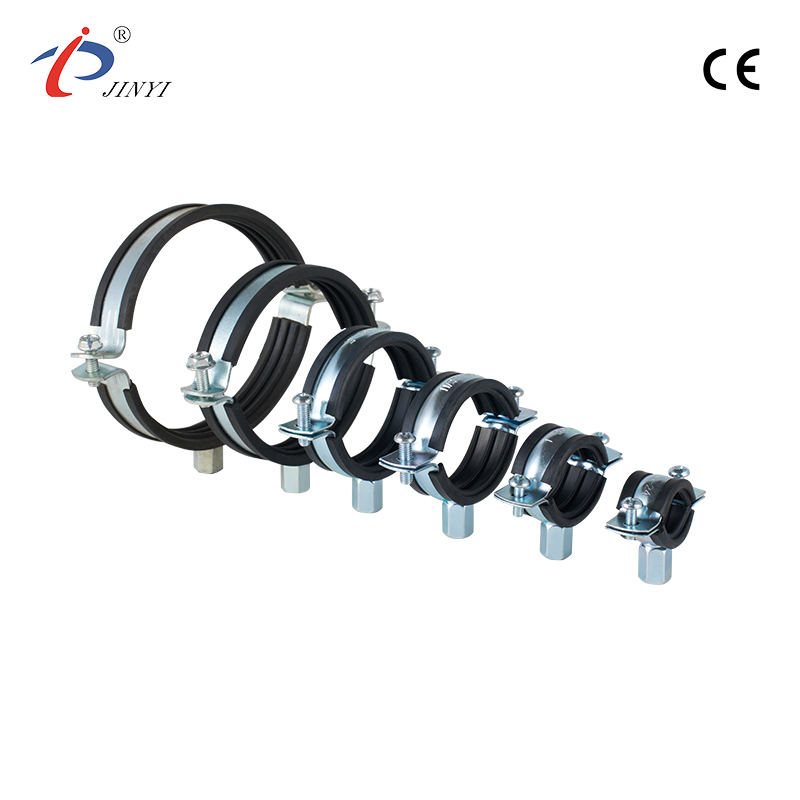
Not every wall radiator bracket works the same for every radiator you hang. The type you grab has to match the radiator size, the room layout, and whether the spot is in a living area or a utility space. Standard fixed brackets handle most steel or cast-iron radiators in regular rooms where the unit sits flat against the wall. Adjustable brackets come in handy when the radiator needs to sit a little farther out for pipe routing or when the wall is not perfectly straight.
Size makes a big difference. Smaller brackets fit the compact radiators you see in bathrooms or hallways. Medium brackets work for the standard living-room sizes that heat a typical space. Larger brackets are made for the long or tall radiators in bigger rooms or commercial areas that need extra support across the length. The bracket arms need enough reach to hold the weight without bending, but not so much that the radiator sits too far from the wall and loses heat into the room.
The room changes things too. Living rooms often use brackets that keep the radiator close to the wall for a clean look. Kitchens or utility rooms sometimes need brackets with extra clearance so you can clean behind them or run pipes easier. Some jobs use corner brackets or angled ones when the radiator goes near a window or in an alcove. In daily work crews keep notes on which bracket gave the cleanest hang for each radiator size and room. After a while that list turns into a quick cheat sheet so the next job starts with the right one instead of guessing. Switching between types stays easy when you keep the common sizes organized in the van or on the shop shelf.
Tips for Choosing a Wall Radiator Bracket That Matches Your Heating Needs
How many radiators you install each week pretty much decides the wall radiator bracket you end up using. Whether you do a few house jobs or run bigger apartment or commercial batches, the manufacturer needs to understand that volume and keep brackets coming at the speed your crews actually move.
Here's a short checklist that helps sort the options:
- Does the bracket range cover the radiator sizes and wall types you work with most?
- How quick can they send replacements when something gets damaged on site?
- Do they give clear notes that new guys can follow without calling back?
- Can they make small changes to the design if your typical jobs shift later?
A quick look at sample brackets or a stop at the manufacturer's shop tells you more than any list ever will. You can feel the weight, check how the arms line up, and see how easy the radiator slides onto the bracket. Talking through your usual job mix and turnaround time shows whether the supply will stay smooth.
Crews doing moderate numbers usually do fine with standard brackets that ship fast. Teams on higher volume look for manufacturers who can keep a bit of stock ready. The right wall radiator bracket manufacturer explains how their brackets hold up after lots of installs and what small habits help them last longer in regular use.
Some crews also ask about custom options when they need a slight tweak without ordering a whole new design every time. The manufacturer that handles both regular wall radiator brackets and small custom runs usually fits a wider mix of field work.
Trying a sample bracket on your next job is still the fastest way to know for sure. One or two installs show whether it stays steady and whether the radiator sits level without extra packing.
Why Proper Wall Radiator Bracket Placement Matters for Even Heat Distribution
Proper wall radiator bracket placement affects how evenly the heat spreads through the room. When the bracket holds the radiator level and at the right height, the hot water flows the way it should and the warmth reaches across the space instead of pooling at the bottom. A tilted or loose bracket can let the radiator sit crooked, which makes one side hotter than the other and leaves cold spots farther away.
Placement also matters for how long the system actually lasts. A bracket that keeps the radiator away from heavy wall movement or pipe vibration cuts down on wear on the valves and joints. In rooms with foot traffic or near doors, a good bracket acts like a small cushion and keeps everything from shaking loose over time.
A lot of crews check placement twice — once when they mark the spot and again after the radiator is hung. A quick level check and a light push test tell you whether the setup will hold under normal daily use. Over time crews learn that spending an extra minute on placement saves hours of chasing uneven heat complaints down the road.
The result is rooms that feel comfortable all the way through and crews that spend less time going back to the same job to fix little issues.
Where to Position a Wall Radiator Bracket for Easier Access and Maintenance
The smart spot for a wall radiator bracket puts it at a height and place that makes daily checks and future service simple. Most crews mount it so the top of the radiator sits between 1.2 and 1.5 meters off the ground. That height keeps the air vents and valves easy to reach for whoever is bleeding the system or doing routine work.
Leave clear space around the bracket on all sides. You need room to reach the bleed valve, read the temperature if there is one, and pull the radiator off for service without fighting other pipes or furniture. Crowding it into a tight corner or behind a door usually creates extra work the next time someone has to service it.
For living rooms many crews place the bracket under a window so the warm air rises and mixes with the cold air coming in. Utility rooms or hallways often go on the main wall right after the pipe run so everything stays in one straight line. Apartment jobs sometimes use a staggered layout when several radiators sit side by side so each one has its own clear access path.
Mark the spot on the plans early so the bracket ends up in the right place before the pipes get sealed in. Good lighting around the area also makes bleeding the radiator quicker on dark days. The same rule works whether you're doing house installs, apartment blocks, or small commercial spaces: put it where people can reach it easy and service stays simple.
How to Maintain a Wall Radiator Bracket for Steady Everyday Operation
Daily care keeps wall radiator brackets working without surprises. After each install you wipe the bracket and the area around the radiator to clear any dust or pipe residue before it hardens. A quick look that the bolts are still tight takes less than a minute and stops small movement from turning into bigger problems later.
Once a month crews should give the bracket a closer check. Look at the mounting points for any wear, make sure the level is still good, and clean any buildup that could affect the radiator. Lubricate the adjustment slots on adjustable brackets if the notes say to do it.
Every six months a deeper look makes sense. Test that the bracket still holds the radiator steady under normal use, check the fixing hardware for corrosion, and write the results in a simple job log. After a while you start seeing patterns before they turn into real headaches.
Seasonal changes need attention too. In colder months watch for condensation that can loosen fittings over time. In warmer or humid conditions make sure the area around the bracket stays clear of dust. Small habits add up: keep spare bolts and anchors in the van, store extra brackets flat so they don't bend, and make sure every crew follows the same quick-check steps.
Stick to the routine and the brackets stay ready for the next job and the radiators keep giving steady heat day after day.
The six areas we covered — installation steps on different walls, matching brackets to different radiators, tips for choosing the right one, why placement matters for heat, the right spot for access, and daily maintenance — hit most of the real questions that come up on heating jobs. Paying attention to these points helps the wall radiator bracket part of the work run without turning into a daily headache.
Picking a wall radiator bracket manufacturer that actually fits your needs and using the brackets the way they are meant to be used matters more than simply ordering the parts. We have focused on wall radiator brackets for many years and keep both ready stock and custom options available. Free technical advice and basic installation guidance come with every order.
Click below to see the current range. Leave your radiator size and typical job type in the comments and we can suggest the configuration that lines up with your work. Scan the QR code to receive the installation guide and maintenance checklist.
FAQ
How long does it take to install one wall radiator bracket? Most crews finish the mounting and radiator placement in under forty minutes once they follow the same order every time.
Do different radiator sizes need different brackets? Yes. Smaller radiators use compact brackets while larger ones need heavier support across the length to stay steady.
Is a special tool set required for installation? A basic level, tape measure, drill, and the right anchors are usually enough for most walls.
How often should the bracket be checked after installation? A quick visual check after the first week and then once a month keeps everything secure.
Can the same bracket work for both heavy cast-iron and lighter steel radiators? Some adjustable brackets handle both, but heavier radiators usually need extra support at the mounting points.
Does bracket position affect heat distribution? Yes. Keeping the radiator level and at the right height helps the warm air move evenly through the room.
Are there special tips for different wall materials? Yes. Masonry walls use standard plugs while stud walls need backing or toggles to hold steady over time.


- 210 Jinhai Avenue, Lupu Economic Development Zone, Yuhuan City, Taizhou City, Zhejiang Province.
- +86-576-87423248 / +86-576-87499120
- +86-17769979117 / +86-13750801289
- +86-576-87425996
- [email protected] / [email protected]

