


 русский
 Español
-
How to Choose a Shower Tray Support Frame

Nov 24, 2025
What to Consider When Choosing a Shower Tray Support Frame
Shower tray support frames play a crucial role in bathroom installations by ensuring the tray remains stable, level, and secure. Selecting the right frame is essential not only for durability but also for preventing leaks, uneven surfaces, and long-term maintenance issues. This guide explores practical considerations for choosing a shower tray support frame that meets both functional and environmental needs.
Understanding the Role of a Shower Tray Support Frame
A shower tray support frame provides the foundation for the tray, distributing weight evenly and maintaining proper alignment. Without a solid frame, trays may warp, shift, or stress plumbing connections over time. Proper support enhances user safety, preserves the integrity of surrounding structures, and ensures a smooth installation process.
Material Selection
The material of a support frame directly impacts its longevity, strength, and resistance to moisture. Common options include:
- Metal Frames: Typically made of steel or aluminum, metal frames offer strong support and resist deformation under heavy loads. Protective coatings can improve corrosion resistance in humid environments.
- Plastic or Polymer Frames: Lightweight and corrosion-resistant, these frames are easier to handle and suitable for residential bathrooms with standard trays. They may be less ideal for very heavy or large trays.
- Composite Frames: Combining metal and reinforced polymers, composite frames provide a balance of strength and moisture resistance while remaining relatively lightweight.
When selecting a material, consider environmental conditions, tray size, and expected load to ensure long-lasting performance.
Size and Compatibility
A frame must match the shower tray dimensions accurately. Incorrect sizing can lead to uneven support, gaps between the tray and frame, or instability during use. Check manufacturer specifications for tray dimensions, recommended frame types, and any adjustable options that allow fine-tuning during installation.
Installation and Adjustability
Frames with adjustable heights or modular components provide greater flexibility during installation. This feature can help accommodate floor level variations, plumbing layouts, or specific bathroom designs. Consider frames that include clear instructions and easy mounting features to reduce installation errors and save time.
Load Capacity and Stability
The support frame should be capable of handling the combined weight of the tray, water, and user safely. Evaluate frames for:
- Even weight distribution across all support points
- Resistance to bending, warping, or shifting under pressure
- Compatibility with additional reinforcement options, if needed
Proper load management prevents long-term damage and enhances safety.
Moisture Resistance and Maintenance
Bathrooms are high-humidity environments, making moisture resistance a critical factor. Materials that resist corrosion, mold, or water absorption reduce maintenance requirements and extend the life of the frame. Frames designed with easy-to-clean surfaces or removable components can further simplify upkeep.
Cost and Sourcing
While cost is important, balance price with material quality, stability, and durability. Choosing a frame solely based on lower cost may compromise safety and longevity. Consider local availability and warranty options to ensure a reliable purchase.
Selecting the right shower tray support frame requires careful attention to material, size, adjustability, load capacity, and moisture resistance. By evaluating these factors, manufacturers, contractors, and homeowners can ensure a safe, durable, and efficient bathroom installation.
A well-chosen support frame not only stabilizes the shower tray but also contributes to consistent performance and reduced maintenance over time, protecting both the plumbing system and bathroom surfaces.
How Shower Tray Support Frames Improve Bathroom Stability
Shower tray support frames are an essential part of a stable and durable bathroom installation. Beyond simply holding the tray in place, these frames contribute to structural integrity, evenly distribute weight, and reduce long-term maintenance issues. Understanding the ways support frames enhance stability helps homeowners and contractors make informed decisions.
Even Weight Distribution
A properly installed support frame ensures that the shower tray's weight is spread evenly across the floor. Uneven support can cause trays to bend or sag, which may lead to cracks, water leakage, or damage to surrounding tiles. Frames with multiple support points or adjustable legs allow for precise leveling, reducing stress on the tray and maintaining a flat surface.
Enhanced Tray Alignment
Shower tray support frames help maintain correct alignment between the tray and plumbing connections. Misalignment can cause water pooling, leaks, or strain on pipes. Frames designed with adjustable height or modular sections make it easier to achieve precise placement, ensuring both functional and aesthetic alignment in the bathroom.
Vibration Reduction
Daily use of a shower can produce vibrations that may shift trays or loosen connections over time. Support frames with secure mounting and solid construction minimize movement, keeping trays stable and preventing noise or wobbling. Reducing vibration also protects pipes and seals from premature wear.
Load Support for Safety
Support frames are designed to hold the combined weight of the tray, water, and users safely. Choosing frames with adequate strength prevents deformation or instability under pressure. Some frames incorporate reinforced sections or cross-bracing to further increase load capacity, offering peace of mind in high-use bathrooms.
Moisture and Environmental Considerations
Bathrooms are humid environments, and prolonged exposure to water can affect both trays and supporting structures. Frames made from moisture-resistant materials such as treated metals, polymers, or composites maintain stability over time. Proper material selection reduces corrosion, prevents weakening of structural elements, and ensures the tray remains secure.
Maintenance and Longevity
A stable frame contributes to long-term maintenance benefits. Frames that prevent movement or sagging reduce wear on trays, seals, and surrounding tiles. Additionally, modular or easily adjustable frames simplify inspections, cleaning, and future repairs without dismantling the entire installation.
Example Overview of Stability Benefits
Benefit Description Impact on Bathroom Weight distribution Spreads load evenly across floor Reduces tray bending or sagging Tray alignment Keeps tray level and aligned with plumbing Prevents leaks and water pooling Vibration reduction Minimizes movement during use Protects pipes and seals Load support Handles combined weight of tray and users Ensures safety and stability Moisture resistance Uses corrosion-resistant materials Extends frame and tray life Maintenance-friendly Modular or adjustable design Simplifies inspection and cleaning Shower tray support frames are more than simple brackets—they are foundational elements that improve bathroom stability, safety, and longevity. By distributing weight, reducing vibration, maintaining alignment, and resisting moisture, these frames protect the shower tray and surrounding structures.
Selecting and installing a suitable support frame ensures a reliable and low-maintenance bathroom, providing peace of mind for homeowners and efficiency for contractors.
Why Using a Quality Shower Tray Support Frame Protects Your Flooring
A shower tray support frame plays a crucial role not only in stabilizing the tray but also in safeguarding the underlying flooring. Poorly supported trays can transmit weight unevenly, cause water leakage, or damage tile and subfloor materials. Using a reliable frame ensures that floors remain protected while maintaining the overall integrity of the bathroom installation.
Preventing Sagging and Structural Damage
When a tray lacks adequate support, the floor beneath may experience excessive stress. Over time, this can lead to sagging, cracks in tiles, or even damage to wooden subfloors. A sturdy frame distributes weight evenly across the installation area, reducing the risk of structural deformation and extending the lifespan of both the tray and the floor.
Reducing Water Leakage Risk
Misaligned or unsupported trays can create gaps where water seeps into the subfloor. Continuous moisture exposure can weaken flooring materials, promote mold growth, and increase maintenance costs. Support frames maintain proper tray positioning, ensuring that all edges and seals remain tight. This alignment reduces the chance of leaks, keeping the floor dry and secure.
Enhancing Tray Stability
Daily use of a shower exerts repeated forces on the tray. Without a supportive frame, even slight movement can create stress points on tiles or joints beneath the tray. A high-quality support frame minimizes movement, absorbs vibrations, and stabilizes the tray during use. By maintaining stability, the flooring stays protected and the bathroom environment remains safe.
Compatibility with Various Floor Types
Different bathroom floors require different levels of support. Concrete, wooden, or composite subfloors can respond differently under weight and moisture. Frames designed with adjustable height or modular support points allow for precise leveling, ensuring that the tray sits evenly and prevents uneven pressure on any part of the floor.
Longevity and Maintenance Benefits
Investing in a durable frame simplifies long-term maintenance. Floors are less likely to develop cracks or water damage, reducing the need for repairs or replacements. Additionally, frames that allow for easy adjustments and inspection make it simpler to monitor the tray and subfloor condition, ensuring ongoing protection for the flooring.
Example Overview of Flooring Protection Benefits
Feature Description Flooring Impact Even weight distribution Spreads load across subfloor Reduces sagging and cracks Leak prevention Maintains tray alignment and seal integrity Protects subfloor from moisture damage Vibration absorption Stabilizes tray during use Minimizes stress on flooring Adjustable support points Compatible with multiple floor types Ensures even pressure and prevents damage Easy maintenance Simplifies inspection and adjustments Extends flooring lifespan A quality shower tray support frame safeguards the flooring by distributing weight evenly, preventing leaks, reducing vibrations, and accommodating different floor types. Proper installation and use of these frames ensure a safe, stable, and low-maintenance bathroom.
Protecting the subfloor is as important as securing the tray itself, and a well-designed support system ensures both long-lasting performance and peace of mind for homeowners and contractors alike.
-
How Can a Water Meter Bracket Be Installed Safely
Nov 21, 2025
How to Install a Water Meter Bracket Safely and Efficiently
Water meter brackets are essential components in plumbing systems, providing secure support for water meters and ensuring stable connections. Installing these brackets correctly is important for preventing leaks, maintaining accurate measurements, and extending the service life of the plumbing setup. This guide outlines practical steps and considerations to achieve a safe and efficient installation.
Understanding the Purpose of a Water Meter Bracket
Before installation, it is important to understand why water meter brackets are necessary. These brackets hold the water meter in place, preventing movement that could damage pipes or connections. Proper support ensures accurate readings and reduces the risk of costly repairs in the future.
Choosing the Right Location
Selecting an appropriate location is the first step in a successful installation. The bracket should be positioned where the meter is easily accessible for reading and maintenance. Avoid areas with excessive vibration, moisture accumulation, or obstacles that may interfere with pipe alignment.
Careful location planning also ensures compliance with local plumbing regulations and helps avoid potential interference with other utilities.
Preparing the Installation Area
A clean, stable surface is key for mounting the bracket. Remove debris, dust, or any loose materials around the installation site. Ensuring a flat and stable surface allows the bracket to sit securely, which reduces stress on the pipes and water meter.
Marking the exact positions for screws or fasteners before drilling can save time and prevent errors during installation.
Mounting the Bracket
Begin by aligning the bracket with the marked positions. Use appropriate fasteners for the surface material, such as wall anchors for concrete or screws for wood. Ensuring the bracket is level and firmly secured is critical for stability.
Double-check the alignment with the pipe before final tightening. Misalignment can lead to strain on joints and connectors, which may affect meter accuracy or cause leaks over time.
Connecting the Water Meter
Once the bracket is secured, carefully attach the water meter. Ensure that the meter is fully supported by the bracket and that no weight is resting solely on the pipes.
Verify that all connections are tight, leak-free, and properly aligned. Proper support reduces the chance of mechanical stress on fittings and maintains smooth water flow.
Safety Considerations
While installing a water meter bracket, always follow basic safety practices:
- Wear protective gear, such as gloves and safety glasses.
- Avoid working near live electrical sources.
- Use appropriate tools to prevent damage to the bracket or surrounding surfaces.
- If unsure about local plumbing codes or standards, consult a professional.
These precautions help prevent accidents and ensure a durable installation.
Maintaining Your Installation
After installation, regular inspection of the bracket and water meter can prevent long-term issues. Check for loose fasteners, signs of corrosion, or any movement in the bracket.
Routine maintenance extends the life of both the bracket and the water meter, ensuring reliable performance over time.
Installing a water meter bracket safely and efficiently requires proper planning, correct positioning, careful mounting, and adherence to safety standards. By following these steps, manufacturers, contractors, and homeowners can ensure that water meters remain stable, accurate, and durable.
A well-installed bracket not only protects plumbing systems but also contributes to consistent water measurement and smooth operation.
Which Materials Make the Most Reliable Water Meter Brackets
Choosing the right material for a water meter bracket is a key step in ensuring a stable and long-lasting plumbing setup. The material affects durability, resistance to corrosion, weight support, and overall performance. By understanding the characteristics of different options, manufacturers, contractors, and homeowners can select brackets that meet both functional and environmental requirements.
Metal Brackets
Metal brackets, such as those made from steel or aluminum, are widely used due to their strength and durability. They provide robust support for water meters and can handle moderate to heavy pipe loads without deformation.
Advantages of metal brackets include:
- High load-bearing capacity
- Resistance to bending under weight
- Compatibility with various mounting surfaces
Potential considerations involve preventing corrosion, particularly in moist environments. Using protective coatings or stainless alloys can help extend service life.
Plastic and Polymer Brackets
Plastic or polymer brackets are lightweight and easy to install. They are often chosen for residential applications or areas where corrosion resistance is a priority.
Key benefits include:
- Resistance to moisture and rust
- Flexibility in design and shape
- Easier handling and installation
While they may not support very heavy pipes as well as metal, modern polymer composites provide sufficient strength for standard water meter setups and reduce maintenance concerns.
Composite Brackets
Composite brackets combine materials such as reinforced plastic with metal inserts. This hybrid design provides a balance between strength, corrosion resistance, and installation flexibility.
Advantages include:
- Adequate load capacity
- Reduced risk of corrosion compared to all-metal options
- Durability for long-term use in varying environments
Composites can be tailored for specific needs, offering both reliability and adaptability in residential and commercial installations.
Considerations for Material Selection
When selecting a water meter bracket material, several factors should guide the decision:
- Environment – Moisture, temperature fluctuations, and chemical exposure affect longevity.
- Load Requirements – The weight of pipes and meters determines the necessary strength.
- Maintenance Needs – Materials that resist rust or corrosion reduce upkeep.
- Installation Ease – Lighter materials may simplify handling and positioning.
- Cost and Availability – Budget constraints and local sourcing influence choices.
Comparison Table of Common Bracket Materials
Material Strength Corrosion Resistance Ease of Installation Suitable Applications Steel High Moderate (coating recommended) Moderate Industrial, heavy-duty setups Aluminum Medium High Moderate Residential or moderate load Plastic / Polymer Low to Medium Very High Easy Residential, indoor use Composite Medium High Moderate Mixed residential and commercial Selecting the right material for water meter brackets is essential for stable and durable installations. Metals offer strength, plastics provide corrosion resistance and ease of installation, and composites balance both qualities.
By evaluating environmental conditions, load requirements, and maintenance expectations, users can choose brackets that ensure safe, reliable support for water meters over time. Proper material selection contributes to a smooth, low-maintenance plumbing system and enhances the longevity of both brackets and meters.
What Factors Affect the Durability of a Water Meter Bracket
Water meter brackets play a crucial role in plumbing systems by providing secure support and maintaining the proper alignment of water meters. The durability of these brackets is influenced by several factors, which can impact the longevity and reliability of both the bracket and the connected pipes. Understanding these factors helps manufacturers, contractors, and homeowners select and maintain brackets that perform well over time.
Material Quality
The material used for a water meter bracket is one of the most important factors affecting durability. Brackets made from strong metals or reinforced polymers generally withstand wear and stress better than low-quality materials.
- Metal brackets offer high structural integrity but may require protective coatings to resist corrosion.
- Plastic or polymer brackets are less prone to rust but may deform under excessive weight or impact.
- Composite designs combine multiple materials to balance strength and resistance to environmental factors.
Choosing the appropriate material for the installation environment is essential for long-term performance.
Environmental Conditions
Exposure to moisture, temperature changes, and chemicals can significantly affect bracket life. Brackets installed in humid or outdoor locations may be more prone to corrosion or material degradation.
Key environmental factors include:
- Humidity and water contact
- Seasonal temperature variations
- Exposure to cleaning agents or plumbing chemicals
Proper material selection and protective measures can help reduce the effects of environmental stress.
Installation Practices
Even the strongest bracket can fail if installed incorrectly. Factors related to installation that affect durability include:
- Proper alignment and leveling of the bracket
- Secure fastening to a stable surface
- Avoiding excessive force that may stress the bracket or pipes
Following recommended installation steps ensures the bracket maintains its integrity and supports the water meter effectively.
Load and Usage
The weight of the water meter and connected pipes, along with any additional forces, affects the longevity of the bracket. Heavy loads, vibration, or frequent movement may weaken the structure over time.
Considerations include:
- Supporting weight evenly across the bracket
- Minimizing stress on joints and connectors
- Accounting for potential expansion or contraction of pipes
Monitoring load distribution helps prevent premature wear or damage.
Maintenance and Inspection
Regular inspection and maintenance extend the life of a water meter bracket. Checking for signs of corrosion, loose fasteners, or cracks allows early intervention before major issues develop.
Maintenance tips include:
- Tightening loose screws or anchors
- Cleaning debris or sediment from mounting areas
- Replacing worn or damaged components promptly
A proactive approach to upkeep ensures reliable performance and prevents unexpected failures.
The durability of a water meter bracket depends on material selection, environmental exposure, installation quality, load management, and regular maintenance. By understanding these factors, manufacturers and users can make informed choices that enhance reliability and longevity.
A well-chosen and properly maintained bracket not only supports the water meter effectively but also contributes to the overall efficiency and safety of the plumbing system.
-
How to Install a Shower Tray Frame Step by Step
Nov 19, 2025
Installing a shower tray correctly is essential for ensuring stability, durability, and waterproof performance in your bathroom. The JINYI Shower Tray Frame 8006 is designed to make installation easier, faster, and more reliable. In this step-by-step guide, we'll walk you through the process of installing the 8006 frame like a professional.
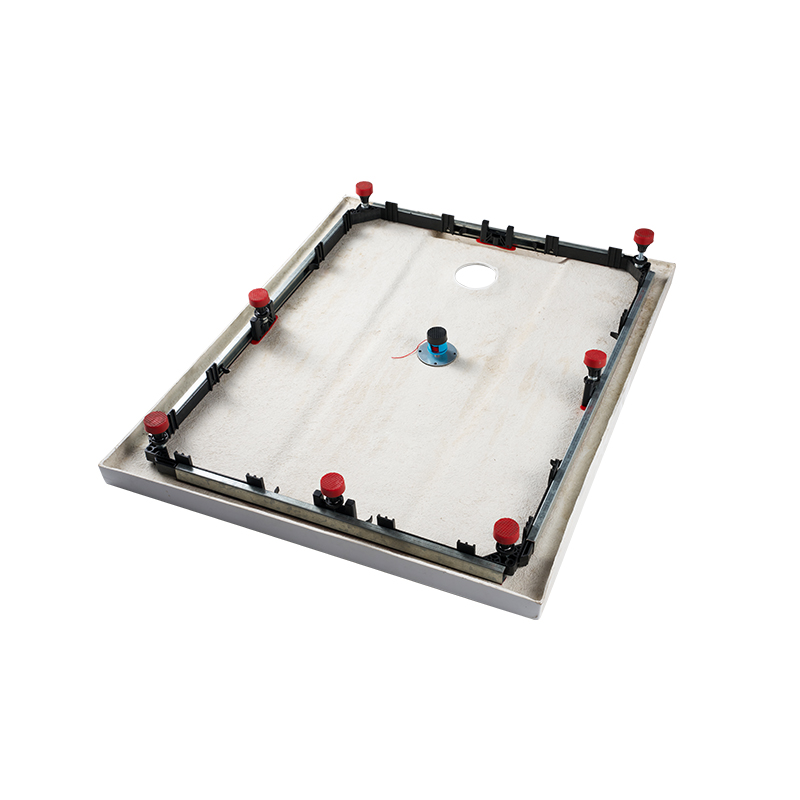
Why Choose the JINYI 8006 Shower Tray Frame?
The JINYI 8006 model is a high-quality adjustable support frame for shower trays. Made from durable steel with anti-corrosion treatment, it offers:
Strong load-bearing capacity
Adjustable legs for perfect leveling
Quick assembly structure
Long-lasting stability
This makes it an ideal choice for residential bathrooms, hotels, and renovation projects.
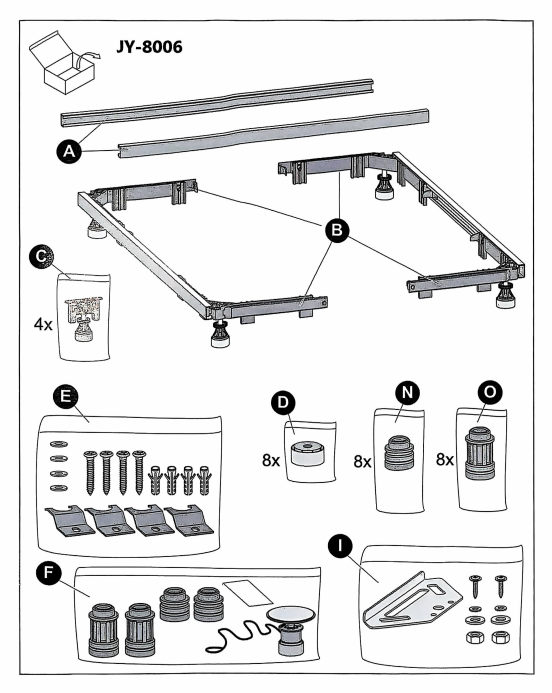
Tools You Will Need
Before starting, prepare the following tools:
Electric drill
Screwdriver
Tape measure
Spirit level
Adjustable wrench
Step-by-Step Installation Guide
- Prepare the Area
Make sure the bathroom floor is clean, level, and dry. Measure the dimensions of your shower tray to confirm the correct frame size.
- Assemble the Frame
Lay out all the frame parts of the 8006 model. Connect the side bars and corner joints using screws provided in the package. Ensure the frame is square and secure.
- Attach Adjustable Legs
Install the adjustable support legs onto the frame. Tighten them with a wrench, but leave enough room for later height adjustment.
- Place the Frame in Position
Move the assembled frame to the installation area. Use a spirit level to check the alignment. Adjust the legs until the frame is perfectly level.
- Fix the Frame to the Floor
Once leveled, drill pilot holes in the marked positions and secure the frame with screws and expansion plugs. This ensures the shower tray frame stays firm and stable.
- Install the Shower Tray
Carefully place the shower tray onto the frame. Double-check the level and stability. Apply sealing around the edges to ensure waterproof protection.
Final Tips
Always double-check measurements before drilling.
Do not overtighten screws to avoid damaging the frame.
Use professional sealing materials for long-lasting waterproofing.
Conclusion
Installing the JINYI Shower Tray Frame 8006 is straightforward with the right tools and careful steps. With its durable steel construction and adjustable design, the 8006 model provides the perfect solution for both DIY users and professional contractors.
For more information, please visit: https://www.yh-jinyi.com
For inquiries or samples: WhatsApp +86 13750801289
-
How Can You Ensure a Stable and Safe Shower Base
Nov 17, 2025
Bathroom Stability: Installation Methods for Shower Bases Support Frames
In contemporary bathroom design, ensuring stability, hygiene, and long-term reliability is paramount. A Shower Bases Support Frame plays a crucial role in achieving these goals, providing the structural foundation necessary for maintaining the alignment, safety, and performance of the shower system. While often unseen, the frame determines how weight is distributed, plumbing connections are aligned, and maintenance can be carried out efficiently. Selecting the appropriate installation method is essential, as different approaches suit varying base types, flooring materials, and bathroom layouts.
Preparing the Floor and Assessing Subfloor Conditions
Successful installation begins with a thorough evaluation of the subfloor. Bathrooms may feature a variety of flooring types, including concrete slabs, wooden joists, or composite panels. Each material interacts differently with the support frame. A level, stable surface is critical for distributing weight evenly and preventing stress points that could cause movement or damage to the shower tray. Uneven or sloped floors may necessitate the use of adjustable legs or shims to achieve proper alignment. Taking the time to assess the subfloor ensures the foundation for a safe and long-lasting installation.
Securing the Frame: Fasteners vs Adhesive
Once the subfloor is prepared, the frame must be anchored securely. Installation options generally include mechanical fasteners or adhesive methods. Fasteners offer rigid support, often preferred in commercial settings where heavy loads or high-traffic usage demand maximum stability. Adhesive-based installation, meanwhile, is practical for residential spaces where drilling may damage tiles or subflooring. Adhesives can provide reliable support while minimizing disruption to the surrounding area.
Regardless of the chosen method, proper anchoring ensures the frame remains fixed under daily use. A stable foundation prevents tray movement, protects plumbing connections, and contributes to the long-term durability of both the shower base and the surrounding floor materials.
Aligning with Plumbing and Drainage Systems
Correct alignment with the drain outlet is critical for proper water flow. Misaligned frames can result in pooling, leaks, or uneven drainage, leading to long-term structural damage. Many modern frames include height and angle adjustment options to facilitate a flush fit with the shower tray and drain system. For more complex bathroom layouts, modular frames with removable sections provide flexibility, enabling precise positioning and reducing the risk of misalignment during installation.
Proper alignment also supports maintenance and inspection. A correctly positioned frame simplifies access to plumbing components, making it easier to identify potential issues before they escalate. This approach supports a hygienic, safe, and well-maintained bathroom environment.
Prioritizing Maintenance Accessibility
Ease of maintenance is a crucial consideration during installation. Frames designed with liftable panels, removable legs, or modular sections allow cleaning and inspections without dismantling the entire system. This design ensures that bathrooms remain hygienic while reducing the risk of damage during routine upkeep. Accessible frames are especially valuable in high-use or commercial spaces, where consistent performance and cleanliness are essential.
Material Considerations for Installation
Shower Bases Support Frames come in a variety of materials, including corrosion-resistant metals, engineered composites, and durable plastics. Each material requires a suitable installation approach. Metal frames can typically accommodate standard fasteners or anchors, while lighter plastic or composite frames may rely on adhesive pads or interlocking systems. Understanding the properties of each material ensures proper support, stability, and long-term durability under repeated use.
Ensuring Safety and Load Distribution
Safety is the ultimate goal of any support frame installation. Regardless of the method, frames must distribute the load of the shower tray and water evenly across all contact points. Anti-slip feet, reinforced crossbeams, and robust brackets contribute to stability, reducing the risk of cracking or movement during everyday use. Proper installation ensures both structural integrity and confidence for users, creating a secure foundation for the entire bathroom system.
Adapting to Modern Bathroom Layouts
Modern bathrooms often include underfloor heating, integrated plumbing, and non-standard floor shapes. Flexible and modular frame designs accommodate these variations, reducing installation complexity. For renovations, adjustable components allow frames to fit different tray sizes or layouts, ensuring a professional finish even in challenging spaces. This adaptability is key to achieving both efficiency and aesthetics.
Long-Term Maintenance Practices for Support Frames
Installation alone is insufficient to guarantee longevity. Regular maintenance is essential to preserve structural integrity, hygiene, and performance over time. Factors such as humidity, cleaning agents, and daily use can affect stability and corrosion resistance. Implementing a consistent care routine extends the life of the frame and reduces future repair costs.
Routine Cleaning
Cleaning the frame regularly prevents moisture accumulation and material degradation. Using pH-neutral, non-abrasive cleaning solutions avoids damaging protective coatings. Gentle cleaning supports effective water drainage and reduces the buildup of dirt or residue.
Moisture Management
Excess humidity can accelerate corrosion or weaken structural components. Proper ventilation, such as exhaust fans or windows, minimizes prolonged exposure to moisture. For enclosed bathrooms, protective barriers or mats help prevent condensation from collecting around key areas of the frame.
Structural Inspections
Periodic checks are vital for early detection of wear or damage. Inspect legs, crossbeams, brackets, and connection points for signs of corrosion, bending, or loosening. Frames with modular or adjustable sections facilitate tightening or replacement without disassembling the entire system, preserving weight distribution and stability.
Lubrication of Moving Components
Some frames feature adjustable legs or sliding components. Light lubrication with non-corrosive oils ensures smooth operation and prevents wear. Excess lubrication should be avoided, as it may attract dust or interfere with hygiene.
Protection from Chemicals and Physical Damage
Harsh cleaning agents can degrade surfaces, while impacts from heavy objects can bend or scratch frames. Using mild cleaning solutions and careful handling during renovations maintains alignment and protects critical support areas.
Material Longevity
Frames constructed from corrosion-resistant metals, coated steel, or engineered composites provide enhanced durability. Maintaining these materials through cleaning, inspection, and careful use minimizes replacement needs and supports environmental responsibility.
Innovative Frame Designs and Industry Trends
Manufacturers are evolving support frame designs to meet modern bathroom demands. Contemporary frames prioritize flexibility, hygiene, durability, and environmental consciousness.
Modular and Adjustable Features
Frames with adjustable height, angle correction, or modular expansion simplify installation in bathrooms with irregular subfloors or non-standard tray sizes. These designs reduce labor, save time, and ensure precise alignment, particularly in renovation projects.
Integration with Smart Technologies
Some frames are being developed to work with monitoring systems. Embedded sensors can track moisture levels or detect shifts in tray alignment. Early detection helps prevent damage and reduces maintenance requirements, contributing to a safer and more efficient bathroom environment.
Advanced Materials
Durable, corrosion-resistant metals and innovative composites resist rust, moisture, and chemical damage. Eco-friendly coatings and sustainable raw materials support long-term reliability while reducing environmental impact. These materials also enhance ease of handling during installation and maintenance.
Space-Efficient Designs
Modern frames often feature compact profiles and optimized crossbeam arrangements. Slimmer designs allow more underfloor clearance, support underfloor heating, and fit in urban environments with limited space, all while maintaining robust structural support.
Hygiene and Cleanability
Smooth surfaces, minimal gaps, and easily removable components simplify cleaning routines and prevent water pooling. Hygienic design supports safer bathrooms, particularly in high-traffic areas, hotels, or commercial facilities.
Extend Longevity and Performance
Combining proper installation with ongoing maintenance ensures that Shower Bases Support Frames deliver consistent performance over time. Regular cleaning, moisture management, inspection, lubrication, and careful handling protect the frame from corrosion, misalignment, and structural stress. Selecting durable, corrosion-resistant materials and adopting thoughtful installation practices ensures a stable, safe, and hygienic bathroom environment.
By embracing flexible, modular, and innovative designs, homeowners and contractors can achieve bathrooms that are not only functional and aesthetically pleasing but also reliable and long-lasting. High-quality support frames form the foundation for performance, safety, and sustainability, demonstrating that even foundational components play a pivotal role in modern bathroom design.
-
Why Is a Shower Bases Support Frame Essential for Bathroom Stability
Nov 14, 2025
What Makes a Shower Bases Support Frame Essential for Modern Bathrooms
In modern bathroom construction, functionality and stability play a central role in ensuring long-term performance. A Shower Bases Support Frame provides the structural foundation that allows shower systems to remain secure, balanced, and durable. Beyond holding weight, it ensures that water drainage, alignment, and safety standards are properly maintained.
Building the Foundation of Stability
Every shower system requires a dependable base that distributes weight evenly across the floor. Without proper support, floors can experience uneven pressure that may lead to water leakage or surface distortion. A well-structured support frame minimizes such risks by offering balanced reinforcement and helping maintain the integrity of the surrounding installation materials.
Many modern installations combine sleek design with practicality. By integrating the frame beneath the base, contractors achieve a seamless appearance while maintaining accessibility for maintenance. The design not only contributes to visual neatness but also helps align the drainage system efficiently, promoting effective water flow during daily use.
Supporting Structural Integrity
In bathroom renovation or new construction, maintaining a stable base is key to performance over time. The support frame acts as a bridge between the shower tray and the subfloor, distributing pressure evenly. This prevents localized strain, reduces stress on joints, and keeps the base aligned. Such structural integrity is especially valuable in areas where frequent use demands dependable performance.
Moreover, the frame plays a role in sound control and vibration absorption. It minimizes creaking or shifting noises that can occur with unbalanced installations. This quiet operation enhances comfort and promotes a higher perception of build quality.
Function Contribution Practical Benefit Load Distribution Evenly spreads weight Prevents surface deformation Alignment Control Keeps tray balanced Ensures effective drainage Maintenance Access Allows easy inspection Simplifies upkeep Compatibility and Adaptation
Modern bathrooms come in diverse layouts and materials, making adaptability essential. A flexible frame can be adjusted to suit various tray dimensions, flooring types, and installation methods. This compatibility saves time during assembly and ensures a professional finish without extensive adjustments.
In commercial spaces such as hotels or residential projects, quick installation can also reduce downtime. The right frame supports this efficiency by being easy to assemble, secure, and maintain. For manufacturers and contractors alike, it represents a balance between performance and practicality.
Hygienic Design and Safety Considerations
A bathroom must not only be functional but also hygienic. Support frames designed for moisture resistance and easy cleaning help prevent mold or residue accumulation. Smooth surfaces and corrosion-resistant finishes promote cleanliness and longevity, even in humid environments.
Additionally, a stable frame enhances user safety. It minimizes movement beneath the shower tray, preventing cracks or unexpected shifts. These design features align with construction guidelines that prioritize safety without compromising appearance or accessibility.
Sustainable Construction and Material Efficiency
The growing focus on sustainable design extends to bathroom equipment. Frames made from durable and recyclable materials reduce replacement frequency and waste. Efficient use of raw materials during production contributes to an environmentally conscious construction process. Some designs also incorporate adjustable components that can be reused when bathrooms are renovated, reducing the need for entirely new installations.
Energy-efficient manufacturing methods and long-lasting materials align with global efforts to reduce carbon impact. For contractors and developers, such equipment supports environmental certification goals while maintaining functional standards.
Future-Oriented Design Concepts
As bathrooms evolve toward more modular and minimalist layouts, the role of the support frame is expanding. Future designs emphasize simplified installation and compatibility with various flooring materials, including underfloor heating systems. Manufacturers continue to innovate by creating designs that reduce installation time and allow flexible height adjustments.
Smart integration may also play a role in the near future. Some systems are being engineered to monitor moisture levels and detect leaks early. These innovations contribute to proactive maintenance, preventing costly repairs while maintaining consistent performance.
A Shower Bases Support Frame may appear as a simple structural element, yet it serves as a crucial foundation for reliability, safety, and sustainability in modern bathroom construction. Its contribution goes beyond physical support—it enables proper drainage, preserves structural balance, and enhances the overall user experience.
As the demand for functional and efficient bathroom systems continues to grow, choosing high-quality and well-designed support structures ensures long-term stability and comfort. Reliable installation solutions help both homeowners and professionals achieve practical results that align with modern building standards.
How to Choose the Right Shower Bases Support Frame for Long-Term Stability
Selecting a Shower Bases Support Frame is a crucial step in ensuring both functional performance and durability in bathroom installations. While the frame itself might not be visible once the shower is in use, it determines how stable, safe, and efficient the entire system will remain over time. Understanding what to evaluate before purchasing or installing one helps prevent costly maintenance and promotes a smooth, long-lasting experience.
Evaluating the Structural Requirements
Every bathroom has its own construction parameters, including floor material, load-bearing capacity, and water drainage layout. Before choosing a frame, these factors should be carefully considered. The frame must distribute weight evenly to avoid surface distortion or leaks. An uneven or poorly supported base can compromise the balance of the shower tray, leading to structural wear or unwanted movement over time.
When evaluating, look at how the frame integrates with the subfloor and drainage system. The ability to maintain alignment between the tray and drain ensures that water flows efficiently, preventing pooling or uneven drying. This alignment not only improves daily use but also helps preserve surrounding materials from moisture damage.
Choosing Materials that Withstand Moisture and Pressure
Durability begins with the materials used in construction. Moisture resistance is vital since bathrooms are constantly exposed to humidity and temperature changes. A sturdy frame made from corrosion-resistant materials reduces the risk of rust, warping, or deterioration. It ensures the shower system retains stability even after years of use.
The choice of material also influences maintenance requirements. Surfaces that are easy to clean prevent the buildup of dirt and mold. For installers and homeowners alike, this means less time spent on upkeep and more confidence in long-term hygiene.
Selection Factor Consideration Impact on Performance Material Type Corrosion and moisture resistance Increases service life Load Distribution Even weight balance Prevents surface cracking Drainage Compatibility Aligned outlet design Improves water flow Assessing Compatibility and Adjustability
Modern bathroom designs vary in shape and layout. A flexible frame that allows height or angle adjustment can adapt to different floor types and tray models. This adaptability ensures that even minor unevenness in the floor can be corrected during installation, creating a balanced and professional finish.
Compatibility also matters when renovating existing bathrooms. Adjustable legs or modular frame parts make it easier to upgrade or replace components without removing the entire installation. This adaptability saves time and reduces renovation costs, particularly in large housing projects or commercial spaces.
Considering Installation Convenience
An efficient installation process benefits both contractors and homeowners. Frames designed for straightforward assembly and alignment reduce the time required for fitting. Features like accessible adjustment points or integrated fastening mechanisms make it easier to achieve precise positioning.
Additionally, easy access for post-installation maintenance is valuable. Frames that allow panels or trays to be lifted without major dismantling simplify cleaning and inspection. This ease of serviceability helps sustain proper hygiene standards and minimizes downtime for repair.
Prioritizing Safety and Stability
A stable foundation enhances not only durability but also safety. Frames that remain firmly fixed prevent tray movement during use, reducing the risk of cracking or slipping. Anti-slip footings, reinforced brackets, and secure fittings all contribute to the shower's overall reliability.
Furthermore, stability helps maintain the integrity of connected plumbing systems. When the base stays aligned, pressure on pipes and joints remains consistent, minimizing the potential for leaks or breakages. For high-traffic environments, this reliability translates into long-term operational efficiency.
Maintenance and Accessibility Considerations
Maintenance is often overlooked during the buying stage, but it greatly affects longevity. A frame that allows simple access for inspection helps detect early signs of wear, such as loosening joints or corrosion spots. Regular visual checks can prevent major repair costs later.
Frames designed with fewer small gaps and easy-to-remove parts simplify cleaning and protect against moisture accumulation. These subtle design details contribute to the long-term hygiene and aesthetic value of the bathroom.
Sustainability and Longevity in Design
Sustainability is becoming an important consideration in modern construction. Choosing a support frame that uses recyclable materials or modular components contributes to reduced waste. Long-lasting construction also reduces replacement frequency, supporting eco-conscious building practices.
In addition, durable frames mean fewer resources are used throughout their life cycle, aligning with environmental goals while maintaining cost efficiency. The combination of longevity and material responsibility represents a balance between practicality and sustainability.
Selecting a Reliable Manufacturer
When it comes to specialized bathroom components, partnering with a dependable manufacturer ensures consistent quality and support. A supplier with experience in bathroom frame design can provide products that meet both performance and safety expectations. It also allows customization options to match specific installation environments, ensuring the frame integrates seamlessly into existing or new structures.
Working with an experienced provider also offers benefits like product guidance, after-sales service, and technical insights that simplify installation planning. This collaboration helps builders and designers create spaces that are both functional and aesthetically balanced.
A Shower Bases Support Frame may appear as a small part of the overall bathroom setup, yet it serves as the foundation for performance, hygiene, and user comfort. Selecting the right one involves evaluating factors such as material quality, adjustability, installation convenience, and sustainability. Each consideration contributes to a stable and lasting result.
As bathroom design continues to evolve toward efficiency and style, investing in a well-constructed support frame ensures that the space remains reliable, safe, and visually appealing. By focusing on stability, compatibility, and responsible material use, homeowners and builders alike can achieve durable solutions suited for modern living.
Why Proper Support Frames Improve the Safety and Lifespan of Shower Bases
A properly designed Shower Bases Support Frame is essential for ensuring that a bathroom installation remains safe, stable, and long-lasting. While it may seem like a minor component, the frame directly impacts the durability of the shower base, the integrity of connected plumbing, and the overall user experience. Understanding the role of support frames helps homeowners, designers, and installers make informed choices for both new and renovated bathrooms.
Structural Stability and Weight Distribution
The main function of a support frame is to evenly distribute the weight of the shower tray and the water it holds. Uneven load distribution can cause stress points on the base, leading to cracks or deformation over time. Frames designed with adjustable legs or reinforced brackets help maintain balance, even on slightly uneven subfloors.
Feature Purpose Benefit Adjustable Legs Correct floor irregularities Ensures even load distribution Reinforced Brackets Support heavy trays Reduces risk of cracking Crossbeam Structure Adds rigidity Improves long-term stability By stabilizing the base, the frame also supports connected plumbing lines. Pipes remain aligned, reducing the likelihood of leaks or joint stress. A well-supported installation translates into fewer repairs and lower maintenance costs over the years.
Enhanced Safety for Everyday Use
Safety is a key consideration in any bathroom design. Shower bases without adequate support can shift under pressure, increasing the risk of slips or structural failure. Frames that securely hold the tray in place reduce movement and provide a reliable surface for daily use.
In addition, some frames feature anti-slip footings or rubberized supports that improve grip between the tray and the subfloor. This prevents minor vibrations or accidental shifts from compromising safety, particularly in high-traffic households or public facilities.
Materials That Extend Lifespan
The choice of materials significantly influences both safety and durability. Corrosion-resistant metals or engineered composites withstand moisture exposure without deteriorating. Frames constructed from such materials maintain their structural integrity even after years of cleaning and daily water contact.
Durable materials also minimize the need for frequent replacements. This reduces both environmental impact and long-term cost, aligning with modern sustainability practices. Maintenance becomes easier as surfaces resist rust, corrosion, and wear, ensuring that inspections reveal fewer issues over time.
Installation and Accessibility
Frames designed for straightforward installation reduce errors that could compromise safety or performance. Clear alignment indicators, modular components, and adjustable fittings help installers position the tray accurately. Proper setup ensures even contact across all supporting points, preventing stress on weak areas.
Accessible designs also make maintenance simpler. Panels or legs that can be inspected or adjusted without dismantling the entire tray allow for early detection of wear or movement. This proactive approach keeps the shower system functioning efficiently and safely.
Impact on Hygiene and Cleaning
A stable frame also contributes to a cleaner and more sanitary bathroom environment. A level tray prevents water from pooling in corners or beneath the base, reducing the risk of mold or mildew development. Smooth, corrosion-resistant surfaces facilitate easy cleaning, maintaining hygiene standards while protecting the underlying floor from water damage.
Compatibility With Different Shower Designs
Modern bathrooms feature a wide variety of tray shapes and sizes. Support frames that are flexible and modular can adapt to different models and layouts. Adjustable configurations allow for precise alignment with existing plumbing and flooring conditions, which is particularly valuable in renovation projects.
This adaptability not only supports proper function but also enhances visual harmony. A correctly installed base remains flush with surrounding tiles, walls, or flooring, contributing to an overall polished appearance.
Long-Term Cost and Value Considerations
Investing in a quality support frame has tangible long-term benefits. Reduced risk of structural damage means fewer repairs, while extended lifespan decreases the frequency of replacements. Time saved on maintenance and cleaning also contributes to overall efficiency.
Additionally, choosing a frame that aligns with durability and safety standards provides peace of mind for homeowners, contractors, and facility managers. Ensuring that every installation is stable and secure translates into improved user satisfaction and fewer warranty claims.
The importance of a properly installed Shower Bases Support Frame extends beyond structural support. It safeguards users, protects connected plumbing, and prolongs the functional life of the shower base. By carefully considering material quality, adjustability, installation precision, and hygiene impact, bathroom designers and installers can create reliable and lasting solutions.
A focus on stability, safety, and durability not only enhances daily use but also supports sustainable construction practices. Choosing the right support frame ensures that a bathroom remains safe, efficient, and aesthetically balanced for years to come.
-
How JINYI Supports International Bathroom Brands with High-Quality Frames
Nov 12, 2025
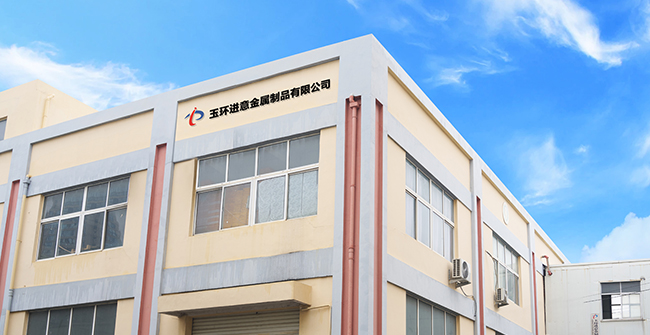
In the global bathroom industry, choosing the right supplier is critical for ensuring product quality, cost efficiency, and long-term cooperation. At Yuhuan JINYI Hardware Co., Ltd., we take pride in being a leading coastal factory in China, specializing in the production of shower tray frames and bathroom hardware with over 30 years of experience.
OEM & ODM Expertise for International Brands
As a professional shower tray frame manufacturer, JINYI has extensive OEM and ODM experience. We work closely with international bathroom brands to design, customize, and produce frames that meet strict technical requirements and diverse market demands.
Flexible product customization
Support for various shower tray sizes
Strict compliance with European and global standards
This makes JINYI a trusted partner for companies looking for reliable bathroom hardware suppliers.
Quality Control and Competitive Pricing
One of the reasons why global partners choose JINYI is our strong commitment to quality assurance. From raw materials to finished products, every shower tray frame goes through a series of inspection and testing procedures.
At the same time, as a coastal factory with efficient supply chain management, we are able to offer competitive pricing without compromising quality — helping brands maintain market advantage.
Success Story: Long-Term Cooperation with a German Company
Recently, JINYI established a successful partnership with a leading German bathroom company. The cooperation started with a sample order of shower tray frames. After testing the samples, the customer was impressed by JINYI’s precise manufacturing, stable quality, and reliable performance.
Because of this, the German partner decided to move forward with continuous bulk orders, making JINYI their long-term supplier for shower tray frames.
This case demonstrates our ability to meet international quality expectations while delivering cost-efficient solutions.
Why Work with JINYI?
- Trusted by global bathroom brands
- Over 30 years of manufacturing expertise
- Strong OEM & ODM capabilities
- Rigorous quality control system
- Competitive factory-direct pricing
- Efficient international logistics support
The success of JINYI lies in our dedication to high-quality shower tray frames, professional customization services, and long-term partnerships. By choosing JINYI, international bathroom brands can confidently expand their product lines and strengthen their market position.
For more information, please visit: https://www.yh-jinyi.com
For inquiries or samples: WhatsApp +86 13750801289
-
How Do Industrial Clamping Solutions Enhance Safety and Precision
Nov 10, 2025
What Types of China Clamps Are Essential for Industrial Assembly Lines
Industrial assembly lines rely on precise and reliable equipment to ensure smooth operations. Among the tools that maintain efficiency and consistency, China clamps play a critical role. These devices securely hold components during assembly, reducing errors and enabling workers to perform repetitive tasks safely. Selecting the appropriate type depends on the materials, processes, and production goals of the line.
Common Holding Devices in Assembly Lines
Several workholding devices are widely used in industrial settings. Each serves a specific function, and understanding their applications can improve workflow and reduce downtime:
Clamp Type Primary Use Benefits C-Clamps General holding and assembly Easy to adjust, versatile for different sizes Toggle Clamps Quick securing of parts Allows fast placement and release, stable during repetitive actions Spring Clamps Lightweight and temporary holding Useful for delicate components or small fixtures Bench Clamps Stationary workholding Provides stability for precision tasks and supports heavy components Pipe Clamps Joining tubular materials Adjustable length, strong grip for various pipe diameters Why Device Selection Matters
The right workholding equipment ensures that components remain fixed during soldering, welding, gluing, or mechanical assembly. Improper holding can result in alignment issues, safety risks, and reduced product quality. Production managers often evaluate workflow, material types, and operator handling to determine which options best meet assembly requirements.
Tips for Effective Use
Inspect equipment regularly for wear or fatigue to maintain reliability.
Use devices suitable for the material type and size.
Incorporate adjustable options to accommodate changing product designs.
Train workers on proper handling to reduce the risk of damage or injury.
Adapting Devices to Modern Assembly Lines
With evolving industrial technologies, workholding solutions have become more ergonomic and compatible with automated systems. Pneumatic and hydraulic mechanisms, for example, provide consistent pressure and can integrate into robotic assembly lines. Choosing devices that adapt to both manual and automated processes adds flexibility and efficiency to production.
Holding tools are fundamental for accuracy and stability in industrial assembly lines. By understanding the various types and their applications, manufacturers can ensure reliable performance, maintain smooth operations, and create safer working environments. Proper selection enhances workflow and reduces errors across different production stages.
How Can China Clamps Improve Precision and Safety in Metalworking Operations
Metalworking operations often involve cutting, drilling, bending, and welding processes that require stable and accurate positioning of materials. Using secure holding tools is essential to enhance both precision and safety by keeping components firmly in place during these tasks. By reducing movement and vibrations, these devices contribute to consistent results and help prevent accidents.
Key Roles of Holding Tools in Metalworking
- Maintaining Alignment
- Proper holding ensures that metal sheets, rods, or assemblies stay aligned during fabrication. Misalignment can lead to uneven cuts, imprecise holes, or weak joints. Using the right device minimizes errors and allows operators to achieve uniform outputs consistently.
- Reducing Operator Fatigue
- Holding heavy or awkward metal pieces manually can be tiring and unsafe. Secure fixtures provide steady support, freeing workers to focus on the tool or machine operation rather than constantly adjusting materials. This also reduces the risk of slips or sudden movements.
- Enhancing Safety Measures
- Stable workholding creates a safer workspace by preventing workpieces from shifting unexpectedly. This is especially critical during high-speed cutting or welding, where sudden movement can cause injuries or damage to equipment.
Types of Devices Commonly Used in Metalworking
Clamp Type Typical Use Key Advantage C-Clamps General holding for small to medium parts Simple and versatile for various projects Toggle Clamps Securing pieces during repetitive cuts Fast engagement and release improve workflow Bar Clamps Holding long or flat metal sections Provides even pressure across extended surfaces Pipe Clamps Joining cylindrical materials Adjustable length accommodates different diameters Magnetic Clamps Metal positioning for welding Stable grip without mechanical pressure Best Practices for Using Workholding Tools
- Inspect all devices before each use to ensure stability.
- Select fixtures suited to material type, weight, and operation.
- Avoid over-tightening to prevent distortion or surface damage.
- Combine with protective padding when handling delicate metals.
Integration with Automated Metalworking Systems
Modern fabrication facilities often integrate holding tools with automated machinery such as CNC machines or robotic welding stations. Pneumatic or hydraulic devices provide uniform pressure without constant manual intervention, allowing precise operations with consistent safety standards.
Using secure holding tools effectively in metalworking operations improves precision, maintains alignment, and reduces safety risks. Incorporating a variety of devices and following best practices ensures steady workflow, protects operators, and delivers reliable production outcomes.
Which China Clamps Should You Use for Heavy‑Duty Lifting and Rigging Applications
Heavy-duty lifting and rigging operations require reliable equipment to ensure safety and efficiency on worksites. Selecting the appropriate securing devices for cables, beams, and other load-bearing materials is critical. The right tools reduce the risk of accidents, support consistent load control, and allow teams to maintain productivity during complex lifting procedures.
Types of Devices for Rigging and Lifting
There are several categories of holding devices commonly used in industrial lifting:
Device Type Primary Use Benefits Wire Rope Clips Securing cables and slings Provides firm grip, reusable and adjustable Beam Clamps Attaching loads to steel beams Ensures stable attachment without welding Plate Lifting Clamps Handling steel plates Distributes load evenly and reduces slippage Chain Hooks and Shackles General lifting and securing Quick connection and flexible for various angles Key Considerations for Selection
When choosing devices for lifting or rigging, consider:
- Material Compatibility: Ensure the tool is compatible with steel, cable, or other materials being lifted.
- Load Capacity: Match the device to the expected weight range and dynamic forces.
- Environmental Conditions: Outdoor operations may require corrosion-resistant options.
- Ease of Use: Devices that allow quick adjustment or positioning enhance workflow efficiency.
Best Practices for Safe Operations
- Inspect all securing equipment before each lift to check for wear, deformation, or fatigue.
- Train operators on proper attachment techniques and alignment to prevent uneven load distribution.
- Avoid overloading devices beyond recommended ranges to reduce the risk of accidents.
- Use secondary safety measures such as safety slings or backup supports for critical lifts.
Integrating Modern Technologies
Recent developments in lifting equipment have introduced ergonomic and mechanically assisted tools. Devices that incorporate adjustable clamping pressure or locking mechanisms improve reliability and reduce manual strain. These innovations are increasingly compatible with cranes, hoists, and automated lifting systems, offering more predictable performance in both small and large-scale operations.
Selecting the right heavy-duty lifting and rigging devices ensures stability, precision, and safety on worksites. By understanding different types and their proper applications, teams can improve operational efficiency, reduce risks, and maintain consistent performance across various lifting tasks. Proper inspection and training further enhance workplace safety and productivity.
-
Why Is Choosing the Right Shower Bases Support Frame Essential for a Durable Bathroom
Nov 07, 2025
Bathroom renovations and installations require careful planning to ensure both functionality and durability. One often overlooked element is the foundation supporting the shower base. A well-designed Shower Bases Support Frame provides stability, reduces potential damage, and contributes to a longer lifespan for the shower area. This equipment has become increasingly popular in residential and commercial projects because it addresses common issues associated with weak or uneven shower bases.
Understanding the benefits, key selection considerations, and common installation mistakes can help homeowners, contractors, and designers make informed decisions. This article explores how to choose the right frame, why it enhances the performance of your shower base, and what to avoid during installation.
Why a Support Frame Matters
Stability and Weight Distribution
Shower bases must carry the weight of water, people, and sometimes additional materials such as tiles or stone overlays. A Shower Bases Support Frame distributes this weight evenly across the floor structure, preventing sagging or cracking over time. This even distribution ensures the shower base remains level and secure, avoiding small issues that could lead to expensive repairs if left unaddressed.
Longevity of the Shower Base
Without adequate support, shower bases can experience stress points that reduce durability. Over time, heavy usage or uneven flooring may lead to deformation or fractures. By installing a frame that provides continuous support beneath the base, the overall lifespan of the shower is improved. This benefit applies to both residential bathrooms and high-traffic commercial environments, where stability is critical.
Ease of Installation and Future Maintenance
Support frames simplify the installation process by offering a solid, level foundation. This minimizes the need for corrective adjustments during construction and reduces the likelihood of future problems. Additionally, many frames allow for easier access to plumbing components, making maintenance or repairs less disruptive and more efficient.
Key Considerations When Selecting a Shower Bases Support Frame
Choosing the right frame involves evaluating several factors to match the specific requirements of your project. The following elements should guide the decision-making process:
Consideration Reason Application Material Determines durability and resistance to moisture Aluminum, stainless steel, or reinforced plastics are common options Weight Capacity Ensures the frame can handle full load safely Suitable for tiled or stone shower bases Compatibility Matches the dimensions and shape of the shower base Rectangular, square, or custom shower designs Adjustability Allows leveling on uneven floors Residential renovations or retrofit projects Ease of Installation Reduces time and labor during setup DIY projects and professional installations This table provides a structured view of the most critical features to evaluate when selecting a Shower Bases Support Frame, helping ensure that the foundation meets both immediate and long-term needs.
Common Installation Mistakes and How to Avoid Them
Even with the right frame, improper installation can compromise its benefits. Understanding common pitfalls helps ensure the frame performs effectively.
Ignoring Floor Leveling
A frame installed on an uneven or unstable floor will not provide proper support. Before installation, it is essential to verify that the subfloor is level. Minor adjustments may be required to accommodate slopes or irregularities. This step prevents stress points and uneven weight distribution on the shower base.
Incorrect Fastening or Spacing
Frames must be secured according to recommended guidelines. Improper spacing or insufficient fastening can result in movement under load, leading to cracks or structural issues. Ensuring that the frame components are properly aligned and tightened is crucial for long-term stability.
Neglecting Material Compatibility
Not all shower bases are compatible with every type of frame. Choosing a frame without considering the base material can result in uneven support, warping, or reduced durability. It is important to match the frame to the specific type of base—whether acrylic, fiberglass, or stone composite—to achieve optimal results.
Overlooking Maintenance Access
A frame should not obstruct access to plumbing or drainage systems. Designers and installers must plan for convenient maintenance without removing the entire frame, saving time and avoiding unnecessary work during future repairs.
Additional Benefits of Using a Support Frame
Enhanced Safety
A properly supported shower base reduces the risk of accidental tipping, cracking, or uneven flooring. This safety aspect is particularly important in homes with children, elderly residents, or high-traffic commercial settings.
Improved Workflow During Installation
Support frames streamline the installation process by providing a consistent level and stable foundation. This efficiency helps installers complete projects faster, reduce material waste, and avoid the need for repeated adjustments.
Environmental Considerations
Durable frames made from corrosion-resistant or recyclable materials support sustainable construction practices. By extending the lifespan of the shower base, these frames contribute to less frequent replacements and reduced material consumption over time.
Selecting the right Shower Bases Support Frame is an essential step in achieving a stable, long-lasting, and safe shower installation. By considering factors such as material, weight capacity, adjustability, and compatibility, homeowners and contractors can ensure the foundation meets project requirements and supports long-term performance. Avoiding common installation mistakes—such as improper leveling, incorrect fastening, and mismatched materials—further enhances the benefits of the frame.
A well-installed support frame improves weight distribution, reduces stress on the shower base, and simplifies maintenance. It also contributes to overall safety and efficiency during installation, making it a valuable addition to both residential and commercial bathroom projects. Investing in the right frame not only protects the shower base but also supports practical and sustainable bathroom management practices.
-
The Hidden Hero Behind Every Stable Shower Tray Why Smart Installers Choose CE-Certified Steel Anchors for Bathtubs and Trays
Nov 05, 2025
When it comes to bathroom installations, the visible elements—tiles, faucets, and finishes—often steal the spotlight. But professionals know that true quality lies in the details behind the scenes.
One of those unsung heroes?
The CE-certified steel supporting anchor for shower trays and bathtubs.
Engineered for Strength, Built for Silence
This isn't just another piece of hardware. It's a smart solution designed to do one job perfectly: secure your steel or enamel shower tray or bathtub to the wall—tightly, quietly, and reliably.
With a reinforced steel body, anti-noise support surface, and adjustable height mechanism, this 3-piece anchor set delivers rock-solid stability with none of the squeaks or rattles
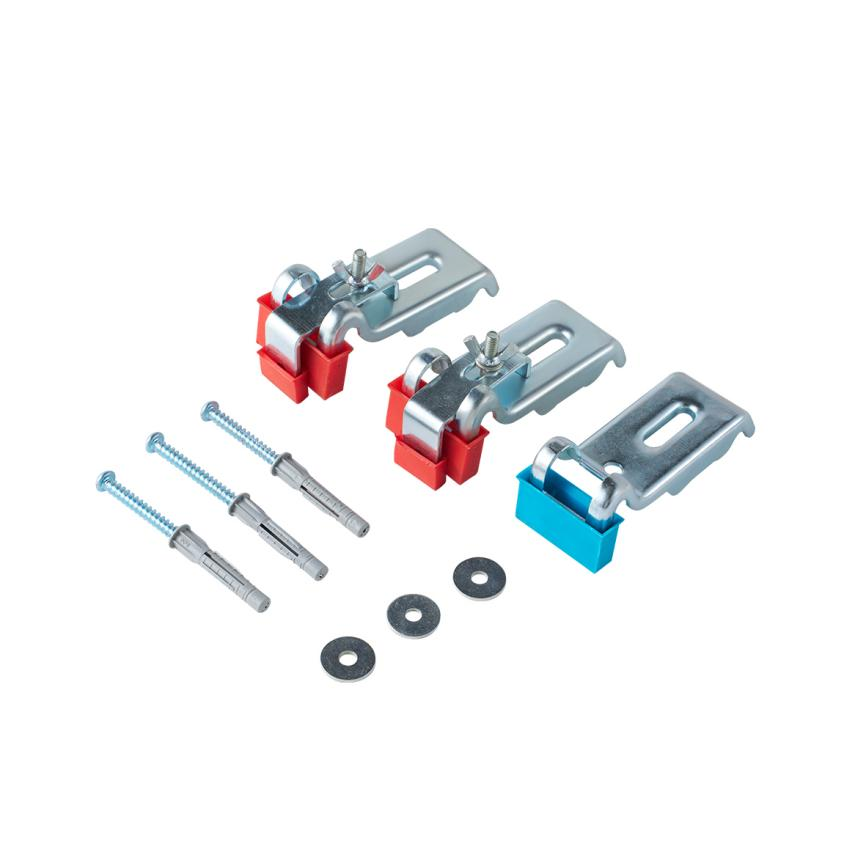
What Makes It Stand Out?
Universal Fit
Compatible with most steel or enamel trays with edge thickness around 2.3 mm.
All-in-One Kit
Comes with 1 universal anchor, 2 clamp-style anchors, and complete installation accessories.
Quick Adjustment
Fine-tune height effortlessly using the knurled screw, perfect for uneven walls.
Noise Control
Special support pads reduce vibration and noise for a better user experience.
CE Certified
Meets European quality and safety standards for global projects.
A Small Part That Makes a Big Difference
Installers love it for how fast and easy it is to mount.
Distributors love it for its CE compliance and export readiness.
OEM manufacturers love it because it solves a real-world problem simply and affordably.
Whether you're fitting out a hotel bathroom or supplying a full housing project, this small anchor kit delivers big peace of mind.
Perfect for:
Sanitary ware distributors & wholesalers
Bathroom remodeling contractors
New construction or renovation projects
Shower tray and bathtub OEM packaging
Ready to Ship. Easy to Customize.
We can supply this product in bulk, customize the packaging for your brand, or include it as part of a complete installation kit. Whatever your project needs, we're ready to support.
Want to learn more or request a sample?
Reach out today and discover how this simple accessory can help you deliver cleaner installs, fewer callbacks, and happier clients.
For more information, please visit: https://www.yh-jinyi.com/
-
How Can JINYI Decoupling Tank Reduce Pump Energy And Enhance Performance
Nov 03, 2025
The Decoupling Tank plays a pivotal role in modern building energy systems, acting as a hydraulic buffer to separate primary and secondary circuits. By stabilizing water flow, it reduces energy consumption from circulation pumps and allows heating and cooling systems to maintain consistent performance across all zones. Incorporating this type of buffer ensures smoother energy distribution and improved operational efficiency, which is essential for residential, commercial, and industrial applications.
In buildings without proper hydraulic separation, sudden changes in flow demand can lead to some zones receiving excessive water while others remain under-supplied. This imbalance forces pumps to work harder, consuming more electricity and causing fluctuations in temperature that affect comfort levels. A correctly sized decoupling tank allows the system to maintain stable operation, enabling pumps to run at optimal speeds and preventing unnecessary energy loss.
Energy efficiency benefits from multiple mechanisms. Flow stabilization reduces the need for high-speed pump operation, directly lowering energy costs. Consistent water delivery ensures heat exchangers perform efficiently, maximizing thermal transfer and system performance. Pressure spikes are minimized, reducing wear on pipes, valves, and pumps, and extending the lifespan of critical system components.
The tank also enhances system maintenance and reliability. Maintenance personnel can isolate either the primary or secondary circuit without disrupting the entire setup. This modular design allows for safer inspections, faster component replacement, and reduced downtime. Additionally, it prevents water hammer, air accumulation, and other hydraulic problems that could otherwise damage the system.
Advanced energy-efficient systems integrate decoupling tanks with variable-speed pumps and smart controls. This combination allows precise regulation of water flow, ensuring all areas receive adequate supply regardless of load variations. In multi-zone commercial buildings, the tank helps maintain uniform temperatures, improving occupant comfort while reducing electricity usage.
Optimal tank selection is critical. An undersized tank cannot buffer flow properly, while an oversized tank occupies unnecessary space and may increase costs. Engineers calculate appropriate tank size based on expected load fluctuations, system flow rates, and temperature differentials to achieve a balance between efficiency and practicality.
JINYI has developed decoupling tank solutions tailored to meet these operational requirements. Their designs support smooth hydraulic operation, reduce energy usage, and ensure reliable system performance, making them suitable for diverse applications in residential and commercial buildings.
-
Can a Decoupling Tank Redefine Energy Efficiency in Modern Buildings
Oct 31, 2025
Understanding the Role of a Decoupling Tank
A Decoupling Tank plays a vital role in improving the efficiency and balance of modern HVAC and hydronic systems. It separates the primary and secondary circuits, ensuring smoother energy transfer and minimizing mechanical strain. By stabilizing flow and temperature, this technology supports energy-saving operations and enhances comfort in both commercial and residential environments.
Reducing Flow Conflicts Between Circuits
Traditional HVAC systems often struggle with flow imbalances, where pumps and chillers compete for water circulation. This results in unstable temperatures and wasted energy. A decoupling tank acts as a neutral zone, maintaining consistent flow between circuits and preventing unnecessary strain on system components.
Achieving Operational Stability
By allowing independent operation of both loops, the system avoids frequent pressure changes. Stable flow means less pump power is needed, reducing both energy use and operational costs. It also minimizes equipment cycling, extending the service life of key HVAC elements.
Enhancing Energy Efficiency Through Flow Stabilization
The main advantage of decoupling lies in its ability to stabilize water flow and maintain thermal equilibrium. When hydraulic systems are balanced, temperature regulation becomes more accurate, allowing buildings to maintain comfortable indoor environments with less energy waste.
JINYI focuses on developing efficient tank systems that meet the growing demands of energy-aware industries. Through reliable design and quality manufacturing, these tanks provide consistent performance and align with sustainable energy practices.
Optimizing Temperature Control and System Management
Ensuring Thermal Consistency in Large Buildings
In larger facilities, maintaining temperature balance is challenging. The decoupling process allows each loop to adjust independently, ensuring consistent comfort without overburdening the system. This separation also enables better monitoring and control of flow rates and temperature gradients.
Simplifying Maintenance and Testing
A decoupling tank makes it easier to commission, inspect, and fine-tune hydronic systems. By providing a steady flow environment, engineers can perform maintenance or adjustments without interrupting daily operations, resulting in improved reliability and long-term cost control.
Supporting Sustainable Building Performance
Energy-efficient design is a cornerstone of modern construction. Incorporating decoupling tanks helps buildings meet energy conservation targets while supporting environmental sustainability. These tanks reduce energy loss, stabilize performance, and contribute to reduced carbon emissions over time.
As energy management becomes increasingly important, the inclusion of decoupling tanks is a practical step toward long-term sustainability. JINYI continues to innovate in this field, providing building system components that reflect both technical reliability and environmental responsibility.
Building Toward Smarter Energy Solutions
Integrating decoupling tanks into HVAC systems enhances overall performance, improves operational stability, and supports sustainable goals. With growing attention to energy efficiency, these components have become an essential part of modern building infrastructure.
-
Stick, Adjust,Support The Smart Way to Install Acrylic Bathtubs - ADS System Self-Adhesive Adjustable Leg Sets
Oct 29, 2025
Speed matters on the job site. And so does reliability. That’s why more installers are switching to our ADS System (Anti-rotation and soundproofing system) Self-Adhesive Adjustable Bath Leg Sets - the smarter, faster way to mount acrylic bathtubs.
With a strong self-adhesive base and adjustable leg height up to 180 mm, this innovative support system combines easy installation with firm, lasting support- no drilling, no complex framing, no wasted time.
Designed for Fast Installs. Built for Stability.
Forget messy sealants or improvised mounting hacks. The ADS leg set comes ready with industrial-grade adhesive backing, allowing for secure placement directly onto the bathtub base. The adjustable legs provide the necessary height flexibility to level your tub effortlessly, even on uneven subfloors.
Whether you’re installing in a home renovation or a multi-unit housing project, this system helps you deliver consistent results — faster.
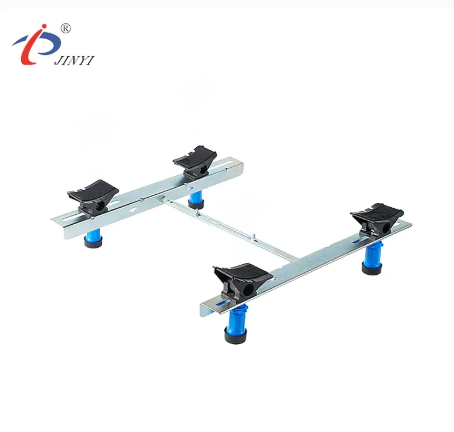
Key Features & Benefits
Self-Adhesive Mounting
Simply peel and stick — no need for extra fasteners or brackets.
Height Adjustable (up to 180 mm)
Get the perfect level every time, even on irregular flooring.
Quick Installation
Reduces labor time and complexity — ideal for high-volume projects.
Sturdy, Lightweight Design
Engineered for acrylic bathtubs, offering solid support without added bulk.
Clean Finish, Less Noise
Supports the tub evenly to reduce creaking or shifting during use.
Perfect for:
Acrylic bathtub manufacturers & OEM kits
Bathroom renovation professionals
Real estate and apartment installations
Sanitary ware importers and distributors
Why Installers Love It
“The adhesive backing is a game-changer. It sticks firmly and saves at least 15-20 minutes per install. Great for multi-unit jobs where time is everything.”
— Installer feedback from a UK housing project
Flexible Supply Options Available
We offer fast shipping for bulk orders, OEM packaging, and custom specifications to match your brand or project needs. Whether you’re serving the local market or exporting globally, we’re ready to support your supply chain.
Fast to install. Strong to support. Smart to choose.
Upgrade your acrylic bathtub installations with the ADS Self-Adhesive Adjustable Leg Set — the future of bathroom fitting starts here.
For more information, please visit: https://www.yh-jinyi.com/


- 210 Jinhai Avenue, Lupu Economic Development Zone, Yuhuan City, Taizhou City, Zhejiang Province.
- +86-576-87423248 / +86-576-87499120
- +86-17769979117 / +86-13750801289
- +86-576-87425996
- [email protected] / [email protected]

