


 русский
 Español
-
How Can a Shower Tray Support Frame Prevent Instability in Rectangular Layouts?

Sep 25, 2025
Installing rectangular shower trays often presents challenges that can affect long-term stability and overall bathroom functionality. Using a Shower Tray Leg Frame from Yuhuan JINYI Hardware Co.,Ltd., alongside their Shower Tray Support Frame, provides a structured foundation that addresses these challenges, ensuring the tray remains securely positioned and evenly supported throughout its use.
Ensuring Stability on Uneven Floors
One common issue in bathroom installations is the unevenness of the subfloor. Rectangular trays, especially ultra-flat designs, are particularly sensitive to slight variations in floor level, which can cause wobbling or misalignment. A Shower Tray Support Frame offers a grid-like structure that distributes weight evenly across the tray’s surface. When paired with adjustable leg frames, it allows installers to modify the height of each support point, ensuring a perfectly horizontal tray regardless of minor floor imperfections.
This approach prevents small gaps under the tray, which could otherwise compromise the tray’s stability or cause water to pool in unintended areas. By maintaining consistent support, the combination of leg and support frames helps preserve the integrity of the tray over time.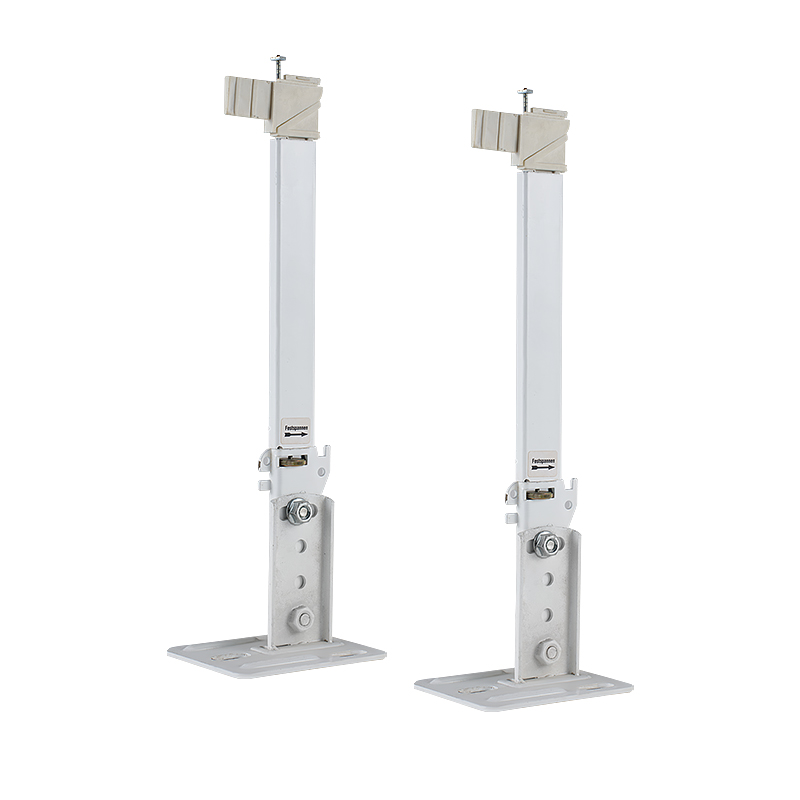
Adapting to Rectangular Layouts
The edges and corners of rectangular shower trays require special attention, as these areas are prone to instability. The support frame is designed to match the tray dimensions and provides targeted reinforcement around the perimeter and underneath the center. This ensures even support in the corners and center of the tray, reducing stress points and the risk of deformation during everyday use.
The leg frame allows installers to adjust individual points of contact to match the tray’s specific design. This flexibility is particularly useful in rectangular layouts, where the longer sides of the tray may otherwise be prone to sagging if not adequately supported.Adjustable Features for Precise Installation
Modern Shower Tray Support Frames include adjustment sliders or mounts that enable precise fine-tuning after initial placement. Installers can shift the tray slightly, level each leg, and accommodate existing plumbing or tile layouts without having to remove the tray entirely. These features save time during installation and reduce the likelihood of errors, especially in renovations where floor conditions or previous constructions may be irregular.
Additionally, the adjustability allows the frame to accommodate different tray materials, from steel to acrylic, without compromising stability. Each type of material responds differently to weight distribution, and the ability to customize support ensures that trays remain flat and properly aligned.Benefits for Installers and Homeowners
For professional installers, using Shower Tray Leg Frame and Shower Tray Support Frame systems reduces on-site challenges and creates a more predictable workflow. It eliminates the need for temporary shims or improvised supports and provides a structured installation guide that ensures consistent results across multiple projects.
Homeowners also benefit from enhanced safety and practicality. The well-supported rectangular tray reduces movement underfoot, reducing the risk of damage or leaks. Over time, this stability contributes to the longevity of the shower tray and maintains its alignment with surrounding tiles or bathroom fixtures.
The combination of leg and support frames provides a practical and adaptable solution for rectangular shower tray installations. By addressing common sources of instability and enabling precise adjustments, these systems make the installation process more efficient while safeguarding the tray’s performance and durability.
For more information, please contact +86-576-87425996. -
Universal Floor-Standing Radiator Brackets: Built to Support, Designed to Last
Sep 24, 2025
Looking for a flexible and sturdy solution to support radiators without relying on wall mounts? JINYI’s Universal 200mm–900mm Steel Radiator Floor-Standing Brackets are the answer trusted by professionals across the heating industry.
Engineered for strength and designed for convenience, these adjustable-height brackets offer excellent floor support for panel radiators, column radiators, or installations where wall-mounting isn’t ideal—such as glass walls, lightweight partitions, or heritage buildings.
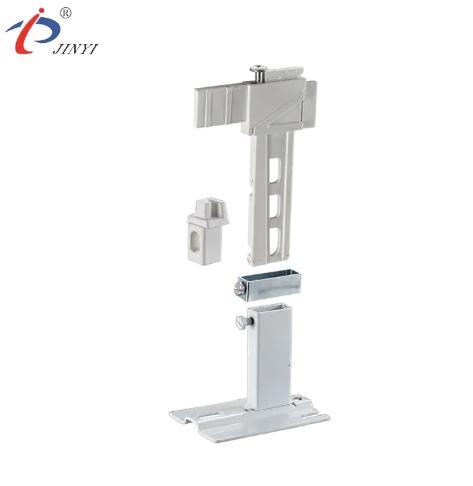
Why Choose JINYI Radiator Floor Brackets?
Adjustable Height (200mm–900mm) – Perfect fit for various radiator models and installation environments
Heavy-Duty Steel Construction – Provides unmatched strength and long-term durability
Universal Fit – Works with a wide range of radiator types
Stable & Safe – Offers maximum stability, even on uneven floors
Quick Installation – Saves labor time and improves installation efficiency
Whether you're fitting a modern underfloor heating system or retrofitting a traditional one, JINYI’s floor brackets offer the flexibility and security you need.
As a leading manufacturer with 20+ years in OEM hardware solutions, Yuhuan Jinyi Hardware Co., Ltd. delivers quality you can depend on—and innovation you can trust. For more information, please visit: https://www.yh-jinyi.com/
-
Shower Tray Support Frame: Where To Use It In Renovations?
Sep 19, 2025
Renovating a bathroom often involves careful planning and attention to detail, especially when installing ultra-flat or super-flat shower trays. Proper support is crucial to ensure long-term stability and functionality. This is where solutions from Yuhuan JINYI Hardware Co.,Ltd., such as their Shower Tray Leg Frame and Shower Tray Support Frame, play a central role—offering a structured foundation that simplifies installation and prevents common issues associated with uneven floors or improper tray positioning.
Supporting Different Shower Tray Designs
One of the main advantages of using a Shower Tray Support Frame is its compatibility with various tray designs, including square and rectangular shapes. Bathroom renovations often introduce new layouts or materials, and the support frame adapts to these changes, providing a consistent base for the tray. By distributing weight evenly and maintaining a level surface, the frame reduces the risk of wobbling or uneven wear over time, which can otherwise cause maintenance challenges or discomfort during use.
Shower Tray Leg Frames contribute further by allowing individual height adjustments for each support leg. This feature is particularly valuable when floors are not perfectly level, a common situation in older homes or during structural modifications. The combination of a support frame with adjustable legs ensures that the tray remains stable and aligned, preventing water pooling and promoting proper drainage.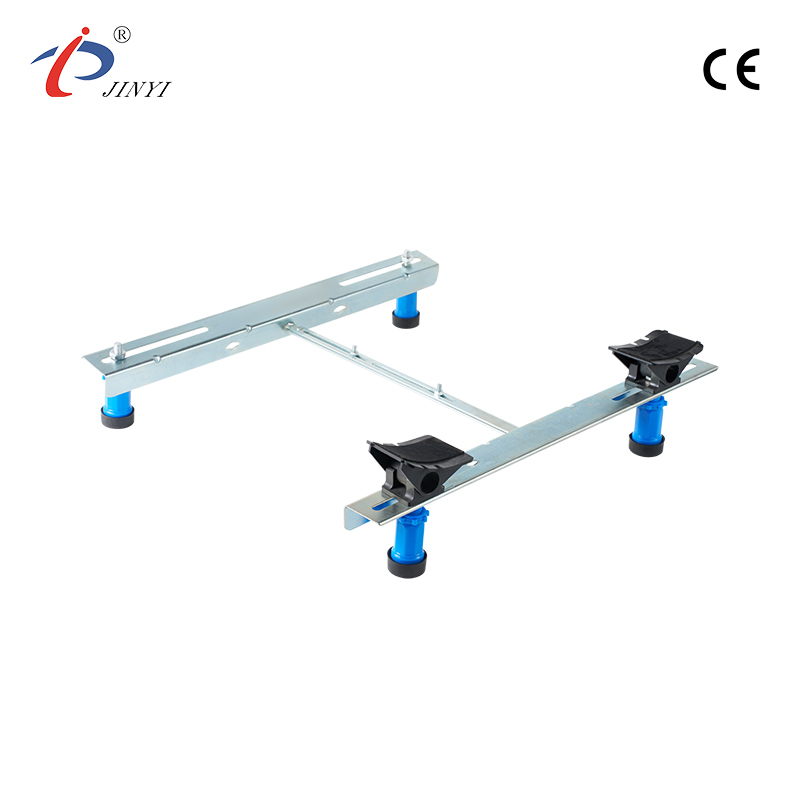
Ideal Placement in Renovation Projects
Identifying the placement for a Shower Tray Support Frame can significantly improve installation efficiency and tray performance. Typically, the frame should be positioned directly beneath the tray footprint, with legs arranged according to the manufacturer’s guidelines. Careful positioning ensures that the tray’s edges and center are adequately supported, which is crucial for ultra-flat designs where even minor unevenness can affect the tray’s appearance and function.
Using the frame in conjunction with standard plumbing layouts can also simplify installation. The design allows installers to accommodate drain positions, pipe connections, and surrounding cabinetry without compromising stability. This adaptability is especially beneficial in renovations where existing infrastructure may not perfectly align with the new tray.Adjustable Features for Custom Installations
Modern Shower Tray Support Frames often include sliders or adjustable mounts that allow precise modification of tray height and orientation after initial placement. This feature is useful when working with uneven subfloors, as it enables fine-tuning without dismantling the entire setup. Adjustable legs also make it easier to align the tray with surrounding surfaces, such as tiles or shower panels, enhancing both functionality and aesthetics.
The adjustability of these frames also supports multiple tray materials, including steel and acrylic, ensuring that different tray types can be installed securely. By reducing the need for temporary shims or improvised supports, these frames simplify the installation process and create a more predictable workflow for both professional installers and DIY enthusiasts.Practical Benefits During Renovations
For homeowners, a properly installed tray with support brackets ensures a safe and comfortable shower experience. The tray's stability reduces wobbling underfoot and prevents potential damage from uneven weight distribution. For contractors, using support brackets simplifies the installation process, reduces adjustment time, and reduces errors that could cause rework or repairs.
Incorporating Shower Tray Leg Frame and Shower Tray Support Frame systems into renovation projects also promotes consistency across different bathrooms or multiple installations within the same property. The structured support ensures that each tray sits correctly and maintains alignment with surrounding elements, contributing to a cleaner, more professional finish.
Shower Tray Support Frames offer a practical solution for positioning and stabilizing shower trays during renovations. Their adjustable features, compatibility with various tray designs, and ability to accommodate uneven floors make them a valuable component for creating secure and functional bathroom installations.
For further inquiries, please contact +86-576-87425996. -
The Smart Way to Install Acrylic Bathtubs - ADS System Self-Adhesive Adjustable Leg Sets
Sep 17, 2025
Speed matters on the job site. And so does reliability. That’s why more installers are switching to our ADS System (Anti-rotation and soundproofing system) Self-Adhesive Adjustable Bath Leg Sets - the smarter, faster way to mount acrylic bathtubs.
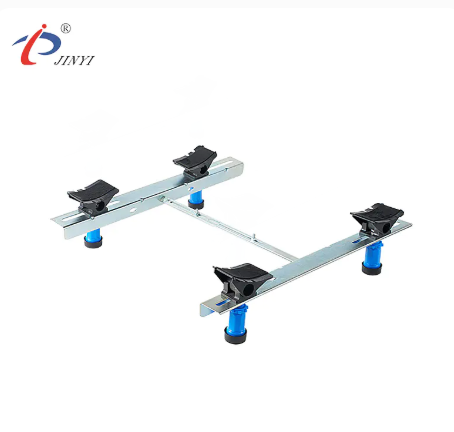
With a strong self-adhesive base and adjustable leg height up to 180 mm, this innovative support system combines easy installation with firm, lasting support- no drilling, no complex framing, no wasted time.
Designed for Fast Installs. Built for Stability.
Forget messy sealants or improvised mounting hacks. The ADS leg set comes ready with industrial-grade adhesive backing, allowing for secure placement directly onto the bathtub base. The adjustable legs provide the necessary height flexibility to level your tub effortlessly, even on uneven subfloors.
Whether you’re installing in a home renovation or a multi-unit housing project, this system helps you deliver consistent results — faster.
Key Features & Benefits
Self-Adhesive Mounting
Simply peel and stick — no need for extra fasteners or brackets.
Height Adjustable (up to 180 mm)
Get the perfect level every time, even on irregular flooring.
Quick Installation
Reduces labor time and complexity — ideal for high-volume projects.
Sturdy, Lightweight Design
Engineered for acrylic bathtubs, offering solid support without added bulk.
Clean Finish, Less Noise
Supports the tub evenly to reduce creaking or shifting during use.
Perfect for:
Acrylic bathtub manufacturers & OEM kits
Bathroom renovation professionals
Real estate and apartment installations
Sanitary ware importers and distributors
Why Installers Love It
“The adhesive backing is a game-changer. It sticks firmly and saves at least 15-20 minutes per install. Great for multi-unit jobs where time is everything.”
— Installer feedback from a UK housing project
Flexible Supply Options Available
We offer fast shipping for bulk orders, OEM packaging, and custom specifications to match your brand or project needs. Whether you’re serving the local market or exporting globally, we’re ready to support your supply chain.
Fast to install. Strong to support. Smart to choose.
Upgrade your acrylic bathtub installations with the ADS Self-Adhesive Adjustable Leg Set — the future of bathroom fitting starts here.
For more information, please visit: https://www.yh-jinyi.com/
-
What is a Shower Base Support Frame? Components, Types and More
Sep 12, 2025
A shower base support frame is an essential component in modern bathroom installations, providing the necessary stability, durability, and functionality for shower trays. Whether in residential or commercial applications, these support frames are crucial for maintaining the structural integrity of the shower base and ensuring its longevity and effective operation.
In residential settings, shower base support frames help homeowners achieve a secure and stable shower installation, preventing damage or warping of the tray. In commercial applications such as hotels, gyms, and public restrooms, these support frames are critical for ensuring the durability and safety of high-use shower bases, making them suitable for high-traffic areas with heavy usage.
What is a Shower Base Support Frame?
A shower base support frame is a mechanical structure designed to provide support for a shower tray. The frame ensures that the shower tray remains stable, level, and properly positioned during and after installation. It is primarily intended to distribute the weight of the shower base evenly, preventing any sagging or misalignment, and is essential for maintaining proper drainage flow underneath the tray.
The frame also plays a key role in preventing movement that could lead to leaks, cracks, or misalignment over time, thus enhancing the overall lifespan and performance of the shower tray.
Types of Shower Base Systems
Shower base systems can be categorized into various types, with different requirements for support frames based on the system design:
- Acrylic Shower Trays: Lightweight and affordable, often used in residential applications, these require sturdy support frames for long-term stability.
- Ceramic and Stone Shower Trays: Heavier than acrylic trays, these require robust support frames that can withstand the increased weight and provide excellent durability.
- Custom Shower Bases: In some cases, custom shower bases are made from specialized materials like fiberglass or composite materials. These may require custom support frames that can adapt to unique sizes or configurations.
Components of a Shower Base Support Frame
Frame Material Options
- Stainless Steel: Known for its strength, corrosion resistance, and durability, stainless steel is often the preferred material for high-quality support frames, especially in commercial settings where long-term durability is critical.
- Aluminum: Lightweight and rust-resistant, aluminum frames are a cost-effective option for residential and mid-range commercial applications, offering both strength and ease of installation.
- Plastic and Composite Materials: Plastic frames are lightweight and cost-efficient, making them ideal for budget-friendly residential installations. Composite frames offer similar benefits with improved strength and durability, making them suitable for both residential and light commercial use.
Adjustable and Fixed Frame Systems
- Adjustable Frames: These frames offer flexibility in height adjustment, allowing for precise leveling and ensuring that the shower base fits perfectly within the bathroom layout. They are ideal for installations in areas with uneven floors or where customization is needed.
- Fixed Frames: Fixed frames provide a solid, permanent structure that ensures the shower base stays securely in place. These are often used in situations where the base's size and placement are predetermined and do not require frequent adjustment.
Support Structure Elements
- Cross Beams: These elements add stability to the frame, preventing lateral movement and ensuring that the shower base is securely supported from all angles.
- Leveling Feet: Adjustable feet allow the shower base to be leveled even on uneven floors, ensuring proper drainage and preventing the base from sagging or shifting.
- Brackets and Mounting Supports: These components help secure the frame to the floor or wall, ensuring that the frame remains stationary and that the shower tray stays in place, even under heavy usage.
Key Functions and Benefits of a Shower Base Support Frame
Providing Structural Stability to Shower Trays
The primary function of a shower base support frame is to ensure that the shower tray remains stable and securely mounted in place. This prevents the tray from shifting, sagging, or warping over time, ensuring a safe and durable installation.Enhancing Weight Distribution to Prevent Damage or Warping
By distributing the weight of the shower base evenly, the support frame prevents stress from accumulating at certain points, reducing the risk of cracking or distortion, which can compromise the tray's functionality and appearance.Preventing Movement and Misalignment of Shower Trays
A secure frame ensures that the shower tray stays properly aligned with the plumbing and the surrounding structure. This prevents leaks caused by misalignment, reducing the risk of water damage to the floor or surrounding walls.Ensuring Proper Drainage and Water Flow Beneath the Tray
Proper drainage is essential to avoid water pooling under the shower tray, which can lead to mold, mildew, and floor damage. The support frame elevates the tray slightly, allowing for smooth water flow and ensuring that drainage systems function correctly.Impact on the Overall Longevity and Durability of Shower Bases
By providing consistent and reliable support, the shower base support frame extends the lifespan of the entire shower system. With reduced strain on the shower tray and improved drainage, these frames help minimize the need for repairs or replacement, ensuring a longer-lasting installation.
1. Shower Base Support Frame Materials
Selecting the appropriate material for your shower base support frame affects the durability, cost, and ease of installation. The three most common materials are stainless steel, aluminum, and plastic or composite materials.
a. Stainless Steel: Durability and Corrosion Resistance
Advantages:
Long-lasting: Stainless steel frames provide superior strength and longevity, making them ideal for high-traffic bathrooms.
Corrosion-resistant: Resistant to rust, mold, and mildew, even in constantly damp environments.
High load-bearing capacity: Can support heavy shower bases without deformation.Considerations:
Cost: Generally more expensive than aluminum or plastic frames.
Weight: Heavier, which may complicate transportation and handling during installation.b. Aluminum: Lightweight and Cost-Effective
Advantages:
Lightweight: Easier to transport and install, especially in tight spaces.
Cost-efficient: More affordable than stainless steel while still offering good durability.
Moderate corrosion resistance: Aluminum resists rust, but may need protective coatings in extremely humid conditions.Considerations:
Lower load capacity: Not as strong as stainless steel, potentially limiting its use with heavy shower bases.
Surface damage: More prone to dents or scratches during handling.c. Plastic and Composite Materials: Advantages in Specific Applications
Advantages:
Versatile: Suitable for custom-shaped or irregular shower bases.
Lightweight and easy to handle: Simplifies installation.
Water-resistant: Naturally resistant to moisture, rust, and chemical exposure.Considerations:
Limited strength: May not support very heavy shower bases without reinforcement.
Potential for warping: Over time, plastic may deform under sustained weight or heat.d. Comparing the Pros and Cons of Each Material
Material Pros Cons Best Use Case Stainless Steel Strong, durable, corrosion-resistant Expensive, heavy High-traffic or commercial bathrooms Aluminum Lightweight, cost-effective Moderate strength, prone to scratches Residential installations with medium-weight bases Plastic/Composite Water-resistant, lightweight, versatile Limited load-bearing, potential warping Custom or irregular shower bases 2. Installation and Adjustment of Shower Base Support Frames
Proper installation is essential to ensure stability, prevent leaks, and maintain the longevity of your shower base. Follow these step-by-step instructions for a professional finish.
a. Step-by-Step Guide to Installing Shower Base Support Frames
Prepare the area: Clean the floor and remove any debris. Verify that the subfloor is level.
Measure and mark: Accurately mark the placement of the frame to ensure it aligns with the shower base dimensions.
Assemble the frame: Follow manufacturer instructions, securing all joints and supports firmly.
Place the frame: Position it carefully on the subfloor, checking alignment and orientation.
Level the frame: Use a spirit level to ensure all corners are perfectly horizontal.
Secure to the floor: Use screws, anchors, or other recommended fasteners, depending on the material and subfloor type.
Install the shower base: Carefully place the base onto the frame and confirm stability before final plumbing connections.b. Tools and Equipment Required
Spirit level
Screwdrivers or electric drill
Measuring tape
Screws and anchors
Rubber mallet (optional)
Protective gloves and safety glassesc. Importance of Leveling and Precise Alignment
Proper leveling ensures:
Even water drainage
Prevention of cracks or stress points in the shower base
Longer lifespan of both the base and support frame
Even minor misalignment can lead to leaks, wobbling, and structural damage over time.d. Common Mistakes to Avoid During Installation
Failing to level the frame precisely
Using incorrect fasteners for the material type
Ignoring manufacturer instructions for frame assembly
Overlooking subfloor irregularities that may compromise stability
Applying excessive force that damages lightweight materialse. Best Practices for DIY vs. Professional Installation
DIY Installation: Suitable for lightweight aluminum or plastic frames with simple shower bases. Ensure all measurements and leveling steps are followed carefully.
Professional Installation: Recommended for stainless steel frames, heavy bases, or complex bathroom layouts. Professionals ensure compliance with building codes and avoid costly mistakes.Different Types of Shower Base Support Frames and Their Applications
1. Different Types of Shower Base Support Frames
Shower base support frames come in a variety of designs, each offering unique benefits depending on the installation scenario. The main types are fixed, adjustable, modular, and universal support frames.
a. Fixed Support Frames: Characteristics and Use Cases
Characteristics:
Constructed from a single, solid structure.
Designed to fit standard shower base dimensions.
Typically made from stainless steel, aluminum, or heavy-duty plastic.Use Cases:
Ideal for standard residential bathrooms with pre-defined shower sizes.
Provides stable, long-lasting support with minimal maintenance.Pros:
High stability and durability.
Simple installation with minimal adjustments.Cons:
Limited flexibility; not suitable for custom or irregular shower bases.
Replacement or modification can be challenging if layout changes.b. Adjustable Support Frames: Benefits for Custom Installations
Characteristics:
Features extendable legs or brackets for precise height and alignment adjustments.
Compatible with different shower base thicknesses.Benefits:
Allows fine-tuning during installation to ensure a level base.
Supports non-standard or slightly uneven flooring.Use Cases:
Residential and commercial bathrooms with unique layouts.
Renovation projects where precise fitting is required.Pros:
Customizable to different shower base sizes and heights.
Reduces installation errors related to uneven floors.Cons:
Slightly more complex to assemble than fixed frames.
Cost may be higher due to added adjustability mechanisms.c. Modular Support Systems: Flexibility and Scalability
Characteristics:
Consist of interchangeable components that can be combined to fit various shower base sizes.
Typically made from lightweight yet durable materials.Benefits:
Easy to expand or reconfigure for larger installations.
Facilitates maintenance or replacement of individual parts without dismantling the entire frame.Use Cases:
Hotels, gyms, and other commercial facilities that may require multiple shower units.
Projects with future expansion or modification plans.Pros:
Highly adaptable and scalable.
Simplifies transport and storage of frame components.Cons:
Slightly higher initial investment.
Requires careful planning during assembly to ensure stability.d. Universal Support Frames: Compatibility with Different Tray Types and Sizes
Characteristics:
Designed to fit a wide range of shower trays and base shapes.
Offers adjustable mounting points or brackets.Benefits:
Reduces the need to source specific frames for each tray model.
Ideal for installers who work with multiple brands or custom trays.Use Cases:
Residential renovations with varying shower tray specifications.
Commercial projects where flexibility in tray selection is essential.Pros:
Versatile, reduces inventory needs.
Supports multiple shower tray designs.Cons:
May not provide as rigid a fit as dedicated frame systems.
Slightly more complex installation due to adjustable components.2. Shower Base Support Frames for Commercial vs. Residential Use
Shower base support requirements differ significantly between residential and commercial projects. Understanding these differences ensures long-term performance, compliance with safety codes, and proper water drainage.
a. Considerations for Residential Installations
Space and Layout: Residential bathrooms often have smaller footprints, requiring frames that maximize usable space without compromising stability.
Budget: Homeowners typically prioritize cost-effective solutions while maintaining adequate durability.
Aesthetics: Visible frames should complement bathroom design, especially in open or semi-open installations.
Recommended Frames: Fixed or adjustable frames are often sufficient for most residential applications, offering stability and ease of installation.b. Requirements for Commercial Installations
Durability: Commercial bathrooms experience higher traffic and require frames that withstand continuous use.
Heavy-Duty Support: Shower bases may be larger or carry more weight, necessitating reinforced frames or modular systems.
Code Compliance: Frames must meet local building codes, safety standards, and accessibility regulations.
Recommended Frames: Modular or universal frames are ideal, offering flexibility, high load-bearing capacity, and long-term reliability in commercial settings.c. Case Studies of Commercial Bathroom Installations
Hotels: Use modular support systems to accommodate a variety of shower tray sizes and styles, ensuring uniform installation and easy replacement during renovations.
Gyms and Fitness Centers: Adjustable and universal frames allow for quick assembly and robust support in high-traffic areas, reducing maintenance downtime.
Public Restrooms: Fixed heavy-duty frames are preferred for durability, ensuring that multiple units can withstand constant use without structural compromise.The Role of Shower Base Support Frames in Preventing Water Damage
Shower base support frames are essential components in modern bathroom installations. Beyond providing structural stability for shower trays, they play a critical role in preventing water damage, ensuring proper drainage, and maintaining long-term hygiene and safety.
1. How Frames Aid in Waterproofing and Moisture Control
A shower base support frame acts as a foundation that elevates the shower tray above the subfloor. This separation creates a critical barrier that helps in:Protecting the subfloor: By elevating the shower base, water that seeps through the tray or grout lines is prevented from directly contacting the floor.
Supporting waterproof membranes: Frames help maintain the integrity of underlayments and waterproofing layers, ensuring that seals remain intact.
Maintaining consistent spacing: Properly aligned frames prevent uneven surfaces where water can accumulate, reducing the risk of leaks.By integrating a quality support frame, moisture penetration is significantly minimized, which is crucial for extending the lifespan of bathroom flooring.
2. Ensuring Proper Drainage to Avoid Leaks and Water Pooling
One of the key roles of a shower base support frame is to ensure correct alignment and leveling of the tray. Even minor deviations in slope can result in water pooling, slow drainage, or leaks over time.Benefits include:
Consistent slope for drainage: Adjustable and modular frames allow precise leveling, directing water efficiently to the drain.
Prevention of standing water: Reduces the likelihood of water damage to subfloors and surrounding tiles.
Reduced maintenance: Proper drainage lowers the risk of clogs, overflow, and subsequent repairs.Frames are particularly important in commercial installations where high usage demands efficient water evacuation to maintain safety and hygiene.
3. Reducing Mold and Mildew Risks by Elevating the Base
Moist environments like bathrooms are prone to mold and mildew growth, which can lead to structural damage and health hazards. Support frames mitigate these risks by:Elevating the shower base: Allowing air circulation beneath the tray prevents water from stagnating.
Minimizing direct water contact: Reduces dampness in subfloor materials, lowering the conditions that promote microbial growth.
Supporting waterproof barriers: Helps ensure that waterproof membranes and sealants remain effective over time.This function is especially critical in humid climates or poorly ventilated bathrooms, where prolonged moisture exposure can accelerate deterioration.
4. Impact on Floor Structure Integrity and Longevity
Shower base support frames not only protect against water damage but also enhance overall floor stability:Even load distribution: Frames distribute the weight of the shower tray and user load evenly, preventing stress points and cracks in the floor.
Structural reinforcement: Reduces bending or sagging of the subfloor over time, particularly in older homes.
Extended lifespan: Maintaining proper support and water management ensures the bathroom floor lasts longer, minimizing costly repairs.In commercial environments, where multiple users or heavier shower units are common, robust frames are essential for maintaining structural integrity.
5. How to Choose the Right Shower Base Support Frames
Selecting the appropriate frame involves balancing material choice, installation type, and project requirements:
Factor Consideration Recommendation Material Stainless steel, aluminum, or plastic/composite Stainless steel for durability, aluminum for cost-effective lightweight support, plastic for custom trays Installation Type Fixed, adjustable, modular, or universal Fixed for standard trays, adjustable for uneven floors, modular/universal for commercial or custom projects Drainage & Leveling Ensure proper slope to the drain Adjustable or modular frames recommended for precise leveling Environment Residential vs. commercial Heavy-duty frames for commercial, lightweight or adjustable frames for residential Moisture & Waterproofing Supports waterproof membranes Frames that elevate the tray and allow underfloor ventilation are preferred Key Tips for Selection:
Confirm the weight capacity of the frame matches your shower tray.
Choose adjustable or modular frames for renovations or custom layouts.
Ensure compatibility with the existing drainage system.
Consider corrosion resistance for humid or high-traffic bathrooms.Shower base support frames are not just structural components—they are critical for preventing water damage, promoting proper drainage, reducing mold risks, and preserving floor integrity. By selecting the right material and frame type, homeowners and professionals can ensure long-lasting, safe, and hygienic shower installations. Proper elevation, leveling, and moisture control provided by quality frames contribute directly to a bathroom’s durability and comfort.
-
Optimize Your Underfloor Heating System with a 12-Loop Stainless Steel Radiant Heat Manifold
Sep 10, 2025
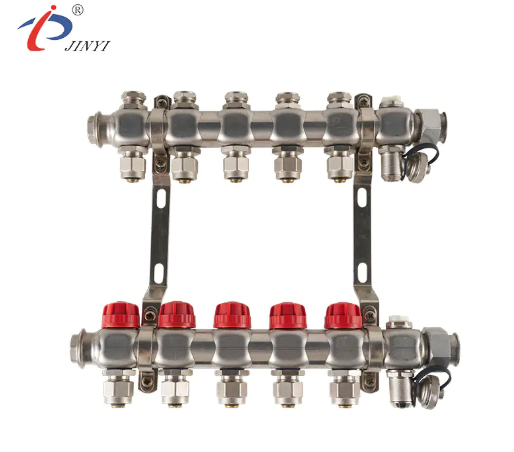
Looking for a reliable and high-performance manifold to power your radiant heating system? Our 12-Loop Stainless Steel Radiant Heat Manifold is engineered to deliver long-term durability, optimal water distribution, and complete control over every heating zone.
Built to Perform
Made from premium-grade stainless steel, this manifold resists corrosion and maintains integrity under working pressure up to 1.6MPa. Whether you're managing a small residential installation or a large commercial underfloor heating system, our manifold ensures even heat distribution and system balance.
Easy Installation & Operation
Each loop comes pre-assembled with high-quality valves, flow meters, and drain-off points, making installation quick and hassle-free. 12 separate loops allow for precise zoning—so every room stays comfortable and energy-efficient.
Key Features:
1.6MPa max working pressure
12 loop configuration for large-scale heating
Corrosion-resistant stainless steel body
Integrated flow meters and isolating valves
Suitable for underfloor and radiant heating systems
Leak-tested for long-term safety
Applications:
Underfloor heating systems
Radiator heating circuits
Commercial and residential heating projects
Energy-efficient building systems
Why Choose Us?
We’re a China-based OEM/ODM manufacturer specializing in heating system components. Our factory offers consistent quality, competitive pricing, and fast shipping across Europe, North America, and beyond. For inquiries or samples: WhatsApp +86 13750801289
-
Shower Tray Leg Frame: How Does It Simplify Ultra-Flat Tray Installation?
Sep 05, 2025
Yuhuan JINYI Hardware Co.,Ltd.'s Shower Tray Leg Frame and Shower Tray Support Frame systems have become essential tools that simplify the installation process of ultra-flat and super-flat shower trays, ensuring square or rectangular trays are correctly positioned and securely supported throughout their use. These innovative solutions address what can often be a challenging task for both professionals and DIY enthusiasts, where achieving a stable and level tray demands careful attention to detail, precise adjustments, and—most importantly—the right components.
Optimising Stability for Flat Shower Trays
One of the main challenges with ultra-flat shower trays is maintaining stability. Traditional installation methods often leave small gaps or uneven contact with the floor, which can cause the tray to wobble or shift over time. Using a dedicated Shower Tray Leg Frame addresses this issue by providing a reliable support structure beneath the tray. The adjustable feet distribute weight evenly, preventing sagging or uneven pressure points, which can compromise both safety and long-term durability.
The support frame acts as a foundation that aligns perfectly with the tray dimensions, whether square or rectangular. Its design allows installers to fine-tune the height and orientation of each leg individually, accommodating variations in floor level and avoiding common installation issues that might otherwise cause leaks or tray movement. This level of control helps ensure that the tray remains flat, functional, and visually aligned with the surrounding bathroom surfaces.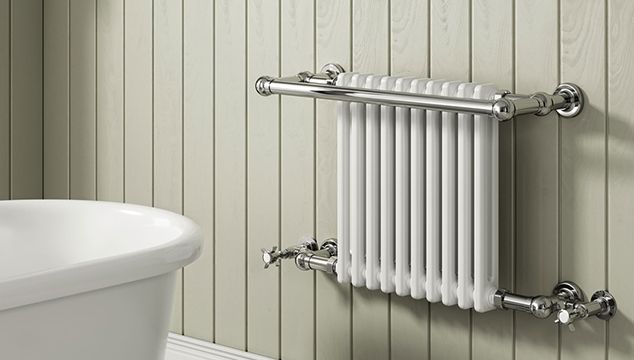
Adjustable Features for Precise Installation
A standout feature of modern Shower Tray Support Frames is the inclusion of an adjustment slider mechanism. This slider allows installers to modify the positioning of the tray feet after initial placement, which is particularly useful when working with uneven flooring or complex bathroom layouts. Small corrections can be made without removing the tray entirely, reducing installation time.
The flexibility offered by these frames also supports the use of a wide range of tray materials, including acrylic and steel. Since ultra-flat designs leave little room for error, even slight adjustments can make a significant difference in the final alignment. The ability to tweak each leg ensures that trays sit perfectly horizontal, eliminating stress points and enhancing the overall lifespan of the shower installation.Enhancing Installation Efficiency
Beyond stability and precision, Shower Tray Leg Frames contribute to a smoother installation workflow. Installers no longer need to improvise with shims or makeshift supports, which can introduce variability and additional labor. The frame system provides a predefined grid for foot placement, guiding installers through each step systematically. This structured approach reduces the likelihood of mistakes, helps maintain a professional finish, and streamlines the setup process for multiple bathroom projects.
Additionally, these frames are compatible with both square and rectangular trays, offering versatility for a range of bathroom designs. This compatibility ensures that manufacturers and installers can rely on a single support solution for different tray models, simplifying inventory management and reducing the need for specialized components.Practical Benefits for Homeowners and Installers
For homeowners, a properly supported ultra-flat tray enhances both comfort and safety.For professional installers, the system reduces on-site challenges, allowing them to complete projects more efficiently and with consistent results. By integrating Shower Tray Leg Frame and Shower Tray Support Frame solutions into their workflow, installers can achieve predictable outcomes, maintain structural integrity, and avoid common pitfalls that might require later adjustments or repairs.
Overall, Shower Tray Leg Frames offer a practical, adjustable, and reliable method to support ultra-flat shower trays. They address common installation challenges, enhance precision, and streamline the setup process, making them a valuable component for modern bathroom installations.For further inquiries, please contact +86-576-87425996.
-
JINYI at ISH: Showcasing Smart Solutions in Sanitary Hardware
Sep 03, 2025
At the heart of the global sanitary and HVAC industry, the ISH Exhibition in Frankfurt is where innovation meets precision. This year, Yuhuan Jinyi Hardware Co., Ltd. proudly presented our latest range of bathroom and plumbing fittings -reinforcing our position as a trusted OEM partner in the international hardware market.
From high-performance shower tray support frames, adjustable bath legs, to precision-made valves and brackets, JINYI brought over 20 years of manufacturing expertise to the global stage.

What Makes JINYI Stand Out?
OEM & ODM Specialist
Custom solutions designed for your market — whether you're a brand owner, importer, or distributor.Quality Meets Function
CE-certified products engineered for stability, easy installation, and long-term durability.
Product Variety
From universal riser frames to silent adjustable legs and steel wall brackets — we offer full-system support for modern bathrooms.
Fast Lead Time & Reliable Supply
With strict quality control and optimized production lines, we deliver consistent quality at competitive prices.
Why Customers Came to Our Booth
Visitors from across Europe, the Middle East, and beyond stopped by to:
Explore our newest models for acrylic and steel bathtub supports
Discuss private label packaging for local markets
Evaluate long-term supply partnerships
Feel the strength and simplicity of our hardware in personBuilding Connections That Last
ISH wasn’t just a trade show — it was a platform for partnerships.
We met with longtime clients, greeted new leads, and shared ideas with forward-thinking professionals from the sanitaryware world. JINYI’s goal has always been clear: Deliver reliable, factory-direct solutions that add value to your business.Let’s build your next product line -together.
For more information, Please contact us on WhatsApp at +8613750801289. -
Forged for Rituals: Support Frames Where Daily Renewal Takes Root
Aug 29, 2025
In the quiet moments of daily life—those rituals of renewal like morning showers or evening routines—Shower Bases Support Frame and Decoupling Tank components work behind the scenes to anchor consistency. These unassuming hardware elements are forged not just for function, but to underpin the reliability of moments that shape the start or end of a day. They ensure that the spaces where we refresh, recharge, and prepare are free from disruptions, letting rituals unfold as they should.
Shower Bases Support Frame: The Foundation of Daily Rituals
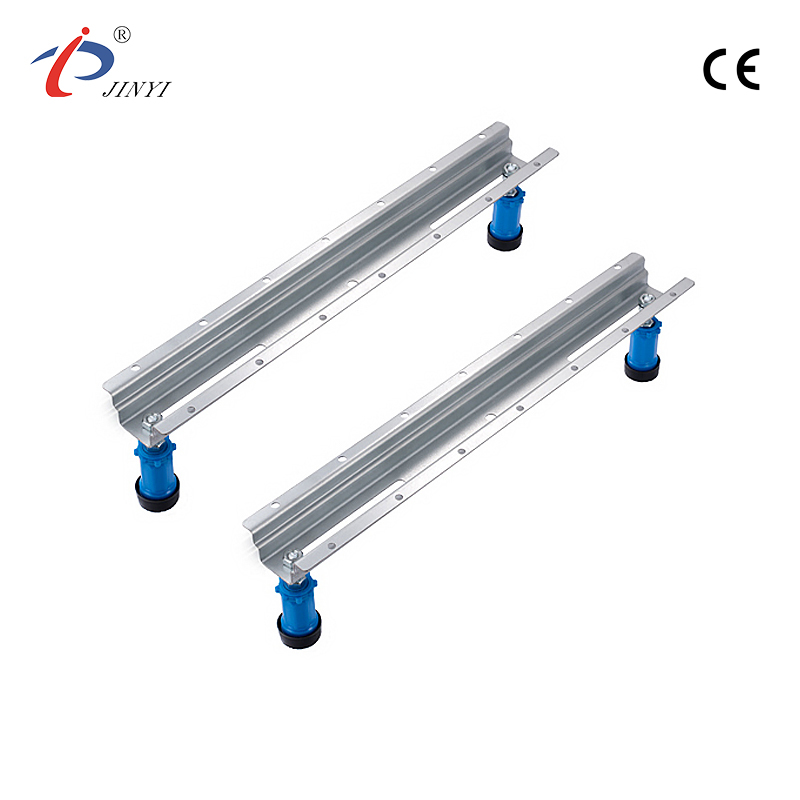
Shower Bases Support Frame is engineered to be the steady foundation beneath one of life’s frequently practiced rituals: the daily shower. Its design focuses on stability, ensuring that the shower base remains secure and level, day after day, regardless of how many times it’s stepped on, leaned against, or exposed to water.
Materials matter here, chosen to withstand the unique demands of a wet, high-use space. Steel, often galvanized to resist rust, forms the core of many frames, offering rigidity to distribute weight evenly across the subfloor. This prevents the shower base from sagging over time—a common issue that may cause uneven water flow, leaks, or even cracks in the base itself.For bathrooms with higher humidity or those using saltwater systems, stainless steel frames provide added resistance to corrosion, ensuring longevity in harsh conditions.
Adjustability is another key feature, recognizing that no two bathrooms are identical. Many frames include telescoping legs or modular components that allow installers to level the base even on sloped or uneven subfloors. This precision ensures water drains properly, avoiding pooling that could extend shower time or create slipping hazards. A level base also means the shower curtain or door seals correctly, keeping water inside the shower and away from the bathroom floor—preserving the ritual’s flow without post-shower cleanup interruptions.
Decoupling Tank: Preserving the Rhythm of Water Flow
Decoupling Tank components play a subtler but equally vital role in daily rituals, ensuring that water flows with consistent rhythm rather than sudden bursts or disruptions. In shower routines, where temperature and pressure matter, these tanks prevent the jolts of water hammer or fluctuating pressure that can turn a calming moment into a frustrating one.
Constructed from materials like brass or stainless steel, Decoupling Tanks act as buffers in plumbing lines. They absorb sudden pressure spikes—such as when a toilet flushes while the shower is running or when the shower is turned off abruptly—preventing the abrupt changes in water flow that can cause temperature swings or loud banging in pipes. This buffering effect keeps the shower’s water pressure steady, so the temperature remains consistent and the flow feels uninterrupted.
The tank’s internal design, often featuring rubber diaphragms or flexible chambers, allows it to expand and contract with pressure changes. When water demand increases elsewhere in the home, the tank releases stored pressure to the shower line, maintaining flow. When demand drops, it absorbs excess pressure, avoiding surges. This balance ensures that the shower ritual—whether a quick five-minute rinse or a longer, more deliberate soak—proceeds without unexpected interruptions.
How They Unite to Sustain Ritual Consistency
Shower Bases Support Frame and Decoupling Tank come together to create an environment where daily rituals thrive, each addressing a different layer of potential disruption. The support frame handles the physical stability: no creaks underfoot, no shifting base, no leaks to clean up. The decoupling tank manages the water’s behavior: no sudden temperature spikes, no jarring pressure drops, no loud pipes to break focus.
Consider the morning routine of someone rushing to start their day. They step into the shower, and the support frame’s even weight distribution ensures the base doesn’t shift, letting them move freely. The decoupling tank, meanwhile, keeps water pressure steady as other household fixtures are used, so the shower’s temperature stays consistent. When they finish, the frame’s secure base ensures water drains quickly, and the tank absorbs the pressure from turning off the tap, avoiding a loud bang that might startle a sleeping household. Together, these components turn a series of mechanical functions into a seamless ritual.
In slower moments—an evening shower to unwind—their collaboration deepens the experience. The stable base allows leaning against the shower wall without worry, while the steady water flow (maintained by the decoupling tank) creates a calming rhythm, free from surprises. These are the moments where hardware fades into the background, letting the ritual take center stage.
Practical Choices for Sustaining Rituals
Selecting and maintaining these components requires attention to the specific needs of a space and its rituals. For Shower Bases Support Frame, consider the shower base material: heavier stone or tile bases may require frames with reinforced cross-bracing to handle the weight, while acrylic bases pair well with standard steel frames. Installers should check for level after setup, as even a small slope can disrupt water flow over time.
For Decoupling Tank, sizing is key. A tank too small for the home’s plumbing system may struggle to absorb pressure spikes, resulting in inconsistent flow.Matching the tank’s capacity to the number of fixtures in the home ensures it can handle peak demand. Regular checks of the tank’s diaphragm or gaskets—replacing them when they show signs of wear—prevents loss of flexibility, which can reduce its ability to buffer pressure changes.
-
Optimize Your Underfloor Heating System with a 12-Loop Stainless Steel Radiant Heat Manifold
Aug 27, 2025
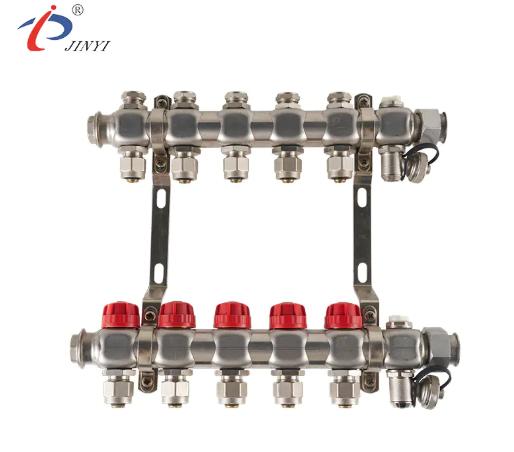
Looking for a reliable and high-performance manifold to power your radiant heating system? Our 12-Loop Stainless Steel Radiant Heat Manifold is engineered to deliver long-term durability, optimal water distribution, and complete control over every heating zone.
Built to Perform
Made from premium-grade stainless steel, this manifold resists corrosion and maintains integrity under working pressure up to 1.6MPa. Whether you're managing a small residential installation or a large commercial underfloor heating system, our manifold ensures even heat distribution and system balance.
Easy Installation & Operation
Each loop comes pre-assembled with high-quality valves, flow meters, and drain-off points, making installation quick and hassle-free. 12 separate loops allow for precise zoning—so every room stays comfortable and energy-efficient.
Key Features:
1.6MPa max working pressure
12 loop configuration for large-scale heating
Corrosion-resistant stainless steel body
Integrated flow meters and isolating valves
Suitable for underfloor and radiant heating systems
Leak-tested for long-term safety
Applications:
Underfloor heating systems
Radiator heating circuits
Commercial and residential heating projects
Energy-efficient building systems
Why Choose Us?
We’re a China-based OEM/ODM manufacturer specializing in heating system components. Our factory offers consistent quality, competitive pricing, and fast shipping across Europe, North America, and beyond. For inquiries or samples: WhatsApp +86 13750801289
-
Silent Guardians: How Shower Frames and Decoupling Tanks Protect Your Plumbing
Aug 22, 2025
Shower Bases Support Frames and Decoupling Tanks work like silent guardians. They work behind the scenes. They protect plumbing systems from daily wear, pressure, and movement. These parts do not ask for attention. But, they stop problems from happening. Without them, you might see a sagging shower base, leaking pipes, or loud banging in your pipes. They are made to prevent issues. So, they keep your plumbing system stable and peaceful by absorbing stress.
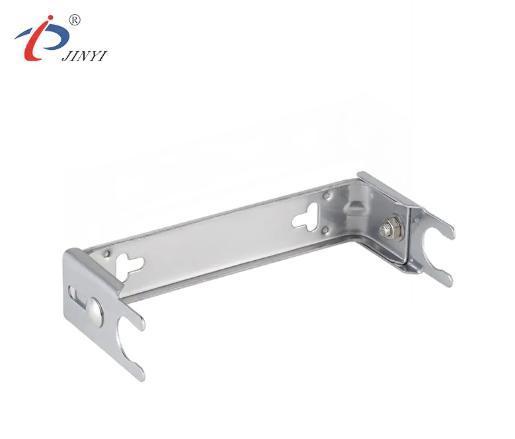
Shower Bases Support Frame: A Strong Base for Wet Areas
The Shower Bases Support Frame is like a silent guard under your shower. Its job is to hold the shower base steady. This stops strain on the structure and prevents leaks. In wet areas, weight and water together create a high risk for damage. A weak frame can cause problems. For example, it can sag. Then, the shower base can crack. After that, water can leak into the floor below. This can cause mold, rot, or expensive repairs.
The materials for these frames are strong and resist water. Steel is often used. It is usually galvanized to stop rust. Steel is rigid. So, it spreads weight evenly over the floor. Stainless steel is also used. It resists corrosion naturally. This is good for humid places or where cleaning chemicals are used. These materials keep the frame strong for years, even with water and steam.
The design of the frame also helps it protect. Many frames have adjustable legs. This is useful because floors are not always level, especially in older homes. The legs can be adjusted. So, the installer can make the frame level. This stops the shower base from tilting. If the base tilts, water can pool and seals can fail. Also, many frames have cross-bracing between the rails. This adds side-to-side strength. So, the frame does not move when someone stands on it.
Installation steps are important for it to work right. The frame must be fixed to the floor below. You should use screws or bolts that do not rust. This stops them from getting loose over time. Next, you must check that the frame is level during setup. You adjust the legs as needed. This makes sure the base sits flat. Then, there is less strain on the seams and the drain. These steps are simple. But, they are important. They let the frame do its job as a silent, strong support.
Decoupling Tank: Taking Stress Out of Water Pipes
The Decoupling Tank is a buffer in your plumbing lines. It absorbs stress. This stress comes from pressure changes, heat expansion, and sudden changes in water flow. These forces can damage pipes, valves, and fixtures. For example, in a home, you turn on a hot water tap. The hot water makes the pipes expand. Then, you turn the tap off quickly. This can cause a pressure spike, called water hammer. Over time, these forces can loosen joints, crack pipes, or wear out seals. Then, you may get leaks and need costly repairs.
The tank's design is made to be flexible. It is usually made from brass or stainless steel. Inside, it has a gasket or diaphragm, often made of rubber or silicone. This part can flex. When water pressure surges, the diaphragm compresses. So, it absorbs the extra energy. It does not let that energy travel through the pipes. Also, when pipes expand from heat, the tank allows for a little movement. So, stress is not transferred to rigid connections, like where pipes connect to shower valves or wall studs.
Where you put the tank is key for it to work well. You should install it near problem spots. Good spots are near water heaters, pumps, or where pipes change direction. This way, it catches pressure spikes before they reach weak parts. In big buildings with many sinks and showers, tanks are often put in main lines. This protects whole sections of plumbing. So, the building needs fewer repairs.
You need to do a little maintenance to keep it working. Over many years, the internal gasket can get hard or wear out. Then, the tank cannot absorb stress as well. You should check these parts now and then. If you see signs of wear, you should replace them. This makes sure the tank keeps protecting your pipes from pressure damage.
Working Together: Protecting Peace in Your Bathroom
In bathrooms and wet areas, the Shower Bases Support Frame and the Decoupling Tank work as a team. Each one protects a critical part of the system. The support frame protects the shower area's structure. It stops leaks that could damage floors and walls. The decoupling tank protects the water pipes that go to that shower. It stops pressure and movement from causing pipe damage or valve failure.
So, in a home bathroom, this partnership means fewer bad surprises. You won't suddenly find a leak from a cracked shower base. You won't hear pipes rattling when the shower turns off. You won't find mold from hidden water leaks.
These silent guardians ask for very little. They need a correct installation, a check once in a while, and the right materials for the place they are in. And in return, they do a very important job. They make sure your plumbing system works peacefully. They give you peace of mind. You know that possible problems are being stopped before they even start. You are not just fixing issues later. You are preventing them from happening at all. This is the quiet, important work of these two guardians: one ensuring a solid foundation, and the other ensuring a smooth flow, for the long-term health of your home's plumbing.
-
Integrated Steel Manifold Mounting Bracket–The Perfect Fit for 3/4" PEX-AL-PEX Heating Systems
Aug 20, 2025
When it comes to installing radiant heating manifolds securely and efficiently, having the right support is crucial. Our 3/4" PEX-AL-PEX Steel Manifold Mounting Bracket (Integrated Type) is the ideal solution for professionals seeking durable, easy-to-install, and precision-engineered mounting hardware.
Robust Design for Long-Term Performance
Crafted from heavy-duty galvanized steel, this integrated mounting bracket provides maximum stability for your manifold system, even in demanding installations. The corrosion-resistant finish ensures it stands up to time, temperature, and moisture.
Easy to Install, Built for Compatibility
Designed specifically for 3/4" PEX-AL-PEX manifold systems, this bracket comes pre-configured for fast mounting with integrated pipe clips—eliminating the need for separate fittings or adapters. Save time on site with a product that’s ready to go right out of the box.
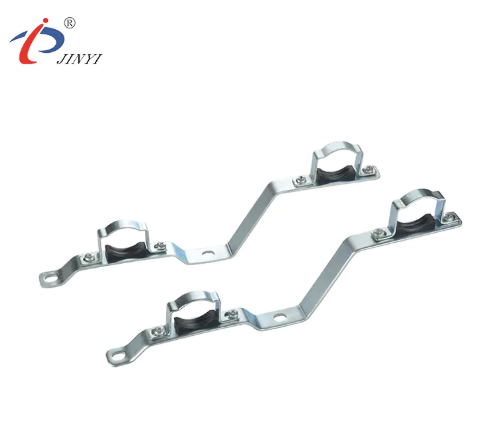
(JY5010)
Key Benefits:
Compatible with 3/4" PEX-AL-PEX manifolds
Integrated clip design for fast and secure pipe fixing
High-strength steel structure with anti-rust coating
Pre-drilled holes for quick wall or panel installation
Suitable for both underfloor and radiator heating systems
Professional finish ideal for visible manifold setups
Ideal For:
Residential and commercial radiant heating systems
Wall-mounted or cabinet-installed manifolds
HVAC installers, heating system integrator, and wholesalers
Why Choose Our Factory?
With over a decade of experience in heating system accessories, we’re a trusted OEM supplier for clients across Europe and North America. Our products are rigorously tested for quality, and we offer bulk pricing, fast delivery, and custom manufacturing support.For inquiries or samples: WhatsApp +86 13750801289


- 210 Jinhai Avenue, Lupu Economic Development Zone, Yuhuan City, Taizhou City, Zhejiang Province.
- +86-576-87423248 / +86-576-87499120
- +86-17769979117 / +86-13750801289
- +86-576-87425996
- [email protected] / [email protected]

