


 русский
 Español
Silent Guardians: How Shower Frames and Decoupling Tanks Protect Your Plumbing
2025-08-22
Shower Bases Support Frames and Decoupling Tanks work like silent guardians. They work behind the scenes. They protect plumbing systems from daily wear, pressure, and movement. These parts do not ask for attention. But, they stop problems from happening. Without them, you might see a sagging shower base, leaking pipes, or loud banging in your pipes. They are made to prevent issues. So, they keep your plumbing system stable and peaceful by absorbing stress.
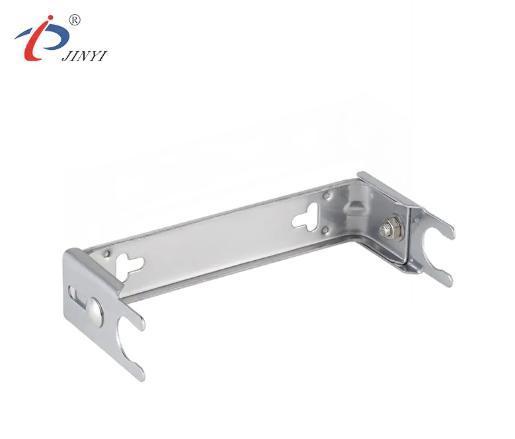
Shower Bases Support Frame: A Strong Base for Wet Areas
The Shower Bases Support Frame is like a silent guard under your shower. Its job is to hold the shower base steady. This stops strain on the structure and prevents leaks. In wet areas, weight and water together create a high risk for damage. A weak frame can cause problems. For example, it can sag. Then, the shower base can crack. After that, water can leak into the floor below. This can cause mold, rot, or expensive repairs.
The materials for these frames are strong and resist water. Steel is often used. It is usually galvanized to stop rust. Steel is rigid. So, it spreads weight evenly over the floor. Stainless steel is also used. It resists corrosion naturally. This is good for humid places or where cleaning chemicals are used. These materials keep the frame strong for years, even with water and steam.
The design of the frame also helps it protect. Many frames have adjustable legs. This is useful because floors are not always level, especially in older homes. The legs can be adjusted. So, the installer can make the frame level. This stops the shower base from tilting. If the base tilts, water can pool and seals can fail. Also, many frames have cross-bracing between the rails. This adds side-to-side strength. So, the frame does not move when someone stands on it.
Installation steps are important for it to work right. The frame must be fixed to the floor below. You should use screws or bolts that do not rust. This stops them from getting loose over time. Next, you must check that the frame is level during setup. You adjust the legs as needed. This makes sure the base sits flat. Then, there is less strain on the seams and the drain. These steps are simple. But, they are important. They let the frame do its job as a silent, strong support.
Decoupling Tank: Taking Stress Out of Water Pipes
The Decoupling Tank is a buffer in your plumbing lines. It absorbs stress. This stress comes from pressure changes, heat expansion, and sudden changes in water flow. These forces can damage pipes, valves, and fixtures. For example, in a home, you turn on a hot water tap. The hot water makes the pipes expand. Then, you turn the tap off quickly. This can cause a pressure spike, called water hammer. Over time, these forces can loosen joints, crack pipes, or wear out seals. Then, you may get leaks and need costly repairs.
The tank's design is made to be flexible. It is usually made from brass or stainless steel. Inside, it has a gasket or diaphragm, often made of rubber or silicone. This part can flex. When water pressure surges, the diaphragm compresses. So, it absorbs the extra energy. It does not let that energy travel through the pipes. Also, when pipes expand from heat, the tank allows for a little movement. So, stress is not transferred to rigid connections, like where pipes connect to shower valves or wall studs.
Where you put the tank is key for it to work well. You should install it near problem spots. Good spots are near water heaters, pumps, or where pipes change direction. This way, it catches pressure spikes before they reach weak parts. In big buildings with many sinks and showers, tanks are often put in main lines. This protects whole sections of plumbing. So, the building needs fewer repairs.
You need to do a little maintenance to keep it working. Over many years, the internal gasket can get hard or wear out. Then, the tank cannot absorb stress as well. You should check these parts now and then. If you see signs of wear, you should replace them. This makes sure the tank keeps protecting your pipes from pressure damage.
Working Together: Protecting Peace in Your Bathroom
In bathrooms and wet areas, the Shower Bases Support Frame and the Decoupling Tank work as a team. Each one protects a critical part of the system. The support frame protects the shower area's structure. It stops leaks that could damage floors and walls. The decoupling tank protects the water pipes that go to that shower. It stops pressure and movement from causing pipe damage or valve failure.
So, in a home bathroom, this partnership means fewer bad surprises. You won't suddenly find a leak from a cracked shower base. You won't hear pipes rattling when the shower turns off. You won't find mold from hidden water leaks.
These silent guardians ask for very little. They need a correct installation, a check once in a while, and the right materials for the place they are in. And in return, they do a very important job. They make sure your plumbing system works peacefully. They give you peace of mind. You know that possible problems are being stopped before they even start. You are not just fixing issues later. You are preventing them from happening at all. This is the quiet, important work of these two guardians: one ensuring a solid foundation, and the other ensuring a smooth flow, for the long-term health of your home's plumbing.


- 210 Jinhai Avenue, Lupu Economic Development Zone, Yuhuan City, Taizhou City, Zhejiang Province.
- +86-576-87423248 / +86-576-87499120
- +86-17769979117 / +86-13750801289
- +86-576-87425996
- [email protected] / [email protected]

