


 русский
 Español
The Evolution and Innovation of Water Faucets in Modern Plumbing Systems
2025-05-30
Water faucets are a key part of plumbing systems. They give controlled access to water in homes, businesses, and factories. Faucets have changed a lot over time. They started as simple manual devices. Now, they are advanced digital models.
The Important Role of Water Faucets in Plumbing Systems
Water faucets are very common in home and business plumbing. This makes water use easy for everyone. A good faucet must work well and last a long time. But today, needs have changed. People worry more about saving water. So, faucets are not just simple tools anymore. Now, they are part of a bigger plan for efficient water use and sustainable living.
Faucets are necessary for daily life. They give us hot and cold water for cleaning, cooking, drinking, and washing. Besides this basic job, faucets also add to the look of a kitchen or bathroom. Makers offer many styles, finishes, and shapes to suit different tastes. Also, faucet companies are thinking about the environment. They are adding features that save water. These features help use less water but still work well.
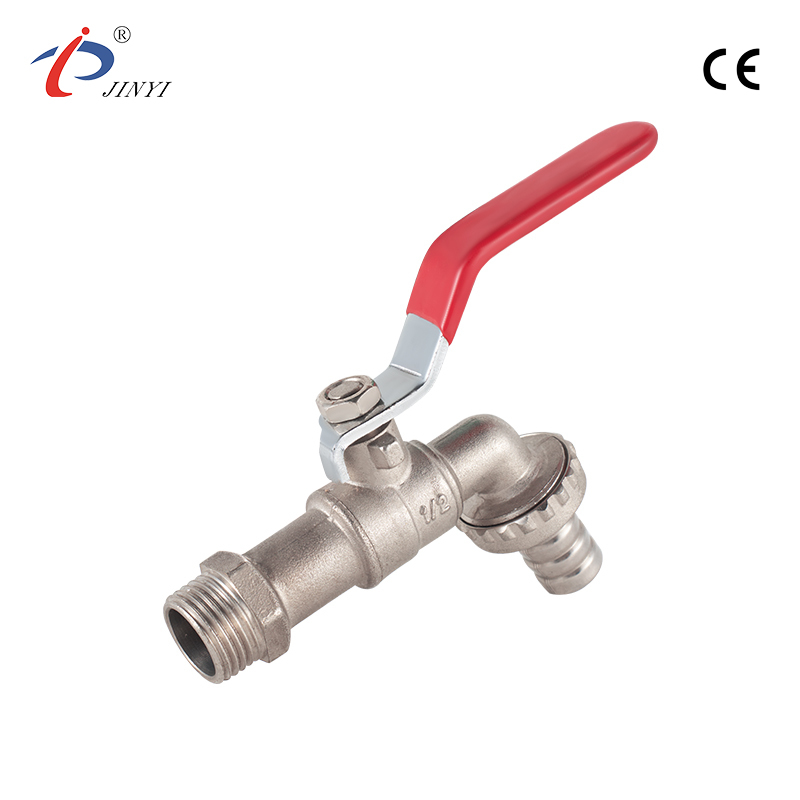
New Ideas in Water Faucet Technology
Over time, water faucet technology has improved a lot. These changes aim to make faucets more convenient, efficient, and eco-friendly. Several important innovations have made faucets key tools for modern water management.
Touchless and Sensor Faucets
A big innovation is the touchless or sensor faucet. These faucets use infrared sensors. The sensor sees a user's hands and turns the water on automatically. Touchless faucets have many benefits. They are more hygienic. They reduce water waste. And they are very convenient. You often see them in public restrooms, hospitals, and restaurant kitchens. Cleanliness and efficiency are very important there. Plus, these faucets save water. The water only runs when it is needed. This cuts down on useless water flow.
Water-Saving Faucets
People are more worried about water shortages and the environment now. So, makers have created water-saving faucets. These faucets use aerators and other tech. They reduce water flow but keep good water pressure. This helps people use less water without a bad experience. Low-flow faucets are now common in houses and offices. Governments and rules are pushing for better water efficiency. Putting water-saving features in faucets helps the planet. It also lowers the water bill for users.
Digital Faucets with Smart Controls
Another new development is the digital smart faucet. These faucets have digital screens. Users can set the exact water temperature and flow rate. They can even set a timer for the water. Smart faucets can connect to home automation systems. This means people can control the faucet from an app on their phone. They can also use voice commands with helpers like Amazon Alexa or Google Assistant. This is very convenient. But also, these smart faucets save energy and water. They give exact control, which reduces waste and cost.
Water Filtration Faucets
People are also more concerned about water quality. So, water filtration faucets are becoming popular. These faucets have built-in filters. The filters take out impurities and harmful things from the tap water. This makes the water taste better and be safer to drink. Some faucets use cartridges you can replace. Others have more advanced filter technology. They give clean water straight from the tap. These faucets are popular where people worry about water pollution. They are also good for families who want safe drinking water at home.
Looking Ahead: The Future of Faucets
The future of water faucets will likely bring even more change. One area is smarter technology. Faucets could learn a user's habits and adjust settings automatically. For example, a faucet might know your preferred morning shower temperature. Another idea is better water tracking. Faucets might have displays that show exactly how much water you use each time. This would help people understand and reduce their water use.
Also, materials used for faucets will improve. Scientists are looking at new, very strong coatings. These coatings would prevent the buildup of lime and dirt. This means faucets would stay cleaner and last longer with less cleaning. Also, we might see more use of recycled materials in making faucets. This would make them more environmentally friendly from the start.
Another possibility is faucets that work without any touch at all. Instead of a sensor, a simple voice command or a wave of the hand from a distance could control the water. This would be even more hygienic. It would also help people with limited movement who find handles difficult to use.
In cities with old pipes, water quality can change. Future faucets might have advanced sensors built into them. These sensors could check the water for safety in real time. A small light on the faucet could change color if the water is not safe to drink. This would give people immediate information about their water.


- 210 Jinhai Avenue, Lupu Economic Development Zone, Yuhuan City, Taizhou City, Zhejiang Province.
- +86-576-87423248 / +86-576-87499120
- +86-17769979117 / +86-13750801289
- +86-576-87425996
- [email protected] / [email protected]

