


 русский
 Español
What Is a Manifold Bracket and Why It Matters in Pipe Support Systems
2025-12-26
In industrial piping systems, stability and organization are far from optional—they are critical for safety, efficiency, and long-term reliability. Any engineer or technician can attest to the problems that arise when pipes are improperly supported, misaligned, or subjected to unforeseen stress. This is where manifold brackets become essential. Often underestimated in discussions about pipe support, these components help maintain structural strength, reduce maintenance demands, and ensure smooth system operation—but have we really recognized their full importance?
Understanding Manifold Brackets
A manifold bracket is a robust structural component engineered to securely mount and stabilize a manifold within a piping system. The manifold serves as a central distribution point, allowing multiple lines to connect, branch off, or manage the flow of fluids, gases, or other substances with precision.
Found in a wide array of industrial environments—including water treatment plants, heating and cooling systems, and chemical processing operations—the manifold is indispensable for effective flow regulation and distribution.
To ensure lasting performance, manifolds require strong support to withstand stresses from their own weight, ongoing vibrations, temperature changes, and external forces. This is the primary role of the manifold bracket: it anchors the manifold firmly to walls, ceilings, or structural frames, preventing movement and potential damage.
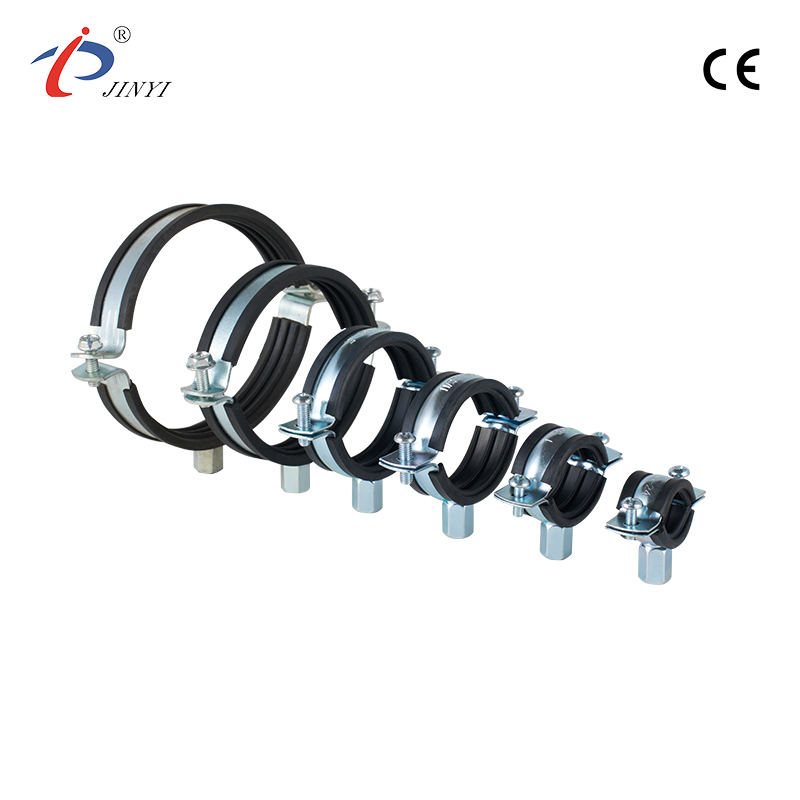
Our brackets are available in various designs, precisely adapted to the manifold’s size, configuration, and load demands, guaranteeing optimal stability and operational reliability in every installation.
Types of Manifold Brackets
Manifold brackets come in various designs to meet the specific demands of different piping systems and operating environments. Here are the primary types we provide:
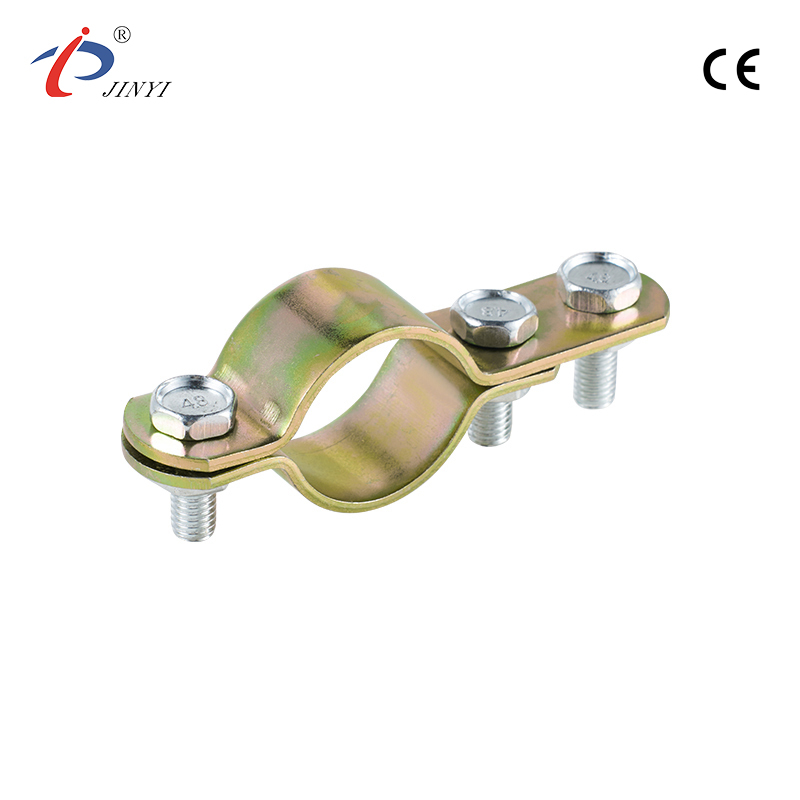
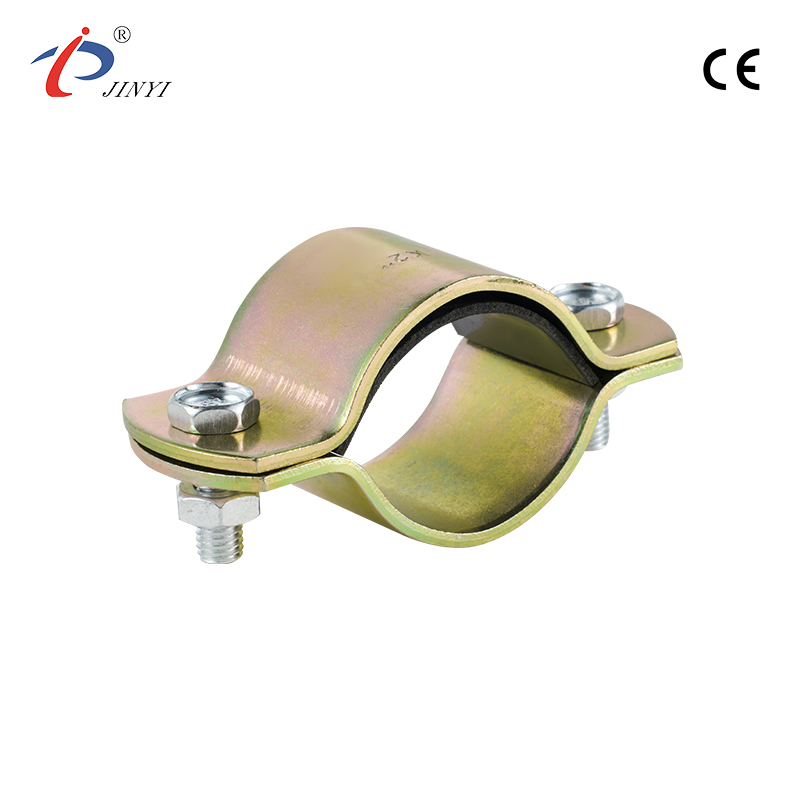
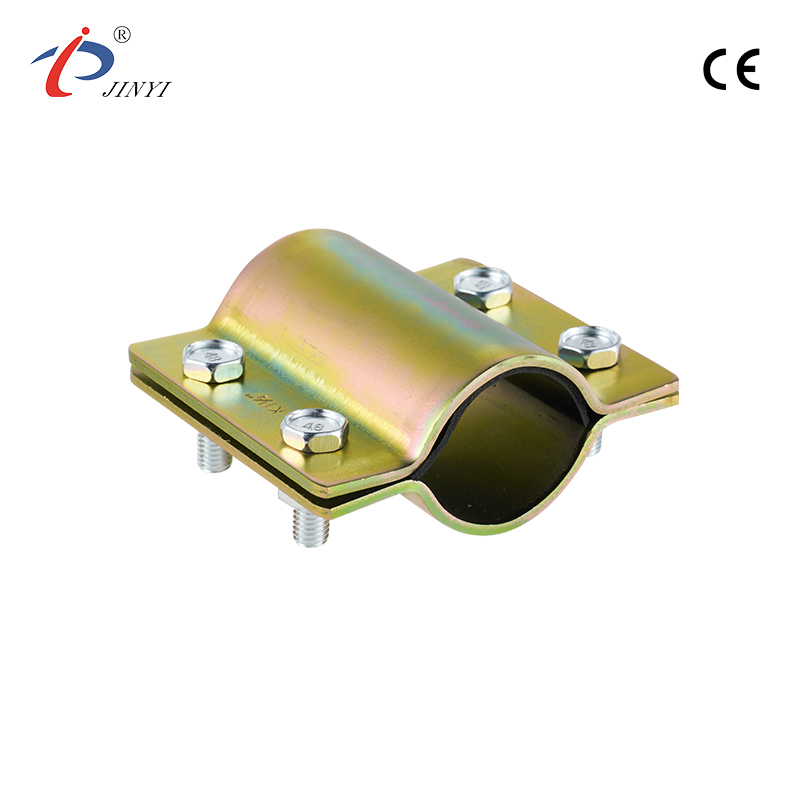
- Fixed Brackets: These offer unwavering, rigid support that completely restricts manifold movement. They are best suited for installations with little to no thermal expansion or where maintaining precise alignment is a top priority.
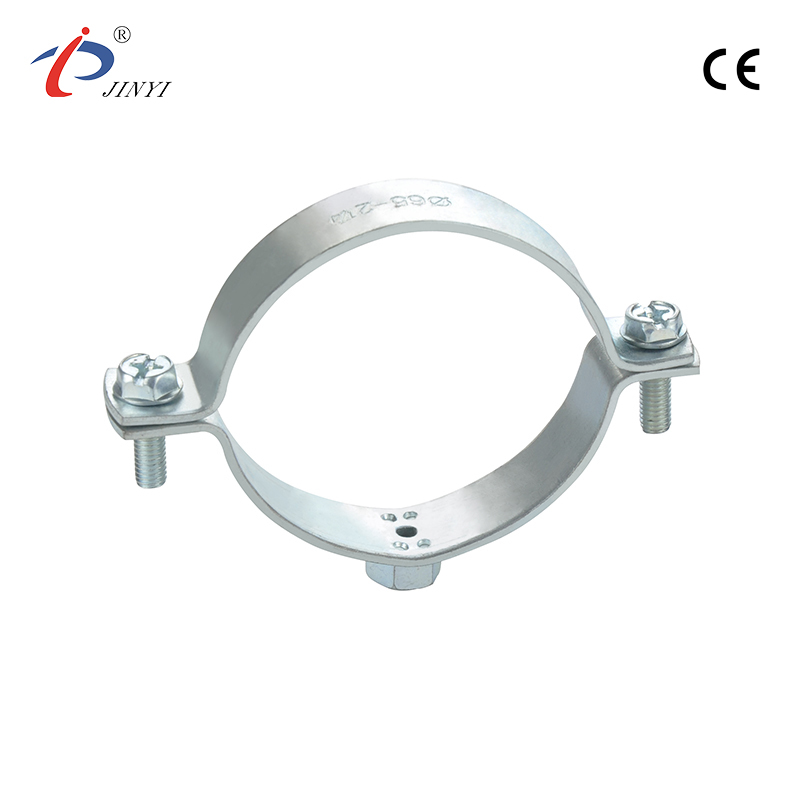
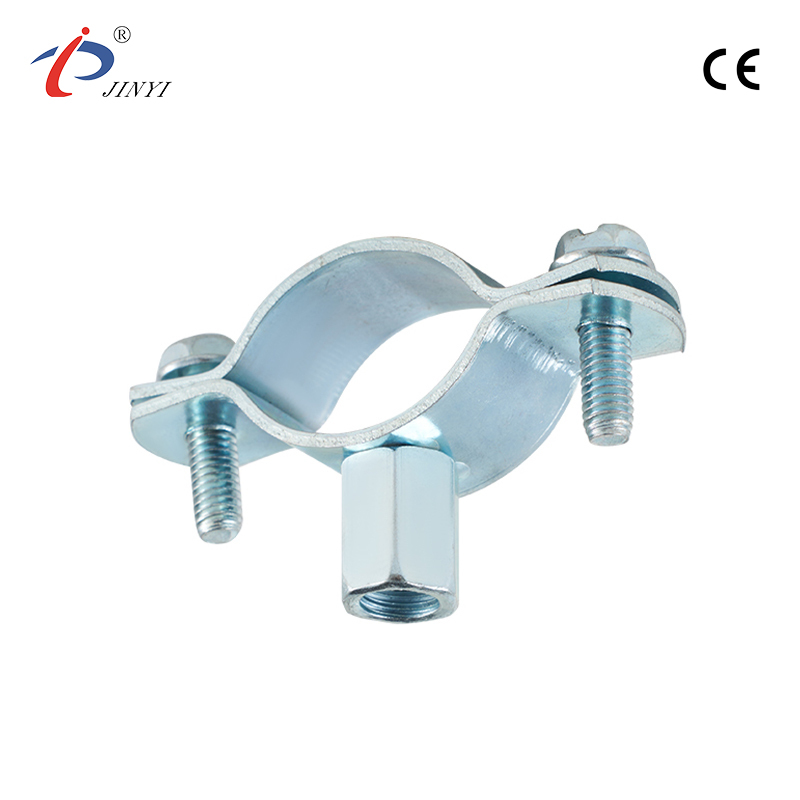
- Adjustable Brackets: Built with flexibility in mind, these brackets enable fine-tuned positioning during setup and allow for small shifts due to temperature changes, ensuring secure support without rigidity.
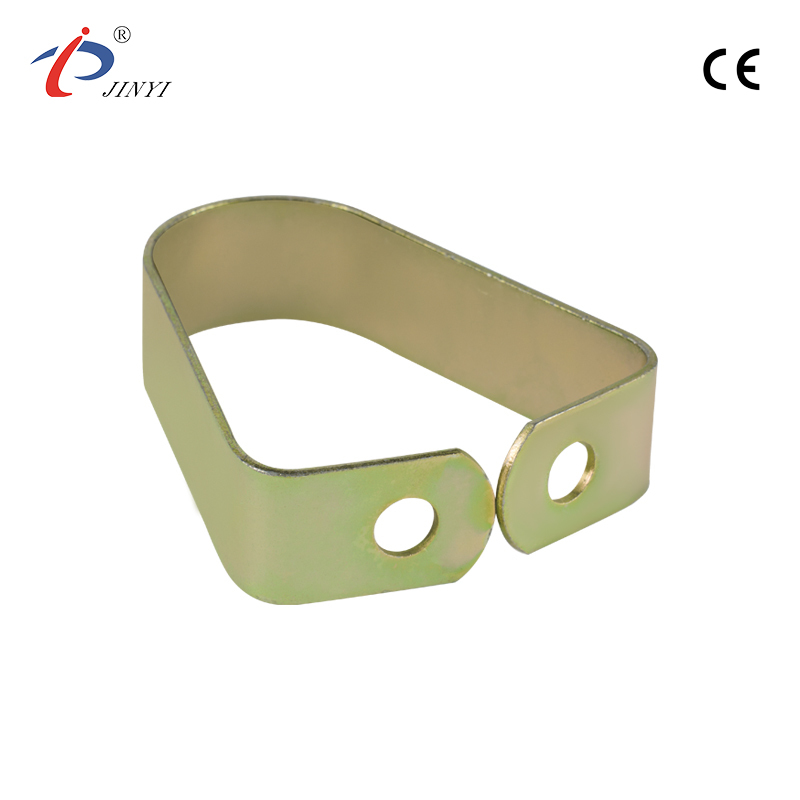
- Sliding Brackets: Specifically engineered for applications with notable thermal expansion, sliding brackets hold the manifold steadily while permitting smooth, guided movement along a set direction. This helps eliminate undue stress on piping connections.
- Custom Brackets: When standard options do not suffice—due to unconventional manifold shapes, unique weight distribution, or specialized requirements—we design and manufacture bespoke brackets. These may feature added reinforcements, vibration control elements, or extra fastening points for superior performance.
The key to optimal selection lies in thoroughly reviewing load requirements, site conditions, temperature variations, and system stresses to deliver durable, dependable support tailored to your needs.
The Importance of Manifold Brackets
Manifold brackets are vital for the performance, safety, and longevity of any piping installation.
- Structural Integrity
- Manifolds frequently manage several high-pressure connections, creating forces that pull in multiple directions. Insufficient support can lead to strained joints, bending, or even complete system failure. Our brackets effectively distribute these loads and weights, safeguarding the manifold's form and ensuring lasting structural reliability.
- Vibration Control
- In most industrial operations, vibrations from machinery such as pumps and compressors are unavoidable. These ongoing movements can loosen fittings, cause material fatigue, and drive up maintenance needs. Brackets with built-in damping features significantly reduce vibration transfer, helping to prolong the service life of the manifold and connected piping.
- Alignment and Efficiency
- Proper alignment is essential for smooth and efficient fluid or gas flow. Even minor shifts can result in pressure losses, flow disruptions, or leaks. By maintaining the manifold in its intended position, our brackets support optimal system performance and minimize unplanned downtime.
- Safety and Compliance
- Industry regulations and standards require adequate support for manifolds and piping to prevent accidents and maintain safe operations. In fields like chemical processing, oil, and gas, failing to comply can lead to penalties, forced shutdowns, or risks to workers. Our brackets enable full compliance while reducing the dangers associated with potential system failures.
- Simplified Maintenance
- A firmly supported manifold greatly eases routine service and inspections. Technicians gain clear, unobstructed access to valves, instruments, and connections, avoiding complications from unstable or shifting components. This results in shorter service times, lower labor expenses, and reduced risk of damage during maintenance activities.
Important Installation Guidelines for Manifold Brackets
Installing a manifold bracket effectively goes beyond simple attachment to a wall or framework. To achieve a secure and long-lasting setup, several key aspects must be carefully evaluated:
- Load Capacity Evaluation: Determine the complete weight of the manifold system, accounting for the added load when filled with fluid. This step verifies that the bracket can reliably manage both constant static weights and any varying dynamic loads during use.
- Allowance for Thermal Expansion: Piping networks often experience temperature shifts that result in material expansion or contraction. Bracket configurations should incorporate provisions for these movements to eliminate potential stress accumulation.
- Resistance to Corrosion: In demanding conditions, such as those found in chemical processing plants or near coastal areas, opting for materials like stainless steel or coated carbon steel substantially increases the bracket's resistance to degradation and extends its operational life.
- Ease of Access: The bracket's placement and structure must ensure full, unimpeded access to valves, sensors, instrumentation, and other vital elements for ongoing maintenance and inspections.
- Vibration Mitigation: In settings with substantial vibration, employing vibration-dampening components or flexible mounting options helps reduce component wear and guards against fatigue-related issues over time.
Common Industry Applications
Manifold brackets serve as critical support elements in a variety of industrial environments, delivering stability and organization in complex systems. Notable applications include:
- Municipal Water Systems: Water treatment and supply facilities use manifold brackets to firmly support elaborate piping configurations that direct flow to different regions and communities.
- Chemical Processing Plants: Facilities handling corrosive or pressurized substances require dependable bracket systems to uphold manifold stability and minimize risks of leaks or operational disruptions.
- HVAC Infrastructure: Heating, ventilation, and air conditioning setups benefit from manifold brackets that maintain alignment and organization of multiple fluid pathways for optimal efficiency.
- Oil and Gas Operations: Both onshore refineries and offshore installations rely on durable manifold brackets to secure assemblies against intense vibration, adverse weather conditions, and high-pressure demands.
Key Factors to Consider When Selecting a Manifold Bracket
At our company, we understand that choosing the right mounting bracket for your manifold is essential for achieving reliable performance and long-lasting results. Here are the primary factors we evaluate to ensure the best solution for your application:
- Load-Bearing Capacity: The bracket must confidently support the complete weight of the manifold, including fluids, attached piping, and any vibrational or operational forces.
- Resistance to Environmental Conditions: It needs to endure exposure to varying temperatures, humidity levels, aggressive chemicals, and ultraviolet light without compromising integrity.
- Compatibility with System Design: The bracket should fit the manifold's specific shape and dimensions perfectly, while integrating smoothly with the overall piping and layout.
- Accessibility for Maintenance: The mounting solution must allow ample space for technicians to carry out inspections, repairs, and regular maintenance safely and efficiently.
- Adherence to Regulations: Every bracket we provide complies with established industry standards, certifications, and applicable local codes.
Taking these elements into account during the planning and selection process helps prevent issues down the line, reduces upkeep requirements, and promotes safe, dependable system operation.
While they may appear as modest elements in the complex world of industrial piping systems, manifold brackets play a vital role far beyond their size. They are indispensable for preserving structural stability, damping vibrations, maintaining precise alignment, and enhancing overall safety. Choosing the right bracket design from a trusted manufacturer like JINYI, along with expert installation, not only boosts the dependability of piping systems but also lowers long-term maintenance expenses and operational interruptions.
In today's landscape, where industrial productivity and safety standards are non-negotiable, prioritizing effective manifold support is a necessity. From small-scale chemical facilities to expansive municipal water networks, high-quality manifold brackets from JINYI silently yet reliably sustain the foundation of essential infrastructure. The next time you notice an unassuming bracket securing a manifold, appreciate it: that simple component is performing a critical task, ensuring systems operate smoothly and securely.


- 210 Jinhai Avenue, Lupu Economic Development Zone, Yuhuan City, Taizhou City, Zhejiang Province.
- +86-576-87423248 / +86-576-87499120
- +86-17769979117 / +86-13750801289
- +86-576-87425996
- [email protected] / [email protected]

