


 русский
 Español
Why Do Wholesale Pipe Clamps Matter in Modern Pipe Systems
2026-05-01
Pipe systems rarely stay completely still once they are installed. Even when everything is aligned at the beginning, small shifts can appear over time, especially when pipes run through long distances or pass through areas with vibration. That is usually where basic fixing parts start to matter more than people expect.
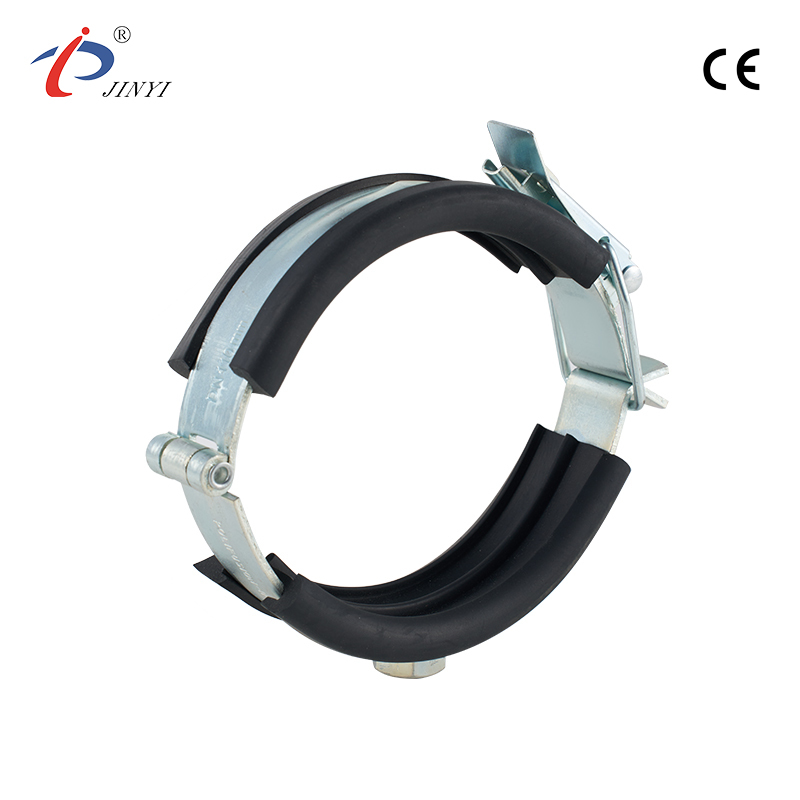
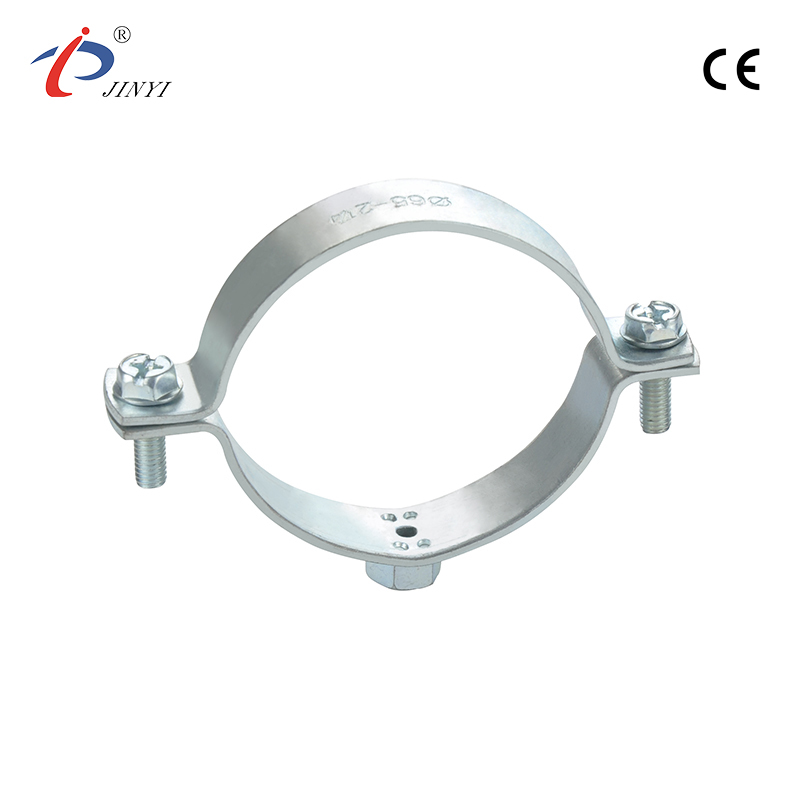
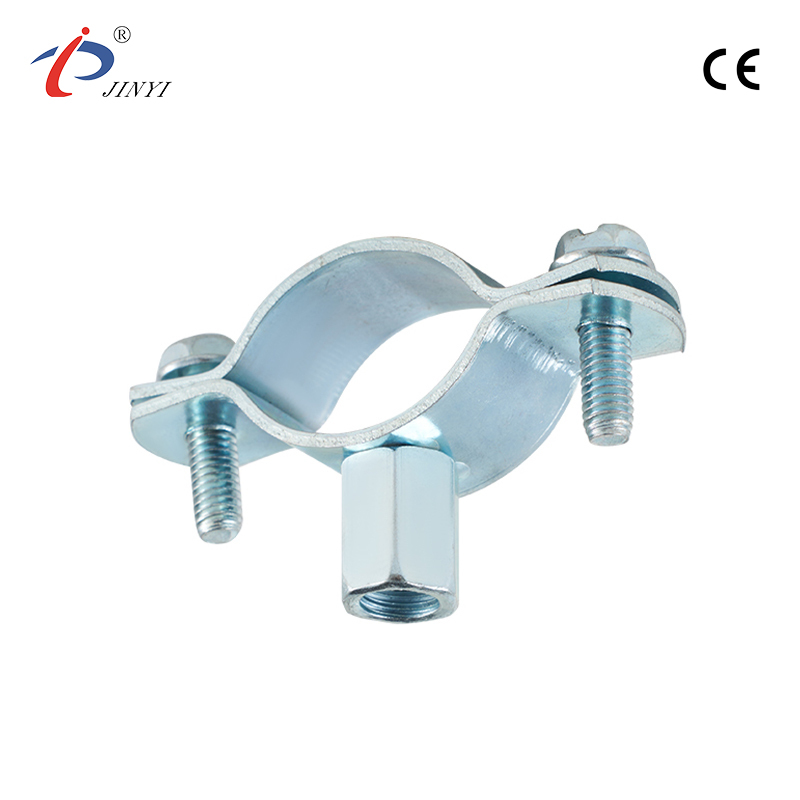
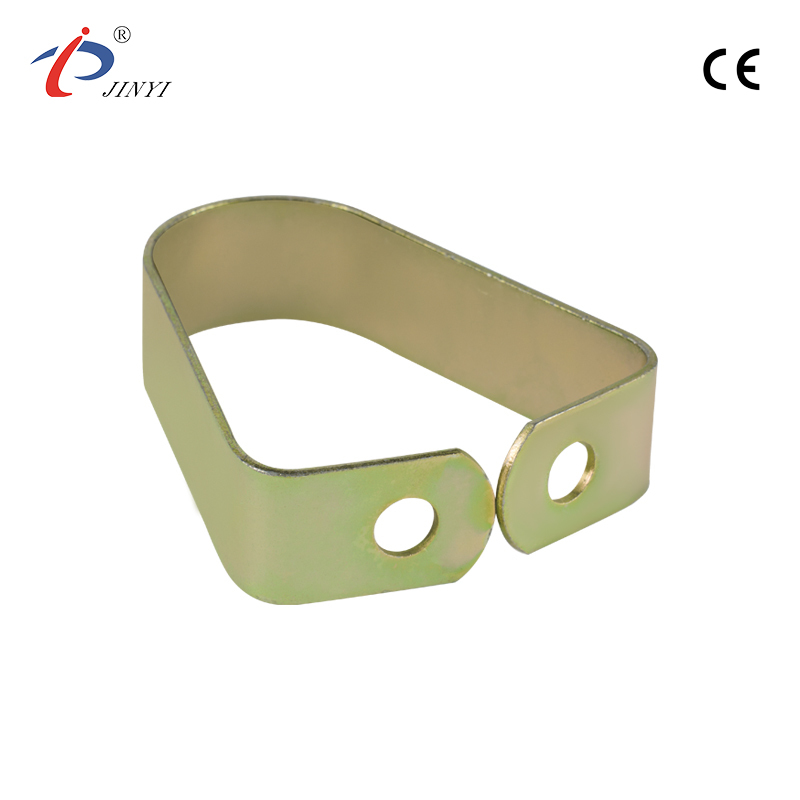
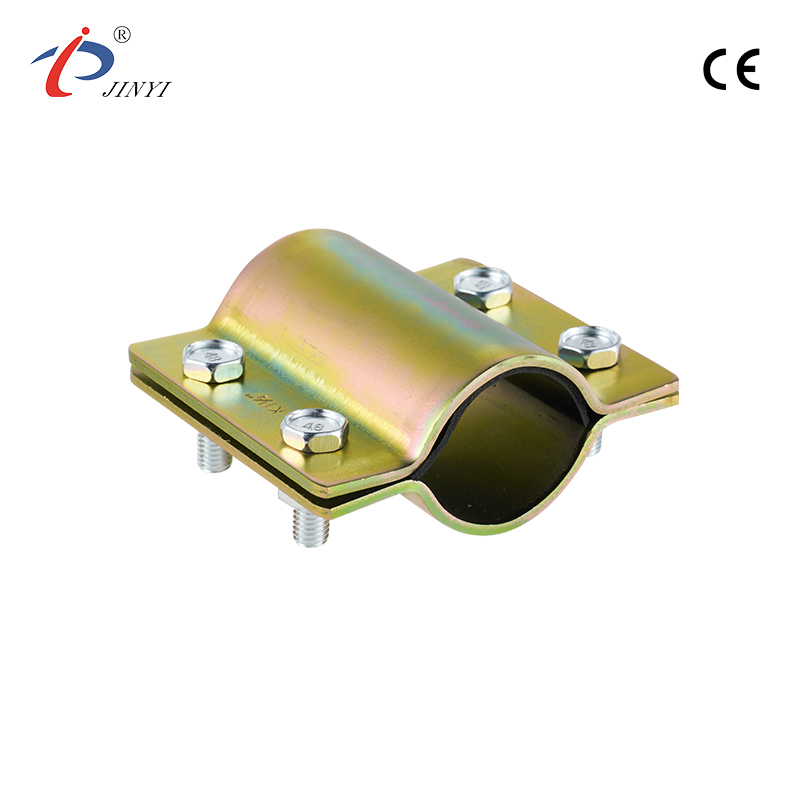
In many purchasing discussions, Wholesale Pipe Clamp comes up as a common supply form for these fixing components. It is not a complicated product by itself, but it shows up across a wide range of layouts where pipes need to stay in place without being overly rigid.
Different projects treat it differently. Some focus on how easy it is to mount, others care more about how it behaves after long use in changing conditions.
What Is a Wholesale Pipe Clamp and How It Fits Into Modern Pipe Support Systems
A pipe clamp is basically a holding part that keeps a pipe attached to a surface or frame. In bulk supply situations, Wholesale Pipe Clamp simply refers to sourcing these parts in larger quantities for installation work where many fixing points are needed across a full system.
It usually sits inside a broader support setup rather than working alone. In practice, it works together with brackets or structural rails to guide the pipe along a planned route.
In real installation work, the purpose is fairly straightforward. It keeps the pipe from drifting out of position and helps the layout stay consistent along walls, ceilings, or open frames.
Common uses tend to include:
- Keeping pipe lines aligned along structural surfaces
- Holding sections that run vertically or horizontally
- Maintaining spacing when multiple pipes run side by side
- Taking pressure off connection points that might otherwise shift slightly
In many cases, installers place them step by step along the pipe instead of relying on a few support points, which helps the whole line behave more evenly.
How Do Wholesale Pipe Clamps Work to Keep Pipes Stable in Different Environments
The basic idea behind a pipe clamp is simple. It holds part of the pipe against a fixed surface so it does not move freely in everyday conditions. Once tightened and installed, it creates a steady contact point between the pipe and the structure.
In calmer indoor setups, it mostly just holds position without much stress. In areas where machinery runs nearby, things get a bit more dynamic. Vibration can travel through structures, and over time that can slightly shift pipe alignment if nothing is holding it in place.
A clamp does not stop all movement completely, and it is not supposed to. Pipes still need a small amount of flexibility because temperature changes or system pressure can create expansion. What it does instead is reduce random shifting and keep the overall route from slowly drifting away from its intended line.
Which Materials Are Commonly Used in Wholesale Pipe Clamps and How They Affect Performance
Material choice has a direct influence on how a clamp behaves once it is installed. Some materials feel more rigid, others are chosen more for surface protection, and some are used when the pipe system is lighter or less demanding.
In general, you will see metal-based structures used in more demanding layouts, coated versions in areas with moisture exposure, polymer-based types for lighter routing, and designs that include softer inner layers when vibration is part of the environment.
| Material Type | General Behavior | Typical Use Case |
|---|---|---|
| Metal structure | Firm holding feel, less flex | Heavier pipe routing |
| Coated metal | Better surface resistance over time | Humid or exposed locations |
| Polymer material | Light handling, easier installation | Low load systems |
| Cushion type design | Reduces direct contact impact | Areas with vibration or noise concern |
In practice, Wholesale Pipe Clamp selection is rarely about a single "standard choice." It usually comes down to where the pipe is running and what kind of stress it might face during operation.
Where Are Wholesale Pipe Clamps Typically Used in Building and Industrial Projects
Pipe clamps show up almost anywhere pipes need to follow a fixed path. The layout can look simple on drawings, but in real installation work, they help keep everything from slowly shifting or sagging.
In building environments, they are often used along ceilings, walls, or inside service routes where water lines and air lines run in parallel. The main goal there is to keep the system neat enough to follow a planned direction without unwanted bending over distance.
In industrial layouts, the situation can be more varied. Pipes may connect different equipment zones or pass through open structural frames. In those cases, clamps are not only about alignment but also about handling constant operational movement in the background.
Wholesale Pipe Clamp usage in these environments is less about appearance and more about keeping the pipe path stable enough so that maintenance and operation do not gradually disturb its position.
Which Wholesale Pipe Clamp Options Are Suitable for HVAC Plumbing and Industrial Applications
Different pipe systems do not behave in the same way, even if the piping material looks similar at first glance. Air lines, water lines, and process pipes often run under different conditions, which changes how the support points should be arranged. That is why pipe clamp selection is usually adjusted according to the system type rather than using a single fixed approach.
In HVAC layouts, the focus is often on steady routing and reducing small vibration transfer through the structure. Plumbing systems tend to prioritize consistent alignment along walls or service routes. Industrial pipe networks, on the other hand, may involve more frequent vibration or tighter installation spaces, which changes how the support points are spaced and secured.
In practice, Wholesale Pipe Clamp selection tends to follow these general differences:
- HVAC systems often use clamps that support longer, continuous runs
- Plumbing layouts usually rely on regular spacing for stable alignment
- Industrial lines may require more secure fixing points due to operational movement
| Application Area | Typical Pipe Behavior | Clamp Consideration |
|---|---|---|
| HVAC systems | Long airflow routes with mild vibration | Stable spacing along extended runs |
| Plumbing systems | Water flow with moderate pressure variation | Regular positioning on structural surfaces |
| Industrial systems | Mechanical vibration and tighter layouts | More frequent fixing points for control |
These differences are not fixed rules, but they help explain why clamp selection is rarely the same across all environments.
How to Choose the Right Size Wholesale Pipe Clamp for Different Pipe Diameters
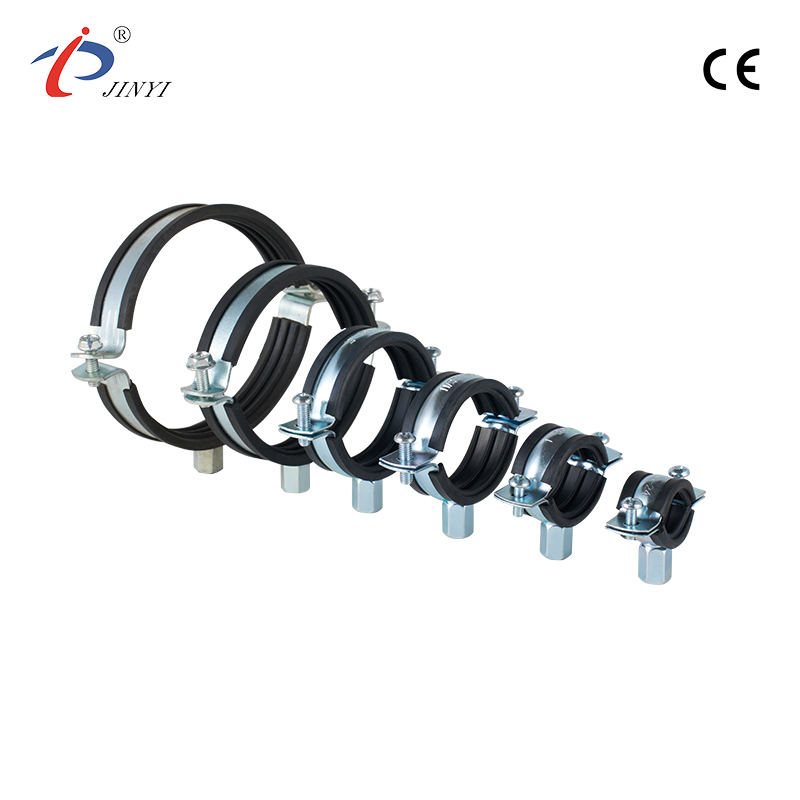
Pipe diameter is one of the first details considered during selection, but it is not the only factor that matters. A clamp that fits physically still needs to leave enough control space so the pipe is held without being forced into tension.
In practical installation work, the process usually starts with matching the inner diameter of the clamp to the outer diameter of the pipe. After that, installers often check how the pipe behaves once placed, especially if there is any slight movement or uneven surface condition.
Some installations require a tighter fit, while others leave a small tolerance to avoid pressure points. This balance is often adjusted on site rather than decided only on paper, especially when pipes run across long distances or uneven structures.
Why Pipe Clamp Design Matters for Long Term Pipe Safety and Structural Support
Pipe clamp design affects more than just how the pipe sits at the moment of installation. Over time, even small differences in shape or contact surface can influence how stress is distributed along the pipe line.
A well-matched design helps spread contact pressure more evenly, which reduces the chance of localized strain. In contrast, a poorly matched shape may create uneven points where the pipe experiences more force than expected.
The way the clamp connects to its mounting surface also plays a role. Some designs allow more flexibility in positioning, while others focus on fixed alignment. These differences become more noticeable in systems that operate continuously or are exposed to regular vibration.
What Installation Tips Help Improve the Stability of Wholesale Pipe Clamp Systems
Installation practice often matters as much as product selection. Even a suitable clamp can perform inconsistently if spacing or alignment is not handled carefully during setup.
A few practical points are usually considered during installation:
Clamp spacing is adjusted based on pipe length and expected movement
Mounting surfaces are checked for stability before fixing
Tightening is done gradually to avoid uneven pressure on the pipe
Alignment is reviewed along the full run instead of only at one point
Across different installation scenarios, Wholesale Pipe Clamp selection and usage tend to rely on practical adjustments rather than fixed rules. In many sourcing and manufacturing discussions, including those involving suppliers such as Yuhuan JINYI Hardware Co.,Ltd., attention is usually placed on how these components behave in real system layouts rather than on theoretical descriptions alone.


- 210 Jinhai Avenue, Lupu Economic Development Zone, Yuhuan City, Taizhou City, Zhejiang Province.
- +86-576-87423248 / +86-576-87499120
- +86-17769979117 / +86-13750801289
- +86-576-87425996
- [email protected] / [email protected]

