


 русский
 Español
Why Does Wall Radiator Support Affect Long Term Stability
2026-04-20
Why Hidden Mounting Support Matters More Than People Expect
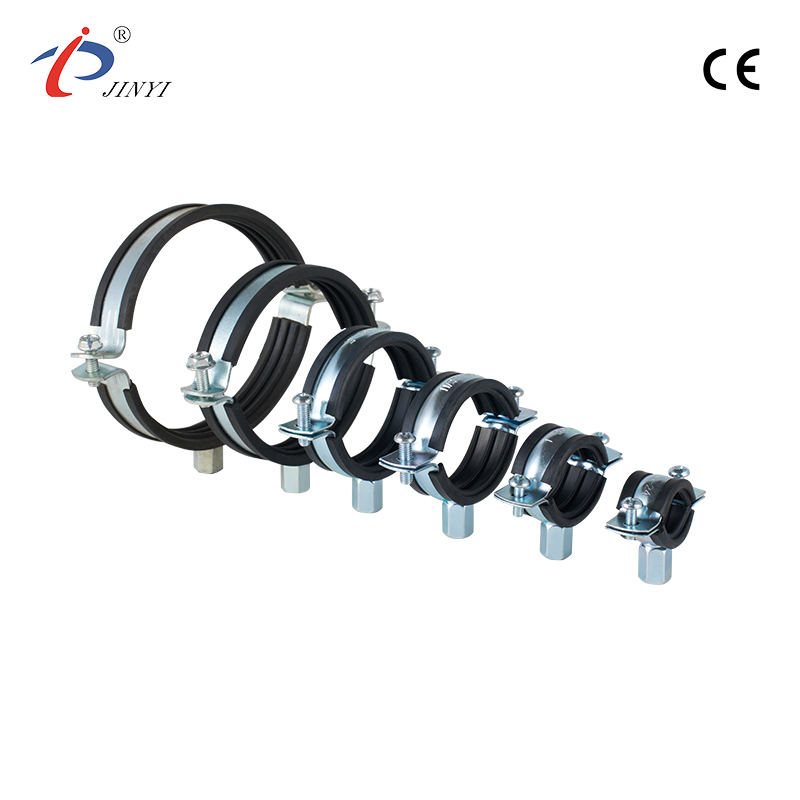
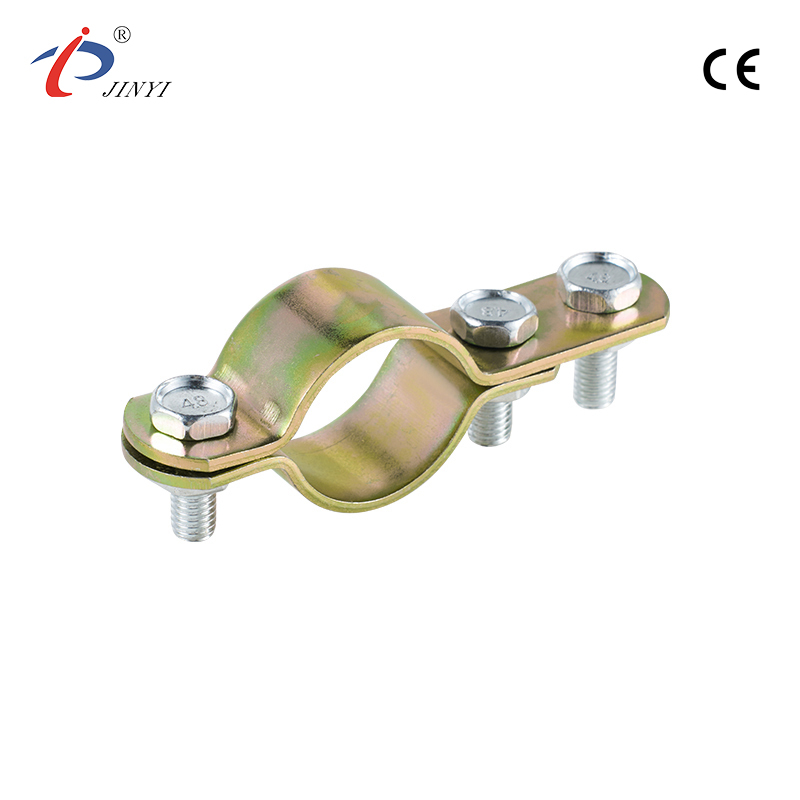
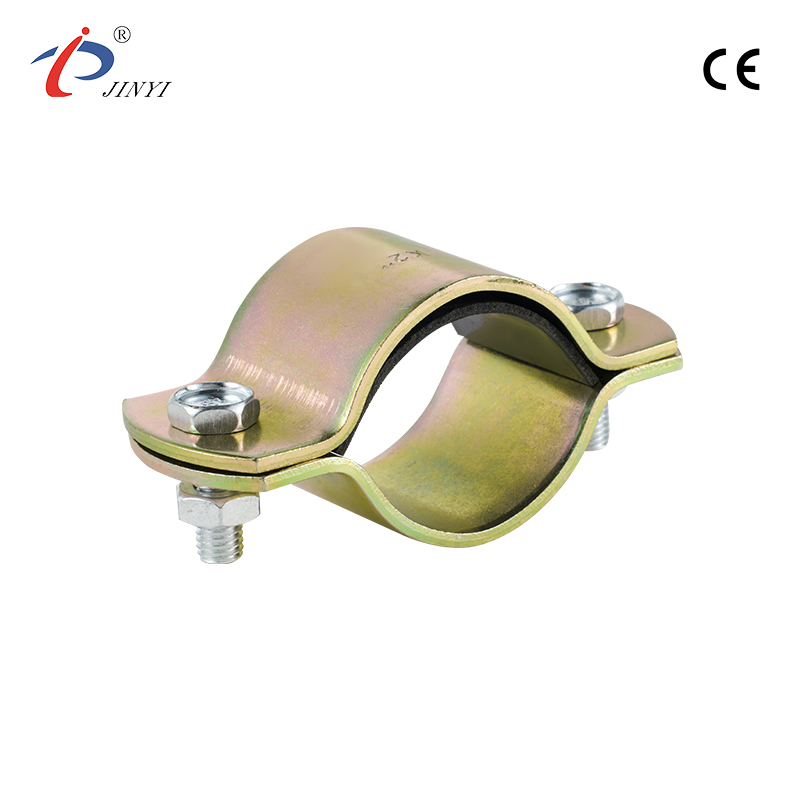
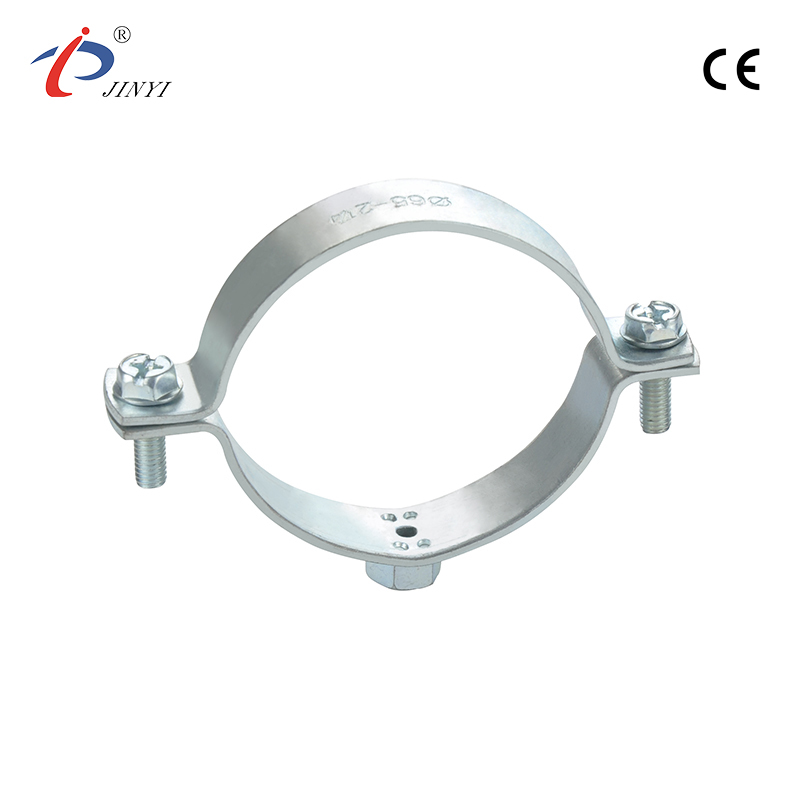
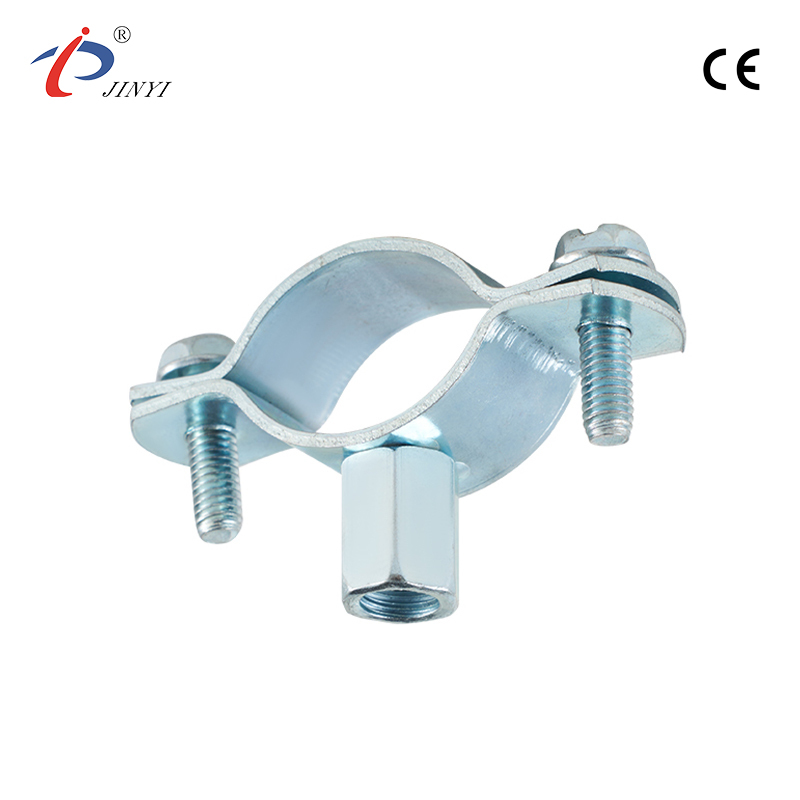
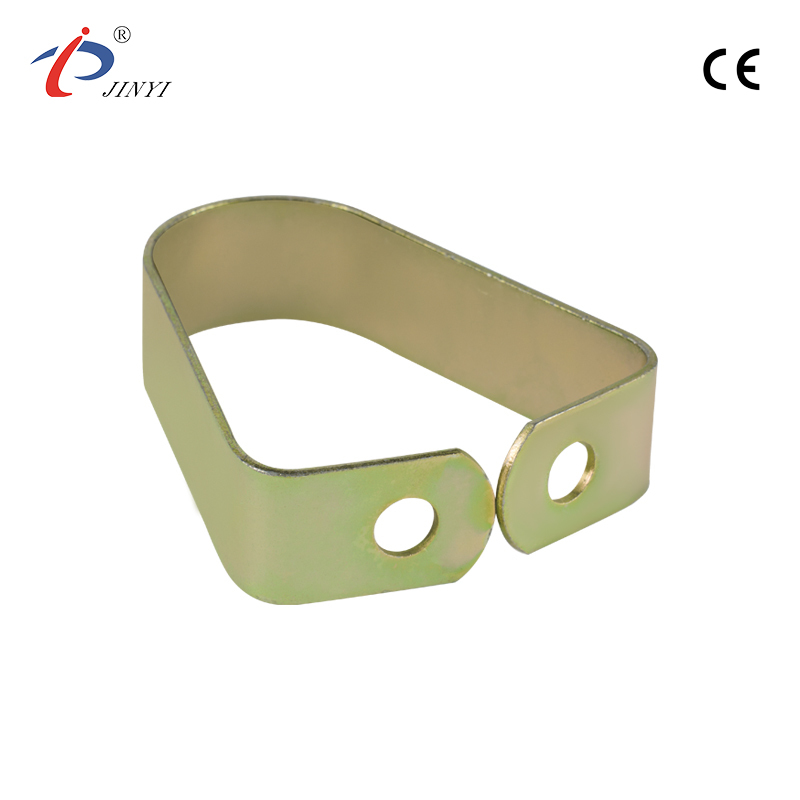
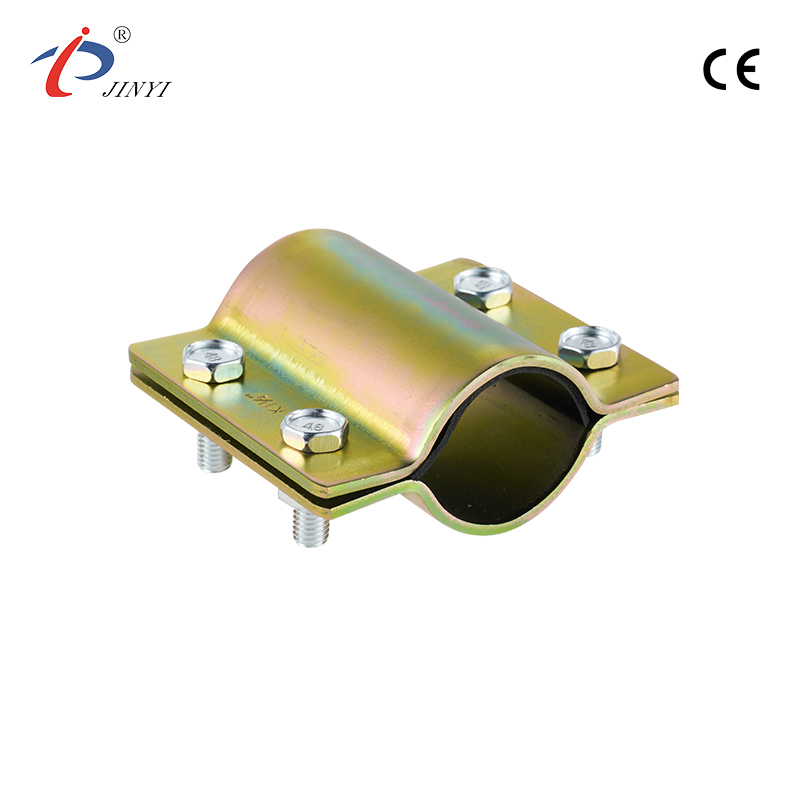
In many heating projects, people spend much of their time talking about the visible parts. They compare finishes, discuss room layout, and think about how the unit will look once everything is in place. That makes sense. The visible part is what people notice . But the part that often decides whether the installation stays stable over time is the one nobody talks about much. The Wall Radiator Bracket is one of those components that stays out of sight while quietly carrying a lot of responsibility.
A heating unit may seem simple from the outside, yet once it is mounted on a surface, it has to deal with weight, heat cycles, small shifts in the structure, and the kind of everyday pressure that builds up in real use. If the support below it is not chosen carefully, the problems may not show up immediately. They often start as tiny signs: a slight movement, a bit of noise, a line that no longer feels quite level, or a connection that seems under more strain than it should be. Those small details are usually where bigger issues begin.
This is why installers, builders, and suppliers keep returning to the same question: what does the hidden support actually need to do, and what happens if it is not doing that job properly?
The job is more demanding than it looks
People sometimes think a mounting part is only there to hold the heater in place. That is only part of the picture. A support system has to help spread load, keep alignment steady, and resist the small changes that happen as a room warms up and cools down again. Over time, even those small changes matter.
The room itself can affect the result. A solid masonry surface behaves differently from a lighter partition. A freshly finished renovation behaves differently from an older building that has shifted over the years. A good heating setup depends on more than the heater itself; without a proper Wall Radiator Bracket, the load is transferred unevenly and the surrounding surface begins to carry stress that it was never meant to handle for long.
That stress does not always announce itself with a loud failure. More often, it appears slowly. A fixing loosens a little. The frame drifts a little. A pipe connection begins to feel more tension than expected. If the installer notices those changes early, the problem can usually be corrected. If nobody notices until later, the repair becomes more difficult and more expensive.
Why wall type changes the whole decision
Not all surfaces behave the same way, which is why it is risky to treat every installation as if it were identical. Concrete can usually take more load than lightweight board. Brick behaves differently again. Older renovation work can hide surprises behind a surface that looks perfectly ordinary from the outside.
Choosing a Wall Radiator Bracket for concrete, brick, or board is not just about matching the size of the heater. It is about understanding how the supporting surface will react once the system has been in use for a while. A heavy heating unit on a sturdy wall is one thing. The same unit on a partition with thin backing is something else entirely. The fitter has to think about load, spacing, fastener choice, and how the force will be spread out over time.
In renovation work, this becomes even more important. Existing buildings may have layers of previous repairs, hidden voids, or small irregularities that do not show up until installation starts. That is why experienced installers rarely rely on appearance alone. They check the substrate, confirm the fixing points, and think through how the unit will behave after a season or two of use, not just on the day the work is finished.
What happens when support is too weak
When a heater is mounted on a weak or poorly matched support, the result is rarely dramatic at the start. That is what makes it easy to ignore. The unit may appear stable enough after installation. But once the heating cycles begin, movement and expansion start to work on the fixing points.
A heavier heating unit asks more from the Wall Radiator Bracket than a light one does. If the load is not spread evenly, the fixing points take the pressure in a concentrated way. Over time, that can lead to loosening, surface damage, or a shift in the angle of the unit. In some cases, the wall finish begins to show stress before the mounting hardware itself looks seriously worn.
There is also the issue of vibration. Heating systems do not usually move a lot, but repeated thermal expansion and contraction still create small stresses. Those stresses may be tiny on their own, but over months and years they can affect alignment. Once alignment changes, the pipe connections may also take extra strain. That is one of those hidden issues that can quietly turn into a maintenance headache later.
A support system that was chosen too casually can also make the room feel less solid. People may not be able to explain exactly what feels wrong, but they notice that the unit no longer sits as cleanly as it should. That slightly unstable feeling is often a sign that the installation should have been checked more carefully from the start.
The difference careful installation makes
A good part installed badly can still cause trouble. That is why installation matters just as much as the part itself. Before any fixing is set, the installer needs to measure spacing, check the surface condition, and make sure the mounting points are in the right place for the load that will be carried.
When a Wall Radiator Bracket is installed badly, the problem may not show up as a complete failure. More often, the symptoms are subtle. The unit leans slightly. The load is uneven. The surface around the fixing starts to show wear. In some cases, the issue is not the hardware at all, but the way it was anchored to the surface.
Good installers usually take a careful approach. They check the wall, confirm the fixing depth, and make sure the support is lined up before the final tightening. They also think about how the heater will behave once hot water starts moving through it. A dry fit is one thing. Real use is another.
This is one reason experienced contractors do not rush this stage. They know that the time spent getting the alignment right saves much more time later. A few extra minutes of checking can prevent a lot of frustration after the room is already finished.
Why heavier units need more thoughtful support
Not every heating unit places the same load on the mounting system. Some are compact and relatively light. Others are broader, denser, and carry more weight once filled and operating. The larger the unit, the more important it becomes to use a support that is designed for that level of demand.
A heavier assembly puts more stress on the fixing points, which means the support has to resist both steady load and small shifts over time. If the support is too light, it may still hold the unit for a while, but it may not hold it in the same position for very long. That is where problems often begin.
This is also why some installations require more than a simple universal approach. The same support method may not be suitable for every room or every surface. A large heater in a public building has different expectations from a smaller one in a private home. A support choice that works in one setting may not be enough in another.
The goal is not to make the installation complicated. The goal is to match the support to the weight, the surface, and the expected pattern of use. That keeps the system calmer and reduces the chance of later adjustment.
The role of maintenance and inspection
Once the heating system has been installed, the hidden support still deserves attention. It may not need regular adjustment, but it should not be forgotten either. Small checks during routine maintenance can reveal whether the fixing points are staying stable or whether something has started to shift.
Maintenance on the Wall Radiator Bracket should not be rushed because it is often the only way to catch early wear before it becomes visible elsewhere. A quick inspection may show surface corrosion, a loose fixing, or a slight change in alignment. Those signs are easier to handle early than after the surrounding finish has begun to suffer.
This matters more in places where humidity or temperature changes are common. Bathrooms, utility rooms, and some commercial settings place more strain on mounting hardware than a dry, stable room might. In those environments, it helps to check the condition of the fixing points as part of the broader heating system care routine.
A unit that stays in place year after year usually owes that stability to ordinary maintenance habits. Nothing flashy. Just regular attention, clear observations, and a willingness to correct a small issue before it grows.
When replacement becomes the smarter option
No mounting system lasts forever. Over time, corrosion, repeated heat cycles, vibration, and surface wear can make a once-reliable support less dependable. If the original unit has started to corrode, or if the wall around it shows signs of strain, replacement may be the more practical choice.
That decision often comes up during renovation or when a heating system is being upgraded. It can be tempting to keep the old fixing in place if it still looks usable. But if the part has already lost some of its strength, reusing it may not be worth the risk. A fresh support gives the installer a cleaner starting point and helps avoid future uncertainty.
Replacement also makes sense when the heating unit itself is being changed. A new model may have a different size, a different load pattern, or a different fixing layout. In that case, the old support may no longer be a good match even if it still appears intact.
This is another reminder that hidden parts matter just as much as visible ones. A support that has done its job for years may still need to be retired when the system around it changes.
How builders and suppliers think about this part now
There has been a noticeable shift in how people in the trade talk about mounting hardware. It used to be treated as a background item, something to sort out quickly during installation. Now it is more often viewed as part of the system's long-term reliability.
That shift makes sense. People want heating systems that stay stable, require fewer corrections, and fit the real conditions of the building. Suppliers are responding by paying more attention to load handling, material choice, and ease of installation. Builders are asking more detailed questions before they fix anything to the surface. The conversation has become more practical, and that is a good thing.
A well chosen Wall Radiator Bracket gives installers more confidence, because they know the support is built for the job rather than added as an afterthought. It also gives property owners more peace of mind, because the hidden part of the installation is less likely to become a problem later.
The cost of doing it right versus doing it twice
It is easy to focus only on the initial expense. A stronger support may seem like a small detail, and in some cases it does cost a little more than a basic option. But the real comparison is not between one part and another. It is between a proper installation and a repair later on.
If the heater shifts, if the fixing loosens, or if the wall surface is damaged, the cost of correcting it can be much higher than choosing a better support in the place. That includes labor, materials, disruption, and the time spent reopening work that should already have been finished.
For homeowners, that means less inconvenience. For contractors, it means fewer callbacks. For commercial properties, it means less interruption to daily use. In each case, the stable choice usually turns out to be the practical one.
A quiet part that carries real responsibility
Some parts of a heating system are easy to admire. This is not one of them. It sits behind the visible work and does its job without asking for attention. But that is exactly why it matters.
A good Wall Radiator Bracket is not about visual appeal. It is about keeping the heater in the right place, reducing strain on the surface, and helping the system behave the way it should over time. When that part is chosen carefully, installed properly, and checked from time to time, the rest of the heating system has a much easier job.
That is the real lesson behind hidden mounting support. The parts people overlook are often the ones that decide whether a project feels solid years later. Heating performance is not only about warmth in the room. It is also about whether the structure behind that warmth can hold steady without trouble.


- 210 Jinhai Avenue, Lupu Economic Development Zone, Yuhuan City, Taizhou City, Zhejiang Province.
- +86-576-87423248 / +86-576-87499120
- +86-17769979117 / +86-13750801289
- +86-576-87425996
- [email protected] / [email protected]

