


 русский
 Español
Why Is the Manifold Bracket Essential for Achieving Organized Piping Systems
2026-01-02
In today's piping installations—whether for homes, businesses, or large-scale industry—tidy organization goes well beyond looks; it's essential for optimal operation, straightforward upkeep, and extended service life. Among the various elements that support effective fluid or gas distribution, the manifold bracket proves to be an overlooked but vital contributor. Commonly ignored by anyone not directly involved, this seemingly minor component makes a substantial difference in building well-organized, trustworthy, and accessible piping setups. Isn't it surprising how much relies on something as simple as a well-placed manifold bracket?
Understanding the Basics: What Is a Manifold Bracket?
Understanding the value of manifold brackets begins with knowing the purpose of the manifold in any piping setup. A manifold acts as a central distribution point, receiving a single supply line—whether hot water from a boiler, chilled water from a chiller, or compressed air from a compressor—and efficiently splitting it into several controlled outlets. These outlets then feed individual zones, such as radiators, underfloor heating circuits, sanitary fixtures, or industrial equipment.
Our manifolds are crafted from premium materials including brass, stainless steel, and engineered plastics, chosen to meet the specific demands of pressure, temperature, and corrosion resistance in each application.
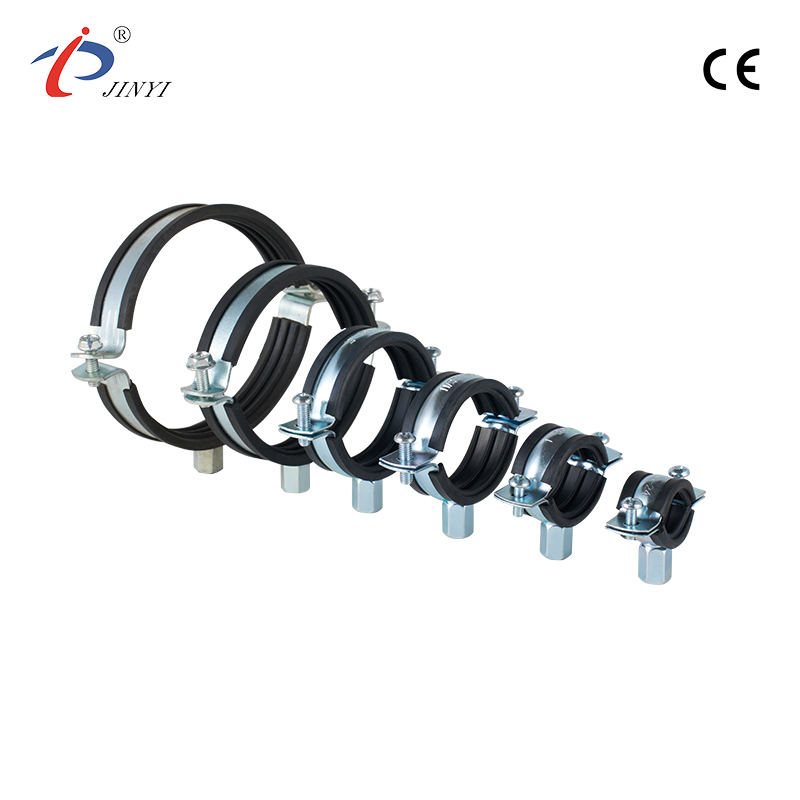
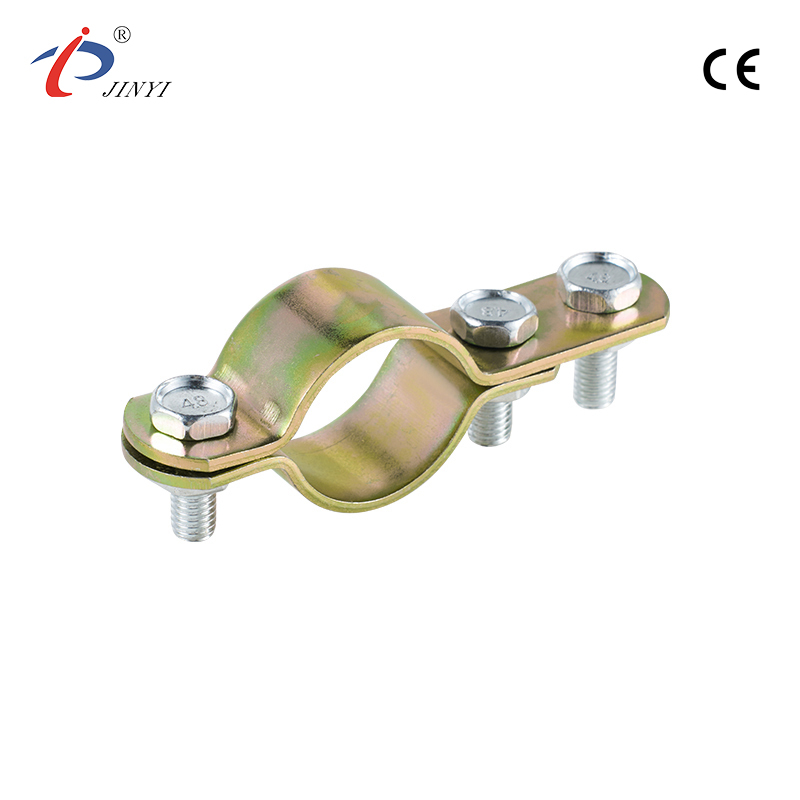
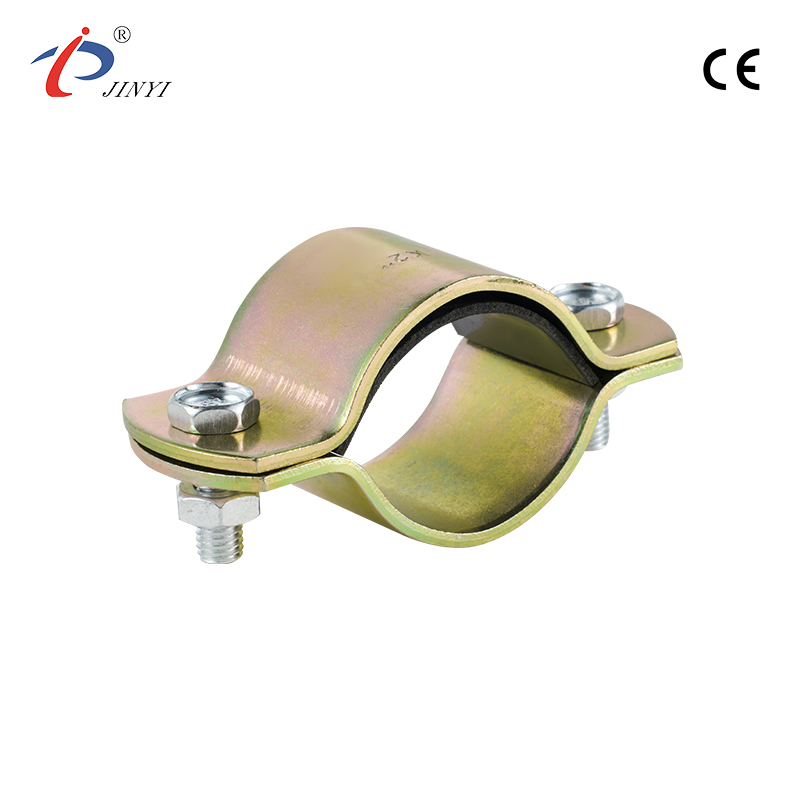
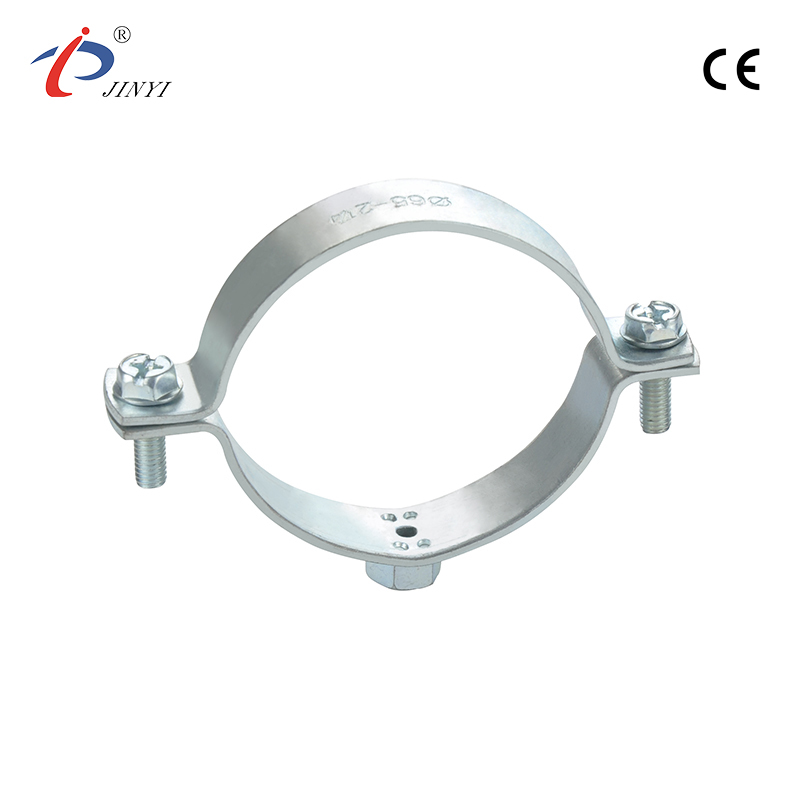
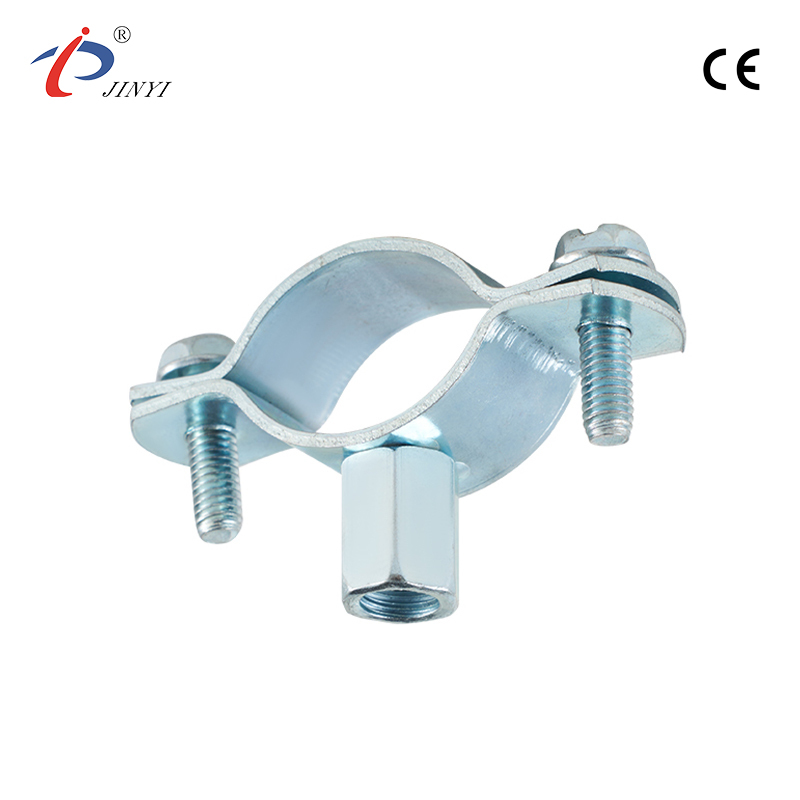
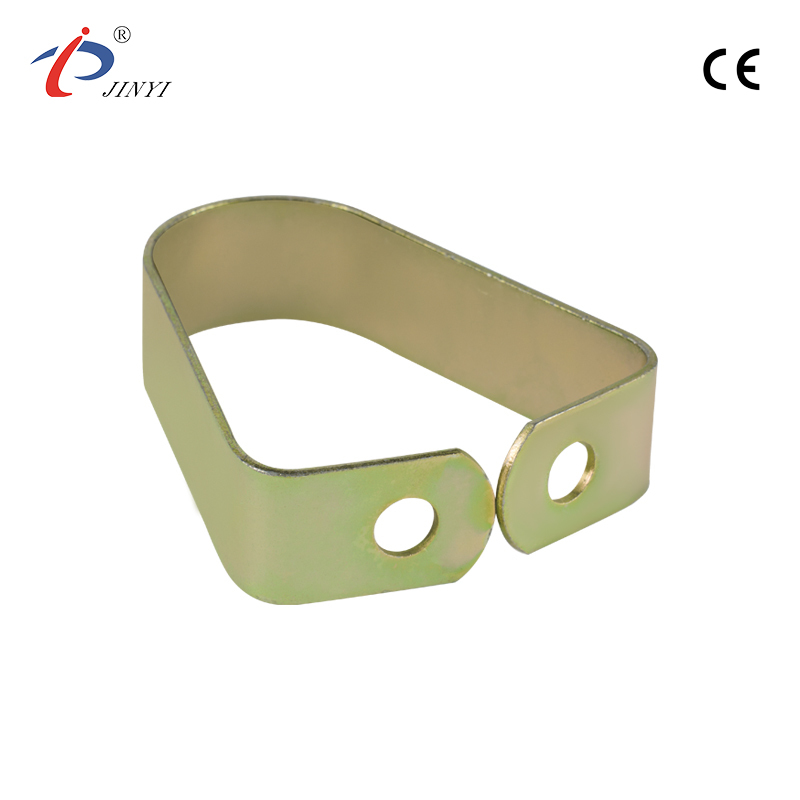
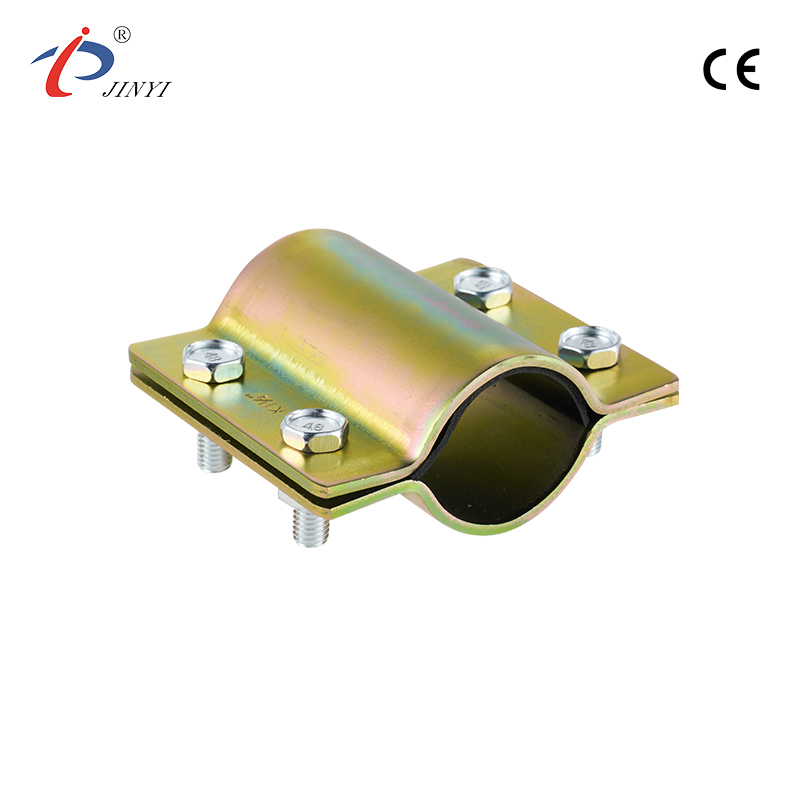
The manifold bracket is the purpose-designed mounting system that ensures the manifold remains firmly and correctly positioned. Built from high-strength materials like galvanized steel, aluminum, or reinforced composites, these brackets deliver exceptional stability and longevity. They typically include adjustable arms, multiple fixing points, and often incorporate vibration-reducing features for quieter and more reliable operation.
Brackets are securely fastened to walls, floors, or enclosure panels, holding the manifold at the ideal height and orientation to simplify pipe connections and future servicing.
Without a dedicated bracket, installers may resort to temporary fixings or unsupported mounting. Over time, this can cause the manifold to shift or sag, placing unnecessary strain on joints and connections. The result is often leaks, uneven flow distribution, noise, and costly repairs.
Choosing a proper manifold bracket guarantees a neat, professional installation that enhances system performance, reduces maintenance needs, and extends the overall lifespan of the piping network.
The Role of Organization in Piping Systems
Well-organized piping systems go beyond simple appearance—they play a key role in improving performance, safety, and overall cost efficiency. Poorly arranged pipes often create a range of practical problems:
- Longer Installation Times: Without structured support, fitting pipes takes longer as installers work around clutter, driving up labor expenses.
- Difficult Maintenance: Overlapping or misaligned pipes obstruct access to valves, connections, and other components during routine checks or repairs.
- Reduced System Efficiency: Improperly positioned manifolds can lead to uneven flow distribution, causing issues like hot and cold spots in heating circuits or inconsistent pressure in water supply lines.
- Potential Safety Risks: Unsecured elements are more prone to movement or failure under pressure, increasing the chance of leaks, bursts, flooding, or related hazards.
Manifold brackets solve these challenges by offering a solid, fixed mounting point that keeps everything precisely aligned. They promote clean, parallel pipe runs that minimize visual and physical clutter while making every connection easily reachable.
In larger installations, brackets support multiple manifolds arranged in stacks or side-by-side arrays. This modular approach allows straightforward system expansion or modifications without the need to rework existing pipework.
Investing in quality manifold brackets delivers a professional, reliable piping layout that saves time, lowers long-term costs, and ensures safe, efficient operation.
Key Benefits of Manifold Brackets
1. Unmatched Stability and Lasting Durability
- Manifold brackets provide robust support in piping systems exposed to constant stresses, including thermal expansion, vibrations from pumps or fluid flow, and external forces.
- By holding the manifold firmly in place, they eliminate shifting that could damage seals, joints, or fittings. In heating installations, frequent temperature cycles lead to material movement—secure bracketing preserves alignment and prevents connection fatigue.
- Many designs include vibration-dampening elements that absorb impacts, helping the entire system achieve greater longevity with minimal maintenance requirements.
2. Superior Flow and Operational Efficiency
- Properly mounted manifolds enable clean, direct pipe routing that reduces turbulence and flow resistance.
- This optimization lowers energy consumption for pumps and circulators, offering real savings in heating, cooling, and water supply applications.
- Precise, level installation supports accurate balancing of multiple circuits, avoiding issues such as air pockets or inconsistent distribution—delivering reliable, uniform performance across all zones.
3. Efficient Installation and Seamless Scalability
- Our brackets feature practical elements like pre-drilled holes and flexible adjustment options, ensuring fast and secure mounting on walls, floors, or other surfaces.
- This structured approach—install the bracket, fix the manifold, then run pipes—greatly reduces setup time and eliminates repeated corrections.
- For evolving systems, brackets facilitate orderly additions of new manifolds, maintaining a tidy configuration and allowing straightforward expansions or modifications later.
4. Professional Finish and Optimal Space Management
- Bracket-supported manifolds present a neat, high-standard appearance in utility spaces, mechanical rooms, or service areas.
- Wall mounting lifts the assembly clear of the floor, creating additional room below for storage or equipment—particularly advantageous in smaller or crowded installations.
- The organized layout also allows for thorough insulation around pipes, reducing energy losses and supporting efficient building performance.
5. Full Compliance with Safety and Building Regulations
- Plumbing and construction codes often require secure fixation of essential components to guarantee safety and dependability.
- Dedicated manifold brackets provide a trusted, standards-compliant mounting method. In seismic zones, enhanced anchoring options ensure stability during ground movement.
- This not only meets regulatory demands but also strengthens overall protection for the system, property, and users.
Design Variations and Material Options for Manifold Brackets
Manifold brackets come in a range of designs tailored to specific installation needs, helping maintain clean and efficient piping organization across different applications.
- Wall-Mounted Brackets: Perfect for space-saving vertical setups, these use strong L-shaped supports for reliable wall fixation. They are widely used in domestic water distribution and heating systems.
- Floor-Standing Brackets: Suited to larger or industrial environments, these offer a solid base directly on the floor, frequently with adjustable feet to accommodate uneven surfaces.
- Cabinet-Integrated Brackets: Designed for discreet installations, these mount inside enclosures or cupboards, keeping manifolds out of sight while preserving orderly pipe routing.
- Adjustable and Modular Brackets: These provide flexibility with height, angle, and positioning adjustments, making them ideal for bespoke or complex layouts.
Material selection is equally important for performance and longevity. Steel brackets deliver exceptional strength and are preferred for high-pressure or heavy-duty applications. Plastic or composite versions excel in damp or corrosive conditions thanks to their excellent resistance to rust and degradation.
Selecting the appropriate design and material ensures lasting organization, reliability, and protection against environmental challenges.
Installation Best Practices
Achieving the full advantages of manifold brackets requires careful and correct installation. Begin by choosing a bracket that matches the manifold's dimensions, weight, and intended use. Verify that the mounting surface is solid—such as a stud, masonry, or reinforced panel.
Follow these recommended steps for a professional result:
- Accurately mark and drill pilot holes for fixings or anchors.
- Fasten the bracket securely, using a spirit level to confirm it is perfectly vertical and horizontal.
- Mount the manifold onto the bracket, tightening all clamps or bolts evenly to avoid distortion.
- Complete pipe connections, clearly labelling each circuit for easier future identification.
- Pressurize and test the system thoroughly, checking for leaks, unusual noise, or excessive vibration.
Avoid common pitfalls such as over-tightening fasteners, which may bend or damage the bracket, or failing to allow sufficient clearance for thermal expansion—which can create stress on components over time.
Proper installation guarantees a neat, stable, and long-lasting piping arrangement.
Real-World Applications and Case Studies
Residential Heating Systems
In homes equipped with radiant floor heating, manifold brackets play a vital role in neatly distributing flow to multiple heating loops. They prevent pipes from becoming tangled or crowded, ensuring straightforward connections and reliable thermostat operation.
For example, during a recent suburban home renovation, the use of our brackets cut installation time by 40% and completely resolved previous problems with uneven room temperatures, delivering consistent warmth throughout the property.
Commercial Plumbing
In office buildings and multi-tenant spaces, manifolds manage zoned water supply efficiently. Brackets maintain these units in utility rooms with clear, accessible layouts that simplify routine maintenance and inspections.
In a modern high-rise project, properly bracketed manifolds withstood a sudden pressure surge without any failures, preventing potential flooding and saving the building management thousands in repair costs.
Industrial Fluid Distribution
Manufacturing facilities depend on manifolds for distributing chemicals, compressed air, or other fluids. Brackets provide secure and orderly routing, significantly lowering the risk of accidents and improving overall workplace safety.
One automotive assembly plant reported noticeably higher system uptime after switching to bracket-supported manifolds, as realignments and adjustments became rare, keeping production running smoothly.
Sustainable and Smart Systems
In energy-efficient and modern eco-friendly constructions, brackets support advanced manifolds equipped with sensors and controls. The organized layout makes it simple to integrate IoT devices for real-time monitoring and automated adjustments, further boosting system efficiency and reducing energy use.
Challenges and Practical Solutions
While manifold brackets offer clear advantages, a few common challenges can arise. Initial cost may concern budget-conscious projects, though the resulting savings in time, maintenance, and repairs quickly outweigh the investment.
Compatibility with non-standard manifolds is easily addressed by our range of universal bracket designs. In retrofit situations where space is limited, flexible mounting options allow for creative yet secure placements.
Ongoing innovations, including custom 3D-printed brackets, continue to resolve these issues and deliver even greater levels of organization and adaptability for future installations.
Despite its modest size, the manifold bracket holds tremendous importance in modern piping installations. By firmly securing the manifold, it ensures stability, order, accessibility, and overall safety—converting what could easily become a disordered web of pipes into a streamlined, high-performing, and trustworthy system.
For designers, installers, contractors, and property managers, dismissing this essential component is a costly oversight. Far beyond basic hardware, the manifold bracket acts as the central organizing feature that sustains system efficiency, durability, and ease of upkeep.
Using manifold brackets is not optional—it is a proven best practice for anyone dedicated to delivering piping systems that are dependable, resilient, and simple to maintain throughout their lifespan.
Ultimately, just as a building's infrastructure relies on its piping network as a foundational framework, the manifold bracket serves as its core support: compact yet crucial, keeping everything precisely aligned, securely positioned, and fully prepared to deliver optimal performance.


- 210 Jinhai Avenue, Lupu Economic Development Zone, Yuhuan City, Taizhou City, Zhejiang Province.
- +86-576-87423248 / +86-576-87499120
- +86-17769979117 / +86-13750801289
- +86-576-87425996
- [email protected] / [email protected]

