


 русский
 Español
-
What Makes Shower Tray Support Legs Worth Using

Dec 15, 2025
What Makes Shower Tray Support Legs Reliable for Bathroom Renovations
Modern bathroom projects increasingly focus on durability, neat finishes, and ease of maintenance. While aesthetic choices often receive most of the attention, the unseen structural elements determine how well a wet area performs over time. One of the most practical unseen components is the mounting feet and leg system that supports the shower base. When chosen and installed carefully, these components help prevent movement, reduce noise, and protect plumbing connections. In renovation work — where floors may be uneven or old substrates remain in place — a dependable support arrangement provides installers with the flexibility they need to achieve a clean, stable result.
Reliability begins with design intent. A support solution that matches the tray's footprint and weight distribution makes it easier to level the unit and maintain consistent contact with the substrate. Installers value systems that allow fine adjustments at multiple points, so the base sits flush with surrounding tiles or panels. When the supporting components permit incremental changes, technicians avoid the need for ad hoc shimming or extensive subfloor alterations. This simplifies scheduling and reduces the likelihood of visible gaps later.
Material choice is also a practical consideration. Components that resist corrosion and maintain structural form in damp environments are more likely to provide long service life. When the support elements remain stable, sealants and edge trims perform better, and the interface between the tray and finished surfaces stays tidy. A stable base also reduces the chance of irregular load transfer, which helps adhesives and grout behave as intended.
Beyond the technical specifics, a reliable system eases the installer's workflow. Components that are accessible and straightforward to position speed up alignment and make final checks simpler. When teams can make adjustments without moving the entire fixture, the installation feels more controlled. This is especially useful in retrofit projects, where plumbing routes and wall finishes may be only partially compatible with the new base.
Finally, a dependable support arrangement contributes indirectly to user satisfaction. A shower that sits steadily and quietly underfoot, with edges that remain sealed, tends to require less corrective maintenance. Securely supported installations protect the building fabric and reduce the risk of water ingress, which is a frequent cause of longer-term repair bills. For renovators and homeowners alike, that practical peace of mind is often worth prioritizing.
Why Modern Installers Prefer Adjustable Shower Tray Support Legs
Professional installers increasingly favor adjustable systems because they help manage the everyday uncertainties of site work. Renovation environments rarely conform to the ideal: floors tilt slightly, wall finishes vary, and previous installations may have left irregularities. Adjustable feet and leg assemblies give technicians a practical toolset to overcome these conditions without resorting to heavy substrate work.
One major advantage is speed. Rather than spending hours building up or trimming subfloors to achieve level, teams can position the base and make point-by-point corrections. This reduces the downtime between rough-in and finishing stages, allowing tilers and plumbers to sequence their work more predictably. In projects with tight schedules, that predictability is a tangible benefit.
Adaptability is another reason for their popularity. Different tray designs require different support patterns: some need central support in addition to perimeter points, while others depend on adjustable pedestals across multiple locations. A modular system that accepts variation in leg placement enables installers to match the support to the specific tray geometry, making the same range of components useful across many projects.
Adjustable parts also help manage final alignment. During tiling and trim work, small shifts can occur. The ability to lift or lower single points without disassembling the whole installation simplifies finishing. Installers can make fine corrections to avoid visible gaps and ensure that drainage slopes remain intact. This level of control tends to improve the overall quality of the finished area.
Ergonomics and safety matter as well. Systems designed for easy reach and intuitive adjustment reduce the physical strain on workers. Fewer awkward lifts and less time spent under the tray lower the risk of injury and help maintain a steady workflow across a busy week. In short, adjustable configurations support a pragmatic, efficient approach that aligns with the realities of modern site work.
How Shower Tray Support Legs Improve Stability on Uneven Floors
Uneven substrates are among the most common challenges in bathroom renovations. Old screeds settle, timber joists twist, and past repairs create local highs and lows. Left unaddressed, these irregularities can create points of movement beneath the tray that over time lead to noise, seal failure, or grout cracks. Support legs that allow independent height control at multiple points are an effective way to mitigate these risks.
The principle is simple: by setting each leg to a height that matches the local floor profile, the tray achieves consistent contact and load distribution. This consistency reduces flexing during use, which in turn decreases stress on the tray edges and the adjacent tile work. When the load is spread evenly, adhesives and sealants remain under less strain and are less likely to separate.
Beyond static stability, adjustable systems help maintain drainage geometry. Proper fall toward the outlet is crucial for quick removal of water. If one corner of the tray settles more than another, pooling can occur. By correcting individual points during installation, technicians preserve the designed slope and help avoid nuisance standing water after the job is completed.
Several practical features enhance stability on irregular floors:
- Multi-point adjustment: allows several supports to be tuned independently.
- Wide contact pads: reduce the chance of localized crushing on softer substrates.
- Locking mechanisms: prevent drift after the initial setting.
- Access-friendly design: enables re-tensioning or checks after other trades finish.
Each of these elements contributes to a stable assembly that stands up to everyday use and environmental changes. In older buildings especially, these features reduce the need for invasive structural work, offering a cost-effective way to achieve a professional outcome.
Which Shower Tray Designs Work Well with Support Leg Systems
Not every base requires the same approach, but many contemporary tray types benefit from a well-considered support arrangement. Below are common styles and how adjustable supports interact with each.
Built-in or alcove trays
These units often sit against two or three walls and require careful edge alignment to achieve seamless integration with tiles and trims. Adjustable supports help set the tray so that the exposed edge aligns with the finished floor height and the grout lines. Where the tray meets the walls, small height corrections prevent gaps and support consistent joint widths.
Freestanding models
While freestanding designs are visually prominent, their base still depends on a stable foundation, particularly on older floors. Adjustable pedestals around the perimeter or beneath key structural points ensure the tub remains steady without disturbing the surrounding finish. For freestanding installations, the invisible support needs to preserve the design intent while delivering quiet, stable performance.
Corner shapes
Angular or asymmetric trays place uneven loads across their footprint. Systems that allow varied leg spacing provide the flexibility to place supports under the critical load paths. By tuning each point, installers can manage the distribution of weight across the frame and avoid high-stress zones.
Deep soaking basins
Deeper units hold greater water volume and therefore impose heavier static loads. Adjustable supports beneath the main load-bearing areas help carry this weight while protecting plumbing connections and preventing lateral movement. This reduces the risk of leaks developing where pipes join the tray.
Low-profile designs
Some modern trays feature shallow rims and sleek profiles. Because the margin for error is smaller, fine adjustments are valuable to prevent edge stress and to preserve clean sightlines. Small, precise support components help achieve the flush finish these designs require.
Tray types can be paired effectively with a modular support system, as long as the chosen components allow for the necessary placement, reach, and locking strength. A flexible support platform lets installers adapt one product to many styles, reducing inventory complexity while improving onsite performance.
When Should You Upgrade to a New Shower Tray Support Leg System
Deciding to refresh your support arrangement depends on several signals. An upgrade is often justified by either performance problems or the requirements of a new design. Typical triggers include:
Visible movement or noise
If the tray shifts underfoot or creaks when used, these signs point to inadequate or degraded support. Such symptoms often appear gradually and can worsen with regular use.
Loss of seal integrity
Repeated failures of grout or silicone joints at the tray edge may indicate differential movement. Replacing the support system is usually a more effective long-term fix than repeatedly re-sealing joints.
Major renovation or layout change
When the bathroom layout changes, support requirements can shift. A new tray shape, different flooring, or altered plumbing may justify a modern support system that better matches the new geometry.
Persistent drainage issues
If water pools despite the tray appearing level, the problem may be hidden: subsurface settlement or inadequate support can change the intended slope. Upgrading the support platform allows technicians to restore drainage lines reliably.
Age and material degradation
Old support assemblies may corrode or lose stiffness with time. Even if the issue is not yet obvious, replacing components during a wider refurbishment reduces the chance of future interruptions.
Regulatory or performance improvements
Newer support systems sometimes include features that make maintenance simpler or that help meet updated installation practices. A modern platform can reduce installation time and provide easier access for future service.
When upgrading, aim for a system that is compatible with the tray geometry and offers practical adjustment range, secure locking features, and clear paths for inspection. Installation teams should plan the change as part of the broader waterproofing and tiling works to ensure all trades coordinate their activities efficiently.
Practical Guidance: Choosing, Installing and Maintaining Support Legs
Choosing the right system and applying it correctly helps avoid rework. Here are some practical recommendations that reflect industry practice without specifying measurements.
Selection tips
- Choose a modular set that adapts to multiple tray shapes and support patterns.
- Prefer components with corrosion-resistant finishes to suit wet environments.
- Look for units that lock securely after adjustment to prevent drift.
- Ensure the contact interface is wide enough for the expected substrate type.
- Pick a solution that allows future access for plumbing checks or service.
Installation sequence
Prepare the substrate, clearing debris and confirming the local profile.
Place the tray gently and identify initial leg positions.
Set legs incrementally, working around the footprint to establish even contact.
Verify drainage slope toward the outlet before final locking.
Complete surrounding finishes and re-check alignment after adjacent trades finish.
Maintenance and inspection
- Check legs during routine bathroom inspections or when the room is re-tiled.
- Re-tension locking elements if small shifts are detected.
- Keep access panels available where possible to speed up future plumbing work.
- Replace corroded or damaged parts promptly rather than repeatedly re-sealing joints.
Cost vs value considerations
Upgrading support components is a relatively modest intervention compared to reconstructing floors or repeatedly repairing seals. While initial outlay is a factor, the predictable lifespan, reduced call-backs, and improved finish quality are practical returns that many renovators factor into project budgets.
Shower tray support legs and related mounting systems are an essential but often overlooked element of a successful bathroom installation. By allowing fine adjustments, offering secure locking, and matching the tray geometry, modern support solutions address real-world site conditions without requiring disruptive substrate work. Installers prefer adjustable systems because they speed up alignment, reduce rework, and help preserve drainage geometry. For homeowners and building managers, a stable base minimizes maintenance visits and protects surrounding finishes.
When planning a renovation or repair, consider the tray type, the condition of the underlying floor, and the desired level of access for future service. Choose a support platform that provides multi-point adjustment, reliable locking, and materials suited for a damp environment. Doing so helps deliver a stable, quiet, and well-sealed bathing area that integrates cleanly with tile and trim finishes — all while keeping installation workflows straightforward and predictable.
-
Why Use Adjustable Bath Support Legs Today
Dec 12, 2025
What Makes Adjustable Bath Support Legs Important for Modern Bathrooms
Modern bathroom projects often focus on stability, comfort, and long-term structural confidence. Within this context, adjustable bath support legs play a practical role, especially when installers need a reliable way to fine-tune the height and balance of a bathtub during setup. Their presence helps create a firm base in the first stage of installation, reducing the chance of unwanted movement and supporting a cleaner, more consistent finish.
A key factor behind their relevance is the growing variety of bathroom layouts. Many renovation spaces include uneven floors, tight corners, or older structures that require flexible mounting solutions. An adjustable leg system gives installers room to adapt to these conditions without forcing major structural changes. This adaptability can help maintain a smoother workflow and contribute to a more predictable installation process.
Another reason these components matter is user comfort. When the bathtub sits at an appropriate height, daily routines can feel easier and safer for households with different mobility needs. A balanced tub also reduces strain on joints and connectors beneath it, which can extend the overall service life of the fixture and minimize the frequency of maintenance visits.
Adjustable legs also support better load distribution. When weight is shared evenly, the bathtub can maintain its form more effectively over time. This improves how the surrounding materials, such as tiles and sealants, respond to pressure. Consistent support helps reduce gaps, prevent water seepage, and maintain a polished appearance.
In addition, bathroom construction today often emphasizes quiet performance and reduced vibration. A stable base helps create a more peaceful bathing environment. When the tub is firmly supported, there is less noise caused by shifting or flexing materials, which enhances the overall experience for the user.
From a manufacturing and purchasing perspective, adjustable support legs offer value because they fit a wide range of tub designs. Installers appreciate components that integrate smoothly into different project styles, whether the bathtub is freestanding, built-in, or part of a remodeling upgrade. This adaptability helps streamline inventory management and simplifies replacement planning.
As bathroom design trends continue evolving, attention to detail has become essential. Consumers look for spaces that blend function with appearance, and the unseen components matter just as much as the visible elements. Well-designed adjustable legs contribute to this balance by supporting cleaner lines, stable edges, and a comfortable setup that feels intentional.
Finally, safety expectations in modern households make stable bathtub installation a priority. A secure base reduces wobble, helps protect plumbing connections, and supports consistent use. Homeowners often rely on installers to deliver a dependable and long-lasting setup, and adjustable support legs provide the foundational assistance required to meet those expectations.
Which Types of Bathtubs Work Well with Adjustable Bath Support Legs
As bathroom layouts continue to evolve, adjustable bath support legs have become adaptable components that help installers handle a wide range of bathtub styles. Their flexibility allows them to support various shapes and construction methods, making them suitable for many renovation scenarios. Understanding which tubs benefit from this type of support can help homeowners and professionals plan a smoother installation process.
One common style that pairs well with adjustable legs is the built-in bathtub. These models are often placed against walls or into alcoves, where precise leveling plays a crucial role in creating clean lines and stable edges. The ability to fine-tune the height from multiple points allows the installer to match surrounding surfaces without forcing structural changes.
Freestanding tubs also work well with these supports. Although they are known for their visual presence, they still depend on balanced foundations, especially on older or uneven floors. Adjustable legs help create a secure setup while preserving the design intent of the freestanding structure. Their role is subtle, but they help maintain quiet performance and prevent movement during use.
Corner bathtubs can also benefit from adjustable support. Their angled shapes often require careful alignment to ensure both sides sit correctly. A flexible support system helps distribute weight consistently across the frame, improving how the tub interacts with supporting materials such as flooring, sealants, and wall panels.
For soaking tubs with deeper basins, adjustable legs assist in maintaining a steady stance when filled. A well-balanced setup helps protect plumbing connections and keeps the edges properly aligned with surrounding surfaces. This contributes to a more comfortable bathing experience and reduces stress on fixtures over time.
Bathtub Style How Adjustable Legs Help Installation Benefit Built-in Fine height tuning and smoother alignment Cleaner integration with walls and tiles Freestanding Extra stability on uneven surfaces Reduced shifting and quieter performance Corner Better support across angled sides Improved balance and structural consistency Deep Soaking Steady base under heavier conditions Less strain on plumbing and surrounding materials Another scenario where these components shine is during remodels in older homes. Floors in these spaces can vary in height or slope across small areas. Adjustable legs bridge these inconsistencies and help the installer avoid extensive floor corrections. This can shorten installation time and keep the project more predictable.
Additionally, tubs made from different materials may benefit from specialized height adjustments. Some models have flexible bases, while others require more direct support. The versatility of an adjustable system allows the installer to meet the needs of each design without relying on fixed-height blocks or permanent shims.
In many cases, adjustable legs also help when access panels, under-tub plumbing, or inspection paths need to be considered. Setting the tub at an appropriate height ensures clearance for valves, drain pathways, and future servicing needs. This makes long-term maintenance easier and supports a more organized layout beneath the fixture.
Ultimately, the usefulness of adjustable bath support legs comes from their adaptability. They support different bathtub designs, respond well to varied construction conditions, and provide installers with a convenient way to achieve stability without major structural changes. Whether the project involves a sleek modern tub or a compact model for a smaller room, these supports create a more predictable installation environment.
Why Home Renovators Prefer Adjustable Bath Support Legs for Upgrades
When homeowners begin updating their bathrooms, they often look for components that make the process more manageable and flexible. Adjustable bath support legs fit well into this approach because they help renovators adapt to different site conditions without requiring heavy structural changes. Their practical benefits make them a dependable choice for both compact updates and full remodels.
One reason renovators appreciate these supports is the way they simplify leveling work. Floors in older buildings can shift over time, creating small variations that affect the placement of a bathtub. Adjustable legs give installers a straightforward method for correcting these inconsistencies. By fine-tuning each point, the tub settles into a stable position that works well with surrounding tiles, panels, and plumbing components.
Another factor involves project timelines. Renovation often requires coordinating multiple tasks, from waterproofing to fixture installation. Adjustable supports reduce the need for additional subfloor preparation, which can help the schedule stay more predictable. Since the legs adapt to different heights, much of the preliminary adjustment happens in a controlled way rather than through extensive floor modifications.
Renovators also value how these supports increase flexibility in bathtub selection. Modern bathrooms include a wide range of tub shapes, from compact models to deeper soaking designs. Because the legs accommodate diverse bases, renovators are not limited to a specific style. This versatility allows them to match aesthetic goals without worrying about complex support requirements.
Another convenience comes from the ease of making minor adjustments during the final alignment process. As wall coverings, flooring, and plumbing connections come together, small tweaks may be necessary. Adjustable legs allow these refinements without removing the tub or altering the substructure, which helps maintain a smoother workflow.
Safety during installation is another consideration. A stable foundation reduces unwanted movement when workers handle the tub. This helps protect the surrounding surfaces and supports cleaner transitions between different construction stages. When the bathtub sits securely from the beginning, it contributes to a more organized work environment throughout the upgrade.
Maintenance planning also influences renovators' decisions. Projects often include access points or service paths beneath the tub. Adjustable supports create flexible clearance options, helping renovators plan for future inspections without restructuring the entire base. This detail can make long-term care less complicated for the homeowner.
For homes where plumbing routes vary in height or direction, adjustable supports help align the tub with the connection layout. This smoother integration reduces strain on joints and helps maintain consistent positioning. Renovators appreciate this because it offers a practical way to manage hidden areas without visible disruption.
Renovation Need Benefit Provided Uneven flooring More precise height control Tight schedules Fewer structural adjustments Diverse bathtub types Compatibility with multiple designs Final alignment tweaks Easy corrections without removal Maintenance access Flexible clearance planning As home upgrades continue to favor adaptable systems, adjustable bath support legs remain valuable in helping renovators handle varied layouts, materials, and timelines. Their ability to adjust height, maintain balance, and accommodate different bathtub styles makes them a practical addition to many bathroom improvement projects.
How to Install Adjustable Bath Support Legs Safely and Efficiently
Installing adjustable bath support legs requires a methodical approach that balances stability, alignment, and site conditions. Renovators who work with bathrooms understand that each project brings its own set of spatial challenges, so following a clear sequence helps maintain a dependable setup during the process. The goal is to position the tub in a way that supports daily use while allowing the surrounding materials to integrate smoothly.
A practical starting point involves assessing the floor surface. Many older bathrooms feature minor slopes or irregularities, and these details influence how the supports should be positioned. Taking a moment to note the overall layout helps guide where each leg will sit. This early step makes later adjustments easier because it gives a clearer picture of how the tub interacts with the room.
Once the area is prepared, renovators usually place the bathtub carefully into position before adjusting the legs. At this stage, it is important to ensure that the tub rests evenly without sudden movement. Adjustable legs make this part easier because each one can be set to a specific height that matches the floor contour. A gradual approach works well, as small changes reduce the need for major corrections later.
During alignment, renovators often check the surrounding surfaces to confirm that the tub connects smoothly with adjacent walls or panels. Careful attention helps avoid gaps that could affect waterproofing work. Adjustments should be made gently so that the structure settles into a steady position. This method supports better integration with tile, sealants, and other finishes.
Another phase involves confirming that the weight of the tub is distributed evenly across all support points. When each leg shares the load consistently, it helps maintain stability over time. Renovators may recheck the alignment after connecting the drain components, as plumbing adjustments can affect the final position slightly. Making small refinements at this stage helps the installation feel balanced.
Once the bathtub sits correctly, renovators tighten the connecting points so the legs remain secure. Care is important here, as excessive force can affect the base or surrounding areas. A controlled approach ensures that the structure remains firm without unnecessary strain on the materials.
After securing the legs, the next consideration is access for future service work. Leaving enough space beneath the tub for inspection or small repairs can reduce complications later. Adjustable supports help create this access more predictably, which is helpful for homeowners who want long-term convenience.
A brief checklist summarises the process:
- Evaluate floor conditions and identify uneven areas.
- Place the tub gently in the intended location.
- Adjust each support leg gradually to match the surface.
- Confirm alignment with nearby walls and fixtures.
- Distribute weight evenly and make small refinements.
- Secure connection points carefully.
- Ensure there is service access beneath the bathtub.
By following a steady, organized method, installers can create a dependable setup that aligns well with the design of the bathroom. Adjustable support legs offer flexibility during every stage, allowing renovators to adapt to the site conditions without unnecessary structural changes. This practical approach contributes to a cleaner workflow and a stable foundation for the bathtub.
-
Why Every Bathroom Needs a Shower Tray Frame
Dec 10, 2025
When it comes to building or renovating a bathroom, one of the most overlooked yet essential elements is the shower tray frame. A reliable frame provides the foundation for your shower tray, ensuring stability, safety, and durability for years to come.
At Yuhuan JINYI Hardware Co., Ltd., we specialize in manufacturing high-quality shower tray frames that are trusted by contractors, wholesalers, and global bathroom brands. Here’s why every bathroom project should consider using a shower tray frame.
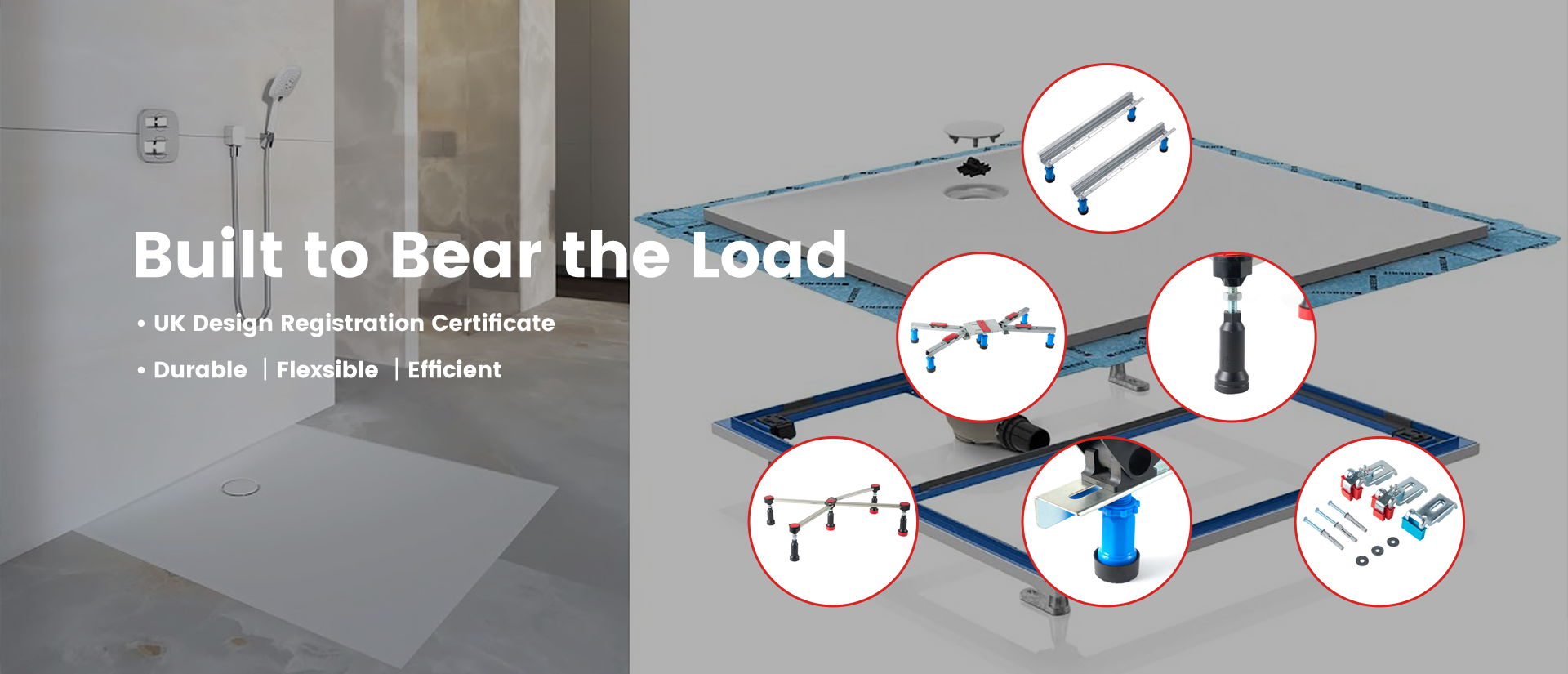
- Strong Support and Stability
Without proper support, a shower tray may shift, crack, or leak over time. A JINYI shower tray frame is designed with heavy-duty steel and adjustable legs to provide maximum stability on any type of bathroom floor.
- Easy and Flexible Installation
Our frames come with adjustable legs and quick-assembly design, making installation fast and precise. Whether for new construction or bathroom renovation, the shower tray frame allows easy height and level adjustment.
- Long-Term Durability
Made from corrosion-resistant steel, JINYI shower tray frames withstand humidity and daily use. This ensures your bathroom remains safe and functional for years without costly repairs.
- Noise and Vibration Reduction
Unlike direct floor installation, a shower tray frame system reduces vibration and minimizes noise during use, providing a quieter and more comfortable bathroom experience.
- Wide Applications
From residential homes to hotels and large construction projects, JINYI shower tray frames are widely used across Europe, North America, and beyond. We offer OEM & ODM services, making us the trusted partner for international bathroom brands.
Why Choose JINYI?
Over 30 years of manufacturing experience in bathroom hardware
Specialized in OEM/ODM solutions for global customers
Certified quality with strict testing standards
Professional customer service and fast delivery
Every bathroom deserves a solid foundation, and a JINYI shower tray frame provides exactly that — strength, durability, and peace of mind. Whether you are a contractor, distributor, or homeowner, choosing the right shower tray support system is the key to a long-lasting bathroom installation.
- For more information, please visit: https://www.yh-jinyi.com
- For inquiries or samples: WhatsApp +86 13750801289
-
Which Shower Frame Features Ensure Lasting Stability
Dec 08, 2025
What Shower Bases Support Frame Features Matter for Long Term Stability
Creating a dependable shower area begins with selecting a Shower Bases Support Frame that can maintain steady performance over time. While the visible parts of a bathroom often receive more attention, the structural system beneath the base plays a crucial role in preventing unwanted movement, surface unevenness, and moisture-related issues during daily use.
A well-designed frame helps distribute weight, reduces stress on the base, and supports consistent alignment. These factors contribute to a bathroom environment that remains comfortable and reliable across many years of usage. Home improvement trends show that homeowners now value components that support both safety and functional durability, and the frame beneath the shower is no exception.
One important aspect to consider is the material used in the frame. Different materials provide different benefits, such as resistance to humidity or stability under pressure. Choosing a frame built with materials suitable for long-term use helps maintain consistent support. Another factor is the overall structure of the frame. A balanced layout ensures even contact with the base and minimizes the risk of weak points that could affect stability.
Installation flexibility also matters. Bathroom layouts vary, and having a frame that accommodates different floor conditions can help avoid complications during remodeling. Frames that adapt to slopes or irregular surfaces reduce the chance of future issues. When installers work with adaptable components, the final setup often becomes more secure and aligned.
Adjustability is another feature worth considering. Height-adjustable legs, for example, allow small corrections during installation. This is useful when working with uneven floors, as it helps maintain accurate positioning. Proper alignment reduces strain on the base and enhances user comfort.
Drainage compatibility is also important. A shower system must manage water efficiently to prevent leaks or pooling. A frame that supports proper drainage positioning helps maintain smooth flow during use. Aligning the drain location with the base and plumbing structure simplifies installation and enhances long-term function.
Noise reduction is another benefit that some frames provide. A secure structure minimizes vibration and reduces unwanted sound during usage. Quiet operation creates a more comfortable experience, especially in shared living spaces.
Maintenance access should not be overlooked. A frame that allows convenient access to the drain area or plumbing connections simplifies periodic checks. This makes it easier to address small concerns before they develop into larger issues.
For homeowners, contractors, and designers, selecting the right support frame contributes to long-term satisfaction with a bathroom renovation. Choosing components that match project needs helps create a space that remains stable, functional, and enjoyable.
When planning a project, focusing on material quality, structure design, installation adaptability, drainage alignment, and adjustment features can make a considerable difference. Each element works together to ensure that the shower area performs well under regular use.
Well, a Shower Bases Support Frame with thoughtful design and well-chosen features can help maintain stability over time. Careful selection at the beginning of a renovation project often brings smoother installation and dependable performance in everyday use.
Why Homeowners Are Paying More Attention to Shower Bases Support Frame Design
Bathroom remodeling has gradually shifted from focusing only on surface aesthetics to considering the components that shape long-term reliability. As more households seek durable solutions, the design of a Shower Bases Support Frame has gained noticeable attention. This shift reflects broader renovation trends, where hidden structural elements are viewed as essential contributors to safety, comfort, and lasting value.
One major reason for this change is the desire for stable flooring within wet areas. A carefully engineered frame helps maintain balance under daily movement and supports the base in holding its shape. Homeowners who have dealt with issues such as minor flexing or misalignment now understand that the frame beneath the shower plays a significant role in preventing these concerns.
In renovation projects, people also want systems that reduce maintenance. A frame designed with thoughtful geometry can support even weight distribution, which helps limit stress on the overall setup. When the structure beneath the shower stays firm, other parts of the bathroom can function more predictably, providing peace of mind for families.
Another factor influencing the growing interest is compatibility with modern construction materials. As bathrooms adopt different flooring types and updated plumbing layouts, the support frame must work harmoniously with these elements. A well-designed unit accommodates varied installation conditions, allowing contractors to complete their work without unnecessary modifications.
Homeowners are also increasingly aware of noise control. Vibrations from poorly supported bases can cause unwanted sound, especially in multi-story homes. A balanced frame helps reduce movement-related noise, which contributes to a calmer atmosphere. This is particularly appreciated in shared living environments where quiet spaces can improve daily comfort.
To provide additional clarity, the table below highlights several design aspects that homeowners often consider when choosing a Shower Bases Support Frame:
Design Aspect Why It Matters Structural layout Encourages even support and reduces base strain Material suitability Helps maintain reliability in humid environments Installation flexibility Assists with unique bathroom layouts and floor conditions Drain integration Helps ensure consistent water management Acoustic behavior Supports quieter daily use A growing number of households also look for components that simplify renovation workflow. Frames that offer convenient access points for plumbing adjustments or minor repairs can reduce the time needed for routine inspections. This thoughtful accessibility avoids complicated dismantling and supports efficient upkeep.
Beyond functionality, homeowners increasingly appreciate bathroom components that align with sustainable renovation practices. While the frame itself is not typically visible, its design can influence the overall longevity of the shower system. A durable structure reduces the frequency of replacements, which aligns with the modern preference for reducing waste and unnecessary construction.
Ultimately, paying attention to the design of a Shower Bases Support Frame leads to more dependable bathroom results. When the base remains steady and aligned, it contributes to a safer and more enjoyable bathing space. For many households, this is an essential part of achieving long-term comfort and avoiding preventable renovation challenges.
How a Shower Bases Support Frame Helps Avoid Costly Renovation Issues
Bathroom projects often appear straightforward on the surface, yet many long-term problems originate in the hidden layers beneath the shower floor. This is why the design and build of a Shower Bases Support Frame can play an essential role in preventing unexpected renovation expenses. When the underlying structure performs consistently, homeowners gain a more secure foundation that supports the entire shower setup.
Many common bathroom issues start with insufficient support under the base. Small shifts can gradually impact the surface level, causing irregularities that may not be noticeable at first. Over time, these changes can affect tile lines, joints, and drainage direction. A stable frame minimizes these risks by holding the base in a steady position and reducing movement.
Water-related concerns are another reason households and contractors value proper framing. Moisture can travel into unwanted areas when the base does not sit firmly. Even minor gaps may allow water to spread, creating the potential for damage around the subfloor or walls. A thoughtful frame design ensures proper contact between the components, helping the overall system remain sealed and well-aligned.
Renovation costs often rise when a shower requires frequent adjustments. Frames that support the base evenly help maintain alignment for extended periods, reducing the need for corrective work. This benefit becomes even more important in busy homes or rental properties, where repairs can be disruptive and time-consuming.
Contractors also appreciate frames that integrate smoothly with modern plumbing layouts. When the support structure matches the intended drain position, installation becomes more predictable. This alignment reduces the chance of reworking sections of the floor, which helps avoid additional labor costs. Smooth installation processes often contribute to more reliable outcomes.
Noise can also become an unexpected source of concern in bathrooms. When the base is not adequately supported, small movements can create faint sounds during use. These noises may seem minor but can grow more noticeable over time. A balanced frame helps reduce vibration, offering a quieter experience that enhances the comfort of the household.
Here is a simple table summarizing how an effective Shower Bases Support Frame helps avoid unnecessary renovation work:
Common Issue How Proper Support Helps Surface unevenness Maintains steady alignment for longer periods Moisture intrusion Promotes consistent contact between components Frequent adjustments Reduces the need for corrective maintenance Installation delays Matches plumbing positions more effectively Noise from movement Minimizes vibration during daily use Another advantage lies in long-term structural integrity. A well-supported base puts less strain on the surrounding materials, which helps maintain the overall durability of the shower area. This stability can extend the life of both visible and hidden components, allowing the bathroom to stay functional with fewer interventions.
Homeowners seeking practical remodeling solutions increasingly look for components that support efficient project management. A stable support frame contributes to smoother scheduling, clearer workflows, and predictable results. These benefits collectively help avoid the inconvenience of repeated repairs and unexpected financial burdens.
In the broader view of home improvement, focusing on the unseen structure beneath the shower offers both homeowners and professionals a reliable path toward consistent performance. A Shower Bases Support Frame designed with stability in mind becomes a valuable element in creating a bathroom environment that remains comfortable and dependable through everyday use.
How a Shower Bases Support Frame Helps Avoid Costly Renovation Issues
Ensuring long term stability in a bathroom installation often begins beneath the surface, and a Shower Bases Support Frame plays a key role in helping the tray maintain reliable positioning from the very beginning. When the structural foundation is prepared with care, homeowners and contractors are less likely to encounter problems that can lead to high renovation expenses later on.
Why Structural Stability Matters in Bathroom Projects
A stable base affects the entire performance of a shower system. When the tray is positioned evenly, it supports smooth drainage and lowers the chances of moisture spreading to surrounding materials. Any imbalance at the start may gradually create cosmetic and structural concerns that require additional work to correct.
Ensuring stability also benefits the long term usage of the shower area. When the supporting platform beneath the tray is firm, movement is minimized during daily use, helping the components maintain their intended function.
Preventing Water Related Problems
Water infiltration is one of the common causes of maintenance issues in bathrooms. A well prepared support system reduces the risk of gaps forming along the edges of the tray. This helps maintain proper alignment with wall panels, seals, and flooring finishes.
With correct installation, the tray stays level even as the underlying structure naturally shifts with time. This reduces stress on sealing materials, helping them stay intact and perform as expected.
Reducing the Risk of Cracks and Surface Damage
When a shower tray does not have uniform support beneath it, weight distribution becomes uneven. Over time, this may lead to bending or surface strain. This type of stress sometimes appears gradually and may not be noticeable until visible marks or cracks show up.
A reliable support setup spreads the load consistently, helping the surface maintain its original form even during high frequency use. This reduces the likelihood of needing repairs or replacements.
Improving Installation Efficiency for Contractors
For installers, a dependable supporting structure creates a more predictable workflow. By starting with a level foundation, adjustments become simpler and faster. This can reduce the chances of repeated corrections during installation, lowering the possibility of hidden issues developing later.
Contractors also appreciate that a secure foundation helps align plumbing components more accurately. When the tray remains in the intended position, drains and fittings connect more smoothly, lowering the chances of future leaks.
Promoting Long Term Reliability in Bathroom Renovations
A bathroom renovation is expected to provide lasting convenience and comfort. When the foundation beneath the tray is built properly, the entire shower system becomes more resistant to long term wear and tear. This helps homeowners avoid unexpected maintenance tasks that can disrupt daily routines.
A well supported base also complements modern bathroom designs that emphasize clean lines and seamless finishes. When movement is minimized, connections between surfaces stay visually consistent.
Addressing potential issues at the structural level is an effective way to prevent costly renovation work in the future. By using a secure supporting setup beneath the shower tray and ensuring precise installation, both homeowners and professionals can create a stable system that performs reliably through long term use.
-
Everything You Need to Know about Manifold Bracket
Dec 05, 2025
In the world of automotive engineering, every component plays a crucial role in the overall performance of a vehicle. Among these, the manifold bracket often goes unnoticed, yet it serves as a vital link between the engine and its various systems. Designed to support and stabilize the manifold, this seemingly simple part is essential for maintaining efficiency and reliability. How does the choice of manifold bracket impact the performance of your vehicle?
What Exactly Is a Manifold Bracket?
At its simplest, a manifold bracket is a structural component that locates, supports, or reinforces an intake or exhaust manifold relative to the cylinder head, engine block, or chassis.
It is NOT the manifold itself, and it is NOT the gasket or the studs/bolts that directly fasten the manifold to the head. Think of it as the "skeleton" that keeps the manifold from flexing, warping, or walking around under heat cycles and vibration.
Manifold brackets go by many names depending on the application:
- Manifold stay
- Manifold brace
- Turbo brace / support bracket
- Intake manifold support bracket
- Exhaust manifold brace
- Header brace
- Tial-style wastegate bracket
Regardless of the name, the core job is always the same: control movement and distribute loads so the manifold doesn't destroy itself or the fasteners.
Why Manifold Brackets Are Critically Important
They are the difference between a manifold that survives hundreds of cold-start to red-hot cycles and one that cracks within a single season. They carry loads that the primary gasket flange was never intended to handle alone. They control thermal expansion so the manifold grows and shrinks without fighting the cylinder head or the frame. They damp vibration before it turns into audible noise or fatigue. They keep heavy turbochargers from prying on turbine inlet flanges. In short, they protect the expensive parts by sacrificing themselves first when something has to give.
A missing or broken bracket turns a minor vibration into a major stress riser. Exhaust manifolds crack at the thin sections near the ports, intake manifolds split around injector bosses, and hydraulic manifolds tear mounting ears clean off. The bracket is the planned weak link that is cheap and easy to replace, while the manifold itself is cast, machined, and often ported at great expense.
In racing and heavy equipment the stakes are even higher. A bracket failure at full load can drop an exhaust manifold onto a header pipe, spike EGT, and grenade a piston in seconds. On a million-dollar mining truck, a failed hydraulic manifold bracket can shear valves, dump fluid, and shut the machine down for days.
Types of Manifold Brackets
- Exhaust Manifold Support Brackets The most familiar type. Usually a stamped or forged steel arm that bolts to a cylinder-head boss or water-pump stud on one end and captures a machined pad or boss on the manifold on the other.
- Intake Manifold Support Brackets Lighter duty but still critical on long plastic or magnesium intakes. They prevent the intake from rocking on its seals under boost pulsations and keep fuel rails from fatiguing.
- Turbocharger-to-Manifold Brackets These are often V-band or Marman clamp supports plus a three- or four-leg brace that ties the turbine housing back to the head or block. Porsche 991–997 Turbo and many diesel pickups use elaborate cast + machined stainless brackets for this.
- Hydraulic and Pneumatic Valve Manifold Mounting Brackets In mobile equipment you see heavy rectangular or channel-section brackets that bolt to the machine frame and provide ISO 6149 or CETOP mounting patterns for the valve banks. These brackets often incorporate vibration isolators and quick-release pins.
- Refrigeration and HVAC Manifold Support Frames Usually light-gauge galvanized or stainless cradles that prevent copper manifolds from transmitting compressor vibration into the cabinet skin.
Materials: What Actually Works
- Mild steel → fine for OEM replacement or very low-heat applications, but rusts quickly.
- 304 stainless → the default for most aftermarket braces. Decent strength, excellent corrosion resistance.
- 4130 chromoly → the choice when weight and maximum strength matter (1,000+ hp drag cars).
- 6061-T6 aluminum → only acceptable on intake side or very low-temp exhaust applications. Will melt or anneal above ~500 °C.
- Titanium → exotic, very expensive, mostly for weight-obsessed time-attack or bikes. Ti braces on a 2JZ making 2,000 hp look cool on Instagram but are structural overkill.
- Coatings: Ceramic coating or high-temp powder coat adds almost no strength but dramatically increases longevity by reducing oxidation and heat transfer to the bracket itself.
Design Considerations Most People Get Wrong
- Thermal expansion must be accounted for If your bracket is steel and bolts to an aluminum head with a steel manifold, the head grows ~0.0012 in/100 °C while the steel barely moves. A rigid bracket with no compliance will bend or snap studs. Solutions:
-
- Slot one hole oblong
- Use a spherical rod-end (heim joint)
- Add a sliding sleeve joint
-
- Never rely on the bracket to carry boost-load torque The bracket should only resist flex and vibration, not try to clamp the manifold to the head. That's the job of the studs and MLS gasket.
- Avoid single-shear lugs A single 10 mm bolt in single shear holding a 35 lb top-mount manifold will eventually ovalize the hole and fail.
- Welded bosses need reinforcement Simply welding a 1/4" tab onto a 0.065" schedule-10 runner is asking for cracks. Good manifold builders use gusseted "ears" or doubler plates.
Manufacturing Methods
High-volume OEM brackets are almost always progressive-die stamped from coil stock, robot-welded if multiple pieces are required, and then sent through a ferritic nitrocarburizing or aluminized coating line for corrosion protection.
Aftermarket and low-volume brackets start life as laser-cut blanks that are CNC press-brake formed and TIG welded by hand; the best shops use purge gas on the back side to keep the welds bright and scale-free.
Investment-cast stainless or nodular iron is the choice when the shape is too complex for stamping or when wall thickness needs to vary dramatically for weight optimization.
CNC machining from billet is common for prototypes and ultra-low volume runs, especially in aluminum or titanium.
Direct metal laser sintering (DMLS) and other additive processes are now in series production on cars that cost more than most houses; the brackets come out near-net-shape, topologically optimized, and impossibly light.
Maintenance and Inspection Tips
Check every bracket whenever the manifold is off the engine; cracks start small and hide in corners.
Look for elongated holes, shiny fretting surfaces, or missing bushings — all early signs of movement.
On exhaust brackets, a light brown or straw color is normal; deep blue or black means it has been seriously overheated and fatigue life is compromised.
Torque every fastener to spec in the correct sequence; uneven clamping distorts the bracket and preloads the manifold.
Replace any stainless fastener that shows galling or thread damage; seized studs are the fastest way to crack an aluminum head when you try to remove a bracket later.
Clean the mating surfaces; a single piece of old gasket material trapped under a bracket foot acts like a fulcrum and multiplies stress.
On sliding-slot designs, verify that the bracket can still move freely when cold; carbon buildup or corrosion can lock it solid and turn it into a rigid lever that will snap something the next time the manifold heats up.
Keep anti-seize on the threads and a thin smear of high-temp nickel paste on the contact faces of stainless-to-cast-iron interfaces.
In hydraulic systems, inspect brackets for impact damage and replace bent ones immediately; even a few millimeters of misalignment stacks valves and causes side loads that destroy spool bores.
The manifold bracket remains invisible until it fails, but it is doing quiet, critical work on every heat cycle, every mile, every load event. Treat it with the respect it deserves and it will protect the rest of your system for decades.
The manifold bracket may be a small component, but its significance in automotive performance cannot be overstated. By understanding the various types and their functions, you can make informed decisions that enhance your vehicle's efficiency and longevity. Whether you're a car enthusiast or a professional mechanic, recognizing the role of a quality manifold bracket is crucial. At Yuhuan JINYI Hardware Co., Ltd., we are committed to providing top-notch manifold brackets that meet the highest industry standards. With our expertise and dedication to quality, we ensure that every component contributes to the optimal performance of your vehicle. So, as you consider your next upgrade, remember the importance of choosing the right manifold bracket for your needs.
-
Where to Buy Shower Tray Frames from China?
Dec 03, 2025
When it comes to sourcing shower tray frames for international bathroom projects, finding a reliable Chinese manufacturer is essential. China has become the world’s leading hub for bathroom hardware production, offering high-quality products at competitive prices. But with so many suppliers available, where should you buy shower tray frames from China?
The answer is Yuhuan JINYI Hardware Co., Ltd. – a trusted name in the industry with over 30 years of manufacturing experience.
Why Choose JINYI Shower Tray Frames?
At JINYI, we specialize in producing durable, adjustable, and easy-to-install shower tray frames that are widely exported to Europe, North America, and other global markets.
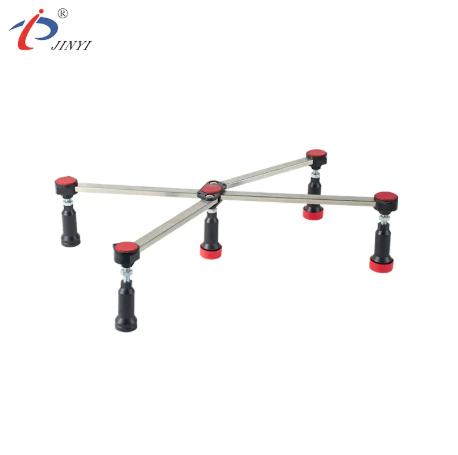
Key Advantages:
Strong Load Capacity – Made from corrosion-resistant steel
Adjustable Design – Ensures perfect leveling for different bathroom floors
Fast Installation – Saves time for contractors and installers
OEM & ODM Services – Custom solutions for international brands
Competitive Pricing – Factory-direct supply with strict quality control
Trusted by International Bathroom Brands
One of JINYI’s strengths lies in OEM and ODM partnerships. We have supplied shower tray frames to leading bathroom companies in Europe, including a German partner who started with samples and quickly moved into continuous bulk orders after being impressed by our quality and precision manufacturing.
Applications of JINYI Shower Tray Frames
- Residential Bathrooms – Long-lasting and stable support
- Hotels & Commercial Projects – Reliable for heavy daily use
- Renovation Projects – Easy to fit and adjust in existing bathrooms
Whether you are a distributor, wholesaler, or contractor, JINYI offers the right solution for your shower tray installation needs.
Why Buy from JINYI in China?
- 30+ years of bathroom hardware manufacturing
- Located in Yuhuan, Zhejiang – China’s coastal manufacturing hub
- Advanced production and strict QC system
- Efficient global shipping and after-sales support
If you are wondering “Where to buy shower tray frames from China?”, look no further than JINYI. With our combination of quality, affordability, and customization, we are the trusted partner for international bathroom brands.
For more information, please visit: https://www.yh-jinyi.com
For inquiries or samples: WhatsApp +86 13750801289
-
How Does a Shower Tray Support Frame Improve Stability
Dec 01, 2025
What Are the Key Benefits of Using a Shower Tray Support Frame
A Shower Tray Support Frame plays an important role in ensuring the stability and durability of a shower installation. While the tray itself provides a surface for water drainage, the supporting structure beneath maintains level positioning, prevents shifting, and enhances overall longevity. For both residential and commercial bathrooms, choosing a reliable base system contributes to safe and lasting performance.
Enhanced Stability and Safety
One of the main advantages of this underlying support is improved stability. By evenly distributing weight across the tray, the base reduces the risk of sagging or movement. This stability helps prevent water pooling beneath the shower and minimizes stress on flooring materials, lowering the likelihood of cracks or damage over time.
Simplified Installation and Adjustments
Adjustable tray bases allow installers to fine-tune height and alignment with surrounding walls and fixtures. This flexibility simplifies work in spaces with uneven floors and ensures a proper fit without additional shimming. Reducing installation complexity saves time and labor while enhancing the overall precision of the bathroom setup.
Protection for Surrounding Structures
A solid tray foundation protects adjacent walls and flooring. Even distribution of weight reduces stress on tiles and prevents premature wear. This underlying support maintains integrity under daily use, preserving finishes and minimizing the chance of leaks or water damage.
Long-Term Durability and Maintenance
A properly designed base extends the lifespan of the tray. Resistance to bending, warping, and uneven stress reduces repair needs. Some systems also offer easy access for cleaning or inspection, allowing homeowners to address potential issues before they escalate.
Environmental and Cost Considerations
Modern tray bases are often constructed from durable metals, reinforced plastics, or composite materials that balance strength with efficient material use. A high-quality support system minimizes replacements, lowers maintenance costs, and contributes to sustainable bathroom installations.
Choosing the right structural support beneath a shower tray ensures stability, protects surrounding elements, and enhances long-term durability. A well-planned installation supports smooth operation, reduces maintenance, and delivers reliable performance for both homeowners and professionals.
Which Materials Make the Most Reliable Shower Tray Support Frame
Choosing the right materials for the structural base of a shower tray is crucial for long-term stability and performance. A well-designed support system relies not only on shape and alignment but also on the inherent strength, durability, and resistance of the components used. Selecting suitable materials ensures the installation remains secure, prevents warping or sagging, and protects surrounding surfaces from damage over time.
Metal Components for Strength
Metals such as galvanized steel or treated aluminum are commonly used because of their rigidity and ability to handle daily load without bending. These components provide a solid foundation, maintaining even weight distribution across the tray. Their resistance to moisture and moderate impacts makes them a dependable choice for both home and commercial bathrooms.
Reinforced Plastic Options
High-density plastics or polymer composites are favored for their lightweight properties combined with sufficient firmness. These materials resist corrosion and rust, making them particularly suitable for areas exposed to humidity. In addition, plastic components can simplify handling during installation while still supporting the tray effectively.
Composite Materials for Balanced Performance
Composite support systems blend multiple materials to achieve a balance between strength, stability, and design flexibility. By combining fibers, plastics, or other reinforcements, these systems can accommodate complex shapes or adjustable features without compromising load-bearing performance. This versatility allows manufacturers and installers to meet diverse installation needs efficiently.
Factors Affecting Material Choice
Beyond basic durability, several environmental and practical factors influence the selection. Moisture exposure, temperature variations, and floor type should guide which components are chosen. In spaces where regular inspections or maintenance are expected, materials that allow easy access and minimal wear are preferable.
Benefits of Thoughtful Material Selection
A support base constructed from appropriate materials reduces the risk of tray movement, protects flooring and surrounding structures, and extends the life of the shower system. Proper material choice also supports safer installation practices, simplifies future maintenance, and improves overall bathroom functionality.
Selecting materials with the right combination of strength, resistance, and adaptability ensures that the shower tray maintains alignment, stability, and durability for years of daily use. Thoughtful decisions in base construction contribute to safer and more efficient bathroom installations.
How Can Installation Techniques Affect Shower Tray Support Frame Performance
The way a shower tray base is installed plays a critical role in its long-term stability and efficiency. Even with high-quality components, improper installation can lead to uneven weight distribution, vibrations, or movement over time. Understanding key installation practices helps ensure that the tray remains secure, level, and functional for daily use.
Importance of Surface Preparation
Before positioning the support system, the subfloor must be clean, level, and firm. Uneven or unstable surfaces can create pressure points that reduce the tray's stability. Small adjustments such as leveling shims or reinforcement plates can distribute weight evenly and prevent sagging.
Fastening and Alignment Considerations
Correct attachment of supports is essential to maintain uniform load distribution. Using compatible fasteners that match the material properties of the base prevents loosening or shifting under repeated use. Maintaining straight horizontal and vertical alignment ensures that the tray sits flat, reducing stress on edges and joints.
Environmental Factors During Installation
Moisture, temperature variations, and vibration from nearby plumbing or mechanical systems can influence base performance. Protective coatings, sealing, or vibration-dampening inserts help improve resilience and reduce the risk of long-term deformation. In areas with higher humidity, choosing fasteners and support components that resist corrosion further prolongs system reliability.
Adjustable Support Options
Some modern systems feature adjustable legs or modular supports, allowing fine-tuning of height and angle. This flexibility is valuable in uneven floors or complex bathroom layouts. Adjustable components also reduce the need for cutting or custom fitting, saving time during installation while maintaining performance standards.
Practical Tips for Consistent Results
- Verify floor level before beginning installation
- Use materials and fasteners suited for the environment
- Check alignment during and after assembly
- Leave space for slight movement to absorb stress
- Inspect regularly during early use to catch potential issues
Proper installation techniques are as important as material choice in ensuring a stable and long-lasting shower tray system. Attention to surface preparation, alignment, fastening, and environmental considerations helps maintain performance, reduce maintenance, and support daily usability.
-
Which Water Meter Bracket Works Best for Modern Building Systems
Nov 28, 2025
What Materials Are Commonly Used for a Durable Water Meter Bracket
A water meter bracket is a small yet essential support component that helps hold measuring devices securely in place during use. Although it may look simple, choosing the right material determines how well it performs in demanding conditions. Different environments, such as outdoor installations or locations exposed to moisture, require brackets that can stay stable without bending or corroding.
One commonly used option in this field is metal. It is widely selected because it brings consistent strength for everyday installation projects. Metals like treated steel or alloys can endure exposure to rainwater, ground moisture, or mild impact during maintenance work. These properties make it suitable for residential, commercial, and light industrial settings where reliability is essential.
Another material often used for a water meter bracket is reinforced plastic. It is appreciated for being lightweight while still offering the necessary firmness to hold equipment securely. Plastic brackets may be found in indoor installations or areas where exposure to chemicals needs to be minimized. Their resistance to rust is a notable benefit in environments where metal corrosion may be a concern.
In some projects, composite materials are introduced to enhance both performance and cost balance. These materials combine multiple elements to create a bracket that supports load requirements while maintaining stability over extended periods. Composites may offer design flexibility, allowing shapes that are difficult to produce with standard metals or plastics.
Choosing a material should not be based solely on price or appearance. Instead, the decision should take into account installation environment, exposure to water, the weight of the device it supports, and the expected frequency of inspections. When installers and suppliers evaluate these factors carefully, the selected bracket can serve its purpose without unexpected issues during operation.
In modern infrastructure systems, the importance of choosing a reliable water meter bracket is often underestimated. However, proper material choice reduces unexpected maintenance, supports accurate readings, and contributes to a stable measuring system. Whether it is metal, reinforced plastic, or composite, the goal remains the same, supporting consistent and safe application in water measurement systems.
How Installation Methods Affect the Stability of Water Meter Brackets
The way a water meter bracket is installed plays a significant role in its durability and long-term stability. Even when the bracket is made from a sturdy material, poor installation practices can reduce its performance, especially when the device is exposed to vibration, mechanical pressure, or outdoor conditions. Understanding how the installation process influences strength helps ensure a reliable setup for residential, commercial, or industrial systems.
Why Proper Mounting Technique Matters
Incorrect mounting can create uneven stress points where the bracket meets the wall or pipe support. Instead of distributing load evenly, misalignment causes unnecessary strain over time. This can lead to loosening, twisting movement, or surface corrosion in humid environments. In contrast, a balanced installation helps the bracket retain its shape and supports the meter efficiently.
Key Installation Considerations
Different factors influence how securely a bracket holds its place. Below are installation considerations that contribute to performance.
Installation Factor Impact on Stability Surface Type Rough or weak surfaces reduce grip and increase wobbling Fastener Quality Poor fasteners may loosen under vibration Alignment Accuracy Misalignment affects balance and long-term durability Support Position Incorrect height or direction influences load distribution Environmental Exposure Moisture and chemicals affect metal longevity How Environment Influences Mounting Choices
Temperature shifts, precipitation, dust, and chemical presence can change the performance of mounting hardware. Indoor installations may require fewer protective steps, while outdoor systems benefit from corrosion-resistant coatings or sealed fasteners. Moisture control and drainage spacing also help maintain stability by reducing rust risk at contact points.
Simple Practices to Improve Installation Reliability
Small adjustments during installation can have a noticeable impact on bracket stability. These steps reduce unwanted movement and support meter accuracy.
- Ensure that the base surface is clean and firm before mounting
- Use fastening components that match the bracket's material
- Maintain straight horizontal and vertical alignment to avoid off-angle pressure
- Leave enough clearance to minimize vibration transmission from piping
A reliable system does not rely only on the strength of the bracket material. Installation quality makes a noticeable difference in how long the device remains secure. Understanding how alignment, surface selection, and fastening methods affect performance allows installers and users to maintain stable conditions without frequent adjustments. By focusing on these techniques, water meter brackets can perform as expected under diverse working environments.
Why Building Projects Require the Right Type of Water Meter Bracket
Water supply facilities rely on reliable support components during construction, and the water meter bracket plays an important role in ensuring proper placement of measuring devices. Selecting an appropriate bracket type does not only involve physical strength, but also how it interacts with building structure, pipe layout, and long-term usage. Every building environment has different conditions, which means a suitable support solution helps minimize unnecessary adjustments later.
During the planning stage of a construction project, engineers consider how the bracket will handle pressure caused by plumbing connections and external forces. A weak or incompatible support base could lead to loose fittings, inaccurate readings, or pipe misalignment. These issues may not surface immediately, yet they can influence measurement accuracy and maintenance frequency over time. By matching bracket types with specific building materials, installers help support more stable meter operation.
Different water supply systems require diverse installation directions. Wall-mounted brackets might suit compact indoor spaces, while ground-fixed options are better for outdoor meters exposed to environmental factors. Structural density, humidity, vibration level, and service accessibility all influence which style is more practical. When the selected bracket fits these requirements, technicians spend less time modifying the location and more time finalizing connections.
Choosing a suitable bracket also encourages safer working conditions. When the meter has a secure and balanced base, the connecting pipes experience less strain, reducing the likelihood of unexpected damage during future maintenance. Stable support allows workers to inspect or replace components without dealing with unstable fixtures. This enhances installation convenience and reduces repair interruptions on active sites.
To illustrate how bracket selection affects planning decisions, the table below compares different usage scenarios.
Building Scenario Appropriate Bracket Consideration Main Benefit Indoor meter rooms Wall-supporting models Saves space and keeps pipes aligned Outdoor public areas Ground-mounted or reinforced types Withstands weather exposure High-vibration facilities Shock-absorbing structures Reduces connection looseness Elevated platforms Adjustable brackets Simplifies alignment and leveling Proper selection contributes to structural reliability as buildings age. Designing with the right bracket at the beginning of a project limits unnecessary reinforcement after installation. Whether used in residential complexes or commercial systems, a fitting bracket helps maintain consistent readings, reduces disruptions, and supports easier maintenance routines for operators.
By considering physical environment, load capacity, and accessibility needs, building professionals make informed decisions that enhance the useful life of water meter setups. A carefully chosen bracket may seem like a minor detail, but it adds long-term value to construction planning and routine service tasks.
Which Water Meter Bracket Designs Support Safer Pipeline Layouts
Creating a secure pipeline layout requires careful consideration of the components that hold pipes in place. Among these parts, the water meter bracket plays a key role in maintaining alignment, distributing weight, and reducing strain on connected pipelines. Design features can influence how well each installation adapts to changing pressures, temperature differences, and environmental environments.
Design Features That Improve Pipe Support
A bracket with an expanded contact surface often provides a smoother structural transition between the meter and the pipeline. When weight is shared across a broader area, the connected pipes experience reduced bending forces. In applications where frequent vibration occurs, this form of support can help keep measuring devices from shifting out of position. Another design feature involves reinforced side structures that limit twisting movements caused by unequal water flow or sudden pressure variations.
Benefits of Adjustable Structures
Adjustable models help builders fine-tune elevation, direction, or spacing according to the layout of the pipeline. When a project demands precise orientation, being able to modify height or angle helps avoid pipe distortion. This can be valuable in crowded installation spaces, where interference with nearby components is a concern. Adjustment mechanisms also reduce installation time, since fewer custom fabrication steps may be required on site.
Comparison of Common Design Options
Design Style Typical Feature Project Advantage Fixed Structure Stable frame without movement Suitable for predictable layouts Adjustable Form Height or angle modification Helps fit complex spaces Reinforced Build Extra support segments Useful for vibration-heavy areas Each option serves a different type of installation need, which means selection depends on pipe location, pressure conditions, and the structural demands of the building.
Considering Installation Environments
When choosing a design, construction teams must also pay attention to climate, vibration exposure, and available mounting surfaces. In locations with frequent temperature changes, a design supporting gradual expansion and contraction is often considered valuable. Meanwhile, systems installed near machinery or pumps may benefit from stronger frames to resist shaking forces.
The Design Decision and Project Safety
A suitable bracket design affects not only stability but also long-term maintenance planning. A model that limits pipe movement can reduce the chance of leaks forming at joint connections. Selecting a design that matches building conditions makes it easier to maintain dependable flow readings and reduces the need for frequent corrections.
Tips for Selecting Water Meter Brackets for Commercial and Residential Use
Choosing water meter brackets for housing areas and business environments requires looking beyond basic pipe support. Different locations face varied loads, exposure, and installation challenges, so suitable choices can improve functionality and installation quality without relying on excessive reinforcement.
One of the first considerations involves understanding how the pipeline will sit in the intended layout. Brackets designed for straight sections, floor-mounted setups, or wall-supported positions each serve different structural needs. For residential areas, compact forms can simplify placement behind cabinets or outdoor meter boxes. In commercial zones, additional spatial allowance often demands wider bracket spacing and forms that offer better alignment with main lines.
Material choices also influence performance in specific environments. For outdoor installations, moisture resistance matters, while interior installations may benefit from designs that accommodate quick adjustments during construction. Some brackets support dual or multi-unit configurations, allowing multiple meters to share structural support without cluttering limited areas.
Below is a simple comparison showing different application focuses.
Usage Environment Important Consideration Potential Benefit Residential area Smaller structures Easy placement in tight locations Commercial building Wider layout Better line organization Outdoor utility zone Environmental exposure Increased adaptability Indoor pipeline network Adjustment needs Improved installation flexibility Installation habits also influence selection. Regions that require frequent meter inspection may benefit from brackets that allow clear visibility or straightforward disassembly. Space optimization is another factor because some modern construction practices favor hidden meter placements, requiring forms compatible with compact housings.
Finally, coordination with project designers or plumbers helps ensure the chosen bracket fits the pipeline plan rather than forcing workers to alter the layout. A suitable choice respects installation practices, site conditions, and future maintenance needs, helping construction teams work efficiently while maintaining structural order.
-
Shower Tray Feet vs. Concrete Base: Which Installation Method Works Best?
Nov 26, 2025
When it comes to bathroom construction, the foundation of your shower tray is one of the most important decisions you’ll make. A strong, stable base ensures not only the safety of users but also the long-term durability of the entire shower system. Traditionally, many builders have relied on a concrete base to support shower trays. However, in recent years, adjustable shower tray feet have become a popular alternative across Europe and beyond.
Concrete Base: The Traditional Method
For decades, pouring a concrete base has been the go-to solution for shower tray installation. It involves creating a solid layer of mortar or cement underneath the tray to keep it fixed in place.
Advantages of a Concrete Base:
Strong foundation: Provides excellent load-bearing capacity.
Solid feel underfoot: Some homeowners prefer the firmness of a concrete-supported shower tray.
Durable in the long term: When done properly, it can last for many years.
Limitations of a Concrete Base:
Labor-intensive installation: Requires mixing, pouring, and leveling, which can be time-consuming.
No height adjustability: Once installed, the tray cannot be repositioned or adjusted easily.
Moisture concerns: If the sealing isn’t perfect, water infiltration can cause cracks or mold issues over time.
Difficult repairs: Any modification or repair often requires breaking the concrete layer.
While the concrete base remains a solid choice for certain construction styles, it often lacks flexibility for modern bathroom requirements.
Shower Tray Feet: The Modern Solution
Adjustable shower tray feet are engineered support systems designed to simplify installation while enhancing stability. These feet are typically made of strong metal or reinforced plastic, with adjustable height features to ensure a perfectly level tray on any surface.
Advantages of Shower Tray Feet:
Quick installation: No need to wait for concrete to cure; the tray can be installed in hours instead of days.
Height adjustability: Each foot can be adjusted individually to compensate for uneven floors.
Easy access: The hollow space beneath the tray allows for convenient pipe routing and future maintenance.
Lightweight and flexible: Perfect for renovation projects where adding concrete weight isn’t ideal.
Cost-efficient in the long run: Less labor time and easier maintenance reduce overall project costs.
Limitations of Shower Tray Feet:
Initial material cost: May be slightly higher than raw cement, though offset by labor savings.
Requires proper sealing: As with any installation, ensuring waterproof sealing is essential
With CE-certified shower tray feet, modern installers achieve both flexibility and safety while meeting European standards.
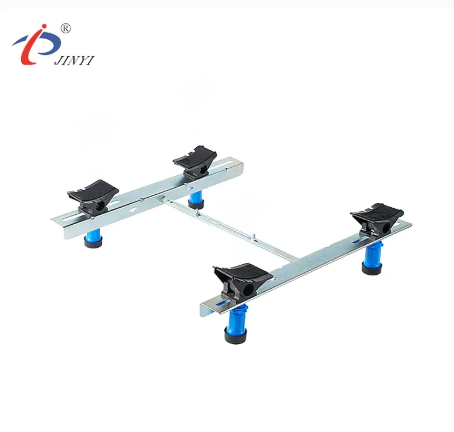
Which One Works Best?
The choice between concrete base and shower tray feet depends largely on the project requirements:
For traditional, permanent installations: Concrete base can provide a sense of sturdiness but sacrifices flexibility.
For modern, efficient, and professional projects: Shower tray feet are the superior choice, especially for contractors who value adjustability, time savings, and long-term serviceability.
In Europe, professional installers increasingly prefer shower tray feet for both residential and commercial bathrooms. They not only speed up construction but also simplify maintenance—something that matters greatly to hotels, apartments, and high-traffic projects.
Why Choose JINYI Shower Tray Feet?
As a CE-certified manufacturer with over 30 years of experience, JINYI specializes in bathroom and plumbing hardware, including adjustable shower tray feet. Our products are designed for strength, durability, and easy installation, making them ideal for distributors, wholesalers, and builders worldwide.
What sets JINYI apart?
OEM & ODM expertise: We customize solutions to meet your specific project needs.
Factory-direct pricing: Located near Ningbo Port, we provide cost-effective production and fast delivery.
Consistent quality: With strict quality control and CE certification, you can trust every shipment.
Global reach: JINYI exports to Europe, North America, and other regions, supporting international projects with reliable hardware.
While both concrete bases and shower tray feet have their place in bathroom construction, the modern choice for efficiency, flexibility, and professional results is clear: adjustable shower tray feet. They save time, reduce labor costs, and provide a practical solution for installers and end-users alike.
If you’re looking for reliable, CE-certified shower tray feet from an experienced manufacturer, JINYI is here to support your business with quality products and professional service.
For more information, please visit: https://www.yh-jinyi.com
For inquiries or samples: WhatsApp +86 13750801289
-
How to Choose a Shower Tray Support Frame
Nov 24, 2025
What to Consider When Choosing a Shower Tray Support Frame
Shower tray support frames play a crucial role in bathroom installations by ensuring the tray remains stable, level, and secure. Selecting the right frame is essential not only for durability but also for preventing leaks, uneven surfaces, and long-term maintenance issues. This guide explores practical considerations for choosing a shower tray support frame that meets both functional and environmental needs.
Understanding the Role of a Shower Tray Support Frame
A shower tray support frame provides the foundation for the tray, distributing weight evenly and maintaining proper alignment. Without a solid frame, trays may warp, shift, or stress plumbing connections over time. Proper support enhances user safety, preserves the integrity of surrounding structures, and ensures a smooth installation process.
Material Selection
The material of a support frame directly impacts its longevity, strength, and resistance to moisture. Common options include:
- Metal Frames: Typically made of steel or aluminum, metal frames offer strong support and resist deformation under heavy loads. Protective coatings can improve corrosion resistance in humid environments.
- Plastic or Polymer Frames: Lightweight and corrosion-resistant, these frames are easier to handle and suitable for residential bathrooms with standard trays. They may be less ideal for very heavy or large trays.
- Composite Frames: Combining metal and reinforced polymers, composite frames provide a balance of strength and moisture resistance while remaining relatively lightweight.
When selecting a material, consider environmental conditions, tray size, and expected load to ensure long-lasting performance.
Size and Compatibility
A frame must match the shower tray dimensions accurately. Incorrect sizing can lead to uneven support, gaps between the tray and frame, or instability during use. Check manufacturer specifications for tray dimensions, recommended frame types, and any adjustable options that allow fine-tuning during installation.
Installation and Adjustability
Frames with adjustable heights or modular components provide greater flexibility during installation. This feature can help accommodate floor level variations, plumbing layouts, or specific bathroom designs. Consider frames that include clear instructions and easy mounting features to reduce installation errors and save time.
Load Capacity and Stability
The support frame should be capable of handling the combined weight of the tray, water, and user safely. Evaluate frames for:
- Even weight distribution across all support points
- Resistance to bending, warping, or shifting under pressure
- Compatibility with additional reinforcement options, if needed
Proper load management prevents long-term damage and enhances safety.
Moisture Resistance and Maintenance
Bathrooms are high-humidity environments, making moisture resistance a critical factor. Materials that resist corrosion, mold, or water absorption reduce maintenance requirements and extend the life of the frame. Frames designed with easy-to-clean surfaces or removable components can further simplify upkeep.
Cost and Sourcing
While cost is important, balance price with material quality, stability, and durability. Choosing a frame solely based on lower cost may compromise safety and longevity. Consider local availability and warranty options to ensure a reliable purchase.
Selecting the right shower tray support frame requires careful attention to material, size, adjustability, load capacity, and moisture resistance. By evaluating these factors, manufacturers, contractors, and homeowners can ensure a safe, durable, and efficient bathroom installation.
A well-chosen support frame not only stabilizes the shower tray but also contributes to consistent performance and reduced maintenance over time, protecting both the plumbing system and bathroom surfaces.
How Shower Tray Support Frames Improve Bathroom Stability
Shower tray support frames are an essential part of a stable and durable bathroom installation. Beyond simply holding the tray in place, these frames contribute to structural integrity, evenly distribute weight, and reduce long-term maintenance issues. Understanding the ways support frames enhance stability helps homeowners and contractors make informed decisions.
Even Weight Distribution
A properly installed support frame ensures that the shower tray's weight is spread evenly across the floor. Uneven support can cause trays to bend or sag, which may lead to cracks, water leakage, or damage to surrounding tiles. Frames with multiple support points or adjustable legs allow for precise leveling, reducing stress on the tray and maintaining a flat surface.
Enhanced Tray Alignment
Shower tray support frames help maintain correct alignment between the tray and plumbing connections. Misalignment can cause water pooling, leaks, or strain on pipes. Frames designed with adjustable height or modular sections make it easier to achieve precise placement, ensuring both functional and aesthetic alignment in the bathroom.
Vibration Reduction
Daily use of a shower can produce vibrations that may shift trays or loosen connections over time. Support frames with secure mounting and solid construction minimize movement, keeping trays stable and preventing noise or wobbling. Reducing vibration also protects pipes and seals from premature wear.
Load Support for Safety
Support frames are designed to hold the combined weight of the tray, water, and users safely. Choosing frames with adequate strength prevents deformation or instability under pressure. Some frames incorporate reinforced sections or cross-bracing to further increase load capacity, offering peace of mind in high-use bathrooms.
Moisture and Environmental Considerations
Bathrooms are humid environments, and prolonged exposure to water can affect both trays and supporting structures. Frames made from moisture-resistant materials such as treated metals, polymers, or composites maintain stability over time. Proper material selection reduces corrosion, prevents weakening of structural elements, and ensures the tray remains secure.
Maintenance and Longevity
A stable frame contributes to long-term maintenance benefits. Frames that prevent movement or sagging reduce wear on trays, seals, and surrounding tiles. Additionally, modular or easily adjustable frames simplify inspections, cleaning, and future repairs without dismantling the entire installation.
Example Overview of Stability Benefits
Benefit Description Impact on Bathroom Weight distribution Spreads load evenly across floor Reduces tray bending or sagging Tray alignment Keeps tray level and aligned with plumbing Prevents leaks and water pooling Vibration reduction Minimizes movement during use Protects pipes and seals Load support Handles combined weight of tray and users Ensures safety and stability Moisture resistance Uses corrosion-resistant materials Extends frame and tray life Maintenance-friendly Modular or adjustable design Simplifies inspection and cleaning Shower tray support frames are more than simple brackets—they are foundational elements that improve bathroom stability, safety, and longevity. By distributing weight, reducing vibration, maintaining alignment, and resisting moisture, these frames protect the shower tray and surrounding structures.
Selecting and installing a suitable support frame ensures a reliable and low-maintenance bathroom, providing peace of mind for homeowners and efficiency for contractors.
Why Using a Quality Shower Tray Support Frame Protects Your Flooring
A shower tray support frame plays a crucial role not only in stabilizing the tray but also in safeguarding the underlying flooring. Poorly supported trays can transmit weight unevenly, cause water leakage, or damage tile and subfloor materials. Using a reliable frame ensures that floors remain protected while maintaining the overall integrity of the bathroom installation.
Preventing Sagging and Structural Damage
When a tray lacks adequate support, the floor beneath may experience excessive stress. Over time, this can lead to sagging, cracks in tiles, or even damage to wooden subfloors. A sturdy frame distributes weight evenly across the installation area, reducing the risk of structural deformation and extending the lifespan of both the tray and the floor.
Reducing Water Leakage Risk
Misaligned or unsupported trays can create gaps where water seeps into the subfloor. Continuous moisture exposure can weaken flooring materials, promote mold growth, and increase maintenance costs. Support frames maintain proper tray positioning, ensuring that all edges and seals remain tight. This alignment reduces the chance of leaks, keeping the floor dry and secure.
Enhancing Tray Stability
Daily use of a shower exerts repeated forces on the tray. Without a supportive frame, even slight movement can create stress points on tiles or joints beneath the tray. A high-quality support frame minimizes movement, absorbs vibrations, and stabilizes the tray during use. By maintaining stability, the flooring stays protected and the bathroom environment remains safe.
Compatibility with Various Floor Types
Different bathroom floors require different levels of support. Concrete, wooden, or composite subfloors can respond differently under weight and moisture. Frames designed with adjustable height or modular support points allow for precise leveling, ensuring that the tray sits evenly and prevents uneven pressure on any part of the floor.
Longevity and Maintenance Benefits
Investing in a durable frame simplifies long-term maintenance. Floors are less likely to develop cracks or water damage, reducing the need for repairs or replacements. Additionally, frames that allow for easy adjustments and inspection make it simpler to monitor the tray and subfloor condition, ensuring ongoing protection for the flooring.
Example Overview of Flooring Protection Benefits
Feature Description Flooring Impact Even weight distribution Spreads load across subfloor Reduces sagging and cracks Leak prevention Maintains tray alignment and seal integrity Protects subfloor from moisture damage Vibration absorption Stabilizes tray during use Minimizes stress on flooring Adjustable support points Compatible with multiple floor types Ensures even pressure and prevents damage Easy maintenance Simplifies inspection and adjustments Extends flooring lifespan A quality shower tray support frame safeguards the flooring by distributing weight evenly, preventing leaks, reducing vibrations, and accommodating different floor types. Proper installation and use of these frames ensure a safe, stable, and low-maintenance bathroom.
Protecting the subfloor is as important as securing the tray itself, and a well-designed support system ensures both long-lasting performance and peace of mind for homeowners and contractors alike.
-
How Can a Water Meter Bracket Be Installed Safely
Nov 21, 2025
How to Install a Water Meter Bracket Safely and Efficiently
Water meter brackets are essential components in plumbing systems, providing secure support for water meters and ensuring stable connections. Installing these brackets correctly is important for preventing leaks, maintaining accurate measurements, and extending the service life of the plumbing setup. This guide outlines practical steps and considerations to achieve a safe and efficient installation.
Understanding the Purpose of a Water Meter Bracket
Before installation, it is important to understand why water meter brackets are necessary. These brackets hold the water meter in place, preventing movement that could damage pipes or connections. Proper support ensures accurate readings and reduces the risk of costly repairs in the future.
Choosing the Right Location
Selecting an appropriate location is the first step in a successful installation. The bracket should be positioned where the meter is easily accessible for reading and maintenance. Avoid areas with excessive vibration, moisture accumulation, or obstacles that may interfere with pipe alignment.
Careful location planning also ensures compliance with local plumbing regulations and helps avoid potential interference with other utilities.
Preparing the Installation Area
A clean, stable surface is key for mounting the bracket. Remove debris, dust, or any loose materials around the installation site. Ensuring a flat and stable surface allows the bracket to sit securely, which reduces stress on the pipes and water meter.
Marking the exact positions for screws or fasteners before drilling can save time and prevent errors during installation.
Mounting the Bracket
Begin by aligning the bracket with the marked positions. Use appropriate fasteners for the surface material, such as wall anchors for concrete or screws for wood. Ensuring the bracket is level and firmly secured is critical for stability.
Double-check the alignment with the pipe before final tightening. Misalignment can lead to strain on joints and connectors, which may affect meter accuracy or cause leaks over time.
Connecting the Water Meter
Once the bracket is secured, carefully attach the water meter. Ensure that the meter is fully supported by the bracket and that no weight is resting solely on the pipes.
Verify that all connections are tight, leak-free, and properly aligned. Proper support reduces the chance of mechanical stress on fittings and maintains smooth water flow.
Safety Considerations
While installing a water meter bracket, always follow basic safety practices:
- Wear protective gear, such as gloves and safety glasses.
- Avoid working near live electrical sources.
- Use appropriate tools to prevent damage to the bracket or surrounding surfaces.
- If unsure about local plumbing codes or standards, consult a professional.
These precautions help prevent accidents and ensure a durable installation.
Maintaining Your Installation
After installation, regular inspection of the bracket and water meter can prevent long-term issues. Check for loose fasteners, signs of corrosion, or any movement in the bracket.
Routine maintenance extends the life of both the bracket and the water meter, ensuring reliable performance over time.
Installing a water meter bracket safely and efficiently requires proper planning, correct positioning, careful mounting, and adherence to safety standards. By following these steps, manufacturers, contractors, and homeowners can ensure that water meters remain stable, accurate, and durable.
A well-installed bracket not only protects plumbing systems but also contributes to consistent water measurement and smooth operation.
Which Materials Make the Most Reliable Water Meter Brackets
Choosing the right material for a water meter bracket is a key step in ensuring a stable and long-lasting plumbing setup. The material affects durability, resistance to corrosion, weight support, and overall performance. By understanding the characteristics of different options, manufacturers, contractors, and homeowners can select brackets that meet both functional and environmental requirements.
Metal Brackets
Metal brackets, such as those made from steel or aluminum, are widely used due to their strength and durability. They provide robust support for water meters and can handle moderate to heavy pipe loads without deformation.
Advantages of metal brackets include:
- High load-bearing capacity
- Resistance to bending under weight
- Compatibility with various mounting surfaces
Potential considerations involve preventing corrosion, particularly in moist environments. Using protective coatings or stainless alloys can help extend service life.
Plastic and Polymer Brackets
Plastic or polymer brackets are lightweight and easy to install. They are often chosen for residential applications or areas where corrosion resistance is a priority.
Key benefits include:
- Resistance to moisture and rust
- Flexibility in design and shape
- Easier handling and installation
While they may not support very heavy pipes as well as metal, modern polymer composites provide sufficient strength for standard water meter setups and reduce maintenance concerns.
Composite Brackets
Composite brackets combine materials such as reinforced plastic with metal inserts. This hybrid design provides a balance between strength, corrosion resistance, and installation flexibility.
Advantages include:
- Adequate load capacity
- Reduced risk of corrosion compared to all-metal options
- Durability for long-term use in varying environments
Composites can be tailored for specific needs, offering both reliability and adaptability in residential and commercial installations.
Considerations for Material Selection
When selecting a water meter bracket material, several factors should guide the decision:
- Environment – Moisture, temperature fluctuations, and chemical exposure affect longevity.
- Load Requirements – The weight of pipes and meters determines the necessary strength.
- Maintenance Needs – Materials that resist rust or corrosion reduce upkeep.
- Installation Ease – Lighter materials may simplify handling and positioning.
- Cost and Availability – Budget constraints and local sourcing influence choices.
Comparison Table of Common Bracket Materials
Material Strength Corrosion Resistance Ease of Installation Suitable Applications Steel High Moderate (coating recommended) Moderate Industrial, heavy-duty setups Aluminum Medium High Moderate Residential or moderate load Plastic / Polymer Low to Medium Very High Easy Residential, indoor use Composite Medium High Moderate Mixed residential and commercial Selecting the right material for water meter brackets is essential for stable and durable installations. Metals offer strength, plastics provide corrosion resistance and ease of installation, and composites balance both qualities.
By evaluating environmental conditions, load requirements, and maintenance expectations, users can choose brackets that ensure safe, reliable support for water meters over time. Proper material selection contributes to a smooth, low-maintenance plumbing system and enhances the longevity of both brackets and meters.
What Factors Affect the Durability of a Water Meter Bracket
Water meter brackets play a crucial role in plumbing systems by providing secure support and maintaining the proper alignment of water meters. The durability of these brackets is influenced by several factors, which can impact the longevity and reliability of both the bracket and the connected pipes. Understanding these factors helps manufacturers, contractors, and homeowners select and maintain brackets that perform well over time.
Material Quality
The material used for a water meter bracket is one of the most important factors affecting durability. Brackets made from strong metals or reinforced polymers generally withstand wear and stress better than low-quality materials.
- Metal brackets offer high structural integrity but may require protective coatings to resist corrosion.
- Plastic or polymer brackets are less prone to rust but may deform under excessive weight or impact.
- Composite designs combine multiple materials to balance strength and resistance to environmental factors.
Choosing the appropriate material for the installation environment is essential for long-term performance.
Environmental Conditions
Exposure to moisture, temperature changes, and chemicals can significantly affect bracket life. Brackets installed in humid or outdoor locations may be more prone to corrosion or material degradation.
Key environmental factors include:
- Humidity and water contact
- Seasonal temperature variations
- Exposure to cleaning agents or plumbing chemicals
Proper material selection and protective measures can help reduce the effects of environmental stress.
Installation Practices
Even the strongest bracket can fail if installed incorrectly. Factors related to installation that affect durability include:
- Proper alignment and leveling of the bracket
- Secure fastening to a stable surface
- Avoiding excessive force that may stress the bracket or pipes
Following recommended installation steps ensures the bracket maintains its integrity and supports the water meter effectively.
Load and Usage
The weight of the water meter and connected pipes, along with any additional forces, affects the longevity of the bracket. Heavy loads, vibration, or frequent movement may weaken the structure over time.
Considerations include:
- Supporting weight evenly across the bracket
- Minimizing stress on joints and connectors
- Accounting for potential expansion or contraction of pipes
Monitoring load distribution helps prevent premature wear or damage.
Maintenance and Inspection
Regular inspection and maintenance extend the life of a water meter bracket. Checking for signs of corrosion, loose fasteners, or cracks allows early intervention before major issues develop.
Maintenance tips include:
- Tightening loose screws or anchors
- Cleaning debris or sediment from mounting areas
- Replacing worn or damaged components promptly
A proactive approach to upkeep ensures reliable performance and prevents unexpected failures.
The durability of a water meter bracket depends on material selection, environmental exposure, installation quality, load management, and regular maintenance. By understanding these factors, manufacturers and users can make informed choices that enhance reliability and longevity.
A well-chosen and properly maintained bracket not only supports the water meter effectively but also contributes to the overall efficiency and safety of the plumbing system.
-
How to Install a Shower Tray Frame Step by Step
Nov 19, 2025
Installing a shower tray correctly is essential for ensuring stability, durability, and waterproof performance in your bathroom. The JINYI Shower Tray Frame 8006 is designed to make installation easier, faster, and more reliable. In this step-by-step guide, we'll walk you through the process of installing the 8006 frame like a professional.
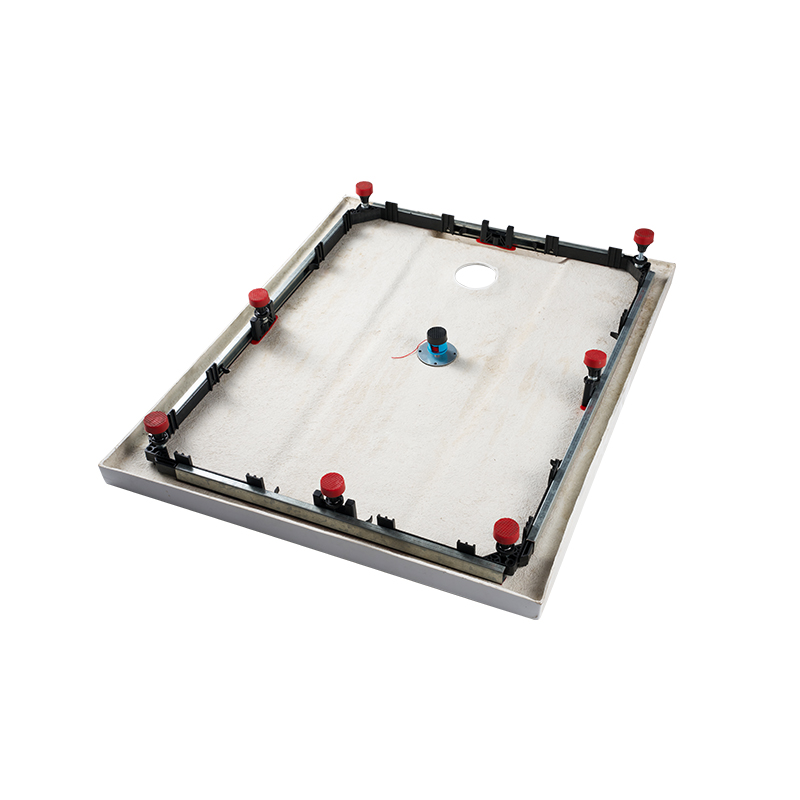
Why Choose the JINYI 8006 Shower Tray Frame?
The JINYI 8006 model is a high-quality adjustable support frame for shower trays. Made from durable steel with anti-corrosion treatment, it offers:
Strong load-bearing capacity
Adjustable legs for perfect leveling
Quick assembly structure
Long-lasting stability
This makes it an ideal choice for residential bathrooms, hotels, and renovation projects.
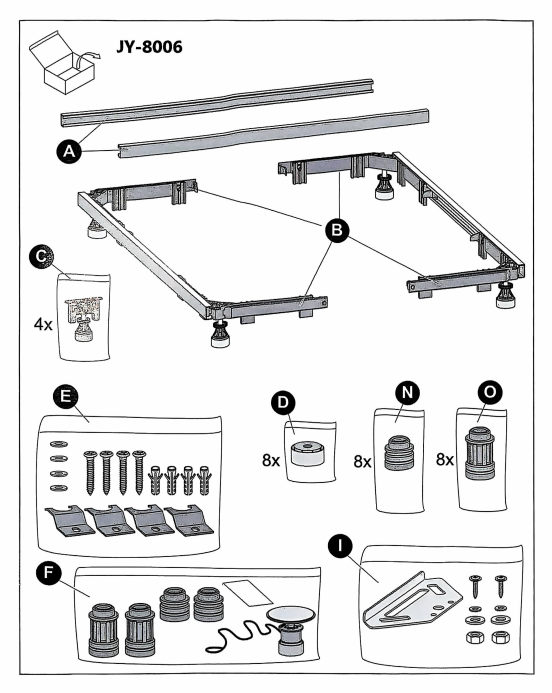
Tools You Will Need
Before starting, prepare the following tools:
Electric drill
Screwdriver
Tape measure
Spirit level
Adjustable wrench
Step-by-Step Installation Guide
- Prepare the Area
Make sure the bathroom floor is clean, level, and dry. Measure the dimensions of your shower tray to confirm the correct frame size.
- Assemble the Frame
Lay out all the frame parts of the 8006 model. Connect the side bars and corner joints using screws provided in the package. Ensure the frame is square and secure.
- Attach Adjustable Legs
Install the adjustable support legs onto the frame. Tighten them with a wrench, but leave enough room for later height adjustment.
- Place the Frame in Position
Move the assembled frame to the installation area. Use a spirit level to check the alignment. Adjust the legs until the frame is perfectly level.
- Fix the Frame to the Floor
Once leveled, drill pilot holes in the marked positions and secure the frame with screws and expansion plugs. This ensures the shower tray frame stays firm and stable.
- Install the Shower Tray
Carefully place the shower tray onto the frame. Double-check the level and stability. Apply sealing around the edges to ensure waterproof protection.
Final Tips
Always double-check measurements before drilling.
Do not overtighten screws to avoid damaging the frame.
Use professional sealing materials for long-lasting waterproofing.
Conclusion
Installing the JINYI Shower Tray Frame 8006 is straightforward with the right tools and careful steps. With its durable steel construction and adjustable design, the 8006 model provides the perfect solution for both DIY users and professional contractors.
For more information, please visit: https://www.yh-jinyi.com
For inquiries or samples: WhatsApp +86 13750801289


- 210 Jinhai Avenue, Lupu Economic Development Zone, Yuhuan City, Taizhou City, Zhejiang Province.
- +86-576-87423248 / +86-576-87499120
- +86-17769979117 / +86-18967666977
- +86-576-87425996
- [email protected] / [email protected]

