


 русский
 Español
Are Your Wall Radiator Brackets Securing Heat Properly
2026-04-10
Wall Radiator Brackets: What to Consider, How to Install, and When to Maintain for Everyday Home Heating
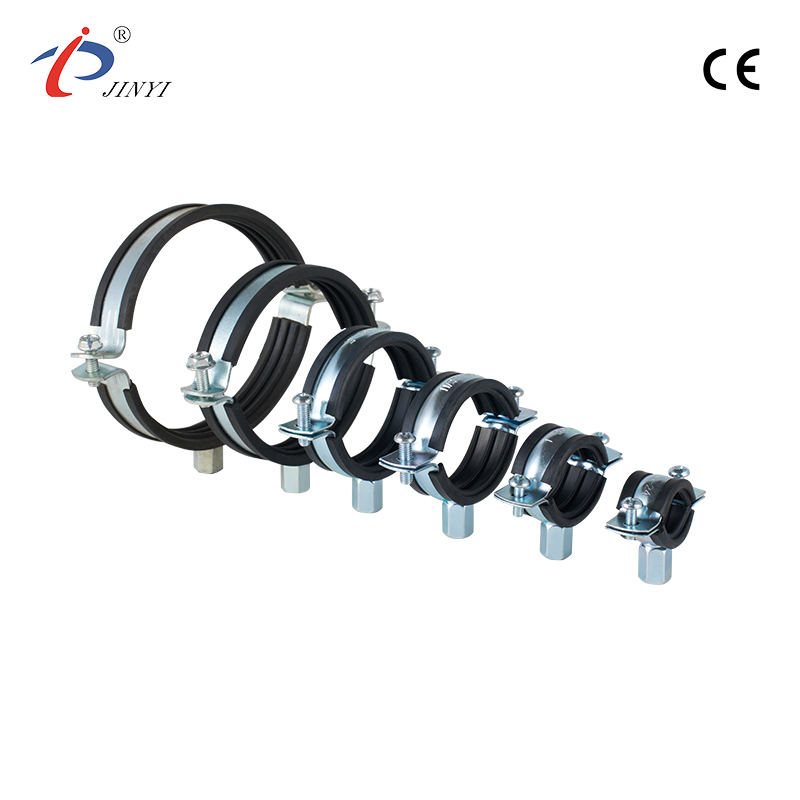
You know that moment when the cold really settles in and you turn the heating on, only to hear a faint creak or spot one end of the heater panel sitting just a little off? It happens in houses old and new. Maybe warmth gathers at the bottom while the top of the room stays cooler, or you notice a tiny shift after a few winters on a lighter inside surface. These little everyday headaches usually come down to the mounting supports that hold the whole heating unit tight against the vertical plane. Wall Radiator Bracket serves as that steady link between the heater and the structure behind it, shaping how evenly the warmth moves around and how safely the setup stays put season after season.
This piece pulls together the six questions that homeowners and installers keep asking when they plan a new system or check what they already have. It walks through the real factors in picking supports for your heater and surface type, the actual steps for fitting them on solid or lighter materials, useful approaches for thinner modern walls, the reasons positioning affects daily comfort, the way supports pair with heavier traditional heaters versus sleeker modern styles, and the times when a quick look-over or swap keeps everything stable. The guidance comes straight from observations on job sites and chats with people who live with these systems every day. Whether you are updating an older terrace house, finishing off a new apartment, or just making sure things hold through another cold stretch, these notes give a clear path without any extra fuss.
What to Consider When Selecting Wall Radiator Brackets for Your Setup
Start by looking hard at the heater you plan to hang and the surface it will rest against. A heavy older cast iron piece carries real weight, so the supports need to spread that load across enough contact area without guessing. Slimmer steel or flat modern panels feel lighter but still need exact alignment so the fixing points match the heater's own holes. Grab the tape measure and note the heater width plus the gap between its attachment spots first. That one move stops later mismatches that make you drill extra holes or fiddle with adjustments once everything sits in place.
The surface changes the whole decision. Dense brick or poured concrete gives solid anchor spots right away, while hidden timber framing or lighter board coverings ask for extra care to reach the firm backing. Think about how far the supports stand out from the plane too. A design that leaves a small airflow gap helps warmth push forward into the room instead of soaking straight back into the wall. In spaces with more moisture like bathrooms or kitchens, pick a finish that handles occasional damp without needing much extra care.
Look also plays a part in visible spots. Neutral shades let the supports fade quietly into the heater or the room tones, while a slight contrast can work as a quiet detail if that suits the style. Check how the fixing kit matches your surface. The right anchors and screws included from the start mean you skip hunting down extras halfway through the job. Budget matters, but the focus stays on fitting the supports to the actual load and surface rather than grabbing the cheapest thing on the shelf. A well-matched set from the beginning cuts down on later fixes or extra store runs. Folks who weigh these points often say they run into fewer surprises once the heating runs its first full cycle.
How to Install Wall Radiator Brackets on Different Wall Surfaces
Preparation makes the whole job smoother. Clear the area around the planned spot and gather the basic tools: a solid drill with bits that suit the material, a level, measuring tape, marking pencil, and the fixings that come with the supports. Safety comes first, so shut off the heating flow and let the heater cool if you are swapping an old one.
On firm brick or concrete the steps stay straightforward. Mark the height and spacing from the heater dimensions, then use the level to keep the line perfectly straight. Drill at each mark, drop in the proper anchors, and fasten the supports with the supplied screws. Give each one a last check for flush contact and level before tightening all the way. With both supports fixed, lift the heater on and make sure it sits without any rocking at the ends.
Lighter block or framed partitions need a small tweak in method. Grab a stud detector or tap gently to find the solid vertical pieces behind the outer layer. Secure the supports straight into those firm sections instead of the empty spaces between. When the framing does not line up exactly with the heater's fixing centers, a short horizontal timber or metal plate fixed across the framing spreads the load nicely. Drill pilot holes to avoid splits, then attach the supports to the plate or straight into the solid backing.
Keep the level close after every fixing and adjust as you go. Even a tiny tilt here can throw the heater's final angle off, showing up in both looks and how warmth flows. Brush away any drilling dust before final attachment so the finish stays clean. Once the heater hangs, press lightly on the corners to test for any give. These steps work across most home surfaces and help create a steady result that handles the normal heating and cooling cycles without loosening over time.
Tips for Fitting Wall Radiator Brackets to Plasterboard Walls
Thinner modern surfaces show up in lots of recent builds and updates, but they need careful handling because the outer layer does not carry heavy loads by itself. The goal is to pass the weight through to the hidden framing or channels behind. Mark the exact spots of those solid vertical elements with a detector and copy the marks clearly onto the surface. The supports must fasten directly into that backing rather than relying on the board alone.
When framing spacing leaves bigger gaps than the heater width likes, a horizontal reinforcing strip cut to fit between the uprights adds useful strength. Fix the strip firmly first, then set the supports on top of it. This spreads the load and reduces any flex that might creep in after repeated heating and cooling.
Drilling through the outer layer takes a sharp bit and steady pressure to stop cracking. If solid framing stays out of reach, hollow-wall anchors made for the job offer an option, though direct fixing to timber stays the steadier route for heater loads. After fastening, a small dab of flexible sealant around the screw heads helps keep dust or occasional moisture out of the cavity.
Test the finished job by resting the heater on the supports and applying light pressure at the outer edges. When the unit feels completely firm with no movement, the installation is good to go. These methods keep the result neat and stable even on surfaces that look delicate at first, and they help avoid the gradual loosening that sometimes shows after several seasons of regular use.
Why Proper Positioning Matters for Wall Radiator Brackets
Height and placement shape how warmth travels through the space. Setting the heater too close to the floor can trap rising air underneath, while putting it too high leaves cooler layers near ground level. A practical range keeps the lower edge about ten to fifteen centimetres above the floor so air moves freely beneath and rises naturally through the room. That same gap also makes cleaning underneath simpler and cuts down on hidden dust buildup.
Distance from windows and outside walls makes a difference too. Placing the heater below a window counters the cool air that often drops from the glass, helping balance temperatures across the area. Leave clearance on both sides so nearby furniture or window coverings do not restrict airflow. A few centimetres of space behind the heater lets warmth push forward rather than staying trapped against the surface.
In taller rooms or open layouts the supports may need minor height tweaks to direct warmth toward the zones where people gather most. Small adjustments here can improve overall comfort without touching the boiler or pipes. When the supports hold the heater at the right level and spacing, the system delivers steadier warmth where it is felt most, at floor level and throughout the living space.
How Wall Radiator Brackets Work with Cast Iron and Designer Radiators
Heavier traditional heaters need supports that offer broad contact and firm fixing to handle the distributed weight without stressing single points. The attachment feet on these units often sit farther apart, so the supports must match that spacing precisely. A thin protective layer between the support and the heater foot can reduce metal contact wear that builds over years of expansion.
Sleeker contemporary heaters tend to be lighter and more visible in their fixing areas, which affects how the room looks overall. Supports for these styles often feature slim or recessed profiles that stay nearly out of sight once the heater is hung. The fixing method still relies on reaching solid structure behind the surface, with added focus on centering and leveling so the finished heater sits straight and balanced on the plane.
When different heater styles appear in the same property, confirm that the support sets share matching fixing centers and load handling. A quick check of the heater's attachment holes before final selection prevents later mismatches. Across all types the supports form the steady base that lets the heater deliver consistent warmth without calling attention to the hardware itself.
When to Check or Replace Wall Radiator Brackets to Keep Things Secure
An annual look-over catches small shifts before they grow. The most useful windows fall just ahead of the heating period and again once it winds down. During these checks, gently push the heater side to side and watch for any play. Listen for odd sounds when the system warms up, and feel along the supports for any roughness or loose fastenings.
Clear signals that a swap may help include surface corrosion, holes that have begun to elongate around screws, or any visible gap forming between the support and the surface. Rooms with more moisture call for closer attention because damp can speed ordinary wear. Addressing the issue at the first clear sign protects both the heater and the surrounding structure.
The swap follows the same path as the original fitting, with the advantage that fixing locations are already marked. Remove the older supports carefully, inspect the points, and fit the fresh set using new anchors where needed. After rehanging the heater, test the connection and release any trapped air to bring performance back to normal.
Small daily habits stretch the life of the supports further. Keep heavy items from leaning against the heater, and avoid draping fabrics over it for extended periods. These actions limit extra stress and help the whole arrangement run smoothly through changing seasons.
Taking time to choose suitable mounting supports, fit them carefully on whatever surface you have, position them for good airflow, match them to the heater style, and review them regularly builds a heating setup that works quietly and dependably. Each choice connects to the next, turning a basic fixing into part of a comfortable home system that simply gets on with the job.
As a manufacturer focused on practical heating components, we see how these details matter in real houses every day. If your current arrangement raises questions about the supports or you are planning a new fit, our team stands ready to talk through your heater measurements and surface type. We share guidance on pairing components and notes that fit actual conditions on site. Send along the details of your setup and we will help you move ahead with confidence. The right attention to these mounting supports keeps warmth where it belongs and keeps daily concerns to a minimum.
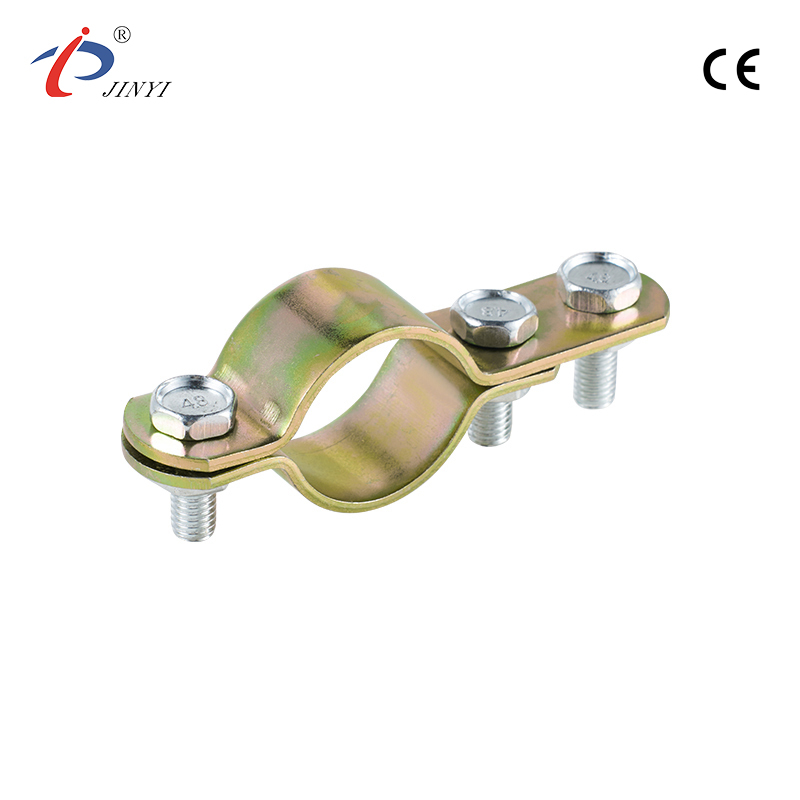
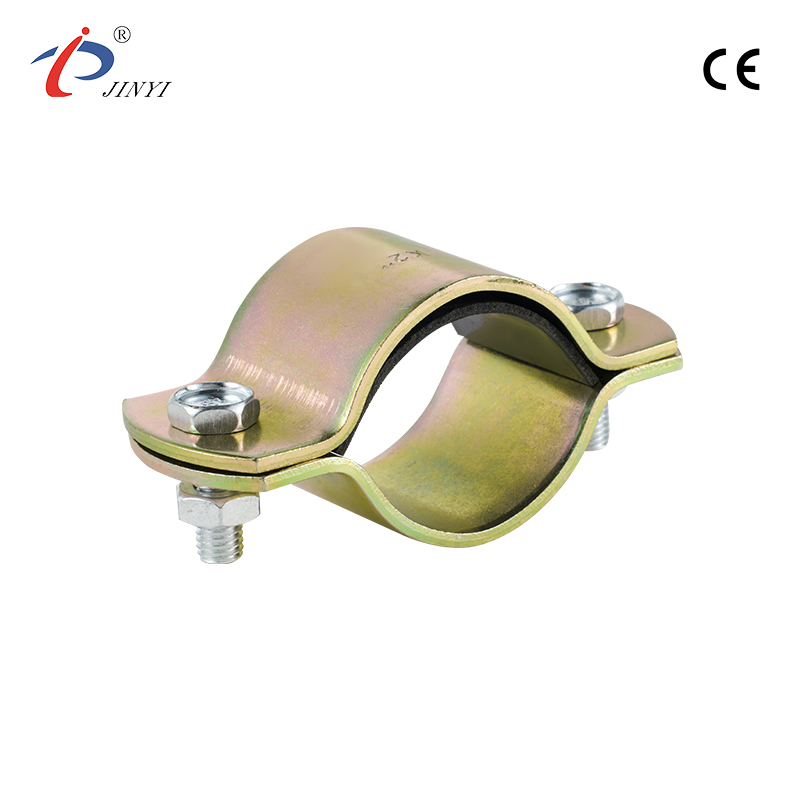
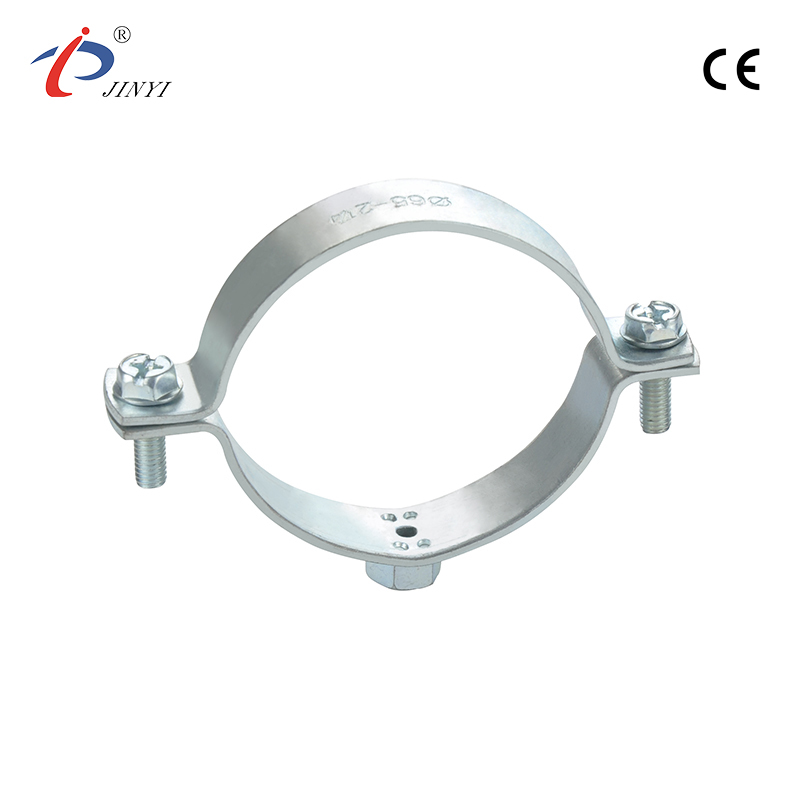
Wall Radiator Bracket appears here as crews discuss daily handling and care routines.


- 210 Jinhai Avenue, Lupu Economic Development Zone, Yuhuan City, Taizhou City, Zhejiang Province.
- +86-576-87423248 / +86-576-87499120
- +86-17769979117 / +86-13750801289
- +86-576-87425996
- [email protected] / [email protected]

