


 русский
 Español
What Makes a Bathroom Base Feel Stable and Comfortable
2026-04-13
What Makes a Bathroom Base Worth Caring About
A shower tray support frame is one of those parts people rarely notice until something starts to feel off. It sits out of sight, takes the load, and quietly keeps the bathing area steady. When it is doing its job well, nobody thinks about it. The water goes where it should, the surface feels firm, and the room keeps its calm, everyday rhythm. When it is not right, the signs are usually subtle at first. A small wobble, a faint sound underfoot, or a bit of movement at the edge can be enough to tell you the fitting underneath deserves a closer look.
That hidden role is why the under-bath structure matters so much. A bath area looks simple from the outside, but the part beneath has to deal with weight, moisture, cleaning products, and repeated use. If the base is not set properly, the whole setup can feel slightly unsettled even when nothing looks wrong at a glance. People often focus on the finish they can see, yet the part below the surface is what keeps the room practical over time.
Before fitting anything, it helps to think about how the space is actually used. A busy family bathroom puts a different kind of demand on the mounting system than a guest room or a quiet en suite. The floor itself also changes the picture. A solid surface gives more room to work with, while a lighter base needs more care and a bit more planning. A shower tray support frame suited to the room should match both the weight above it and the conditions below it, rather than relying on guesswork.
Choosing the Right Base for the Room
The first thing worth checking is the load. Some bathing pans are light enough to handle with fairly simple fixing, while others need a sturdier arrangement to stay level and calm under daily use. That is where the material and layout start to matter. A metal setup can bring a firmer feel, while reinforced plastic or mixed-material options may suit lighter installations or rooms where handling is a concern. There is no one answer that fits every home. The right choice is the one that matches the pan, the floor, and the way the room will be used.
Moisture exposure should also be part of the decision. Bathrooms do not stay dry for long, so anything fitted underneath needs to cope with damp air and regular cleaning. If the room has poor airflow or sees a lot of use, the under-bath assembly should be built with long-term resilience in mind. Even the neatest finish above the floor will not make up for a weak fit below it.
The spacing around the base is another point people sometimes miss. A tight fit can look tidy, but if it leaves no room for adjustment or access later, that can become inconvenient. A little working space makes installation easier and can help with future checks as well. When the fitting sits neatly but not forcefully, the whole arrangement tends to feel more settled.
How the Installation Usually Comes Together
Installation begins long before the first fixing goes in. The floor needs to be checked, measured, and cleared so the parts can sit properly. A level surface makes the process simpler, but even then, small adjustments are often needed. It is common to find that one corner needs a little more attention than the others. That is normal. What matters is that the fitting is not rushed.
When a shower tray support frame is placed on the floor, the first goal is alignment. If the position is off, even slightly, the pan above it may not drain as cleanly or sit as firmly as it should. Marking the points carefully and checking them again before fastening can prevent a lot of trouble later. It also helps to make sure the fixings suit the floor below. A solid base and a lighter partition do not call for the same approach.
The best installations usually come from a calm, step-by-step process. Set the base, check the level, adjust if needed, and only then move toward final fixing. Once the load is transferred properly, the bathing area feels more dependable. That does not mean the job is finished the moment the screws are in. A final check after everything is in place is still worth doing. A light press at different points often tells you whether the structure below is sitting as intended.
Why Placement Changes the Way the Room Feels
The position of the pan affects more than just the way water moves. It also changes how the room feels to use. If the pan sits too high, getting in and out can feel awkward. If it sits too low, cleaning beneath it may be harder, and the airflow around the base can feel restricted. A shower tray support frame that sits true helps the pan rest at a height that feels natural rather than forced.
Drainage is another reason placement matters. A slight tilt in the wrong direction can leave water sitting where it should not. Even a small imbalance can create a puddle or make the floor feel less dry after use. A room that drains cleanly usually feels easier to live with, and that starts with the fitting below the surface.
There is also the matter of comfort. A stable bathing area gives a quieter experience. People notice that more than they sometimes admit. It may not be dramatic, but it shows up every day in the small ways a room behaves. Less movement, less noise, and fewer little corrections during use all add up to a better routine.
Materials, Wear, and the Passing of Time
Different materials age in different ways. Some hold up well in damp conditions but need careful fixing. Others are easier to handle and fit, though they may not feel as firm in heavier applications. What matters is not the label on the part, but how it behaves once installed.
A shower tray support frame made from stronger material can work well in rooms that see heavy use or where the base needs a firmer hand. A lighter design may suit a smaller room or an easier installation. In both cases, the surrounding environment still matters. Humidity, cleaning habits, temperature shifts, and regular foot traffic all affect how the fitting holds up.
This is why people who spend time on bathroom work often talk less about appearance and more about behavior over time. A fitting can look neat on day one and still struggle later if it was not matched properly to the room. The most useful choice is often the one that feels ordinary in the best way. It stays in place, does not draw attention, and keeps doing the quiet work behind the scenes.
What Routine Checks Can Catch Early
Regular care does not need to be complicated. A quick look now and then is usually enough to notice whether anything has changed. If the pan begins to feel less steady, that is a sign to inspect the base. If screws or fasteners show wear, they may need attention before they loosen further. If the room starts showing signs of damp in the wrong places, that is another clue worth taking seriously.
Even a well-set shower tray support frame benefits from simple checks. Bathrooms see steam, water, soap residue, and repeated cleaning, so a little maintenance goes a long way. Keeping the area dry where possible and making sure the fitting stays secure helps the whole setup remain dependable.
Sometimes the first sign is not a major fault but a small habit change. A slight noise that was not there before, a tiny shift under weight, or a pan that no longer feels as calm as it once did. Those are the moments that usually tell the real story. Catching them early keeps the fix manageable.
When Replacement Starts to Make More Sense
No fitting lasts forever. Over time, wear can show up in places that are hard to see at first. Fixings may loosen, surfaces may corrode, or the base may no longer hold the same shape it once did. When that happens, replacement becomes a practical decision rather than a cosmetic one.
The under-bath mount that has lost its firmness can affect the whole bathing area, even if the pan itself still looks fine. If the room begins to show repeated movement or if the brace points no longer sit cleanly, it may be time for a new fitting. Replacing the part before a larger issue appears often saves effort later.
That is also a chance to review the whole setup again. The floor can be checked, the pan position can be reassessed, and the room can be brought back to a steadier condition. Sometimes the most useful update is not a visible change at all, but a quiet return to normal.
What People Notice After the Work Is Done
Once everything is fitted properly, the room usually feels calmer. The pan sits more securely, the base disappears into the background, and the daily routine becomes easier. That is what a good installation should do. It should not call attention to itself. It should simply support the room without creating extra thoughts for the person using it.
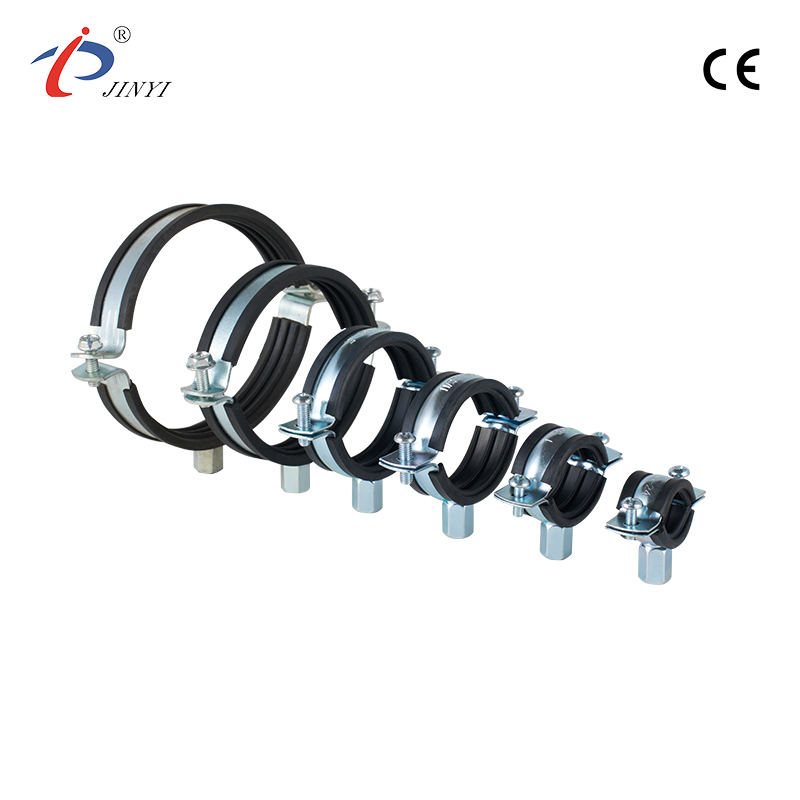
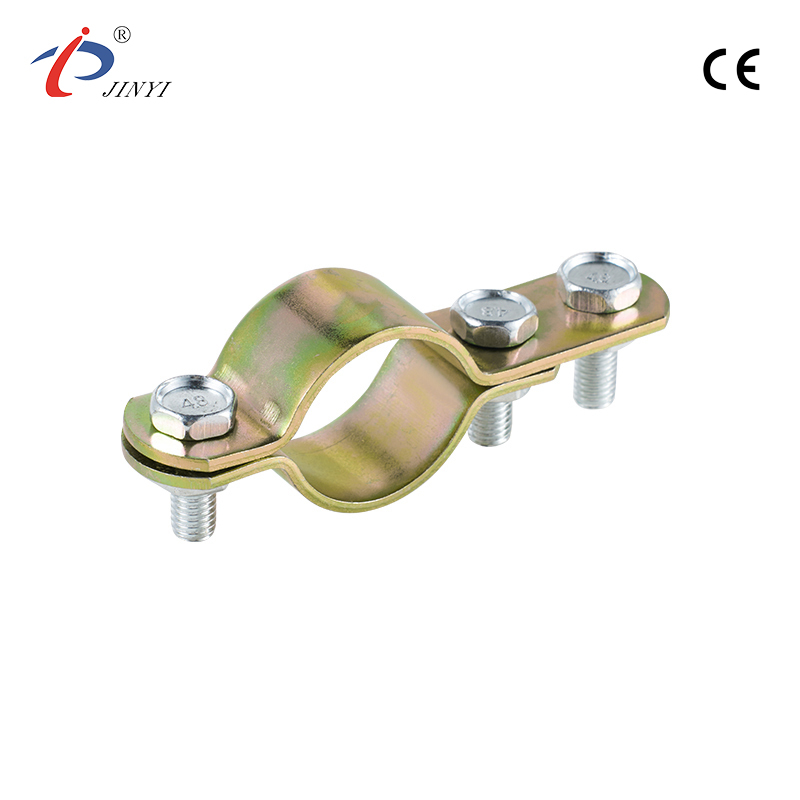
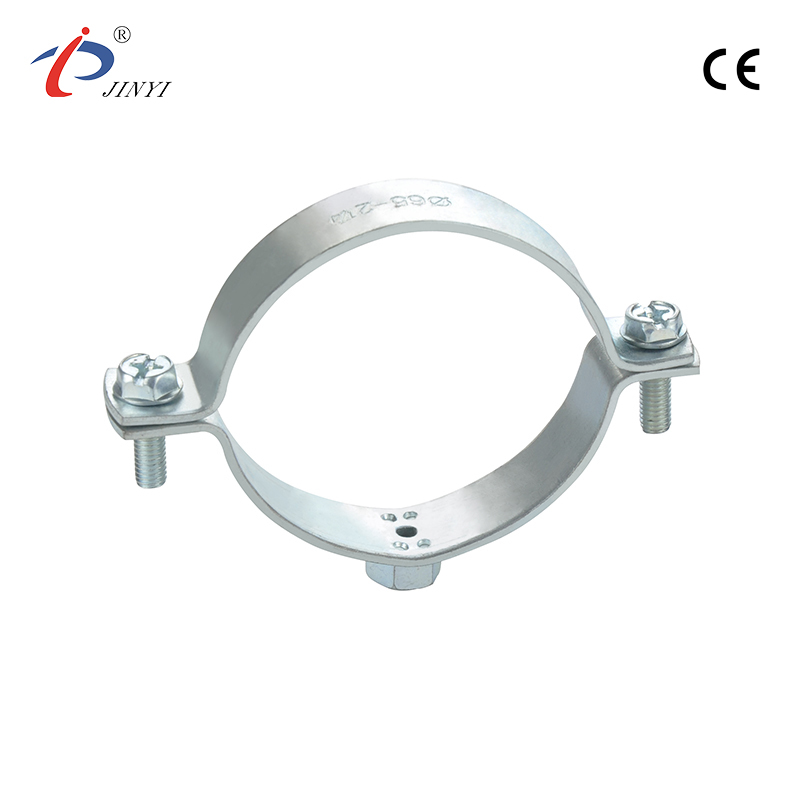
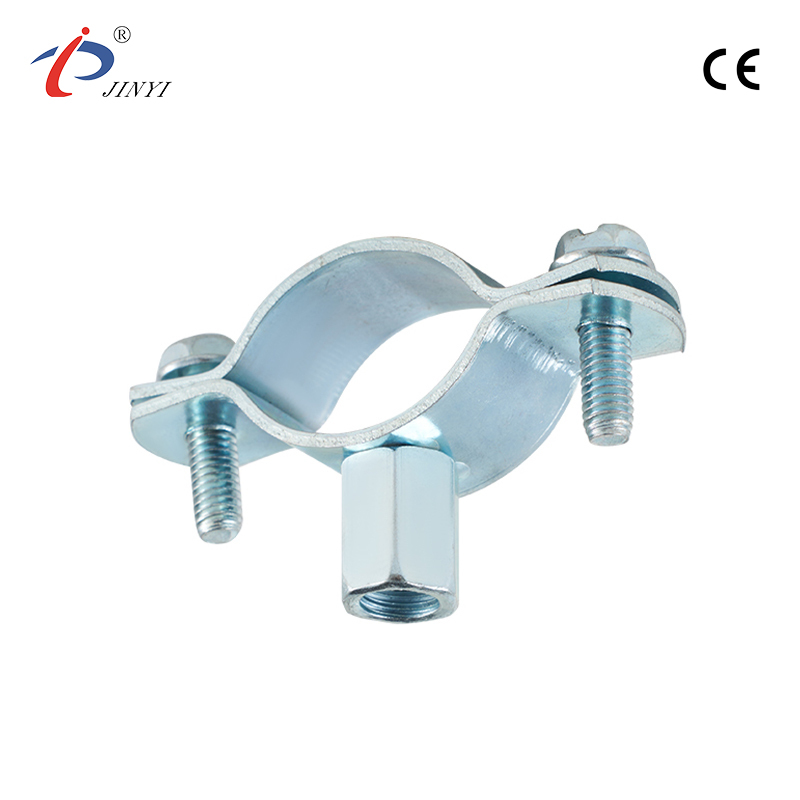
A shower tray support frame does not need to be complicated to be useful. It needs to match the room, sit level, hold steady, and stay that way with regular use. Those are basic requirements, but they shape the whole bathing experience more than many people expect.
A useful way to think about the job is to picture a normal weekday morning. The room is being used in a hurry, towels are being moved around, the floor may still be damp, and nobody is looking down at the hidden structure beneath the pan. That is exactly how it should feel when the work has been done with care. A good base disappears into the routine. It does not creak, shift, or make the room feel uncertain. People usually notice that kind of calm only after they have lived with a less steady setup somewhere else.
Small details can change that feeling more than many homeowners expect. If the pan sits just a touch off, the room may still look fine, but the experience will not feel quite right. Water may gather in the wrong place, cleaning may take longer, or the area may feel slightly awkward when someone steps in and out. None of those issues are dramatic by themselves. Together, though, they create a room that asks for more attention than it should. That is why the fitting beneath the surface deserves careful thought, even when the visible finish already looks complete.
It also helps to think about the way a bathroom changes over time. Fresh paint, new tile, and a clean finish can make a room feel new, but the parts below the surface are what help it stay that way. A base that remains steady through repeated use gives the rest of the room a chance to age more evenly. If the hidden parts are shaky, the visible work starts to lose its value sooner than expected. That is one reason experienced installers spend so much time on alignment and fixing, even when the parts themselves seem simple at first glance.
A final check before closing the room is also worth the effort. Look at the edges, the drain line, and the way the pan sits against the surrounding finish. Press down lightly at different points and listen for any sign that something has not settled properly. A sensible fit usually feels calm rather than forced. There is no rattle, no sideways movement, and no sense that one corner is trying to do more work than the others. That kind of balance is what people remember later, even if they never see the parts that made it possible.
The hidden base may be easy to overlook, but it plays a visible role in how the room performs every day. It affects steadiness, drainage, comfort, and long-term reliability. Choosing the right one, fitting it with care, and checking it from time to time are simple steps that make a real difference.
For homeowners planning a new bathroom or checking an older one, it makes sense to pay attention to the part underneath the surface. A quiet, stable base helps the rest of the room do its job without drama. And in a space that gets used every day, that kind of calm reliability is worth having.



- 210 Jinhai Avenue, Lupu Economic Development Zone, Yuhuan City, Taizhou City, Zhejiang Province.
- +86-576-87423248 / +86-576-87499120
- +86-17769979117 / +86-13750801289
- +86-576-87425996
- [email protected] / [email protected]

