


 русский
 Español
Can Better Pipe Clamp Design Help Manage Noise in Piping Systems?
2026-10-16
Noise in a piping system does not always originate from the equipment itself. Water flow, pressure changes, pump operation, and contact between pipes and supporting structures can all contribute to unwanted sound. When pipes are poorly supported or their movement is not properly managed, vibration may travel through the installation and become more noticeable. For buyers evaluating a Pipe Clamp Manufacturer, understanding the relationship between clamp structure, contact materials, and mounting conditions can help them choose components suited to their project requirements.
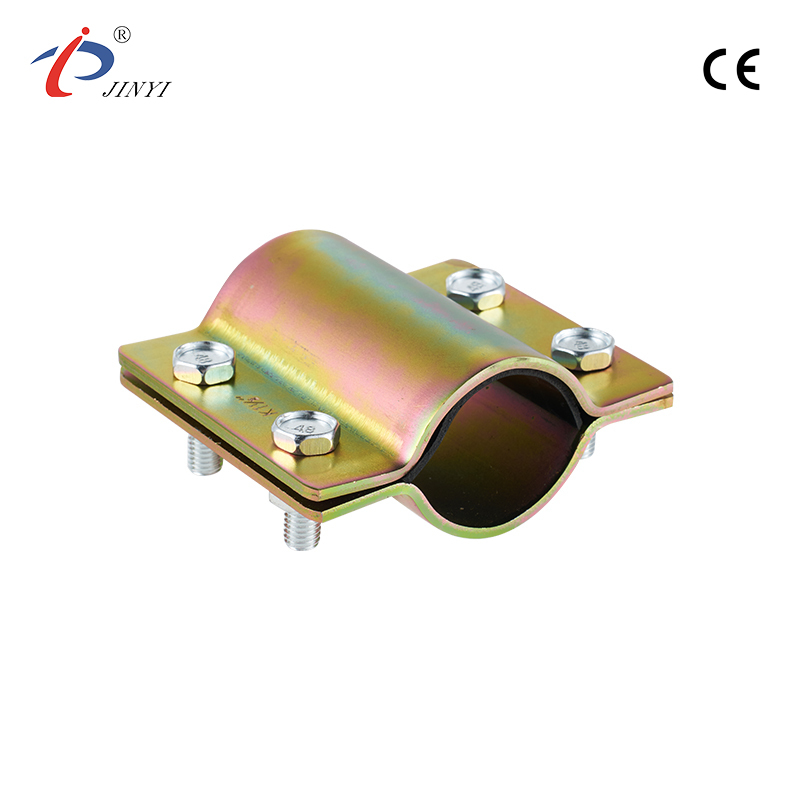
Pipe Contact Can Influence Vibration Transmission
A pipe clamp creates a connection between the pipe and its supporting structure. If the contact surface is unsuitable or the clamp is installed incorrectly, vibration may be transmitted more readily to surrounding components.
The result depends on several factors, including pipe material, operating conditions, support spacing, and the stiffness of the mounting structure. A clamp alone cannot eliminate every source of piping noise, but an appropriate design can help manage the contact between the pipe and its support.
Manufacturers should therefore consider how the clamp holds the pipe, how pressure is distributed around the contact area, and whether the intended application requires a rigid or more compliant interface.
Choosing the Right Lining Material
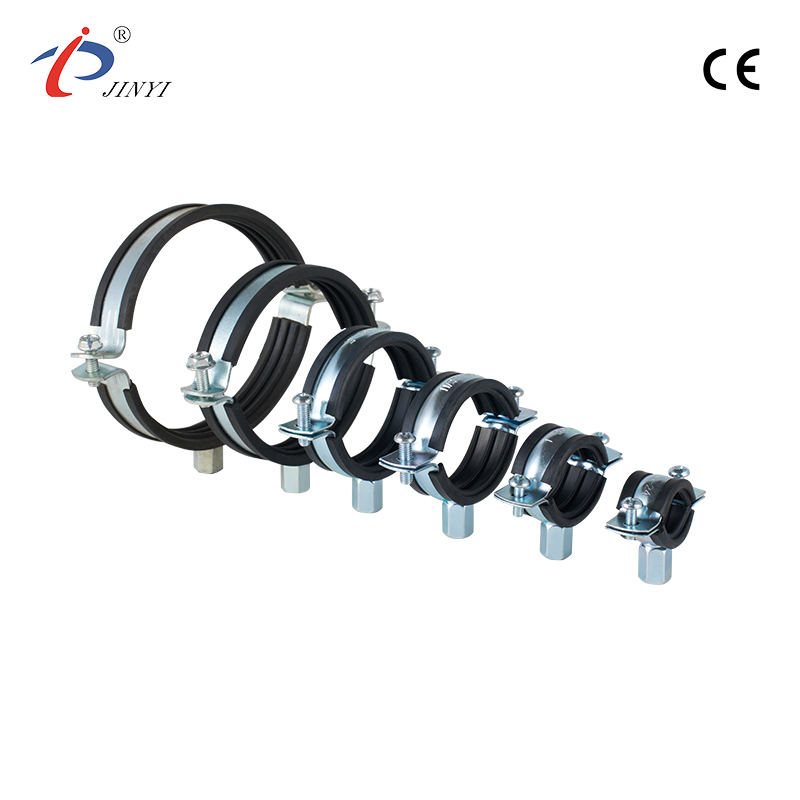
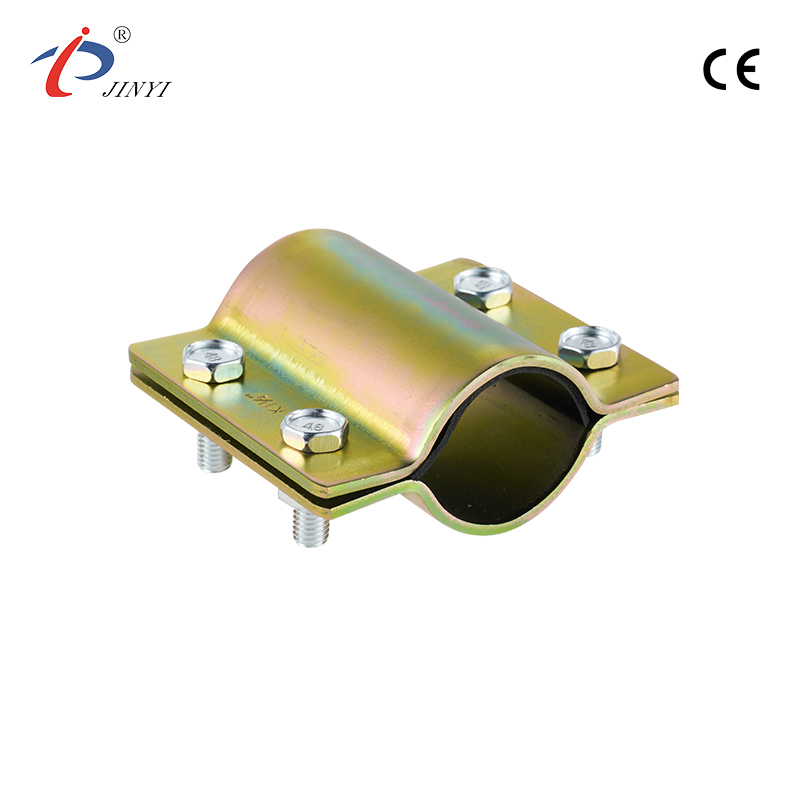
Some pipe clamps use an internal liner to separate the pipe from the metal clamp body. Depending on its material and construction, the liner may help reduce direct contact, protect the pipe surface, or accommodate minor differences in fit.
However, liner selection requires more than choosing a soft material. The liner must suit the pipe diameter, operating temperature, surrounding environment, and expected loading conditions. A material that compresses excessively may affect retention, while one that is unsuitable for the environment may deteriorate over time.
For procurement teams, useful questions include whether the liner is replaceable, how it is secured inside the clamp, and which operating conditions the product is intended to handle. These details help clarify the function of the lined clamp before it enters production or installation.
Clamp Pressure Needs to Match the Application
A clamp must hold the pipe securely without creating unnecessary pressure on the pipe wall or its protective surface. Excessive tightening may damage certain pipe materials or deform a liner, while insufficient tightening can allow unwanted movement.
The appropriate clamping arrangement depends on the product design, pipe material, installation method, and required support function. Manufacturers should define the intended fastening method and provide clear installation guidance rather than assuming that every clamp can be tightened in the same way.
Buyers should also distinguish between clamps intended to fix a pipe in position and those designed to guide movement. This distinction matters in systems where thermal expansion or other operating movement needs to be accommodated.
What Should Buyers Review in a Noise-Control Application?
When a piping project includes vibration or noise concerns, product selection should be based on the complete installation rather than the clamp alone. Buyers can review several practical points before confirming an order:
- Whether a lined or unlined clamp is appropriate
- Compatibility between the liner and pipe material
- Operating temperature and environmental exposure
- Required pipe restraint or movement allowance
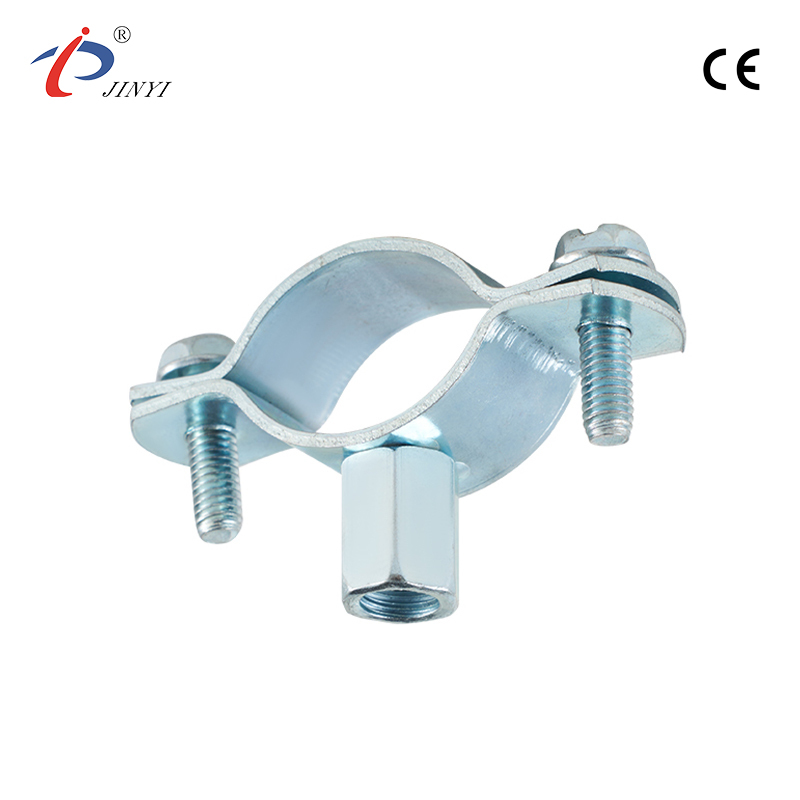
- Mounting hardware and support structure
- Availability of relevant product drawings and installation instructions
These checks help clarify whether the selected clamp addresses the actual contact or support issue. If noise originates from the pump, flow conditions, or another system component, a different corrective measure may also be necessary.
Geometry Influences Fit and Contact
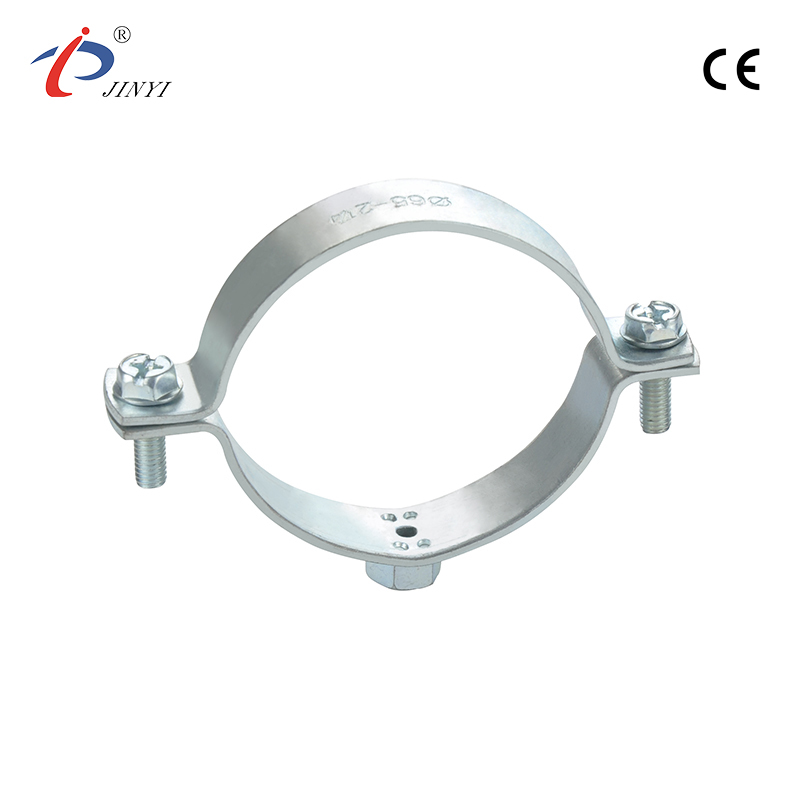
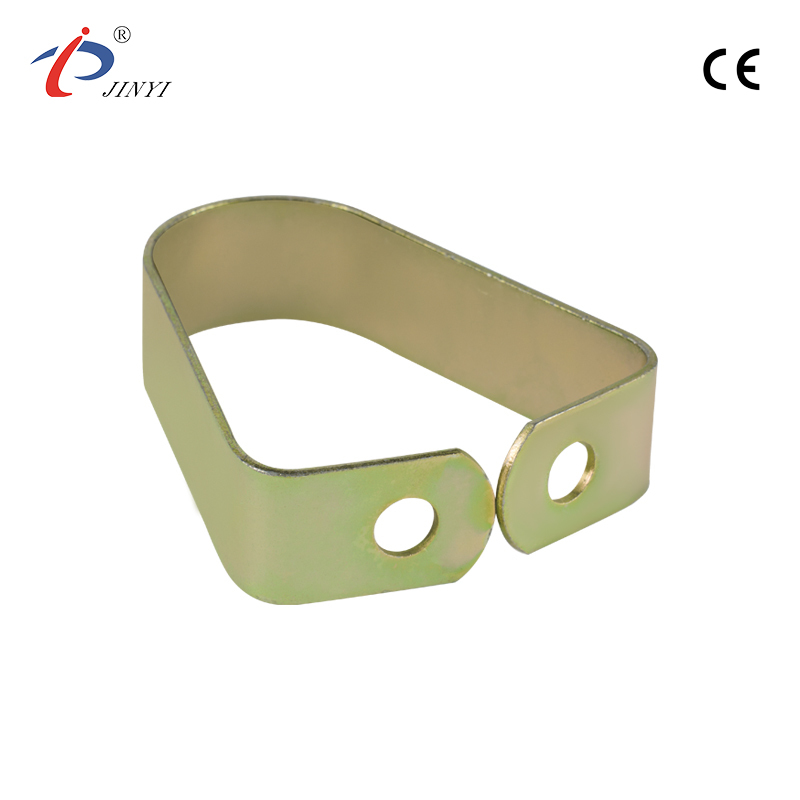
Clamp shape determines how the component surrounds the pipe and connects to the mounting point. Inconsistent forming or poorly positioned fastening holes can make installation difficult and affect the way the clamp contacts the pipe.
During product development, manufacturers should review the relationship between clamp curvature, pipe diameter, liner thickness, and fastening geometry. The design should provide a suitable fit for the specified pipe range while allowing practical access for installation.
For custom projects, sharing drawings and dimensional requirements early can help identify potential interference with adjacent components. This is particularly useful when clamps must fit within restricted equipment spaces or repeated mounting arrangements.
Production Checks Help Maintain Performance
A well-designed sample does not guarantee that every production batch will have the same fit and finish. For lined pipe clamps, inspection may need to cover both the metal body and the contact material.
A manufacturing quality process can include checks for formed dimensions, hole position, surface treatment, liner placement, and assembly consistency. The relevant inspection criteria should reflect the approved product specification and its intended application.
Maintaining clear production records also helps manufacturers investigate variations and manage repeat orders. For overseas buyers, consistent specifications and inspection procedures provide a more dependable basis for sourcing products in volume.
Consider the Entire Support Arrangement
Noise management in piping systems involves the interaction of equipment, pipework, supports, and surrounding structures. A suitable clamp can contribute to better pipe restraint and contact management, but its effectiveness depends on how it is selected and installed.
For overseas distributors, engineering teams, and project buyers, working with a Pipe Clamp Manufacturer that understands material options, liner construction, clamp geometry, and application requirements can make product selection more precise. Defining the source of the problem and the required support function first helps ensure that the chosen clamp serves a practical purpose rather than simply adding another component to the system.


- 210 Jinhai Avenue, Lupu Economic Development Zone, Yuhuan City, Taizhou City, Zhejiang Province.
- +86-576-87423248 / +86-576-87499120
- +86-17769979117 / +86-13750801289
- +86-576-87425996
- [email protected] / [email protected]

