

 русский
 Español
How Can Pipe Clamp Design Protect Different Pipe Surfaces?
2026-10-23
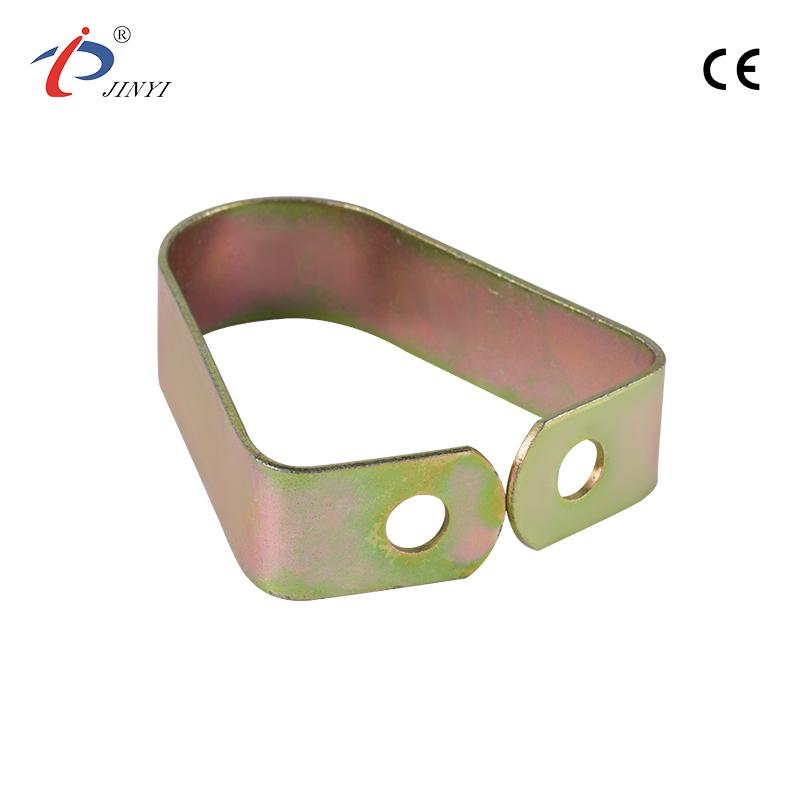
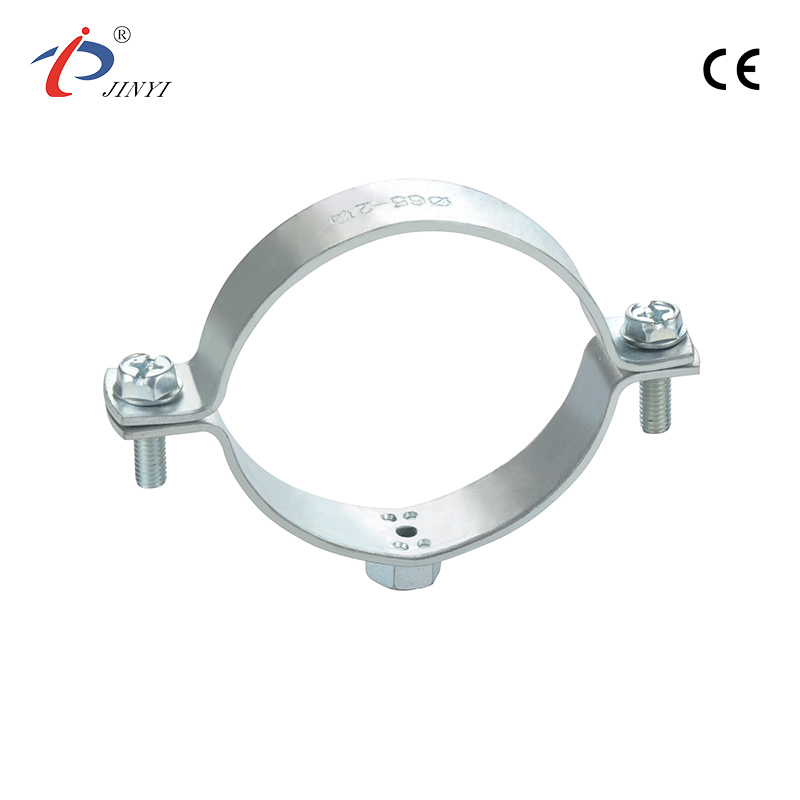
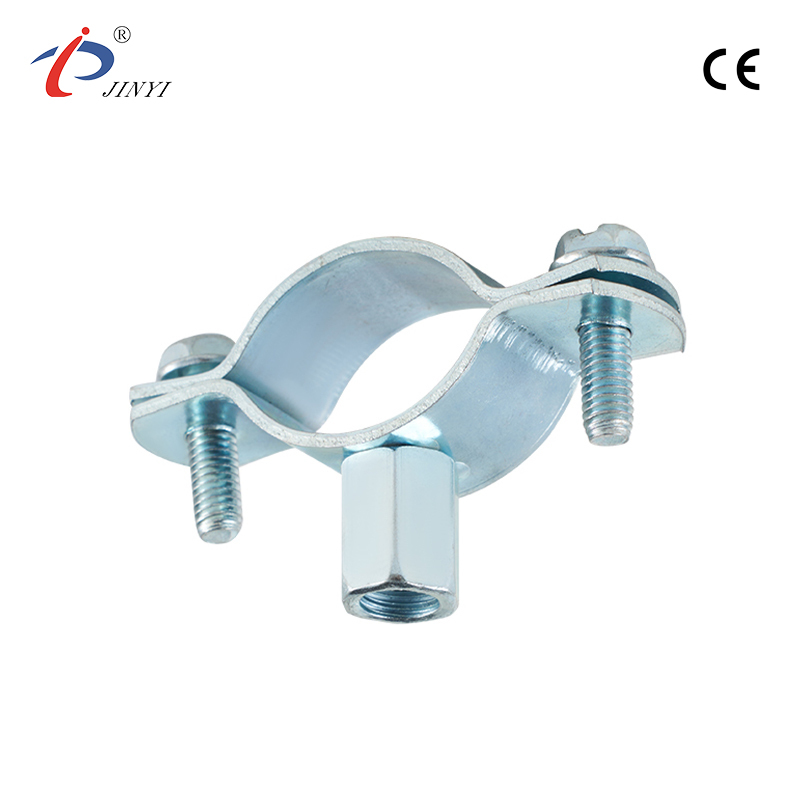
Pipe clamps must hold pipes securely, but the contact between the clamp and the pipe also deserves careful attention. Metal pipes, plastic pipes, coated tubing, and insulated lines can respond differently to clamping pressure and surface contact. A design that works well for one application may not be suitable for another. For overseas buyers, working with a capable Pipe Clamp Manufacturer means considering pipe material, surface condition, fastening requirements, and the operating environment before confirming a product specification.
Different Pipe Materials Need Different Contact Considerations
Pipe material influences how a clamp should be designed and installed. A rigid metal pipe may tolerate a different contact arrangement from a plastic pipe that can deform under excessive pressure. Pipes with painted or coated surfaces may also require additional attention to prevent damage during installation and use.
Manufacturers should consider the pipe's outside diameter, surface finish, stiffness, and intended operating conditions when developing a clamp. Buyers can help by identifying the actual pipe material instead of providing diameter information alone. This allows the manufacturer to assess whether a standard clamp is suitable or whether a different contact structure may be needed.
Surface Protection Begins With the Clamp Interior
The inner surface of a clamp can influence how pressure is distributed around the pipe. Rough edges, burrs, or unsuitable contact materials may damage certain pipe surfaces, particularly when the clamp is tightened or when movement occurs during operation.
A properly designed contact area can help reduce direct abrasion and improve the fit between the clamp and the pipe. Depending on the application, this may involve deburring, suitable surface finishing, a protective liner, or a revised clamp profile.
For buyers, inspecting the inner surface of a sample is an important step. The exterior finish may look acceptable while the contact area still requires closer examination.
When Is a Lined Pipe Clamp Appropriate?
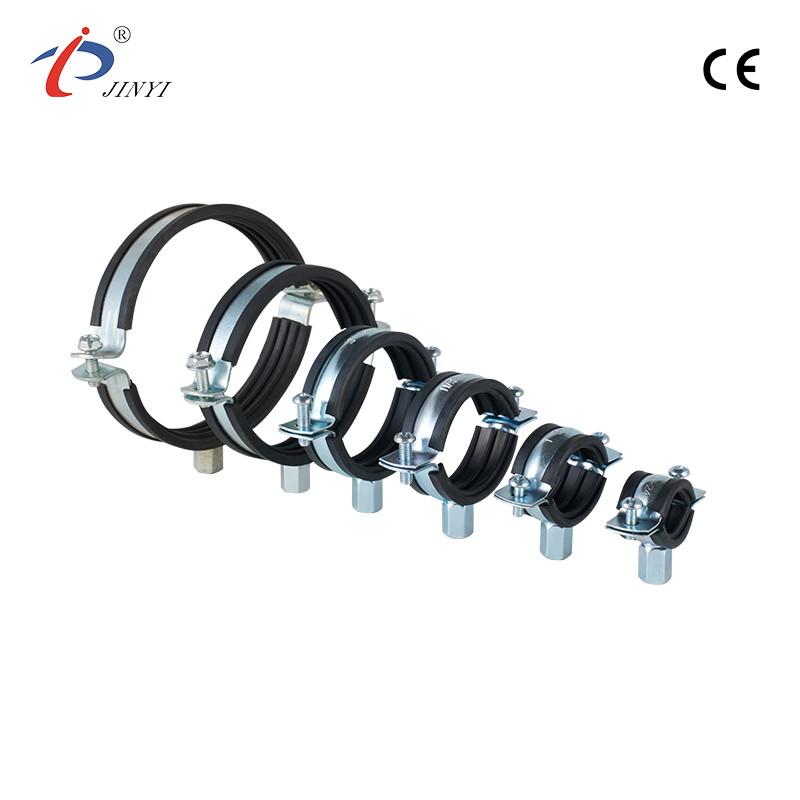
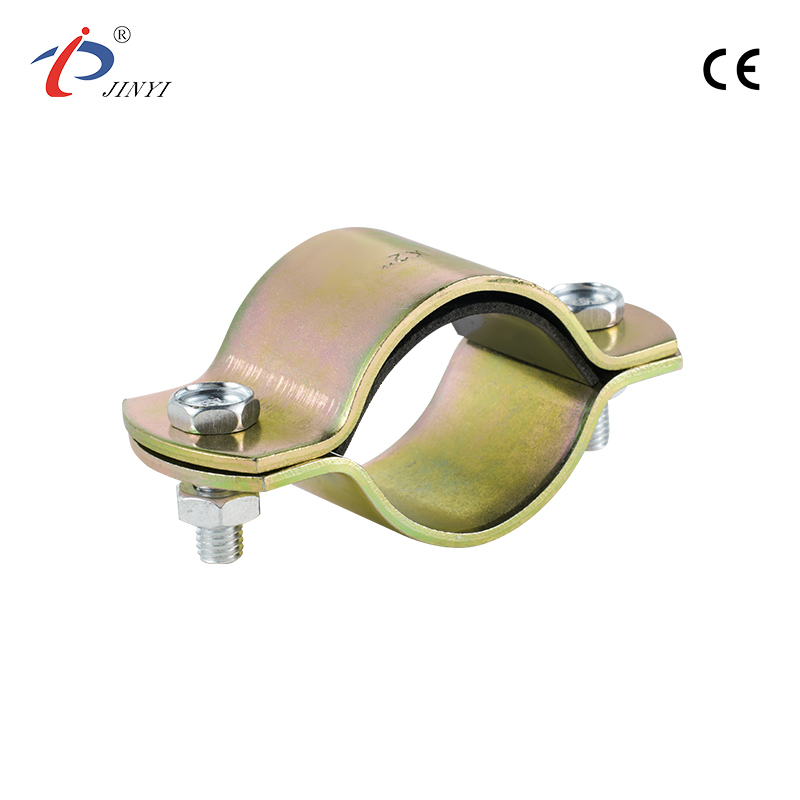
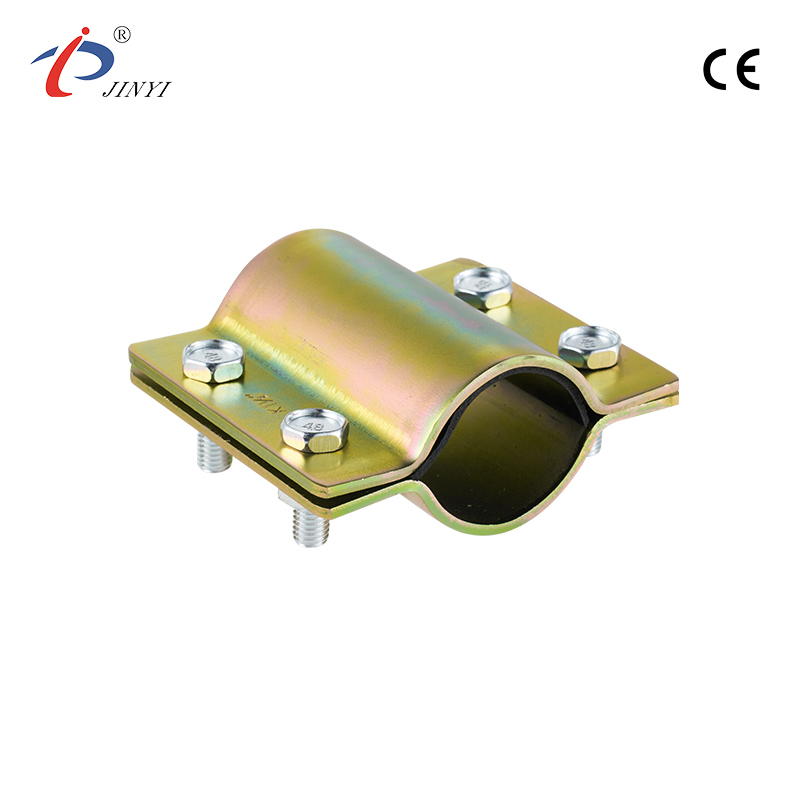
A lined pipe clamp may be useful when the application calls for a softer contact surface, reduced direct metal-to-pipe contact, or additional accommodation around the pipe. However, a liner is not automatically necessary for every installation.
The appropriate choice depends on pipe material, operating temperature, environmental exposure, loading, and whether the pipe needs to move during operation. The liner must remain compatible with these conditions and should not interfere with the clamp's intended holding function.
Before ordering, buyers should confirm:
- Whether the pipe surface requires additional protection
- The liner material and its temperature suitability
- The available pipe diameter range
- The expected level of movement during operation
- Whether the liner is fixed, removable, or replaceable
- Any relevant limitations stated in the product specification
These details help buyers choose a clamp based on actual requirements rather than assuming that all lined products provide the same performance.
Coatings and Finishes Should Match the Environment
The clamp's own surface finish matters as well. Moisture, cleaning procedures, outdoor exposure, and contact with other materials can influence which finish is appropriate for a particular installation.
Manufacturers should distinguish between the material used for the clamp body and any protective coating applied to it. These are separate aspects of the product specification and should be evaluated according to the intended environment.
For procurement teams, describing where the clamp will be installed can help narrow the available options. A product intended for a dry indoor equipment room may have different finish requirements from one exposed to outdoor moisture or frequent cleaning.
Custom Dimensions Can Improve Installation Compatibility
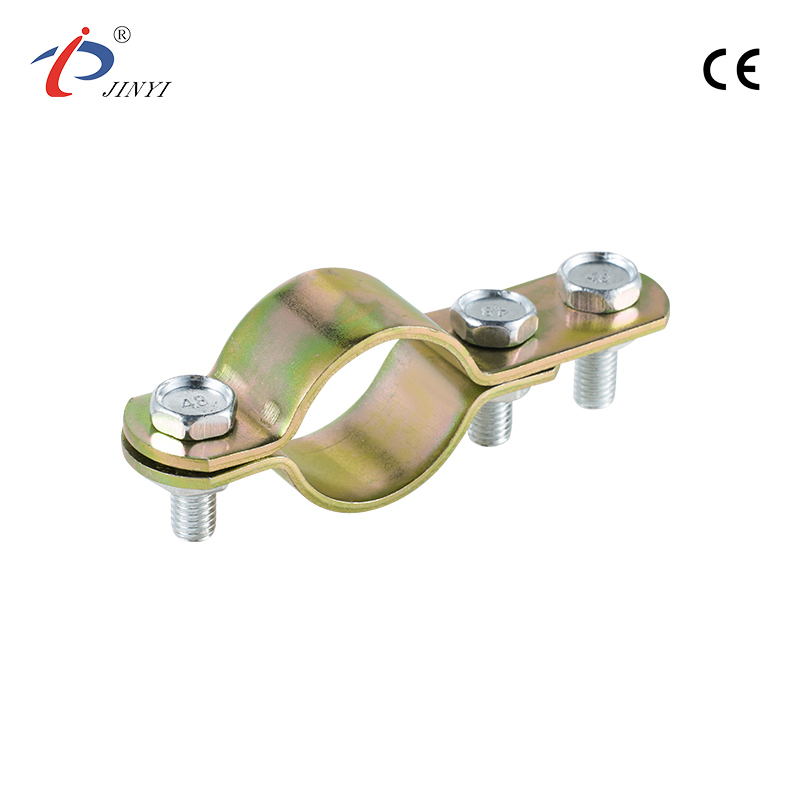
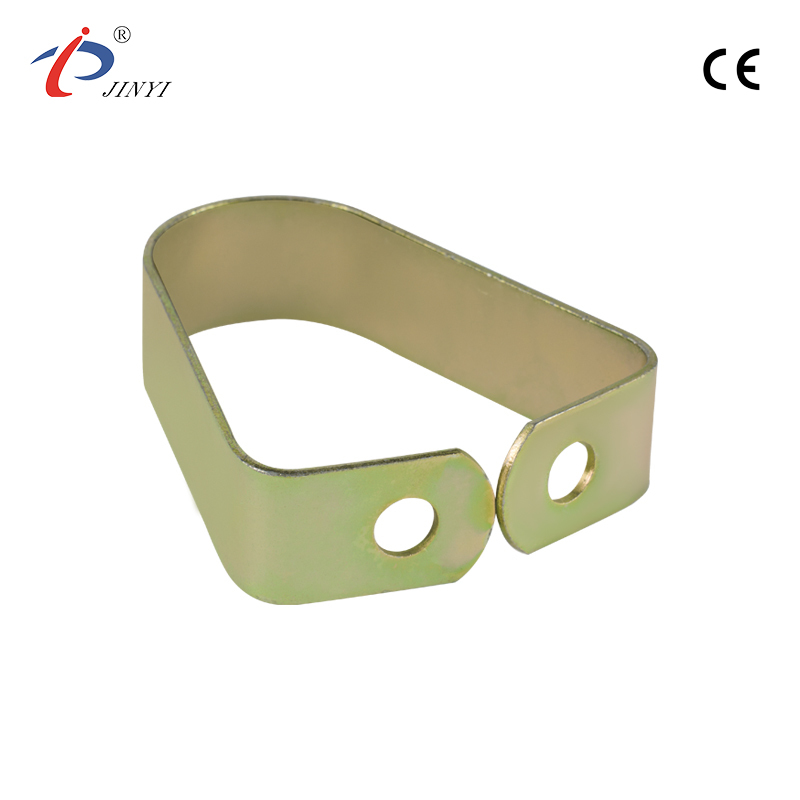
Standard pipe clamps are suitable for many common applications, but some projects involve unusual pipe dimensions, limited mounting space, insulation layers, or specific fastening arrangements. In these cases, customization may help resolve fit problems that cannot be addressed by choosing a different standard size.
A manufacturer developing a custom clamp should review the pipe dimensions, required clearance, mounting-hole position, fastening method, and contact material together. Adjusting only one dimension without checking the complete assembly can create new interference or installation problems.
Buyers can support the development process by supplying technical drawings, sample components, or clearly documented measurements. Confirming these details before production helps establish a more reliable reference for both parties.
Manufacturing Inspection Should Cover Critical Contact Areas
Dimensional accuracy is important, but it is not the only factor affecting clamp suitability. Forming consistency, edge condition, hole alignment, coating coverage, and liner installation can all influence the finished product.
A practical manufacturing inspection process may include checking the clamp's internal profile, measuring key dimensions, inspecting edges for burrs, and confirming that protective components are assembled correctly. For customized orders, inspection criteria should be linked to the approved drawings and product requirements.
Consistent checks also help reduce variation between samples and repeat production batches, which is especially important for buyers sourcing multiple sizes or configurations.
Choose a Clamp That Fits the Complete Application
Protecting a pipe surface requires the right combination of clamp geometry, contact material, fastening method, and environmental suitability. No single design is appropriate for every pipe type, so product selection should begin with the actual installation conditions.
For overseas distributors, contractors, and industrial buyers, working directly with a Pipe Clamp Manufacturer can help translate pipe dimensions and surface-protection requirements into a practical specification. By evaluating the clamp body, liner options, surface finish, and mounting details as one assembly, manufacturers can provide solutions better aligned with the needs of different piping applications.

- 210 Jinhai Avenue, Lupu Economic Development Zone, Yuhuan City, Taizhou City, Zhejiang Province.
- +86-576-87423248 / +86-576-87499120
- +86-17769979117 / +86-13750801289
- +86-576-87425996
- [email protected] / [email protected]

