

 русский
 Español
How Can the Right Pipe Clamp Simplify Piping System Maintenance?
2026-10-30
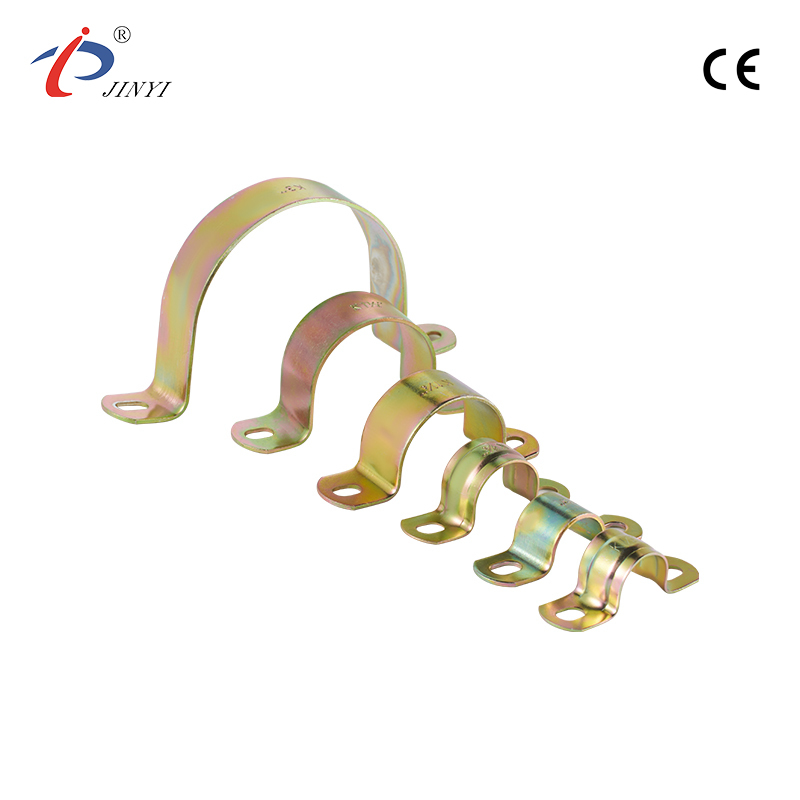
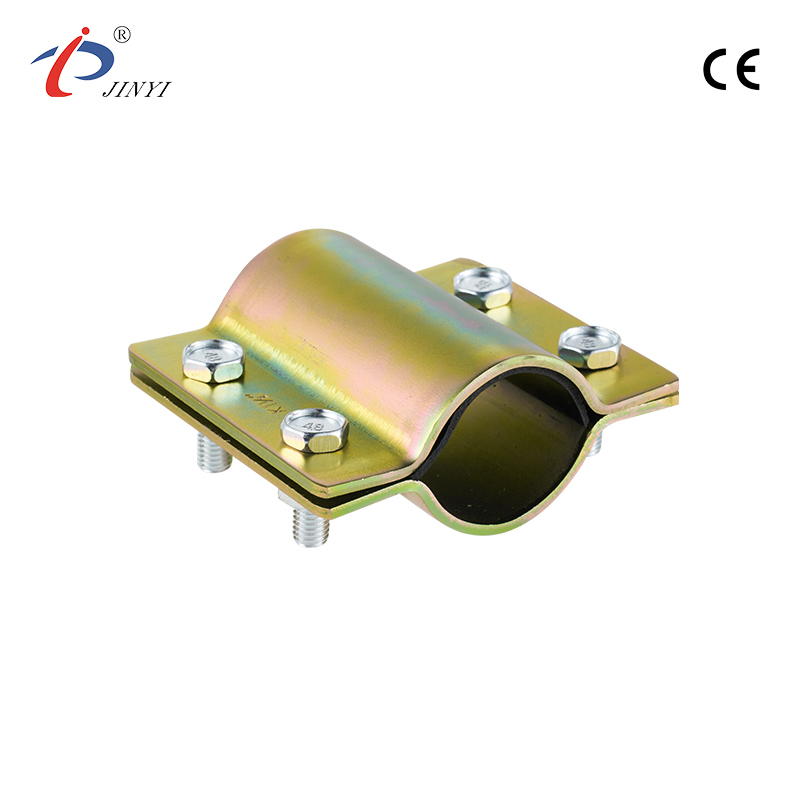
Piping systems may remain in service for years, but their support components can eventually require inspection, adjustment, or replacement. Corrosion, damaged fasteners, changes to pipe routing, and maintenance access requirements can all lead to clamp replacement work. For facility operators, maintenance contractors, and wholesale buyers, choosing a suitable Pipe Clamp Manufacturer is not only about sourcing a replacement part. It also involves ensuring that the new clamp fits the existing pipe, mounting arrangement, and operating conditions without creating unnecessary installation work.
Inspect the Existing Installation Before Ordering
A replacement clamp should not be selected solely by comparing its appearance with the original component. Older installations may contain nonstandard dimensions, modified mounting points, or additional insulation that was not included in the original design.
Before placing an order, maintenance teams should record the pipe's outside diameter, the mounting method, the available clearance, and the condition of nearby components. If the original clamp has deformed or corroded, its current shape may not accurately represent the required dimensions.
Manufacturers can use these details to determine whether a standard model is suitable or whether a revised configuration should be considered. Accurate measurements at the beginning can help reduce fitting problems when replacement parts arrive.
Compatibility Involves More Than Pipe Diameter
Even when a new clamp matches the pipe diameter, its mounting dimensions may differ from the existing support. Hole spacing, bolt size, clamp height, and the position of the mounting point can all affect installation.
For replacement projects, buyers should compare the complete connection arrangement rather than checking one measurement in isolation. A technical drawing or clear photographs with measurements can help communicate the requirements more accurately.
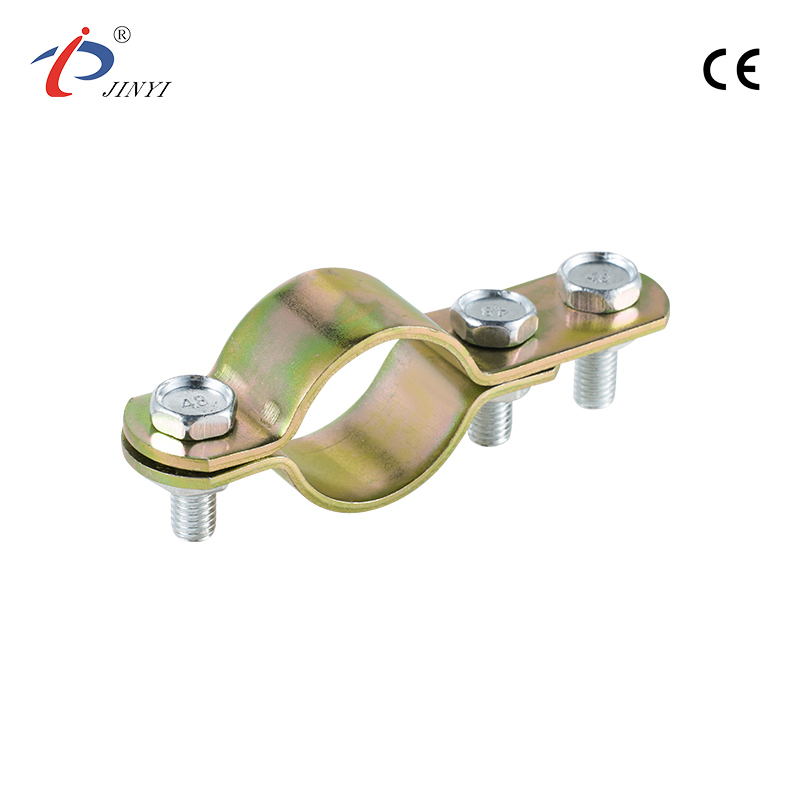
A Pipe Clamp Manufacturer can then assess the relationship between the clamp body, fasteners, and mounting structure. Where modifications are necessary, buyers should confirm the proposed changes before production so that the replacement component does not introduce avoidable adjustments on site.
Consider Why the Original Clamp Needs Replacing
The condition of a failed or damaged clamp may reveal an issue that should be addressed before a replacement is selected. Surface deterioration could indicate that the original material or finish was unsuitable for the environment. Distortion may point to excessive loading, incorrect installation, or an unsuitable product configuration.
Replacement should therefore involve more than reproducing the original shape. Buyers should review the likely cause of the problem and determine whether the existing specification remains appropriate.
Useful points to check include:
- Visible corrosion or deterioration of the clamp body
- Damaged threads, bolts, or mounting points
- Deformation around the pipe contact area
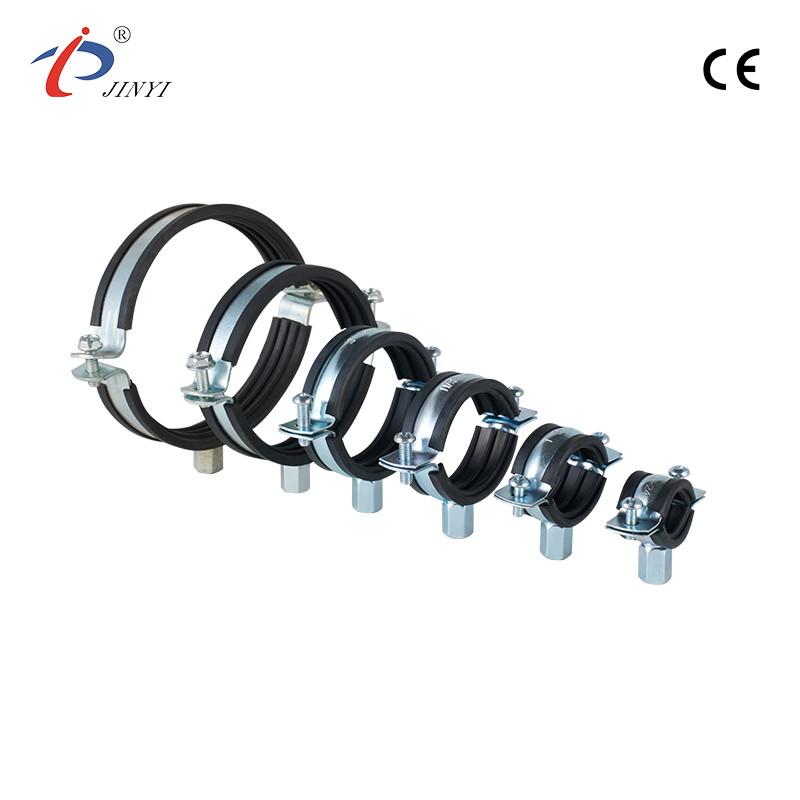
- Deterioration or displacement of any liner
- Changes in pipe insulation or routing
- Evidence of movement that the support arrangement may not accommodate
These observations help establish whether the replacement should retain the original design or use a different configuration.
Maintenance Access Should Influence Product Selection
Clamps installed in crowded mechanical rooms, service shafts, or equipment enclosures may be difficult to reach. If a component requires frequent inspection or adjustment, fastening accessibility becomes an important practical consideration.
Manufacturers should consider how the clamp is assembled and whether the fastening arrangement allows the intended installation method. Buyers should assess available tool clearance, access to bolts, and the space needed to remove the component during future maintenance.
A compact design can be useful in restricted areas, but reduced dimensions should not compromise the clamp's required support function. The complete installation must remain accessible enough for appropriate inspection and servicing.
Plan Replacement Parts Around Actual Requirements
For facilities with multiple piping sections, keeping suitable spare clamps can reduce delays when maintenance is needed. However, purchasing large quantities of an unsuitable or poorly documented model can create additional inventory problems.
A practical spare-parts plan begins with identifying the clamp types used across the installation. Each type should be recorded with its dimensions, material, finish, mounting details, and intended application.
Manufacturers can support this process by providing consistent product identification and clear specification sheets. For buyers managing several projects, standardized records also make repeat ordering easier and help distinguish similar-looking clamps with different mounting requirements.
Manufacturing Consistency Matters for Repeat Orders
A replacement part must match the approved specification, particularly when several clamps are needed for the same maintenance project. Variations in formed dimensions, hole positions, surface treatment, or accessory configuration can complicate installation.
A manufacturer should establish inspection checks for the dimensions and components that determine compatibility. For customized clamps, the approved drawing should serve as the reference for production and final inspection.
Maintaining clear records of the product configuration can also help when buyers need the same part again months or years later. This is especially valuable for distributors supplying maintenance teams that depend on consistent replacement components.
Make Replacement Decisions With the Full System in Mind
Successful pipe clamp replacement begins with understanding why the existing component needs attention and what the new part must accommodate. Pipe dimensions, mounting geometry, environmental exposure, maintenance access, and support requirements should all inform the final specification.
For overseas procurement teams, working with a Pipe Clamp Manufacturer that can review drawings, assess dimensional requirements, and maintain consistent production records makes replacement sourcing more manageable. A well-documented selection process helps reduce compatibility problems and supports more organized maintenance across piping systems.

- 210 Jinhai Avenue, Lupu Economic Development Zone, Yuhuan City, Taizhou City, Zhejiang Province.
- +86-576-87423248 / +86-576-87499120
- +86-17769979117 / +86-13750801289
- +86-576-87425996
- [email protected] / [email protected]

