


 русский
 Español
Upgrading Older Heating Systems? How Can a Decoupling Tank Support Heat Pump Integration?
2026-11-20
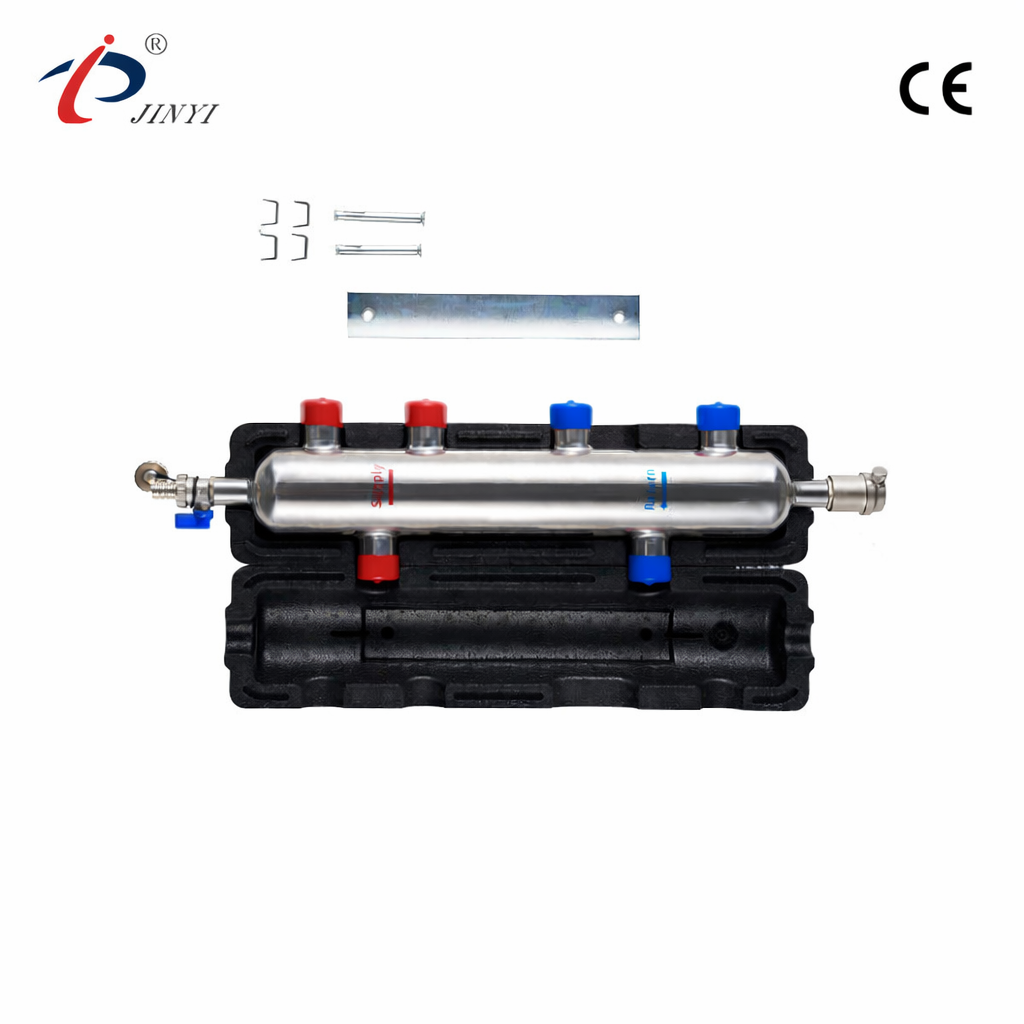
Replacing traditional boilers with heat pump systems is becoming an important consideration in commercial building renovation. However, upgrading the heat source does not always mean the existing hydronic distribution network can be used without modifications. Differences in water flow requirements, operating temperatures, and circulation control can create challenges during installation. For HVAC contractors and project engineers, a Decoupling Tank offers a practical hydraulic solution that helps connect new heat pump equipment with existing heating circuits while maintaining independent circulation conditions.
Why Is Replacing a Boiler with a Heat Pump Not Always Straightforward?
Traditional boiler systems and modern heat pumps operate under different design conditions. Existing heating networks may have been designed around relatively high water temperatures and constant circulation, whereas heat pumps often operate with variable output and lower supply water temperatures.
When a new heat pump is connected directly to an older distribution system, changes in pump operation and zone demand may affect the required water flow through the heat exchanger.
Before beginning a retrofit project, engineers should evaluate:
- Existing pipe dimensions and hydraulic resistance.
- Circulation pump capacity and operating characteristics.
- Heating terminal compatibility with lower water temperatures.
- Minimum water flow requirements of the selected heat pump.
Understanding these factors helps prevent installation problems that could otherwise affect system performance.
How Does a Decoupling Tank Help Connect Different Heating Circuits?
In a retrofit installation, the primary circuit generally serves the heat pump, while the secondary circuit distributes heated water to radiators, fan coil units, or underfloor heating systems.
A Decoupling Tank provides hydraulic separation between these circuits. This allows the primary and secondary pumps to operate according to their respective flow requirements instead of directly influencing each other's operation.
For example, when several heating zones close their control valves, secondary-side flow may decrease. Hydraulic separation helps prevent this change from directly restricting circulation through the heat pump, provided the primary circuit is properly designed.
This arrangement gives contractors more flexibility when integrating new equipment into existing hydronic networks.
Can It Help Reduce Pumping and Control Conflicts?
Pump interaction is a common design consideration in systems with multiple circulation circuits. When pumps operate in interconnected piping without suitable hydraulic separation, changes in differential pressure can influence flow distribution.
A correctly configured decoupling arrangement helps reduce this interaction by creating a low-resistance connection between the primary and secondary circuits.
However, hydraulic separation does not automatically guarantee lower electricity consumption. Pump selection, variable-speed control, pressure settings, and system balancing still determine actual pumping performance.
Engineers should therefore consider the tank together with the complete circulation and control strategy.
What Should Engineers Consider When Working with Existing Pipework?
Not every retrofit project requires the same tank configuration. Some buildings retain their original radiators, while others introduce new underfloor heating circuits or fan coil units.
These different terminal systems may require different flow rates and operating temperatures.
A practical evaluation should include:
- Temperature requirements: Determine whether existing heat emitters can provide sufficient heating with the proposed heat pump supply temperature.
- Flow distribution: Calculate the expected primary and secondary flow rates under different operating conditions.
- Connection arrangement: Match tank connections with the existing and newly installed pipework.
- Installation limitations: Check available mechanical room space, maintenance access, and piping orientation.
These details help establish whether the proposed equipment can be integrated without unnecessary changes to the distribution network.
Why Should Tank Capacity and Hydraulic Design Be Evaluated Together?
One important consideration during heat pump retrofits is the difference between hydraulic separation and thermal buffering.
A Decoupling Tank can help separate circulation circuits, but its required water volume depends on the specific system design. Some heat pump manufacturers also specify minimum system water volume or minimum operating time requirements.
If additional thermal capacity is needed to reduce compressor cycling or support defrost operation, the tank configuration and volume should be evaluated accordingly.
Simply installing a larger vessel does not guarantee better performance. The selection should reflect heat pump specifications, system load variation, available installation space, and control requirements.
How Can Manufacturers Support Retrofit Project Requirements?
For distributors, HVAC contractors, and engineering companies, working with a manufacturer that understands hydronic system configurations can simplify equipment selection.
As a Decoupling Tank manufacturer, we consider application conditions such as working pressure, operating temperature, connection size, tank dimensions, and required water volume when discussing project requirements.
Different retrofit projects may require different connection layouts or vessel specifications. Reviewing these details before production helps ensure that the selected equipment is compatible with the intended installation.
Clear technical communication between manufacturers, designers, and contractors also helps reduce avoidable adjustments during installation.
Preparing Existing Buildings for Modern Heating Technology
Heat pump integration involves more than replacing an old boiler with a new heating unit. Existing pipework, circulation conditions, terminal equipment, and control strategies all influence the final system configuration.
A properly selected Decoupling Tank can help bridge the hydraulic differences between new heat sources and existing distribution networks. For commercial building owners and HVAC project buyers, evaluating hydraulic separation early in the retrofit process can support a more practical and reliable heating system upgrade.


- 210 Jinhai Avenue, Lupu Economic Development Zone, Yuhuan City, Taizhou City, Zhejiang Province.
- +86-576-87423248 / +86-576-87499120
- +86-17769979117 / +86-13750801289
- +86-576-87425996
- [email protected] / [email protected]

