


 русский
 Español
What Should Engineers Consider When Selecting Pipe Clamps for Industrial Piping Systems?
2026-10-02
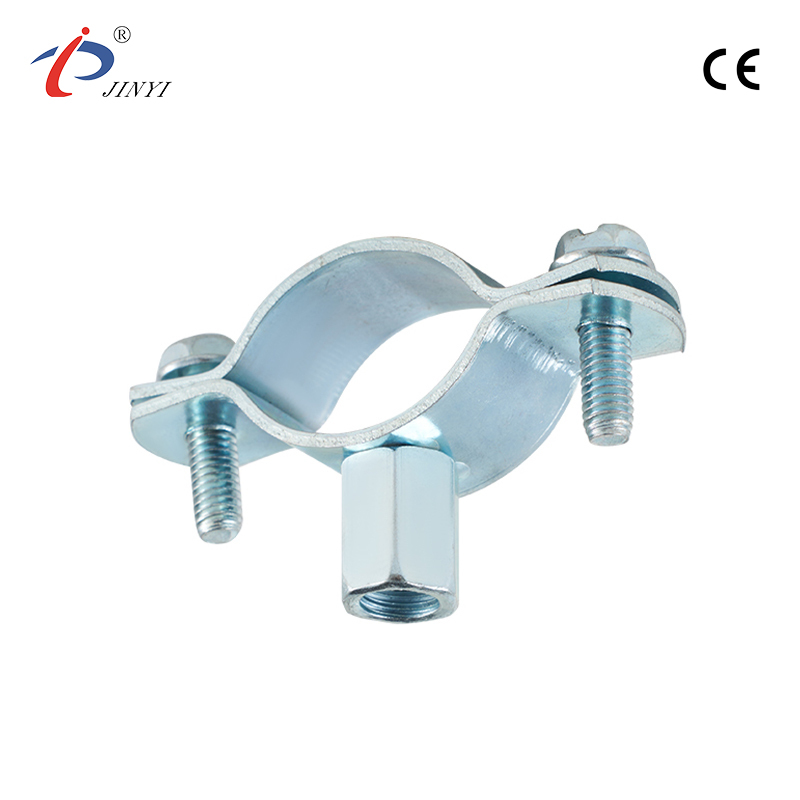
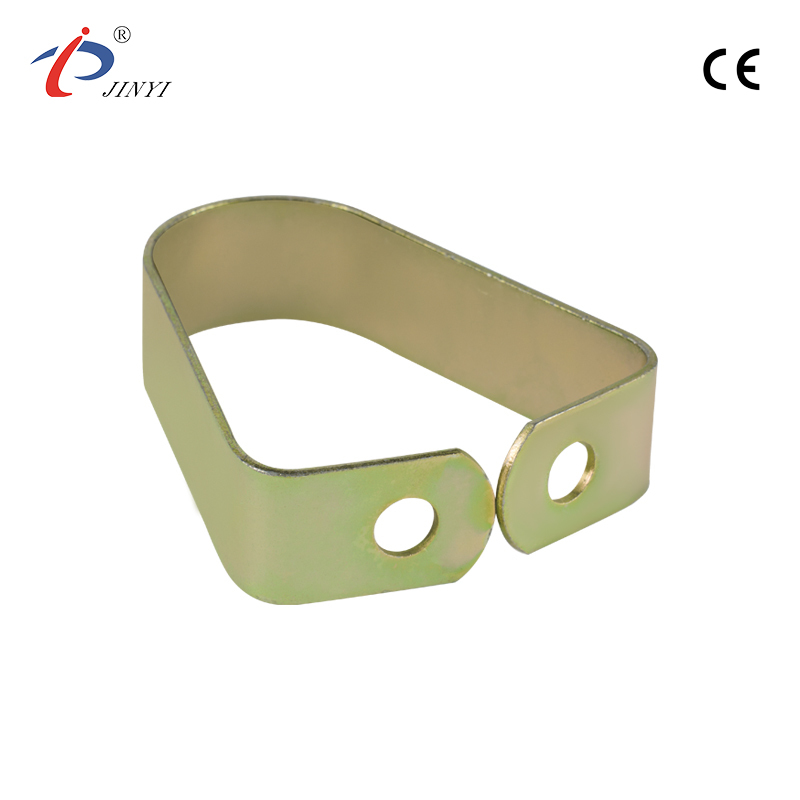
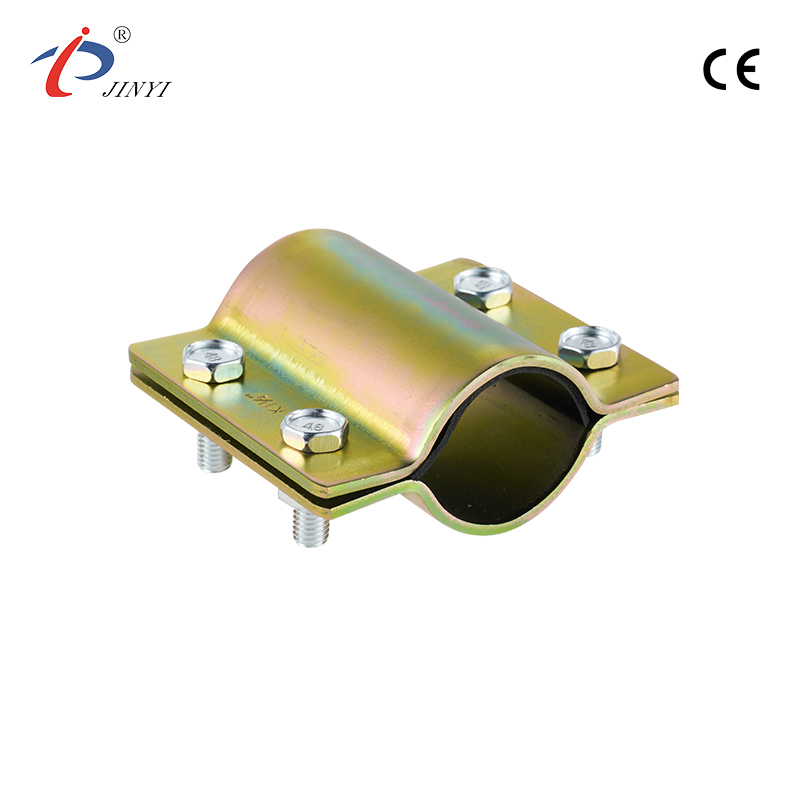
Pipe support is easy to overlook during the early stages of a piping project, yet the wrong support arrangement can affect alignment, vibration behavior, thermal movement, and maintenance access. Current piping engineering guidance continues to treat support spacing, restraint, flexibility, vibration, and thermal expansion as connected design considerations rather than isolated details. For contractors, EPC companies, distributors, and maintenance teams, choosing a Pipe Clamp Manufacturer should therefore involve more than checking pipe diameter and unit price.
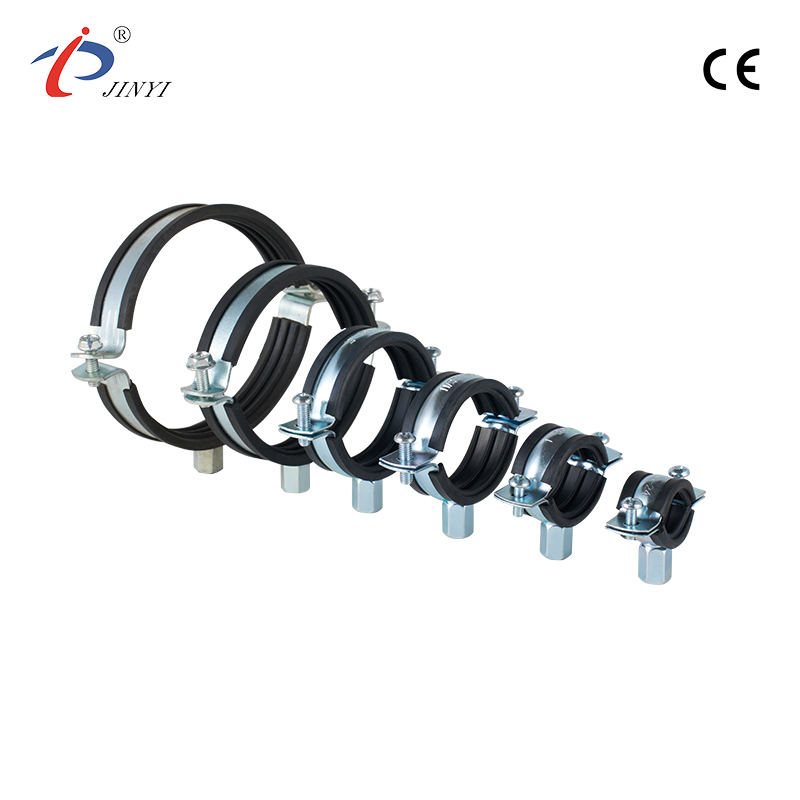
Start With the Pipe and Operating Conditions
The first step is to understand what the clamp actually needs to support. Pipe material, outside diameter, operating temperature, insulation, filled weight, installation orientation, and the surrounding support structure can all affect the selection.
A clamp used on a small plumbing line does not necessarily have the same requirements as one installed on industrial process piping. Buyers should provide the manufacturer with application information whenever possible, allowing the clamp design to be matched to the actual operating environment rather than selected only from a dimensional catalogue.
Do Not Treat Every Pipe Clamp as a Rigid Restraint
A support may need to hold a pipe in position while still allowing controlled movement. This becomes particularly relevant when piping experiences temperature changes. ASME's pipe-stress engineering guidance specifically addresses thermal expansion, pipe supports, restraints, support friction, and the treatment of large piping systems.
Engineers should therefore determine whether a particular location requires:
- A fixed restraint
- A guided support
- A hold-down arrangement
- A support that permits controlled axial movement
- A clamp combined with another support component
Selecting the function first makes the hardware specification much clearer.
Account for Vibration and Dynamic Loads
Pumps, compressors, fluid flow, and other operating equipment can introduce vibration into connected piping. A clamp that is acceptable under static loading may not provide the required restraint or movement control in a dynamic application.
ASME engineering references include vibration stress evaluation and dynamic analysis as part of piping-system assessment. In applications involving noticeable vibration or changing loads, engineers should consider the complete support arrangement instead of evaluating the clamp as an isolated component.
Choose Materials for the Installation Environment
Material selection should reflect the pipe and surrounding conditions. Carbon steel, stainless steel, and other material options may be appropriate for different applications, while surface treatments can provide additional protection where required.
For example, commercial pipe-support ranges commonly include carbon steel, stainless steel, and aluminum options, together with different finishes for specific installation environments. Buyers should discuss corrosion exposure, temperature, insulation, and contact conditions with the manufacturer before finalizing material and finish.
Consider Contact With Insulated Pipes
Insulation changes the physical interface between a pipe and its support. Compressing insulation unnecessarily can affect its performance, while direct contact between incompatible materials may create other concerns.
For insulated piping, buyers should determine whether the clamp needs an insert, saddle, or other interface component. Commercial support systems, for example, use clamp and insert combinations where avoiding insulation compression is part of the application requirement.
Make Installation Practical for the Site Team
Even a technically suitable clamp can become inconvenient if installers struggle with alignment, access, fastening, or adjustment. This is especially relevant in crowded mechanical rooms, industrial facilities, and retrofit projects where working space may already be limited.
A practical procurement review should consider:
- Installation direction and available access
- Fastener arrangement
- Compatibility with the supporting structure
- Adjustment requirements
- Inspection and maintenance access
- Replacement requirements during future service
Designing around the actual installation sequence can reduce avoidable work on site.
Work With a Manufacturer That Understands Support Design
For overseas buyers, supplier selection should include technical communication, material consistency, dimensional control, customization capability, and understanding of the intended piping application. Pipe clamps can serve different functions depending on whether the system requires simple support, restraint, guidance, or controlled movement.
As a Pipe Clamp Manufacturer, we focus on connecting product construction with real installation requirements. For engineers, distributors, and project procurement teams, discussing pipe size, load conditions, temperature, movement, material, insulation, and support structure with the manufacturer can help establish a more suitable specification before production begins.


- 210 Jinhai Avenue, Lupu Economic Development Zone, Yuhuan City, Taizhou City, Zhejiang Province.
- +86-576-87423248 / +86-576-87499120
- +86-17769979117 / +86-13750801289
- +86-576-87425996
- [email protected] / [email protected]

