


 русский
 Español
Which Manifold Bracket Improves Stability and Installation Efficiency
2026-03-02
What You Need to Know About Manifold Bracket Applications in Industry
Manifold Bracket sits quietly behind the scenes in almost every serious piping system. You probably don't notice it — until something goes wrong. Then suddenly everyone's looking at the supports and asking why a relatively small piece caused a big headache. That's why, when professionals choose components, they don't just look at price or appearance. They want parts that behave predictably day after day, in messy, hot, vibrating industrial environments.
What factors affect the durability of a manifold bracket in industrial systems
Let's be blunt: a bracket's lifespan is decided more by the environment than by marketing claims. Put the same piece in a dry warehouse and in a salt-spray coastal plant, and you'll get very different results. So start by asking three simple questions about the site:
- What's the atmosphere like? If you're dealing with salt air, acidic fumes, or aggressive process fluids, corrosion is the main enemy. In those situations, plain carbon steel will start to look tired fast; stainless or coated steels are worth the extra upfront cost.
- How hot does it get — and how often? Thermal cycling (heating then cooling repeatedly) is stealthy: it works metal back and forth and eventually causes fatigue. Brackets near heat exchangers or steam lines need to allow for expansion.
- How much vibration or shock is present? Pumps, compressors, and nearby machinery punch the pipework repeatedly. That means you should consider both the clamp design and any vibration-damping options — rubber inserts, spring clamps, or tuned supports.
A few manufacturing details matter too. Welding quality, hole positioning, and the thickness of the load-bearing plates all change how the part behaves under load. I've seen brackets from different suppliers that look identical on paper but behave differently on the job — because one maker used a slightly thinner plate and cheaper weld fillets. The lesson: ask for drawings, check weld samples if you can, and when possible request supplier inspection photos or short test reports.
Finally, don't underestimate maintenance. Even the "right" bracket will fail early if it's ignored. Simple things — loose bolts, paint chips, or minor corrosion creeping in — are the usual culprits. A scheduled inspection, even a quick visual check once a quarter, will extend service life far more than swapping to a more expensive metal.
How can proper installation improve the performance of a manifold bracket
Installation is where theory becomes reality. A correctly chosen bracket can be rendered useless by a poor install. Here are the practical steps that save time and avoid rework.
Check alignment before you tighten anything. Sounds obvious, but it's a repeat offender. If you torque down bolts with a misaligned pipe, you introduce bending stress. Next heating cycle, and the pipe may shift or the welds crack. Use a straightedge or laser level where possible — it takes five minutes and prevents a week of headaches later.
Mind the torque. Many crews either under-tighten or over-tighten (cracking brackets or crushing gaskets). Follow the torque specs for the fasteners and remember: fastener grade matters. Use proper torque wrenches, and mark the bolts afterward so you can see if anything has worked loose in service.
Plan for thermal expansion. If your piping sees temperature swings, do not clamp everything rigidly. Leave expansion loops or provide sliding supports at calculated intervals. In steam lines, for example, a fixed support every few meters with sliding supports in between is a standard layout for a reason.
Use the right accessories. In high-vibration zones add damping pads; where corrosion is an issue, use isolation sleeves or sacrificial coatings. These small add-ons rarely cost much but reduce stress on the main support dramatically.
Check the substrate. Don't forget the structure you're attaching to — walls and frames need to be capable of taking the load. Too often, brackets are blamed when the real issue is a weak anchor point. Use chemical anchors or through-bolts where needed, and confirm the base material is in good condition.
One quick field note from experience: during a plant shutdown, I once watched a crew re-install a bracket and tighten bolts in a quick, sequential pass without re-checking alignment. The result: a pipe stressed so badly that a flange gasket failed two weeks later under normal load. The fix cost hours and a production hit. The moral — slow down at the install stage and save the plant time later.
Which materials are recommended for manifold brackets in harsh environments
Material choice isn't glamorous, but it's where most decisions either pay off or bite you later. Think of it this way: you wouldn't buy a winter coat for the tropics. The same logic applies when picking metals and finishes for supports that live in wet, hot, or chemical-splashed spaces.
Here are the materials you'll see most often — and when each makes sense:
- Carbon steel with protective coating: When you need strength at a lower cost, carbon steel with galvanizing or epoxy powder coating is a practical compromise. It's strong and economical, but don't treat the coating as invincible — scratches and welds can expose bare metal, so plan maintenance checks.
- Aluminum alloys: Lightweight and corrosion resistant, aluminum fits where weight matters — mobile skids, temporary rigs, or lightweight ductwork. But remember: aluminum can gall or wear differently when clamped against steel pipe, so isolate contact points if dissimilar metals touch.
- Duplex steels or specialty alloys: For highly aggressive chemical environments or very high temperatures, you'll see duplex stainless or nickel alloys specified. They're pricier, but sometimes unavoidable for safety and longevity.
A few practical notes from fieldwork:
- Coatings matter — but substrate matters more. A thin protective coat won't save a cheap base metal. If the environment is genuinely aggressive, start with the right alloy and then add coatings as backup.
- Think about dissimilar metal contact. When you clamp stainless to copper or aluminum, galvanic corrosion can appear. Use insulating sleeves or nylon washers where metals differ.
- Ask for test certificates. If you're buying brackets for a critical system, it's fair to request mill or material certificates. Good suppliers will share them — and you'll spot mis-matches early.
- Cost vs lifecycle math. A more expensive alloy can save maintenance cycles, downtime, and replacement costs. Run a quick payback check: if swapping to stainless reduces outages and rework, the upfront says yes pretty fast.
Quick material checklist (practical)
- Salt or coastal? Prefer 316 stainless.
- High temps? Check alloy max service temp.
- Heavy load? Use thicker carbon or duplex steel.
- Dissimilar metals nearby? Add isolators.
- Budget constrained? Carbon with coating + inspection plan.
Why regular inspection of manifold brackets prevents costly equipment issues
People often treat brackets like plumbing afterthoughts. That's a mistake. Small failures at supports are cheap to catch, but expensive to fix if they cascade into leaks, flange failures, or misaligned heat exchangers.
Here's a realistic inspection approach you can adopt today — it's the sort of routine our field teams use when they're trying to keep a plant running without surprises.
What to check, fast:
- Bolts and fasteners: Any loose or corroded bolts? Mark torque settings when installed and re-check after the first operational hours, then at regular intervals.
- Visible corrosion or paint loss: A small rust spot today can eat through a bracket next quarter. Address chips and recoat or replace as needed.
- Deformation or cracking: Heat cycles and vibration produce tiny cracks. When you find one, don't shrug — record it and assess if it's local or systemic.
- Insulation and isolation cuffs: Are rubber or nylon isolators intact? Compression here can signal over-torque or thermal growth issues.
- Alignment and sag: Pipes move slowly. Check for sagging between supports and verify expansion allowances are working.
Frequency
- High-stress areas: Monthly to quarterly (areas near pumps, compressors, expansion loops).
- Standard runs: Quarterly to biannually.
- Critical services (hazardous fluids): Monthly and after any abnormal event (pressure spike, shutdown).
An inspection story
At a waterworks plant we worked at, a maintenance tech noticed a fastener trending loose on a pump discharge bracket. Small thing — turned into a lead for a more serious truth: the pump's anchor bolts were shifting under thermal cycles. Because they caught the loose fastener early, the team reinforced anchors before a seal failed and caused an unplanned outage. Quick catch, big savings.
Tools & documentation
- Use torque wrenches and a simple straight edge.
- Keep a digital log (photos help). Note torque values, torque marks, and any remedial actions.
- Add inspection tasks into your CMMS with alerts based on operating hours, not calendar dates, when possible.
Regular inspections don't have to be labor-intensive. A short walk with a checklist prevents the small things from becoming process-stopping problems.
Tips for choosing a manifold bracket that fits your application needs
Buying a bracket isn't complicated — until the day you find it doesn't fit your field reality. To avoid that, treat the selection like a mini engineering exercise. Here's a practical roadmap.
Understand the load and environment
- Measure pipe diameter, weight per meter (or estimated when filled), and the maximum operating temperature.
- Note vibration sources, proximity to rotating equipment, and whether the pipe is insulated.
Pick the right family
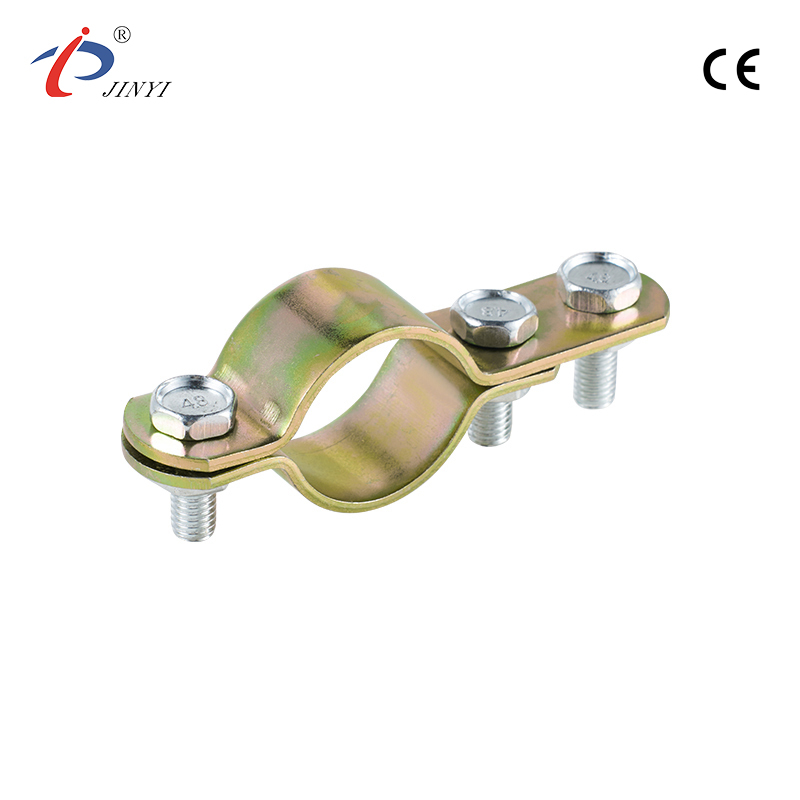
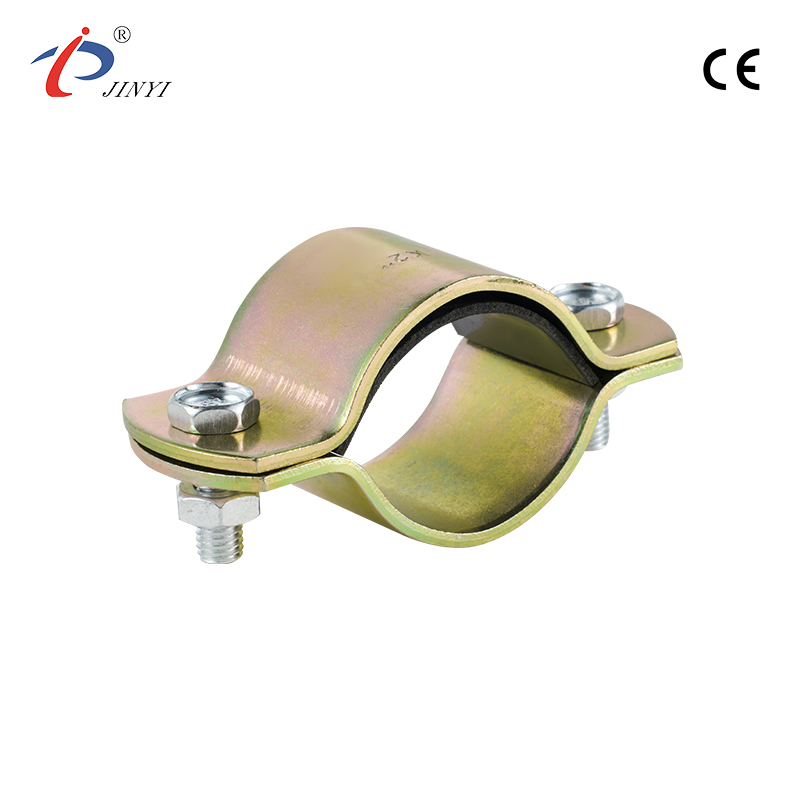
- Standard clamps for routine runs. Economical and quick to source.
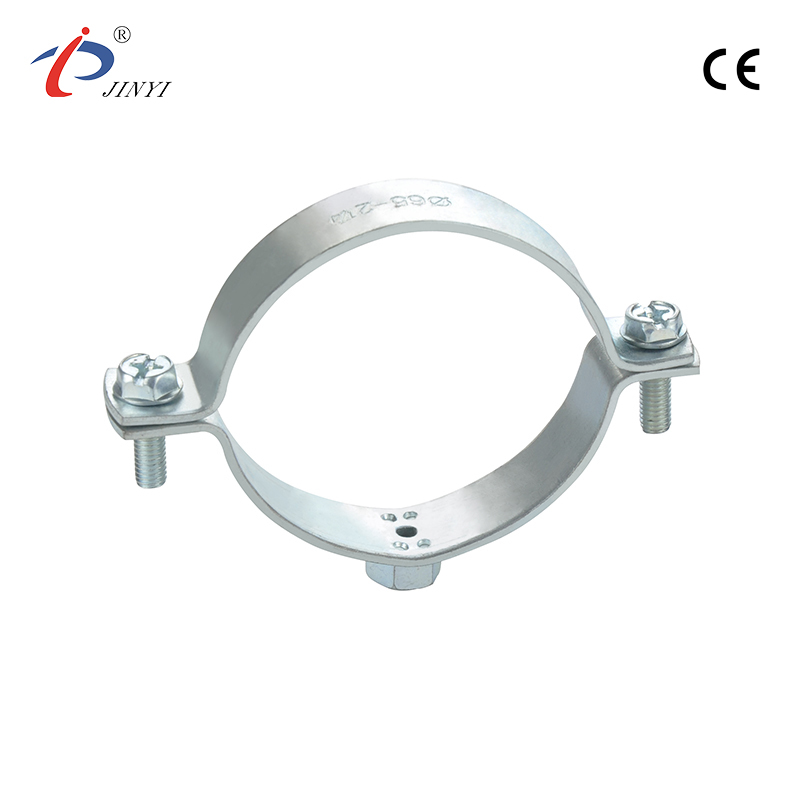
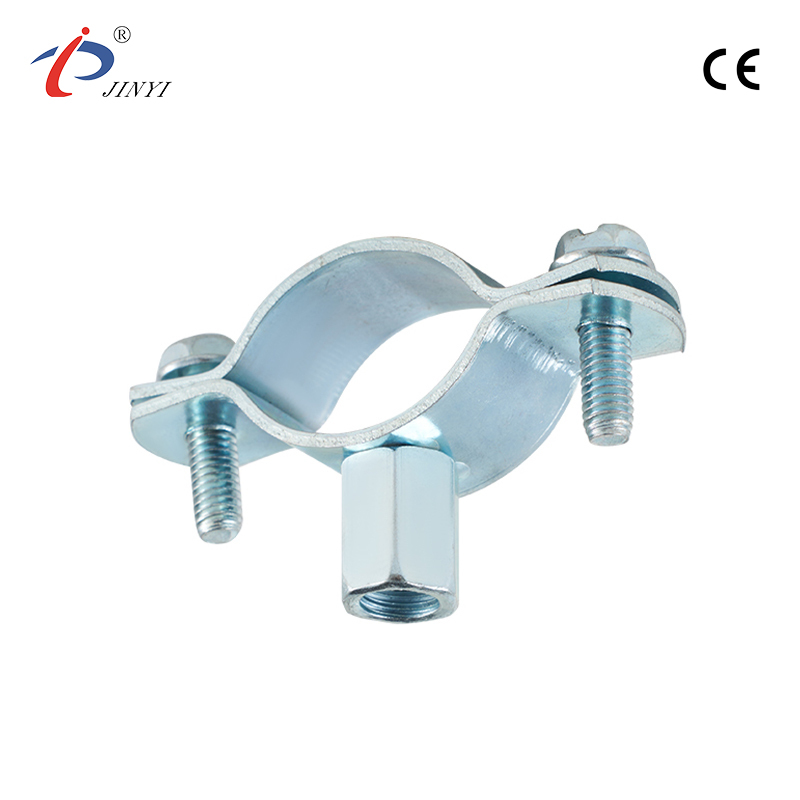
- Adjustable or slotted brackets when you need alignment tolerance on installation day. They save rework time.
- Spring or dynamic supports in lines with heavy vibration or thermal movement.
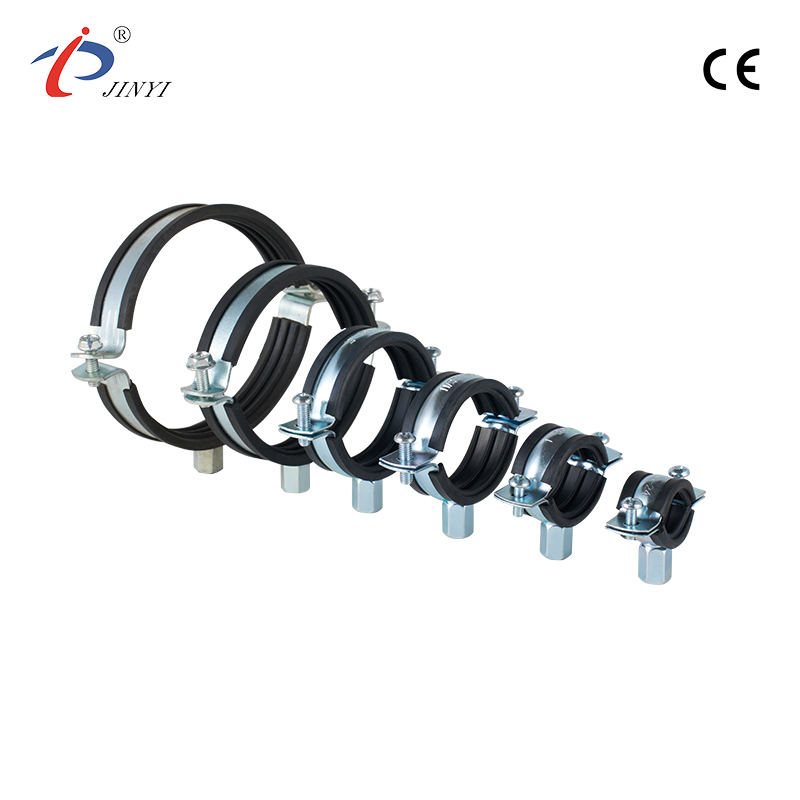
- Rubber-lined supports when you want to reduce metal-to-metal wear and dampen vibration.
Plan for thermal movement
Make sure your plan includes fixed points and sliding supports arranged so thermal expansion doesn't fight against your anchors. A good rule of thumb: select one fixed support every few meters in long runs, with sliding supports between — but adjust for your pipe material's expansion coefficient.
Maintenance and spare parts
- Order a few spare brackets per common size. It's surprisingly cost-effective.
- Get spares for isolators, fasteners, and pads too. They're the little parts that fail first.
Vendor checks
- Ask for dimensional drawings and check hole centers.
- Request a sample if it's a critical service. Install it and see how it fits.
- Verify the supplier can provide replacement parts and lead times.
Quick buyer's checklist
- Pipe specs documented? Yes / No
- Vibration present? Yes / No
- Thermal expansion considered? Yes / No
- Spares ordered? Yes / No
- Vendor drawings approved? Yes / No
If you can tick these boxes, you've likely saved yourself a rework or emergency order down the line.
Where should manifold brackets be placed for optimal system efficiency
Placement is more art than brute math. Poorly spaced supports will let pipes sag, develop stresses, and put extra load on flanges. Well-placed supports make the whole system feel solid — and they reduce noise, leaks, and maintenance.
Here's a practical guide to placement decisions.
Critical spots to support
- At changes in direction (elbows, tees) — these points transmit forces.
- Near equipment connections (pumps, valves, heat exchangers) — support close to flanges but leave space for alignment and maintenance.
- Across long unsupported spans — if you see sag, you underestimated spacing. Add supports.
- At transitions (insulated to bare pipe) — insulation changes how a clamp holds the pipe; design accordingly.
Don't overdo it
Too many supports create a different issue: they restrict expansion. You need a mix: some fixed supports to locate the run, and sliding supports to allow thermal growth. Think of supports as a choreography — some hold position, others let things move.
Practical placement workflow
- Start at fixed anchors (near pumps or structural constraints).
- Add sliding supports between anchors at intervals per the span table.
- Place intermediate supports at elbows, valves, or where the pipe changes direction or material.
- Revisit after a short test run — if the pipe moves oddly when hot or under pressure, adjust.
Field note
On retrofit jobs, I've seen teams place brackets where workers could easily reach with a wrench, not where the pipe needed support. The result: sagging and vibration. Don't shortcut placement for convenience — plan access, but prioritize structural need.
Practical takeaways and next steps
Brackets don't argue for attention. But they deserve it. Get the material, mounting, placement, and maintenance right and your piping system will stay quieter, leak less, and need fewer emergency fixes. Ignore them, and small problems become big ones, often at inconvenient times.
Here's a short action plan you can use on your next project or inspection round:
Survey your critical runs. Note environmental conditions and vibration sources.
Choose materials deliberately. Match alloy/coating to the environment — don't assume a one-size-fits-all metal.
Install with care. Check alignment, torque to spec, and allow for expansion.
Inspect regularly. Use a simple checklist and log findings. Early fixes cost less.
Buy spares. The few brackets you keep in inventory usually pay for themselves.


- 210 Jinhai Avenue, Lupu Economic Development Zone, Yuhuan City, Taizhou City, Zhejiang Province.
- +86-576-87423248 / +86-576-87499120
- +86-17769979117 / +86-13750801289
- +86-576-87425996
- [email protected] / [email protected]

