


 русский
 Español
Can a Shower Head Factory Design Better Water Flow for Every Home
2026-05-04
A Shower Head Factory sits between product planning and real-world use. It turns ideas about water feel, surface finish, and installation fit into a workable product. Small choices made at the factory stage can change how the final shower head behaves once it is mounted in a home.
What defines a factory in today's bathroom supply chain
A Shower Head Factory is part of a connected production flow that links design, component sourcing, assembly, and final inspection. Each step affects the shape, fit, and use experience of the finished product.
In practice, the factory is not only building parts. It is also matching product structure with different bathroom setups, user habits, and installation needs. That means the work often begins long before assembly and continues after the product leaves the line.
How does a Shower Head Factory design water flow for different spray experiences
Water flow starts inside the body of the product, where channels guide movement before the water reaches the outlet. Internal design shapes those paths so the spray can feel more spread out, more direct, or somewhere in between depending on the design goal.
The main concern is not appearance alone. It is the way water moves through the structure, the way pressure is held or released, and the way each outlet point works with the others. A small change in the route inside the body can shift the whole shower feel without changing the outside shape very much.
| Design focus area | Function inside product | User effect |
|---|---|---|
| Internal channel layout | Guides water movement | Changes spray direction |
| Outlet distribution | Controls exit points | Affects coverage area |
| Flow separation | Divides spray modes | Creates variation in output |
| Pressure balance | Stabilizes movement | Supports steady flow |
Which materials are commonly chosen in a Shower Head Factory and how they affect performance
Material choice shapes weight, strength, handling, and how the product responds over time. In a Shower Head Factory, different materials are selected according to how the part will be used and what kind of finish it needs.
Lighter polymer parts are often used where easy handling matters, while metal components are often chosen where firmness and structural support are more important. Some products combine both, using one material for the outer body and another for internal support. That mix helps the factory adjust cost, appearance, and feel without forcing every part to behave in the same way.
The material decision also affects how the product accepts surface treatment. Some surfaces hold finishing work more evenly, while others are more sensitive to the process and require tighter control.
Why spray nozzle design can change the feeling of daily shower use
| Design element | Structural role | Resulting effect |
|---|---|---|
| Opening size | Controls flow release | Changes spray density |
| Distribution pattern | Organizes outlet points | Affects coverage balance |
| Material flexibility | Supports cleaning action | Reduces buildup impact |
| Surface layout | Defines water spread | Influences contact feel |
How does a Shower Head Factory handle water pressure differences across global markets
Water pressure is not consistent across different living environments, so the internal structure of a shower head often needs adjustment. In a Shower Head Factory, this usually means reshaping the way water travels inside the body instead of changing how the product looks on the outside.
Engineers tend to focus on how fast or slow water moves through internal paths. If the flow is too direct, the spray may feel uneven in some conditions. If it is too restricted, the output may feel weak. The design work sits in between these two extremes, trying to keep the spray behavior steady even when incoming pressure is not stable.
What role does electroplating play in the surface quality of shower head products
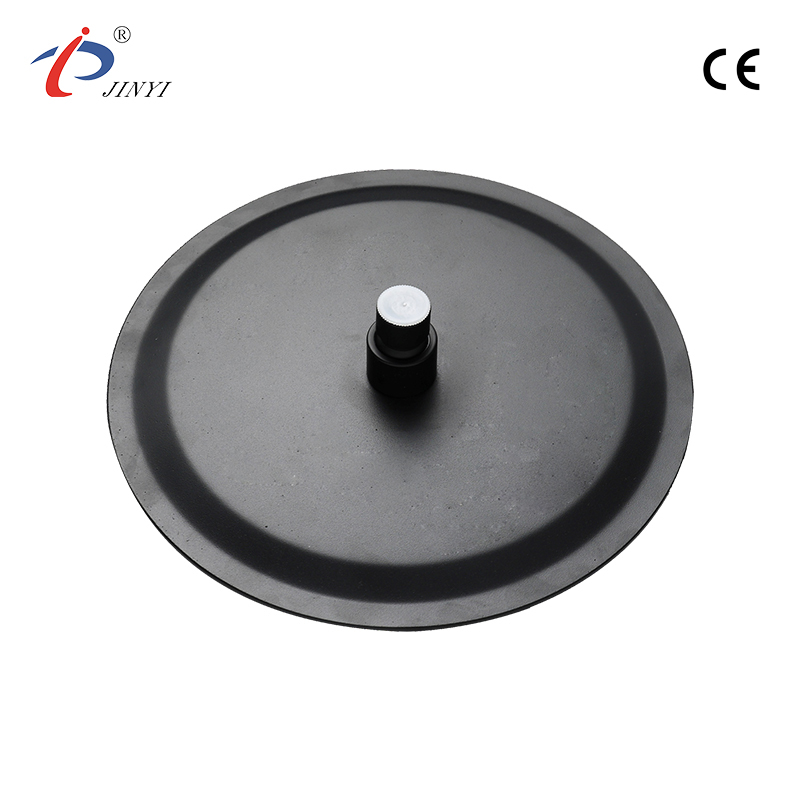
Surface finishing is more than a visual step. Electroplating adds a thin layer on the outer surface that separates the base material from daily moisture and cleaning contact. In a Shower Head Factory, this stage is carefully controlled because small changes in coating quality can affect how the surface behaves over time.
It also helps the surface look more uniform, especially after repeated exposure to steam and water. When done properly, it supports a stable outer layer that is easier to maintain during regular household use.
| Surface treatment aspect | Function in production | Practical effect |
|---|---|---|
| Coating layer formation | Adds protective layer | Limits direct exposure |
| Adhesion process | Connects coating and base | Reduces peeling risk |
| Surface leveling | Evens out texture | Keeps appearance steady |
| Moisture resistance | Blocks direct contact | Slows surface wear |
How do Shower Head Factory engineers design anti clog systems for long term use
Anti clog design is usually based on how water passes through small openings over time. Inside a Shower Head Factory, the focus is on reducing points where mineral buildup can settle and slow down flow.
Some designs use flexible outlet points that can be cleaned with light pressure, while others rely on smoother internal shapes so particles are less likely to stay inside. These approaches are often combined rather than used alone.
- Outlet points are shaped to reduce tight corners where buildup forms
- Internal paths are adjusted to keep water moving without interruption
- Materials at the spray surface are selected for easier cleaning behavior
What tips help choose shower head designs for different residential water conditions
Water conditions in homes can differ in stability and mineral content, which changes how a shower head performs in daily use. A Shower Head Factory often considers these factors when adjusting internal structure.
When water has more mineral content, smoother outlet surfaces can help reduce buildup during regular use. In places where pressure changes often, internal flow control becomes more important so the spray does not feel inconsistent. The idea is to match internal behavior with real household conditions rather than focusing only on appearance or shape.


- 210 Jinhai Avenue, Lupu Economic Development Zone, Yuhuan City, Taizhou City, Zhejiang Province.
- +86-576-87423248 / +86-576-87499120
- +86-17769979117 / +86-13750801289
- +86-576-87425996
- [email protected] / [email protected]

