


 русский
 Español
How Does a Water Meter Bracket Keep Water Systems Stable and Accurate
2026-05-08
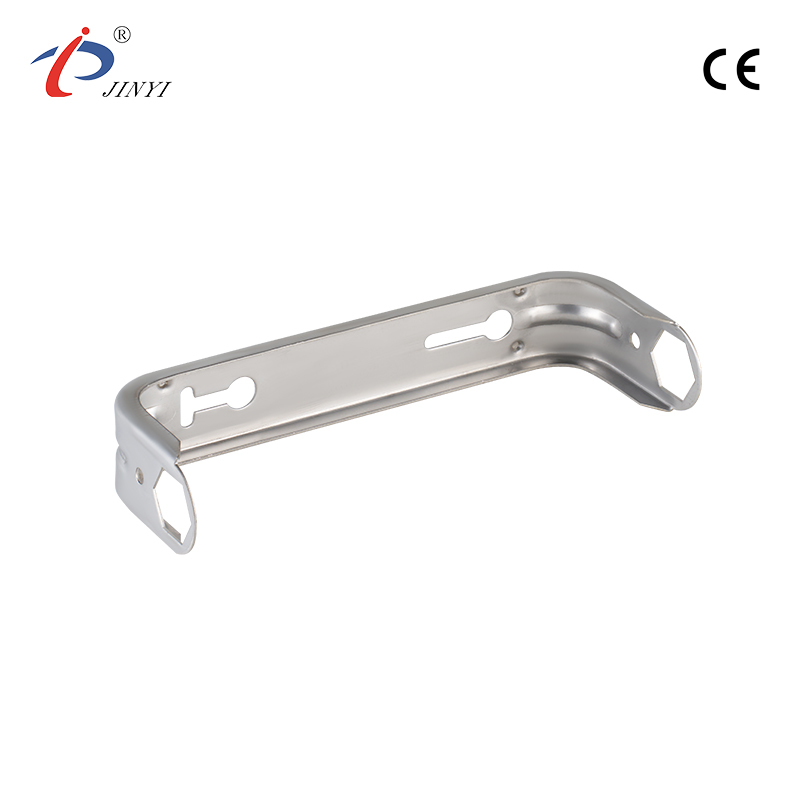
In a water system, small parts often carry more responsibility than they first appear to. A meter may do the measuring, but it still needs steady support around it. That is where the Water Meter Bracket comes in. It keeps the meter in place, helps limit movement from the pipe line, and makes the whole setup easier to keep in order over time. When the support is well matched to the system, the meter sits more naturally in the line and the chance of trouble from strain or shifting is lower.
What Is a Water Meter Bracket and How It Supports Stable Water Measurement in Real Systems
A Water Meter Bracket is a support piece used to hold the meter in a fixed position between the inlet and outlet pipes. Its job is simple on the surface, but in practice it does more than just carry weight. It helps keep the meter lined up with the pipe run, so the connection stays steady instead of being pulled off balance by nearby movement.
In real installations, the meter can be affected by pipe expansion, small vibrations, and pressure changes moving through the line. A solid support helps the meter stay where it should be, which makes the overall setup feel more stable and easier to manage.
Functional roles in practical use
- Keeps the meter aligned with the pipe direction
- Helps reduce uneven force at the joints
- Supports a steadier flow path through the meter section
- Makes later servicing a little easier because the layout stays clear
In many setups, the support around the meter matters just as much as the meter itself.
Why Water Meter Alignment Depends on Proper Water Meter Bracket Installation Practices
Alignment is one of those details that can be easy to overlook during installation, yet it has a direct effect on how the system behaves later. If the pipes do not meet the meter in a clean line, the joints can end up carrying more strain than they should. That strain may not show itself right away, but it can slowly affect the connection points and make the assembly feel less stable.
A proper support helps the parts sit in a straight, natural position. That gives the pipe line a better chance to stay steady under normal use, instead of being forced into a shape it does not naturally take. It also leaves less residual tension when the system is opened again for inspection or replacement.
How Water Meter Bracket Design Helps Reduce Pipe Stress and Maintain Long Term Accuracy
Pipes are always moving a little. Heat, pressure, and nearby vibration can all cause small shifts, even when the system seems still from the outside. If that movement reaches the meter directly, the result can be extra load at the connection points and a less stable working condition.
Stress reduction mechanism
- Spreads pipe weight across support points
- Limits bending force on the meter body
- Helps keep joint strain from building up
- Holds the meter and pipes in a more fixed relationship
| Installation condition | Effect on piping system | Role of bracket |
|---|---|---|
| Unsupported meter | More strain at joints | No support control |
| Partial support | Uneven force along the line | Limited stability |
| Proper support | More even load sharing | Helps hold position and reduce stress |
When the forces move through the system in a calmer way, the meter has a better chance of staying in a stable working condition.
How Water Meter Bracket Structure Influences Long Term System Reliability and Maintenance Needs
The shape and build of the support affect more than the first installation. Over time, the structure can influence how much the setup shifts, how easy it is to reach for service, and how often the parts need adjustment. A frame that stays firm gives the rest of the assembly a more dependable base.
If the support holds its shape well, the pipes are less likely to drift out of line during use. That means fewer small corrections later and a cleaner path when the meter needs attention. A practical Water Meter Bracket does not call attention to itself; it simply helps the system stay steady and easy to work with.
How to Choose a Water Meter Bracket Based on Pipe Size Pressure and Installation Conditions
Selecting a support structure for a meter connection is usually guided by the physical conditions of the piping system rather than appearance or form alone. Different pipe sizes create different spacing and force patterns, and internal pressure levels can influence how much movement the system experiences during operation.
In practice, a Water Meter Bracket should match the pipe line in a way that keeps the meter sitting naturally between the inlet and outlet. If the fit is too loose, small shifts may appear during use. If the fit is too tight, installation may introduce unnecessary stress into the joints. The surrounding installation environment also plays a role, since confined spaces or exposed areas can change how much protection and support the system needs.
Key selection considerations
- Pipe size compatibility
The bracket spacing and structure should match the actual pipe diameter and connection layout to avoid forced alignment.
- Internal pressure behavior
Systems with stronger internal flow movement may require more stable support to reduce shifting during operation.
- Installation space condition
Limited or narrow spaces require compact designs that still allow secure fixing without stressing the pipe line.
- Connection alignment requirement
The bracket should allow the meter to sit in a straight line between inlet and outlet without bending or tension.
- Environmental exposure level
Indoor and outdoor locations can influence how much structural support and protection is needed over time.
Which Materials for Water Meter Bracket Perform Well in Different Indoor and Outdoor Environments
Material choice affects how the support behaves over time, especially when exposed to moisture, temperature change, or general wear from the surrounding environment. Indoor installations usually face more stable conditions, while outdoor or semi-exposed setups tend to experience more variation in humidity and temperature.
Different materials respond differently to these conditions. Metal-based options are often used where strength is a priority, while coated or treated surfaces are used to slow down surface wear. In some cases, composite materials are considered when reducing weight or limiting corrosion response is part of the design goal.
| Environment condition | Common material behavior | Practical consideration |
|---|---|---|
| Indoor stable space | Lower exposure to moisture changes | Focus on structural fit |
| Outdoor exposed area | Higher chance of surface wear | Emphasis on protective treatment |
| Semi-covered installation | Mixed exposure conditions | Balance between strength and protection |
A Water Meter Bracket chosen with the surrounding environment in mind is less likely to require frequent replacement or adjustment.
Where Water Meter Bracket Should Be Installed to Support Easy Maintenance and System Access
Placement has a direct influence on how easy it is to work with the meter later. Even if the support itself is stable, a poorly chosen location can make inspection or replacement more difficult than expected. Ideally, the meter and its support should be positioned in a way that allows enough space for tools and hand access without disturbing nearby pipe sections.
In many installations, the goal is to keep the system accessible without exposing it to unnecessary external contact. That balance helps reduce the chance of accidental force being applied to the assembly while still allowing maintenance work to be carried out without major disruption.
A Water Meter Bracket placed with access in mind can also reduce the time needed for routine checks, since components can be reached without dismantling surrounding structures.
What Installation Tips for Water Meter Bracket Help Reduce Vibration and Improve System Stability
Vibration in a piping system often comes from normal flow changes, nearby equipment, or small structural movements in the building. Over time, these small movements can transfer into the meter area if there is no proper support control. That is where installation technique becomes important.
A steady installation approach focuses on keeping the meter and pipes in a relaxed, neutral position rather than forcing them into alignment. The support should hold the assembly without adding extra tension into the line. In many cases, allowing slight natural tolerance between components helps reduce long term mechanical stress.


- 210 Jinhai Avenue, Lupu Economic Development Zone, Yuhuan City, Taizhou City, Zhejiang Province.
- +86-576-87423248 / +86-576-87499120
- +86-17769979117 / +86-13750801289
- +86-576-87425996
- [email protected] / [email protected]

