


 русский
 Español
How Does China Pipe Strap Work in Pipe Support Systems
2026-05-18
Pipes rarely stay stable on their own once they are installed across walls, ceilings or frames. Movement from equipment vibration, fluid flow, or simple structural gaps can slowly affect alignment. That is why fastening parts are introduced into the system.
China Pipe Strap is one of the common components used to hold pipelines against a fixed surface. It does not change the pipe itself, but it controls how the pipe behaves once it is placed in a structure. The idea is simple: keep the pipe where it should be, without stressing the pipe wall.
What Is a China Pipe Strap and How It Supports Pipe Systems in Real Installations
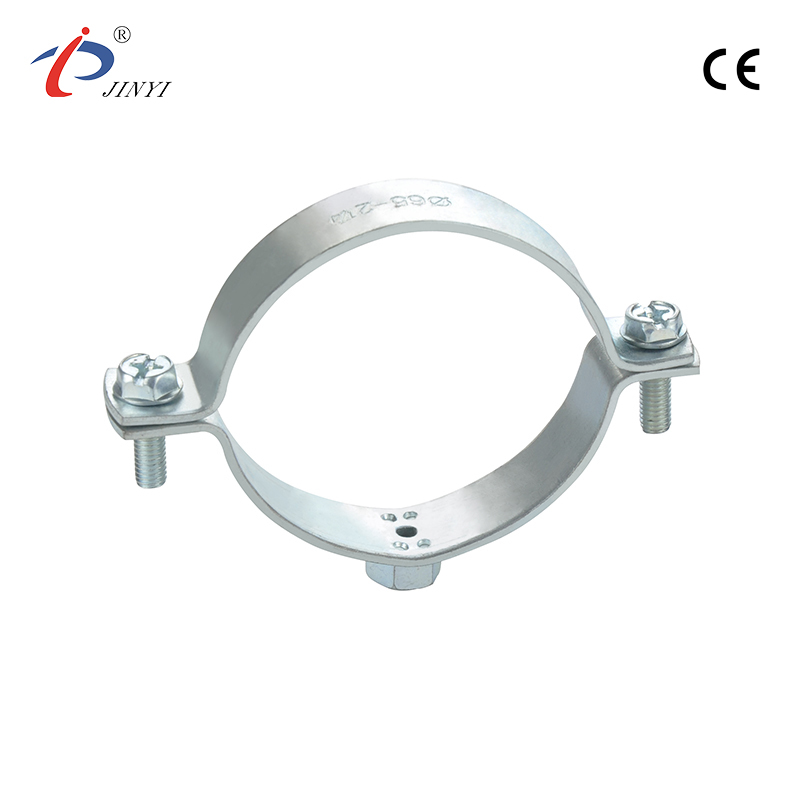
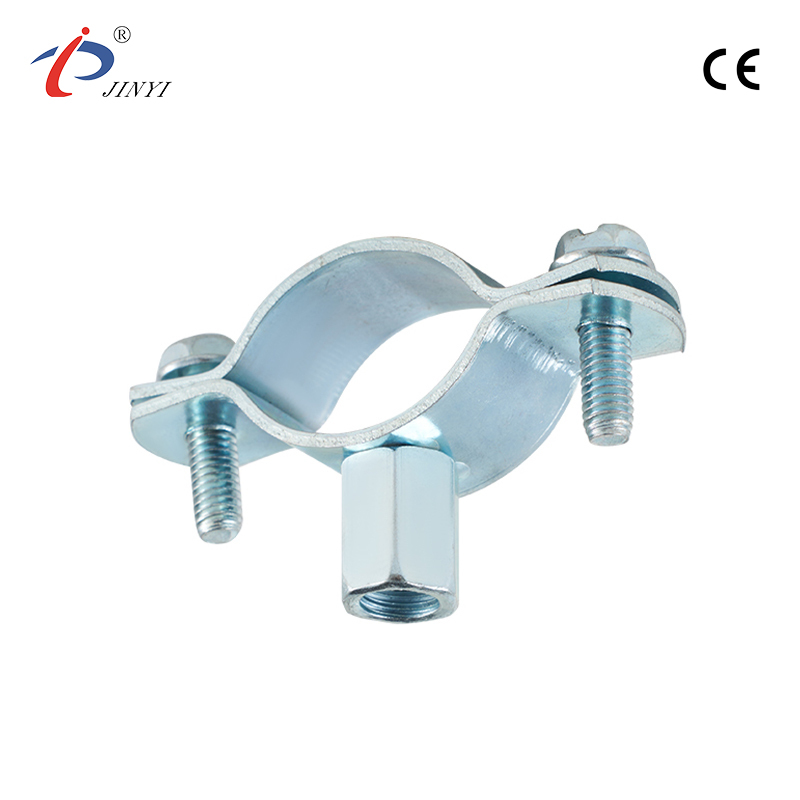
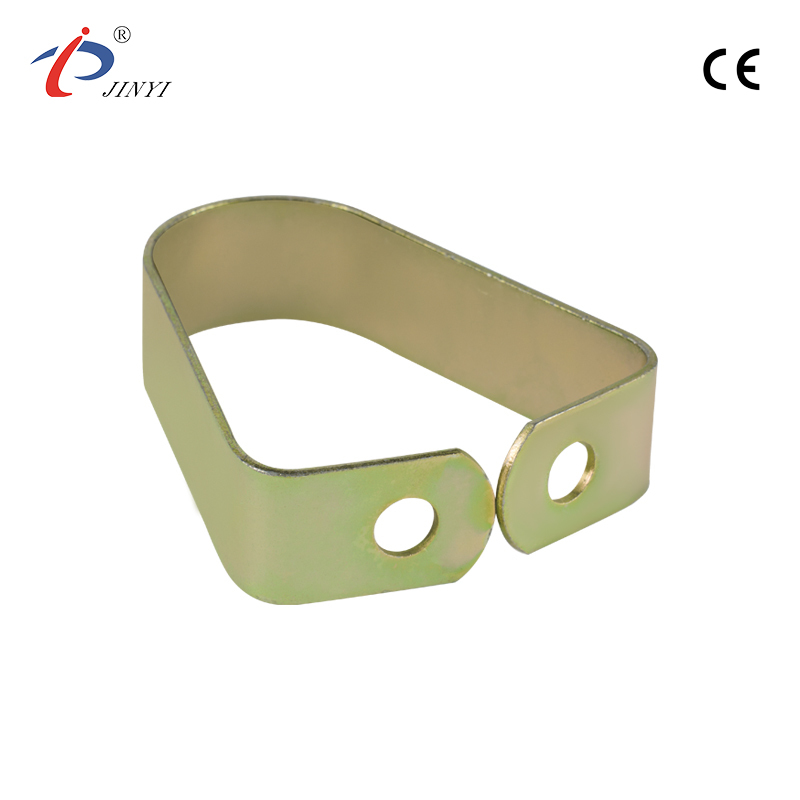
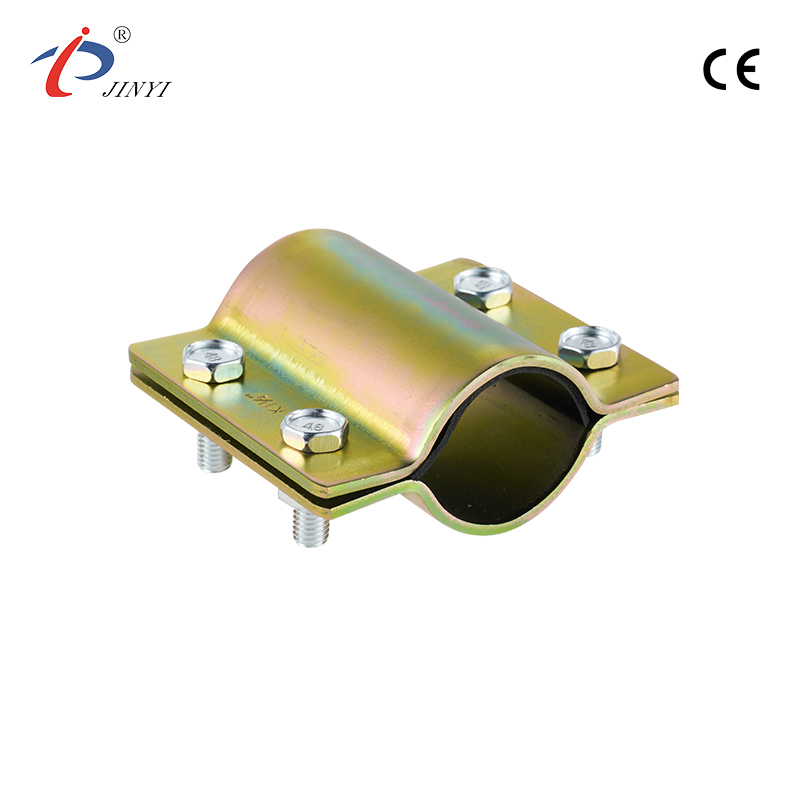
A China Pipe Strap is usually shaped as a curved or semi-closed metal band. It wraps around the pipe and is fixed to a surface using screws or bolts.
In actual installations, it often appears in places like ceiling pipe runs or wall-mounted lines where space is limited.
Instead of carrying load like a bracket system, it mainly works by holding position. Once tightened, the pipe sits inside the strap and stays aligned with the layout path.
Typical functions include:
- Keeping pipe from shifting sideways
- Holding pipe close to mounting surface
- Reducing movement caused by vibration
The performance depends less on appearance and more on how tightly it matches the pipe size.
Which Materials Are Commonly Used and How They Affect Long Term Use
Different materials behave differently once exposed to real environments. In pipe fixing systems, this difference becomes more obvious over time.
| Material type | Practical behavior | Common use condition |
|---|---|---|
| Carbon steel | Stable but needs surface protection | Indoor or covered systems |
| Stainless type | Holds shape under moisture exposure | Humid or exposed locations |
| Coated steel | Balanced protection with surface layer | Mixed environments |
Material choice is usually not about appearance. It affects how long the strap keeps its shape and whether surface wear appears early.
In some installations, even small differences in material thickness can change how tightly the pipe sits inside the strap.
How China Pipe Strap Is Manufactured from Steel Sheet to Finished Hardware Product
The production process starts from flat steel material. It is not complex in concept, but each step affects final fitting accuracy.
First, the sheet is cut into required strips. After that, forming equipment bends it into curved shapes that match pipe profiles. Holes are added for fastening points, allowing bolts to pass through during installation.
Then the surface is treated to reduce direct exposure to air and moisture. This step often decides how the product behaves in different environments.
Before packing, simple checks are done on shape consistency and connection alignment. If the curve is slightly off, installation will feel uneven later.
Why Surface Coating Matters in Outdoor and Humid Environments
Once installed in open or humid conditions, metal surfaces start interacting with the environment immediately. This is where coating becomes important.
A coated China Pipe Strap does not change the pipe function, but it changes how the strap surface reacts over time.
Coating mainly works by:
- separating metal from direct moisture contact
- slowing down surface change caused by air exposure
- keeping contact surface smoother during installation
In real use, straps without proper surface treatment often show early surface marks, especially around edges or bolt areas. These small changes can affect how stable the fastening feels during maintenance cycles.
How to Select Pipe Strap for Different Pipe Sizes Without Installation Issues
Pipe size looks like a simple parameter, but in real installation it often decides whether the fastening feels stable or slightly loose after tightening. A strap that is too wide creates movement space, while a tight one can stress the pipe surface.
Selection usually starts from the actual outer diameter rather than nominal size. On site, pipes are not always perfectly uniform, especially after insulation or coating is added.
A practical selection approach often considers:
- actual pipe outer dimension after finishing work
- allowance for thermal expansion space
- whether lining material is needed for surface protection
- consistency across repeated installation points
Small deviations in fit can show up later as noise, vibration marks, or uneven contact pressure. That is why matching is not treated as a purely theoretical step.
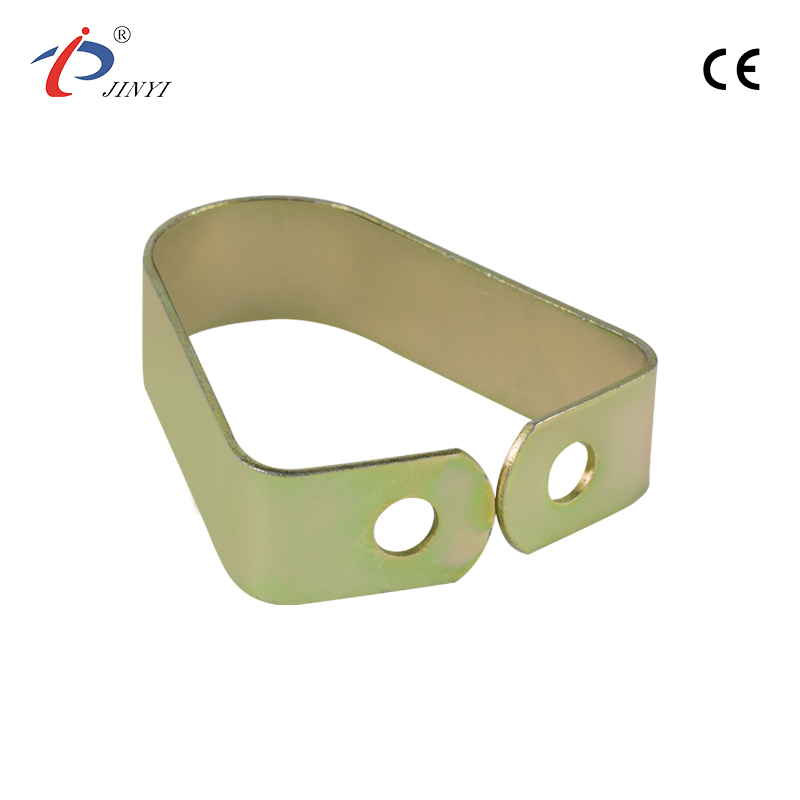
Where Pipe Straps Are Commonly Used in HVAC Plumbing and Industrial Projects
In real layouts, pipe straps are rarely used in isolation. They appear as part of a larger routing system where pipes need to follow walls, ceilings, or structural frames.
Common placement conditions include:
- ceiling mounted pipe lines running along beams
- vertical wall fixed plumbing routes
- equipment-connected piping sections with vibration
- bundled pipe runs where spacing needs control
In HVAC environments, straps are often spaced along long straight runs to maintain alignment. In plumbing systems, they help prevent pipe sagging over distance. Industrial setups tend to use them where vibration or repeated movement is expected.
The role is less about holding weight and more about controlling position along a designed path.
How Installation Methods Influence Stability of Pipe Strap in Pipe Fixing Systems
Installation method has a direct effect on how the strap behaves after tightening. Even with the same material, different fixing approaches can lead to different stability levels.
| Installation factor | Practical effect on system |
|---|---|
| Tightening force control | Affects pipe contact pressure and movement allowance |
| Mounting surface condition | Influences long term grip stability |
| Spacing between supports | Changes pipe deflection behavior |
| Alignment during fixing | Impacts stress distribution along pipe line |
A common issue in practice is uneven tightening. When one side is fixed tighter than the other, the pipe may shift slightly under vibration. Another factor is mounting surface flatness, which can reduce effective contact area if not properly prepared.
Installation is usually not treated as a single step, but as a sequence that affects final behavior.
What Causes Pipe Strap Loosening and How to Reduce Risk During Installation
Loosening does not usually happen immediately after installation. It often develops gradually under repeated vibration, thermal movement, or small shifts in the supporting structure.
Typical influencing factors include:
- continuous vibration from connected equipment
- insufficient tightening control during installation
- mismatch between pipe diameter and strap curvature
- uneven load distribution along the pipe run
Once loosening begins, the pipe may start to shift slightly within the strap. Over time, this can lead to noise or visible movement during operation.
Reducing this risk often depends on consistent installation practice rather than a single adjustment point.
In practical manufacturing and supply discussions, product consistency and installation adaptability are often considered together. In this context, production experience and process control from Yuhuan JINYI Hardware Co.,Ltd. is typically associated with maintaining stable forming and fitting behavior across different pipe strap specifications.


- 210 Jinhai Avenue, Lupu Economic Development Zone, Yuhuan City, Taizhou City, Zhejiang Province.
- +86-576-87423248 / +86-576-87499120
- +86-17769979117 / +86-13750801289
- +86-576-87425996
- [email protected] / [email protected]

