

 русский
 Español
WHY?
• Support rails for securing and supporting the bathtub or shower tray rim to the wall; suitable for tubs made of steel, acrylic, or mineral cast
• Sound-insulated contact surfaces
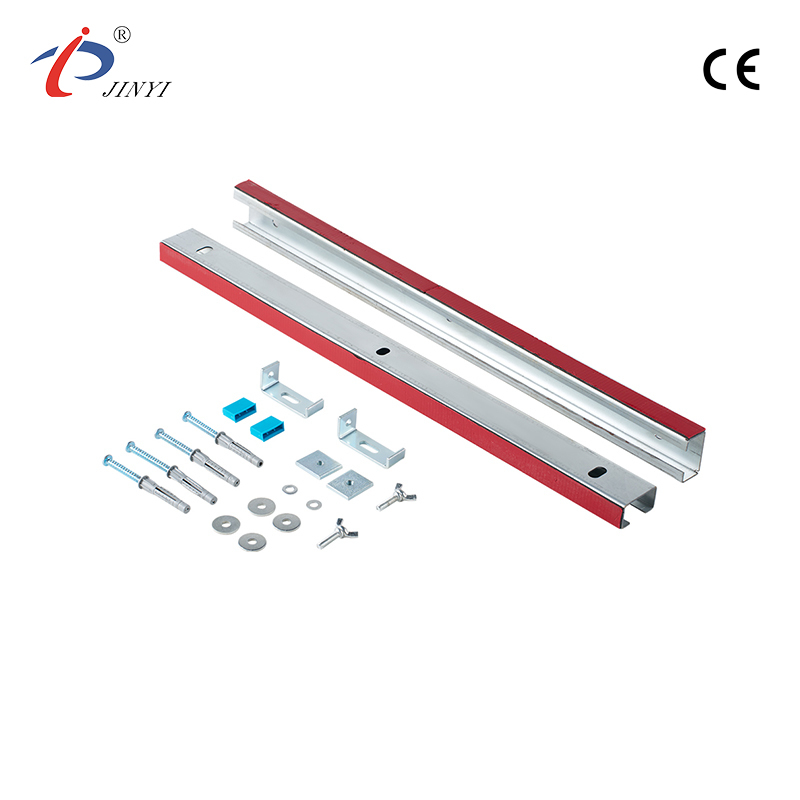
WHY?
• Support rails for securing and supporting the bathtub or shower tray rim to the wall; suitable for tubs made of steel, acrylic, or mineral cast
• Sound-insulated contact surfaces







Noise in a piping system does not always originate from the equipment itself. Water flow, pressure c...
READ MOREFor overseas buyers sourcing hardware for the first time, working with a radiator bracket supplier b...
READ MOREIn plumbing, HVAC, industrial piping, and mechanical installations, pipe clamps do more than hold pi...
READ MOREPipe support is easy to overlook during the early stages of a piping project, yet the wrong support ...
READ MORECommercial and industrial heating projects put very different demands on hardware than a residential...
READ MOREMany heating equipment brands and private-label distributors don't want a generic bracket — they nee...
READ MOREIn the evolving landscape of modern architecture and interior design, safety, accessibility, and convenience have become more than just afterthoughts—they are core requirements. Bathrooms, in particular, are spaces that demand careful consideration because of their inherent risks: slippery surfaces, tight spaces, and wet conditions make them prime areas for accidents. One of the most effective solutions to address these concerns is the use of bath support rails. These seemingly simple fixtures provide significant benefits for both residential and commercial settings, combining safety, functionality, and even aesthetic appeal. Yet, aside from their clear functional strengths, might these rails also integrate smoothly into today's design trends to enhance a bathroom's visual appeal?
Bathrooms are a top spot for slip-and-fall accidents in the home. Safety research confirms that a significant number of household injuries happen in this room, where wet floors, hard surfaces, and limited space all increase the chance of a fall.
Bath support rails offer a simple, dependable way to reduce these risks.
Greater Stability and Reassurance Our support rails provide a firm, reliable hold when stepping into or out of the tub, standing up from the toilet, or moving around in the shower. They are especially helpful for seniors, expectant mothers, individuals recovering from surgery, or anyone who appreciates added support in daily activities.
Reduced Risk of Serious Harm A bathroom fall can cause broken bones, head injuries, or long-term mobility problems. When installed correctly, support rails can significantly lower the chances of these serious accidents.
Beyond keeping you safe, bath support rails make daily routines smoother and more comfortable, adding confidence and ease to your bathroom for everyone who uses it.
Modern building design places a growing emphasis on accessibility for all. Bath support rails are an essential feature in creating bathrooms that work well for everyone, no matter their physical abilities.
Supporting an Aging Population As more people live longer, residential bathrooms need to meet the needs of older adults who may have reduced strength, balance, or mobility. Support rails make everyday tasks safer and more manageable.
Creating Inclusive Public and Commercial Spaces Hotels, restaurants, offices, and other public facilities are expected to provide accessible bathrooms that go beyond basic
The era of bulky, hospital-style grab bars that ruined a bathroom's look is long over. Today's support rails are crafted to feel like they belong in the design rather than apologize for existing.
Finishes range from matte black and oil-rubbed bronze to polished chrome, brushed gold, or even satin brass, so the rail can match the faucet, showerhead, and towel bars instead of fighting them. Manufacturers offer stainless steel that won't rust, solid brass that ages gracefully, and aluminum with tough powder-coat finishes that shrug off water and cleaning chemicals. Many now add subtle knurling or a soft-textured wrap so the grip is secure even when hands are wet and soapy.
Placement has become far more deliberate. A horizontal rail alongside a freestanding tub can double as a towel bar. A vertical bar at the shower entrance lines up with the glass panel framing, almost disappearing into the architecture. Low-profile, wall-hugging designs sit tight against tile or stone, and some companies make corner-mounted or angled bars that follow the natural reach of the hand instead of forcing awkward postures.
The rails themselves are shaped with the user in mind: 32–35 mm in diameter to fit most hands comfortably, gently radiused ends so nothing catches a sleeve or skin, and lengths and angles calculated for real leverage whether someone is stepping over a tub edge, lowering onto a toilet, or steadying themselves in a zero-threshold shower.
In practice, a well-chosen support rail no longer looks like a concession to safety; it reads as intentional detail, the kind of quiet, confident touch that makes a bathroom feel both luxurious and genuinely considerate.
Far not old or disabled to appreciate a good grab bar; you just have to be human.
A parent leaning over the tub to wash a squirming toddler feels the difference the moment they have something solid to brace against instead of hovering in mid-air. A pregnant woman in her third trimester, with balance that shifts by the hour, can step in and out of the shower without treating every tile like a skating rink. Someone fresh out of knee surgery, or even just nursing a twisted ankle from weekend soccer, suddenly turns a treacherous room into one they can move through with dignity.
The rails don't care whether the limitation is permanent, nine months long, or only six weeks—they simply stand there, ready whenever life throws a curve. In a house that sees toddlers, teenagers, grandparents, weekend warriors, and everyone in between, a few well-placed bars quietly level the playing field. The bathroom stops being a hazard that only the young and perfectly healthy can use without thinking, and becomes a space that actually works for the whole household, day in and day out.
Bath support rails aren't an expense—they're insurance you never want to collect on.
One bad slip can easily run into tens of thousands of dollars: ambulance, X-rays, surgery, physiotherapy, weeks off work. A decent set of rails costs a fraction of that and, once fitted, they just sit there doing their job for decades. Good ones are made from solid metal, sealed against rust, and need nothing more than an occasional wipe. Pay once, forget about it.
When it comes time to sell the house, buyers notice. A bathroom that already has sturdy, stylish rails in the right places quietly signals that someone built this home with real life in mind. Middle-aged couples looking ahead to aging parents, young families planning for the long haul—they all breathe a little easier and reach for their checkbook a little faster. That small upfront cost often comes straight back as extra dollars on the final sale price.
The real return, though, isn't on a spreadsheet. It's the calm feeling every time someone steps onto wet tile and knows there's something strong to catch them. That kind of confidence is priceless, and it starts compounding the day the rails go in.
Putting up bath support rails isn't rocket science, but it's not something you want to rush with a handful of drywall anchors either.
The golden rule is simple: the rail has to be bolted into solid timber or blocking, not just plasterboard. A grown adult leaning hard or catching a fall can put a couple of hundred kilos on that bar in an instant. Get it wrong and the whole thing rips out of the wall exactly when it's needed most. A competent carpenter or handyman can find the studs, fit reinforced backing if needed, and have everything rock-solid in under an hour. Spend the money there and you'll never think about it again.
Once they're in, they ask almost nothing of you. Every year or two, give the fixings a gentle wiggle and tighten a screw if it needs it. Good stainless or properly coated rails laugh at steam and splashes; rust just isn't an issue. If you ever move or rent the place out, tension-mounted or removable suction models exist that do a respectable job for lighter duties, but the permanent ones still win for real peace of mind.
Bottom line: install them right the first time, and they'll outlast every other fitting in the bathroom without complaint. That kind of set-and-forget reliability is exactly why they belong in every modern home.
Bath support rails have outgrown the old label of "something you add when someone gets old." They have become non-negotiable pieces of any serious bathroom, whether it's a private home or a five-star hotel.
They keep people upright when the floor turns into an ice rink. They let grandparents shower without help, pregnant women step over the tub without fear, and kids wash themselves without a parent hovering like a helicopter. They satisfy building inspectors, shield landlords from lawsuits, and quietly raise the resale price of a house. They now come in finishes that make designers smile instead of sigh, and some even pull double duty as towel bars or shelves.
In short, a modern bathroom that still lacks proper support rails feels as dated as avocado-green tiles and shag carpet. Safety, style, and common sense have finally lined up in the same direction.
When you want that combination done right—clean lines, bomb-proof installation, and materials that look expensive without being fussy—JINYI has been setting the standard for years. Their rails don't shout "disability aid"; they simply belong, like the perfect faucet or the right light.
Leaving them out is no longer a design choice. It's a missed opportunity. A few well-placed bars turn an ordinary bathroom into one that works beautifully for every body that ever walks through the door—for decades to come.